


Courtney Porter

As a multifaceted business strategist, entrepreneur, and creative, Yudi Kaufman, founder and president of YKD Associates, is uniquely a left-and-right-brainer. With over a decade of experience successfully navigating the home furnishings and interior design industry from the inside out, he is announcing an exciting collaboration for High Point Market, with an informative talk on How to Grow Your Design Business. Yudi commented, “In these turbulent times, where the design industry’s landscape can change overnight, the need to focus on creative strategies and business growth has never been more pressing.”The collaborative talk titled, “Design Business Blueprint: Discover How to Strategize and Grow Your Design Business” will feature an exclusive one-to-one chat between Yudi Kaufman, Founder & President of YKD Associates and Business Development & Licensing Expert, and Courtney Porter, Editor in Chief of Decor News Now.
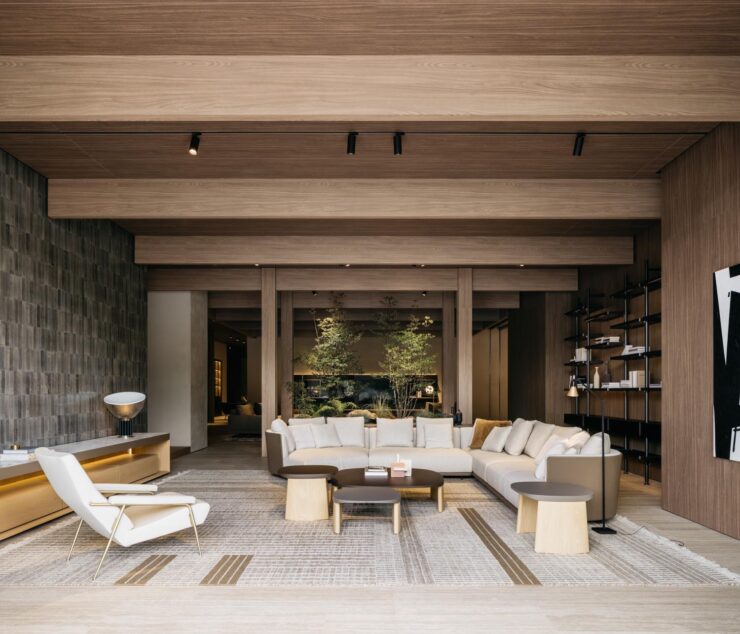
Molteni&C inaugurates its newest Flagship Store in Kunming, demonstrating the brand’s rapid growth in the contemporary design scenario of the Chinese market.
Kunming is the capital city of Yunnan Province in China, known for its pleasant climate with spring-like weather year-round, as well as its rich history, abundant cultural heritage, and diverse natural landscapes. As the most high-end Italian furniture brand in this city, Molteni&C is situated in the exclusive high-end furniture mall, Red Star Macalline, which is currently the only one of its kind in the city. Covering an area of over 900 square meters, it stands as the largest Flagship Store in China and represents the latest and most sought- after Flagship Store.
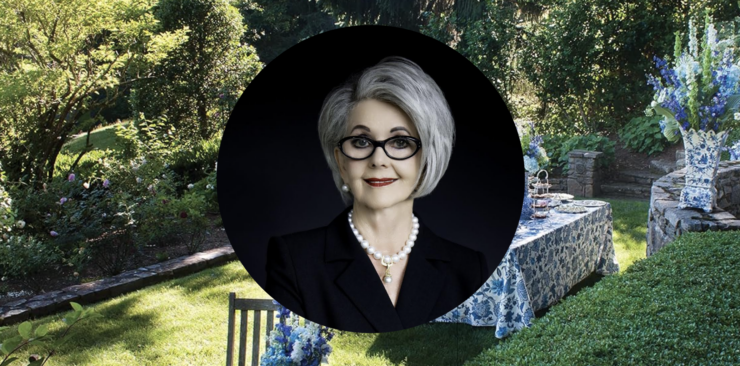
Kathryn Greeley, a distinguished interior designer, author, and renowned speaker, boasts over four decades of expertise in crafting sophisticated living spaces throughout the Southeastern United States. Her illustrious career, based in Waynesville, NC, has seen her transform homes spanning from the serene mountains to the vibrant coastal areas and from rustic countryside retreats to the bustling urban landscapes.
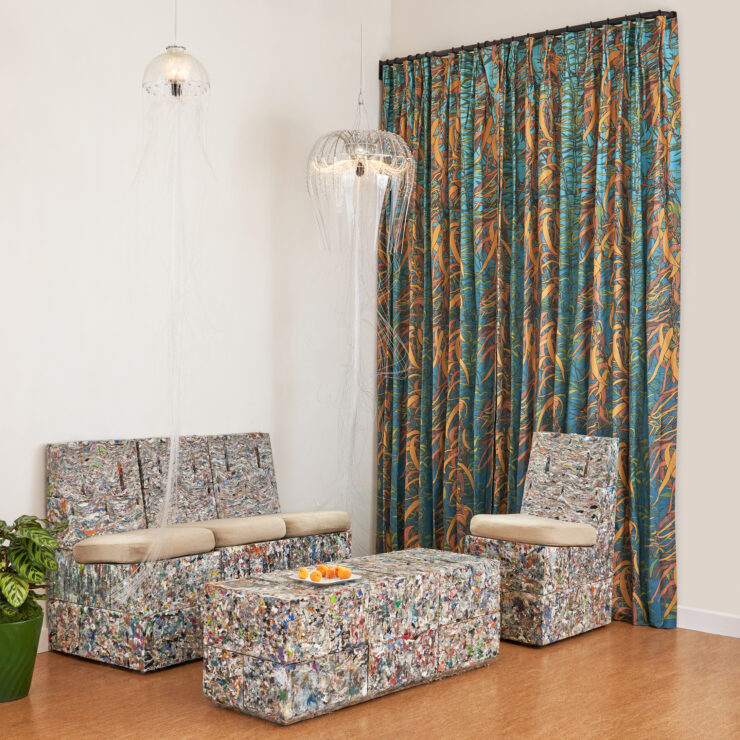
CarbonShack’s interior design products are made locally or within an environmentally-conscious distance (300-400 miles); made by local workers, including individual artisans; and employ manufacturing processes that minimize environmental impacts.
“Bright Seas” will formally debut at WestEdge Design Fair in November, and was previewed at the La Cienega Design Quarter LEGENDS event in Los Angeles, as part of CarbonShack’s window design.
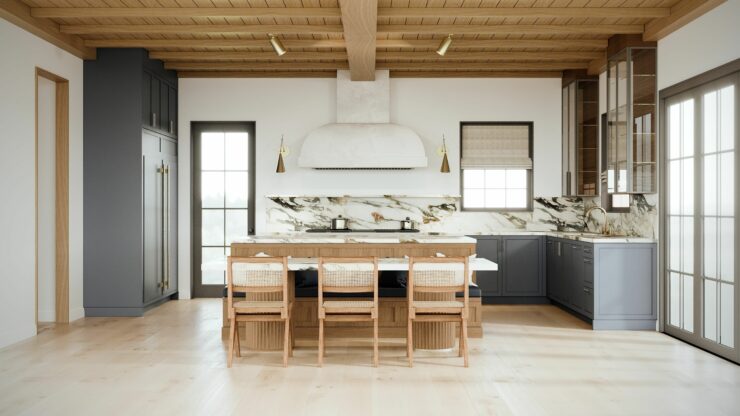
His first foray into home rehabbing involved gutting and re-envisioning a 1920’s residence in Beverly Grove. Once on the market, that home received multiple offers and sold within a week. With his latest real estate investment, 8671 Clifton, Saghian has a bold new concept: His goal is to sell the Beverly Hills home, then stay on as the interior designer, working every step of the way with the new owners to create a truly customized dream home.
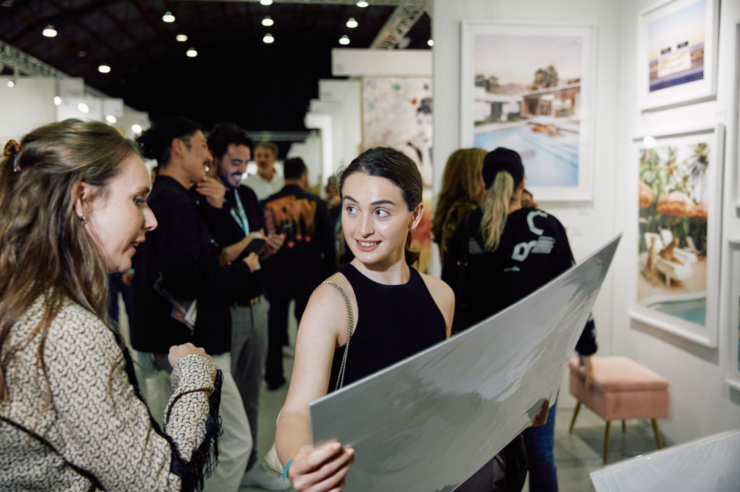
Presented by Saatchi Art, The Other Art Fair returned to Santa Monica for its 10th Los Angeles edition from September 21st to 24th at Barker Hangar. The global art event, dedicated to showcasing emerging talent and unforgettable experiences, will feature 140 independent artists exhibiting thousands of original artworks across various media—including painting, photography, sculpture, drawing, fiber arts, ceramics, and more—priced between $100 and $10,000. Here were DNN’s editorial highlights
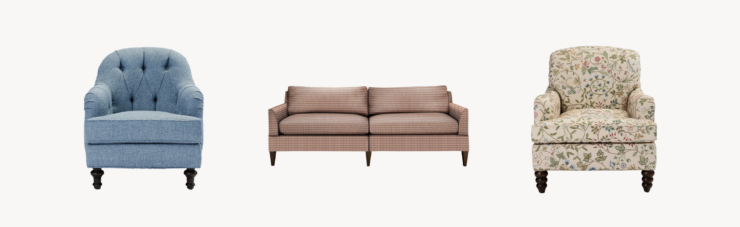
The Sadie chair, for example, is a custom made creation of a smaller scale that is hard to source in retail, but that has found its way in numerous clients’ homes and now, a signature piece in the Heirloom Collection. Click play on the video below to watch DNN Editor in Chief, Courtney Porter, in conversation with Alexandra Kaehler.
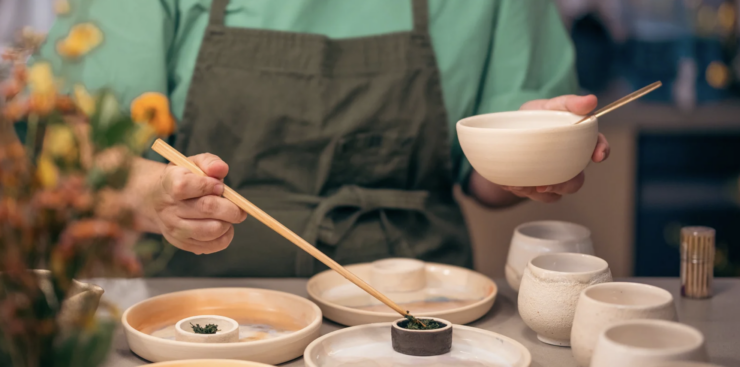
Tomoko Imade Dyen’s tea omakase was detailed and intimate and elegant and while she is not a designer nor a potter, she became a “main character” that night in telling the “story” of OWIU Goods. Without characters helping tell the story and show how to use the products in new and interesting ways, you can limit growth and miss out on reaching potential consumers. Sometimes finding those characters is obvious. In this case, Tomoko is an expert in elevated culinary experiences, helping to market to those who appreciate them too and can use OWIU Goods to enhance their own everyday culinary experiences.

Jessica Bantom, known as, The Design DEIB Consultant, is the industry’s leading figure in the field of Diversity, Equity, Inclusion, and Belonging (DEIB). Her overarching mission revolves around empowering design industry professionals to enhance their cultural competence, enabling them to create in a manner that respects and celebrates humanity. These shifts are also reflected in their bottom lines. Click play on the video below to watch Jessica Bantom in conversation with DNN Editor in Chief Courtney Porter:
[VIDEO[
Jessica Bantom to give keynote at Fall High Point Market 2023
Why has the inclusion of identity in design become increasingly crucial today? How can designers proactively adapt to stay ahead of the cultural and demographic transformations influencing our customer base and the talent available to us?
Discover insights to these inquiries and more at our Keynote Series featuring Jessica Bantom, the author of “Design for Identity: How to Design Authentically for a Diverse World.” This event is presented by the High Point Market Authority in collaboration with the Diversity Advocacy Alliance. Visit here to learn more about the keynote.
About Design for Identity
Design encompasses not just expression, but also serves as a creative act and a vital service. However, despite the profession’s mission to design for everyone, diversity within the field remains startlingly limited. In her upcoming book, Jessica Bantom delves into the profound implications of design in our daily lives, spanning environments, products, imagery, and the fashion industry. Frequently, design concepts rest upon assumptions and stereotypes that fail to resonate with the diverse lives and values of customers. Some company symbols and brands, such as Aunt Jemima, have long ignited controversy, but it’s only recently that a corporate social awakening has taken hold. As our society undergoes demographic shifts and becomes increasingly diverse, varied perspectives are too often disregarded unless compelled by public outcry.
Bantom explores the concept of human-centered design, which delves into the complexities of identity: how people live, their values, and the factors that shape their perspectives and experiences. The foundation of human-centered design lies in direct engagement with customers, identifying their challenges, and collaborating to test ideas and solutions. It is imperative for businesses to embrace this paradigm shift and shed outdated mindsets if they aspire to thrive. Bantom elucidates the six habits of culturally competent designers that can drive this transformation, yielding design solutions that resonate with individuals from diverse backgrounds. She presents a Design for Identity Blueprint that pays homage to humanity, celebrates diversity, fosters equity and inclusion, and ensures that the design profession mirrors the evolving realities of our world. This enlightening book is slated for release in the spring of 2023.
More about Jessica Bantom
Jessica Bantom is a combines the practices of diversity, equity, inclusion, and belonging (DEIB), with interior design consultation. She passionately believes that immediate action can be taken by all to generate positive outcomes for those who have historically faced exclusion. In addition to her role as a leadership coach and consultant, she is dedicated to empowering aspiring allies to take actions that result in meaningful change for historically marginalized communities.
Throughout her distinctive career, Jessica’s consistent theme has been a deep concern for people’s well-being. She approaches her work, whether it involves designing systems, strategies, experiences, or spaces, with a fundamental question: “How will this project or initiative impact everyone involved?” Hailing from Philadelphia and based in Washington, DC, with a global outlook, Jessica’s appreciation for cultural diversity stems from her early education in desegregated schools and diverse public classrooms. Her unique talent lies in making challenging topics approachable and authentic, a skill appreciated by her clients and audiences. Jessica’s aim is to normalize conversations about identity and inspire meaningful actions, both large and small, to benefit historically excluded individuals.
With a background spanning marketing, IT and management consulting, and startup leadership, Jessica is a versatile and business-oriented creative. Boasting more than two decades of consulting experience, she has worked with prestigious institutions such as renowned universities, global professional associations, and government agencies. Jessica’s educational journey includes graduating from the University of Virginia and Marymount University and earning a Master’s in interior design, alongside a collection of certifications in DEI, change management, design thinking, coaching, and facilitation.
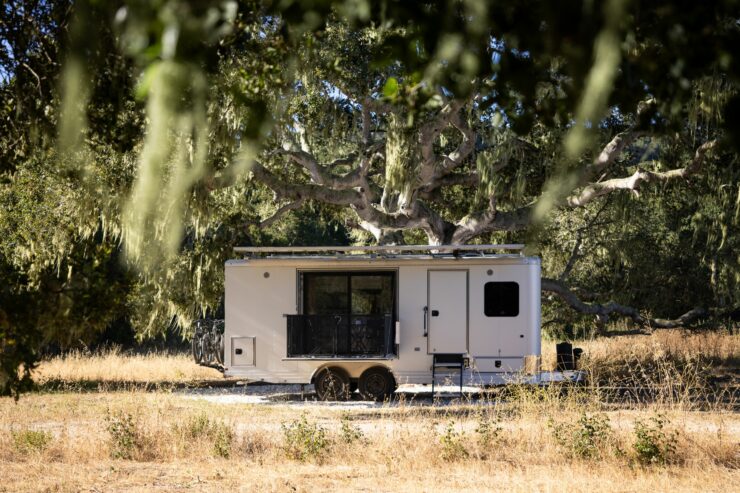
At its core, Living Vehicle seeks to recreate the comforts of home within a mobile milieu. The interior of LV serves as a testament to the utilization of natural and robust materials, akin to an empty canvas for personal expression. Each LV is an individual masterpiece, meticulously tailored to the unique preferences and lifestyle of its owner. The Luxury Finishes package elevates this experience with premium materials, including exquisite black walnut wood treatments, luminous white surfaces that invite natural light, abundant windows that seamlessly connect the interior with the outdoors, and the extensive use of mill finish aluminum, an eco-conscious choice.