
Humanism in architecture: The nature of John Lautner


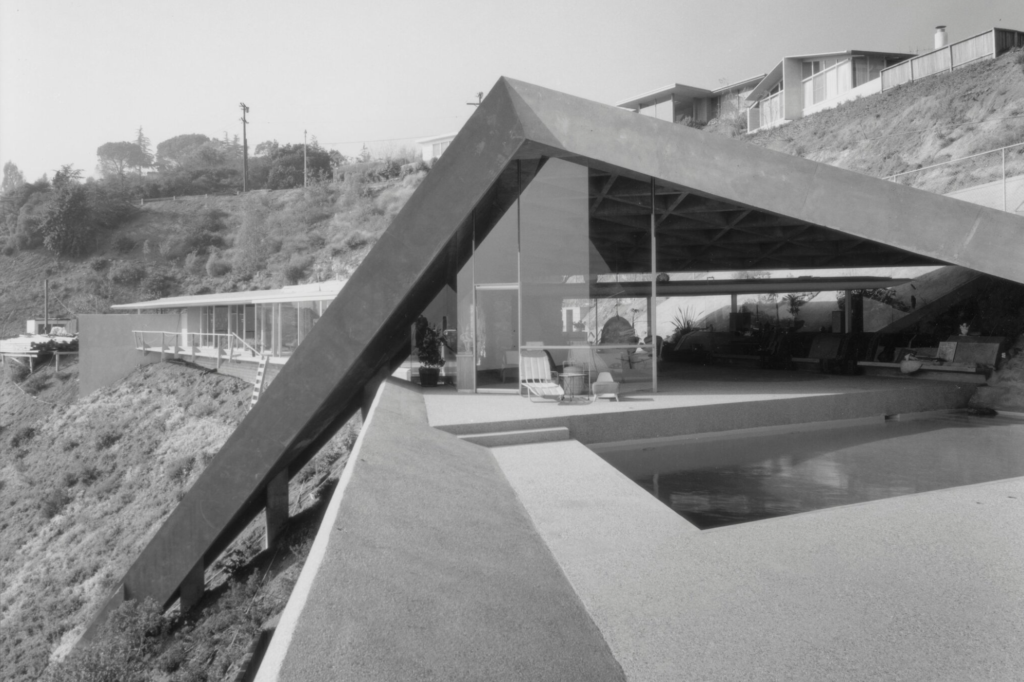
Beyond the harsh sun and sands of Los Angeles’s beaches, the mountains loom and the canyons beckon. This vast, sublime landscape informs the structure that is the Polin House by American architect John Lautner. High in the Hollywood Hills, just off Mulholland Drive, sits this relatively modest in size residence. Coming upon this home is an experience to be had. The home, built in 1947, emerges from the ground, presenting a horizontal hexagonal steel frame supported by three tapered steel trusses, complete with glass walls and glistening concrete floors, obscured only by their reflective nature.
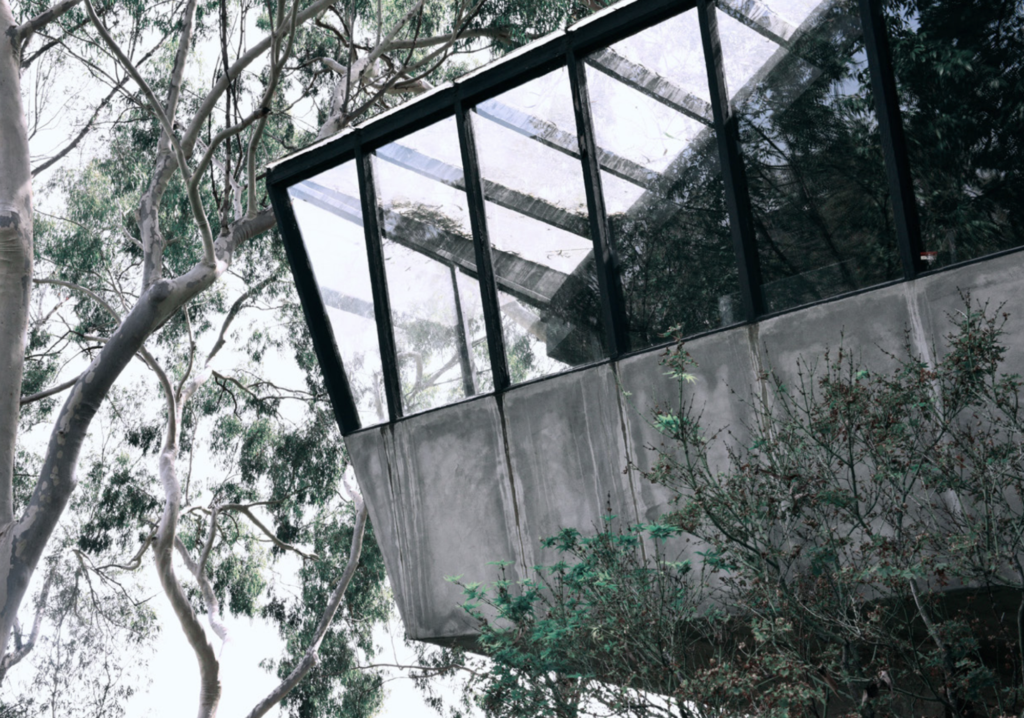
John Lautner (1911-1994) is easily considered the top authority in the development of Southern California style. As an apprentice of Frank Lloyd Wright, Lautner was heavily influenced by his distinctive application of the principles of Organic Architecture and took these concepts to even greater heights. Lautner’s dwellings are firmly rooted in the idea of integration within the landscape and creating an organic flow between indoor and outdoor spaces. Many of Wright’s philosophies of architecture are embodied in Lautner’s approach, most importantly, the notion of a building as a “total concept,” that all of the details of construction make up the final idea, and that to begin a project before all the details are clear is, in essence, not creating true architecture.
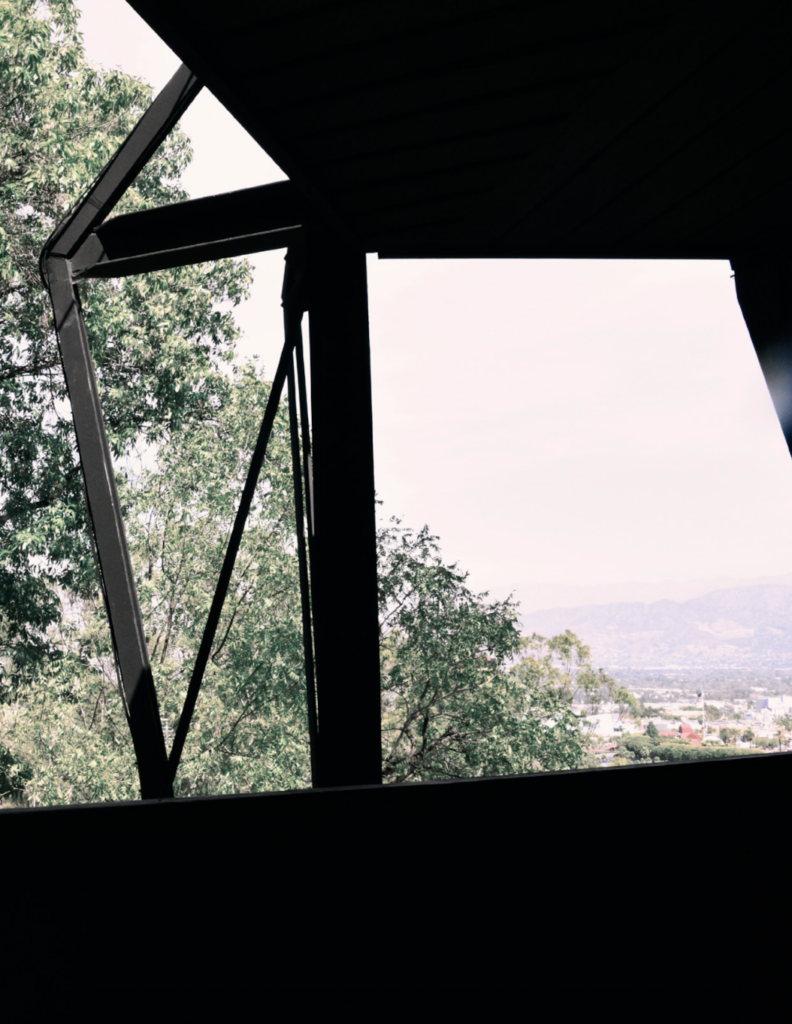
One would only have an assembly of parts and not a whole. This “total concept” can best be illustrated in the construction of Lautner’s iconic Chemosphere. Out of the troublesome proposed location of a hillside, the design of the Chemosphere was born. The entire octagonal home rests on steel spikes bolted onto a massive 50-foot concrete pillar buried in the rough incline. Trek up a steep driveway with an installed funicular and then a gangway to gain access to the entrance. The encounters of the residents and outside voyeurs of the home were as considered as the landscape in which the dwelling was to be located–peer out the large windowed facade onto a spectacular 360° view of the San Fernando Valley, and for spectators of the Chemosphere, a view of a flying saucer hovering in harmony with the land.
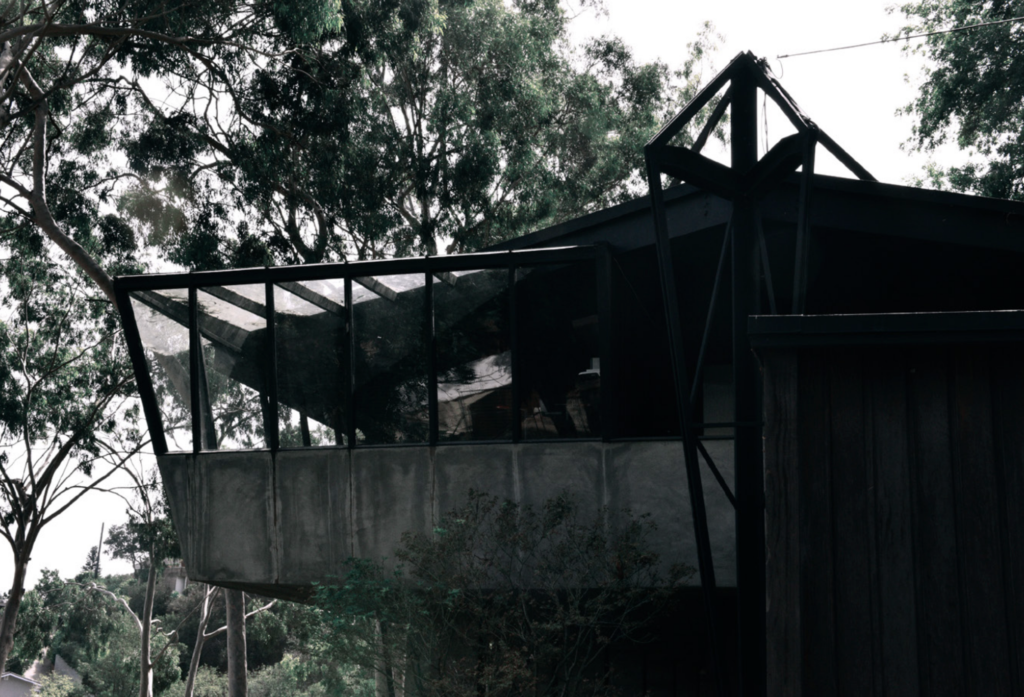
The vocabulary of the exterior of a John Lautner home is fixed–non-linear, shaped concrete forms, open floor plans and multi-level layouts, unobstructed panoramic expanses of plate glass – but let us consider the interior. Step in and ponder whether its qualities are intrinsic or are the experience relative to the inhabitant? To personally experience a home designed by Lautner is no easy task. These privately owned residences are just that. We can, however, experience the homes vicariously through star appearances in film and media. The Schaffer Residence (1949) is more than just a setting in the Tom Ford-directed A Single Man (2009).
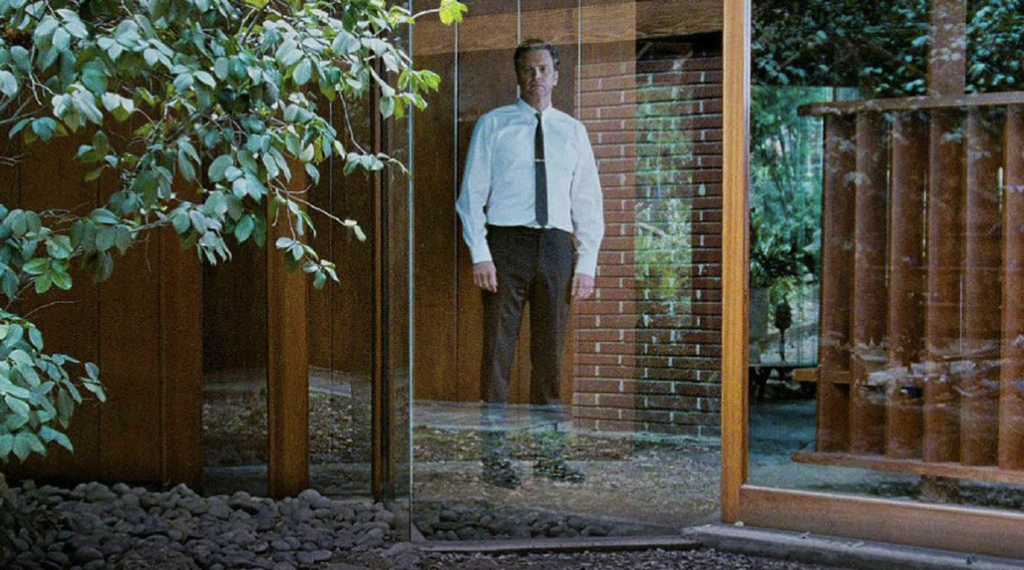
Behold the stunning redwood beauty as it co-stars as a place of respite for the title character, George Falconer, played by Colin Firth, to grieve his long-time partner. Less Than Zero (1987), Bret Easton Ellis’s novel adapted for the screen, tells the tale of Clay, a freshman returning home from college for Christmas break. A dehumanizing tale of lost souls and an attempt at redemption set in Los Angeles in the 1980s. Clay’s childhood home, Lautner’s curvilinear Silvertop (1957-1976), offers a safe haven from external evils. Here, Clay surrenders to his inner demons and checks out and into a drug-induced haze.
In the less heady, yet still centered on the theme of loneness, music video Let’s Get Blown (2005) by Snoop Dogg featuring Pharrell is a five-minute musical study of a man down to party with no willingness for anything more than a casual connection. The scene unfolds in the opulent Sheats-Goldstein House (1967), with its lack of visual boundaries (in contrast to the singer’s fortified emotional barrier) and swinging décor, the perfect bachelor pad. “Looking at the ladies/All of them fly/I don’t know which one I want dog/I can’t make up my mind.”
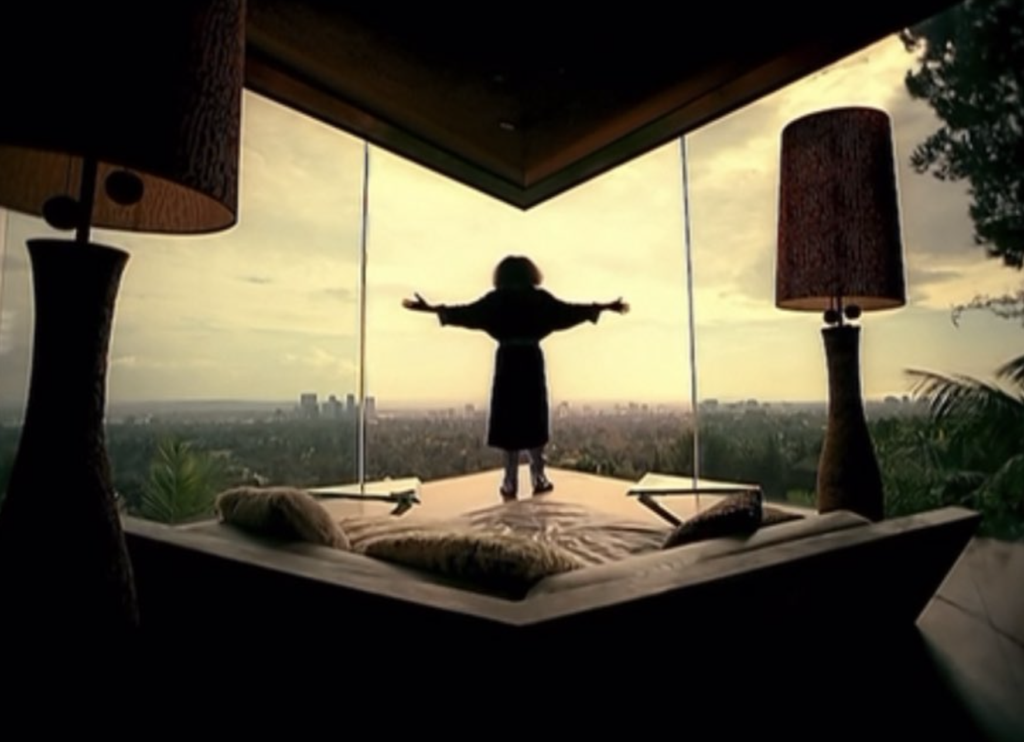
All of these fictional occupants seek escape from society, but what Lautner affords them is the ability to commune with nature. The human desire to withdraw and make space in our physical and psychological realms is undisputed. John Lautner’s architecture invites and urges us to reconsider our place in the universal landscape.