

Spaces: Entryways and Mudrooms

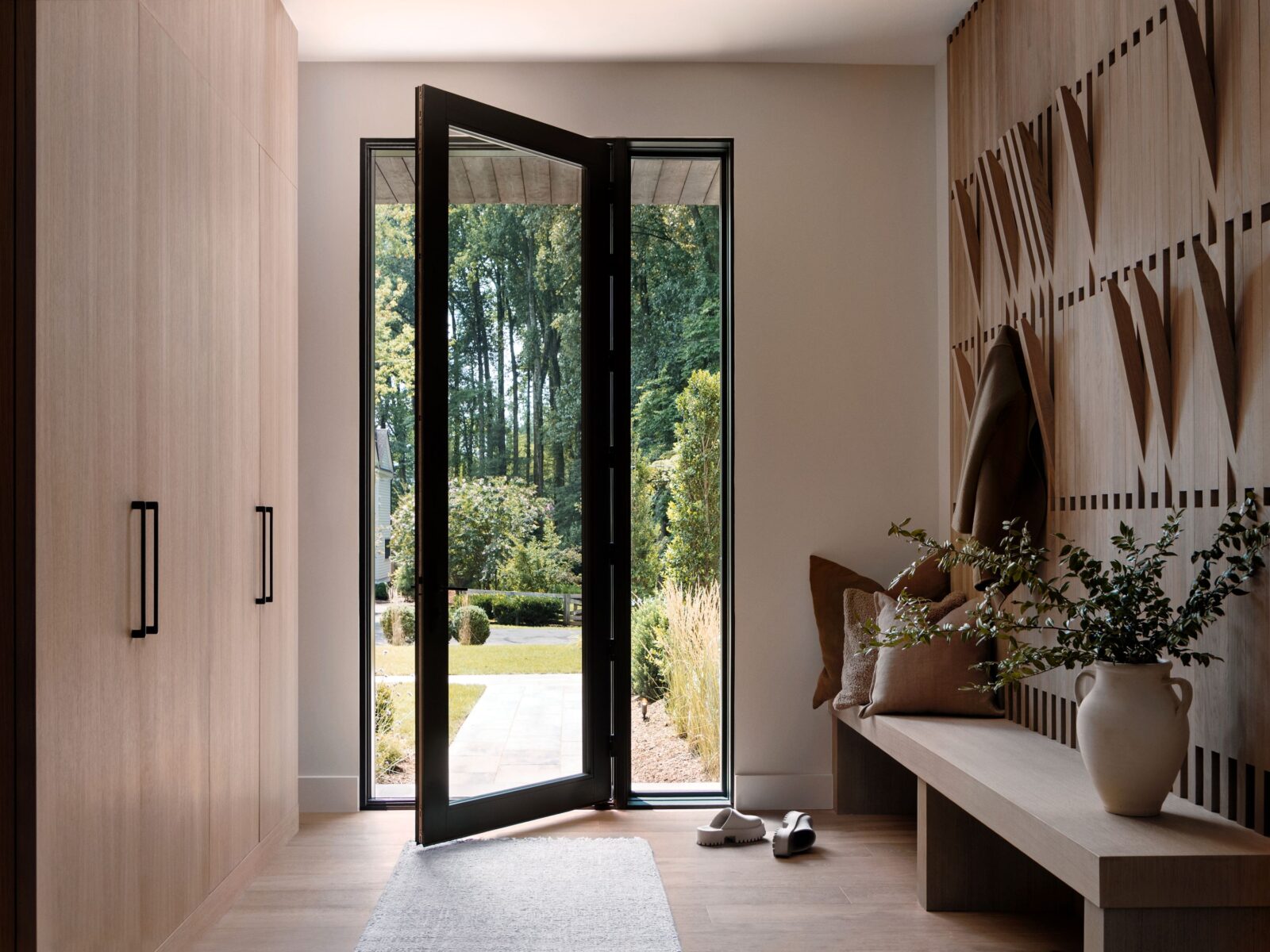
Designers rethink these high-traffic spaces, balancing first impressions with everyday function
By Julie A. Palm
When homeowners think about spaces to redesign, they tend to focus on the large rooms of their homes. Exclusive Consumer Insights Now research conducted earlier this year found 62% of high-income consumers who plan to use an interior designer for an upcoming project will redesign their living room. Other key living spaces follow: family room/den and primary bedroom (both at 39%), kitchen (32%) and dining room (29%).
But what are the spaces that first greet a home’s residents and guests every single day? Entries and mudrooms. And they deserve love.
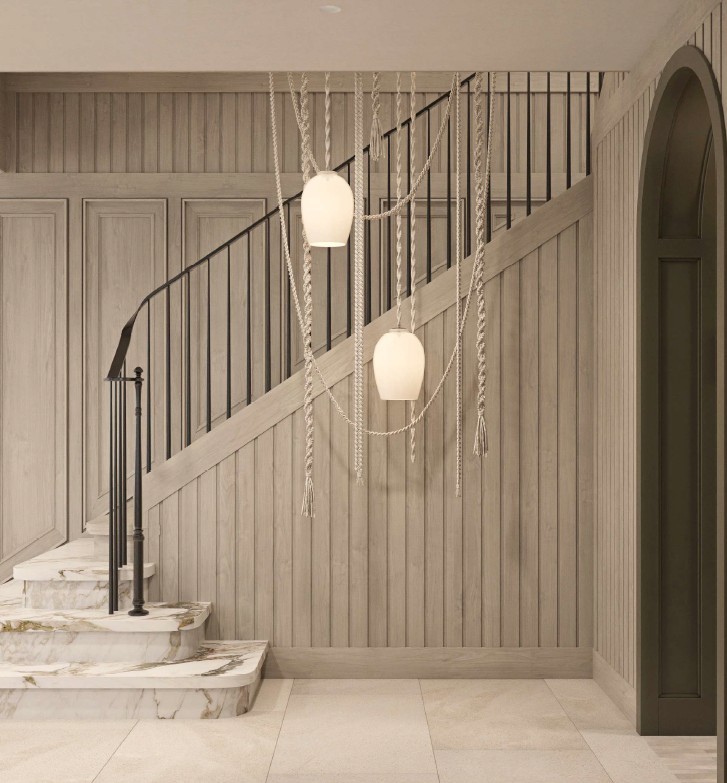
“If these spaces are done well, you don’t really notice the function: You just notice how effortless and helpful life is in general. They’re designed differently because there is so much intention behind them. … Everything has to be very, very intentional because they are such important spaces,” says Kristen Wolff, principal of interior design at Brandon Architects, an architecture and design firm based in Costa Mesa, California.
There’s tension in entryway and mudroom design between the sublime and the practical.
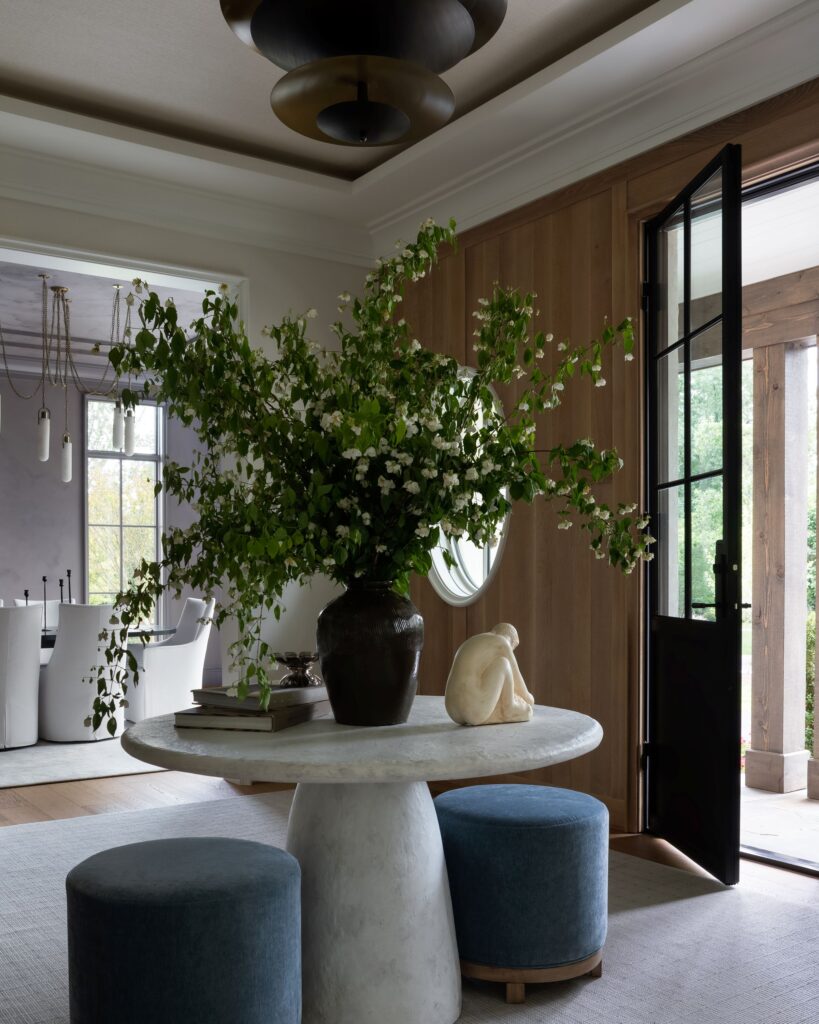
“Entryways and mudrooms are some of the most used, most visible and often most heavily worn areas in a home. While we want them to be beautiful and create a strong first impression, we place a strong emphasis on selecting materials that can withstand daily use,” says Kristin Harrison, founder, principal designer and creative director of Georgia & Hunt Design House, a full-service design firm based in McLean, Virginia, that specializes in new builds and full-home renovations.
I talked to them about some of the challenges and opportunities of entryway and mudroom design and their clients’ priorities for those spaces. We also chatted about some of their favorite vendors for these spaces — and I’ve noted some High Point Market introductions perfect for them, too.
Making a first impression
“Entryways set the tone for the entire home and create that important first impression. They offer a great opportunity to introduce special materials, unique wall treatments and a sense of character right from the start,” Harrison says.
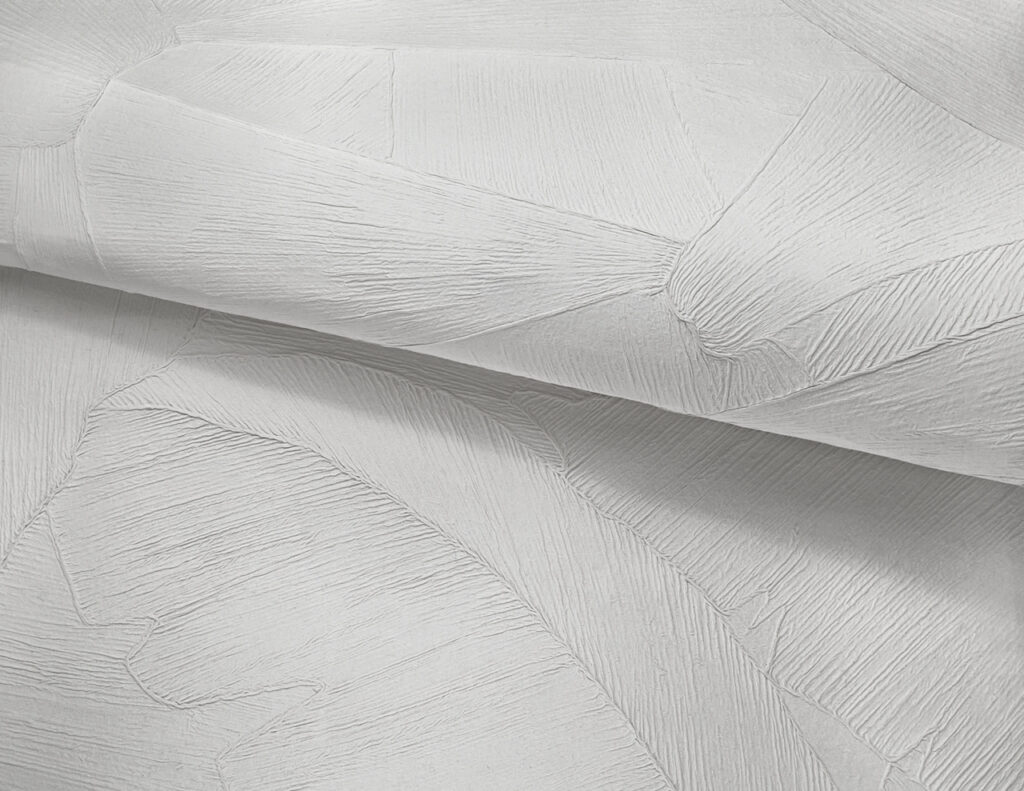
In entryways, Harrison’s firm likes to use textured wallcoverings from Phillip Jeffries, “especially for clients who want something elevated without committing to a bold pattern.”
Wolff says entryways are “exciting spaces” because they set the tone for what people can expect throughout the house. And the design often starts with tying the entryway in some way to the home’s exterior. “It’s a good opportunity to showcase some sort of stone or material that’s a little bit different,” Wolff says.
But, Wolff adds, when designing entryways, a measure of restraint is important.
“You don’t want to overdesign an entryway,” she says. “… You want to make that first impression about what the house is going to look like and what it’s going to feel like and so sometimes you have to reel yourself back: It has to feel seamless and clean and calming.”
“You can introduce a strong opinion or gesture,” Wolff notes, but you also want to create a “thoughtful, cohesive, revolved” identity.
If an entryway is going to be a regular entry point for homeowners, it also needs to be a drop zone for everything from coats and keys to packages.
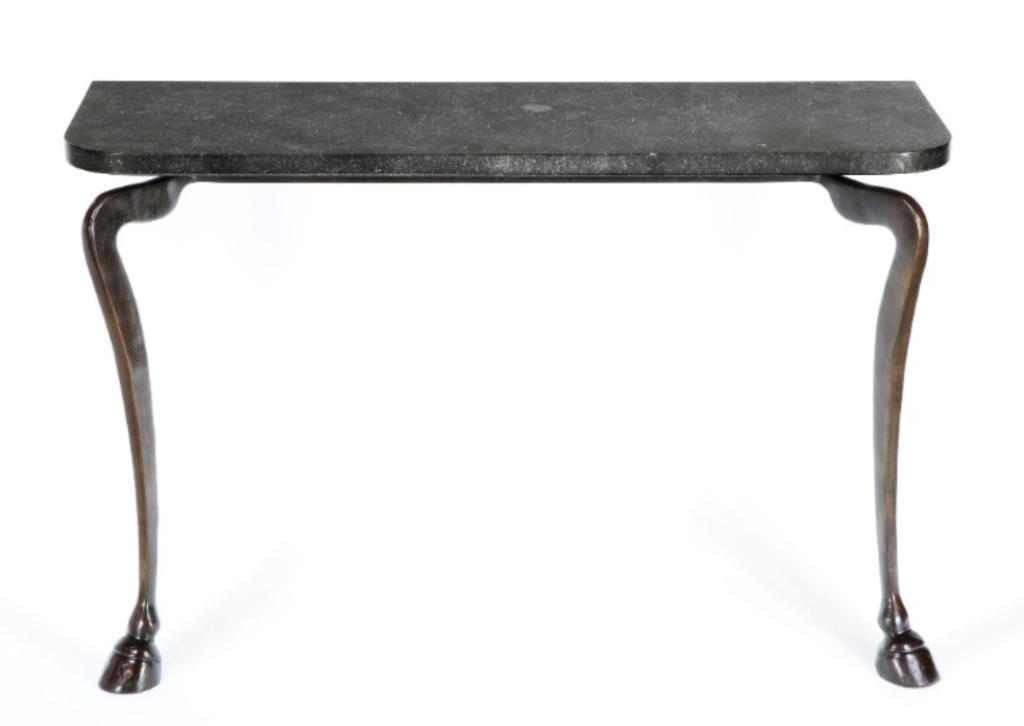
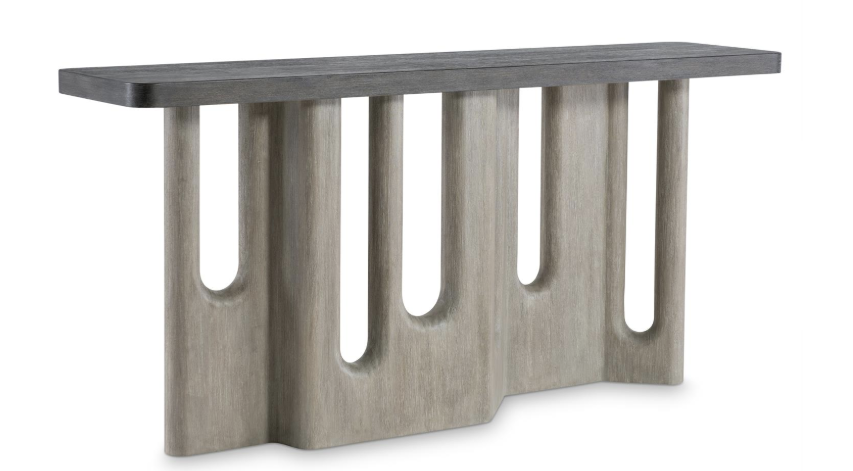
At the spring High Point Market, Bernhardt introduced several console tables that could define an entryway, including the Malko, with a serpentine base that adds curves and lightness to a space, and the Brutalist-inspired, sculptural Argos console clad in German silver with an aged brass finish. Several new Bernhardt buffets could move easily into an entryway, including the blocky Konstance, with textured aluminum contrasting against the warm wood case, and the curved Lucerne buffet with a plinth base and wraparound reeding in a wire-brushed oak.
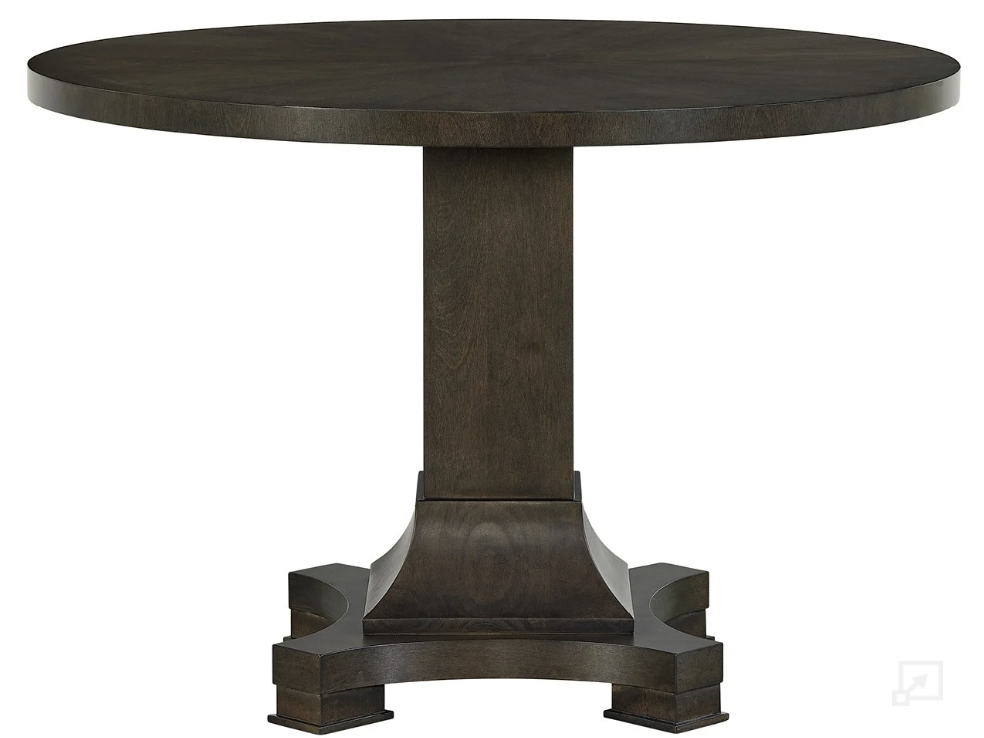
Universal Furniture also had High Point introductions ideal for entryway, including the 44-inch round Fenwick pedestal table with Empire-informed feet at the base of the pedestal.
For consoles and other entryway-appropriate tables and cabinets, Wolff says she favors Holly Hunt “if we’re doing something modern,” Gregorious Pineo “if we’re doing something a little more traditional,” or for “more transitional,” A. Rudin or Rose Uniacke.
“But I wouldn’t necessarily say vendor is the most important. It’s more about the space and being collaborative with the architecture,” Wolff says.
Sometimes an entry calls for seating, like Universal’s oval-shaped new Velora bench, which features a contrasting concave oak base with a convex upholstered seat in creamy velvet.
Harrison notes that entryways benefit as much from concealed storage as mudrooms do.
“Many homeowners need a functional drop zone but don’t always realize what it takes to properly conceal and organize those elements. It’s often not as simple as selecting the right piece of furniture,” she says. “We carefully assess what needs to be stored and how much space is required, then determine whether that means incorporating hidden panels, adding custom millwork or even reworking the footprint to better support how the homeowner lives day to day.”
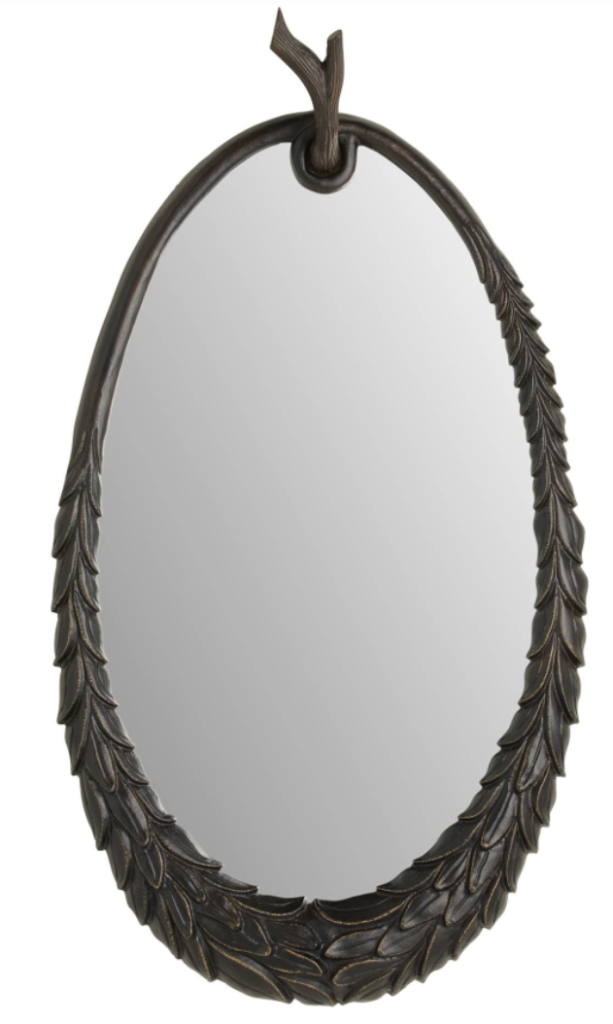
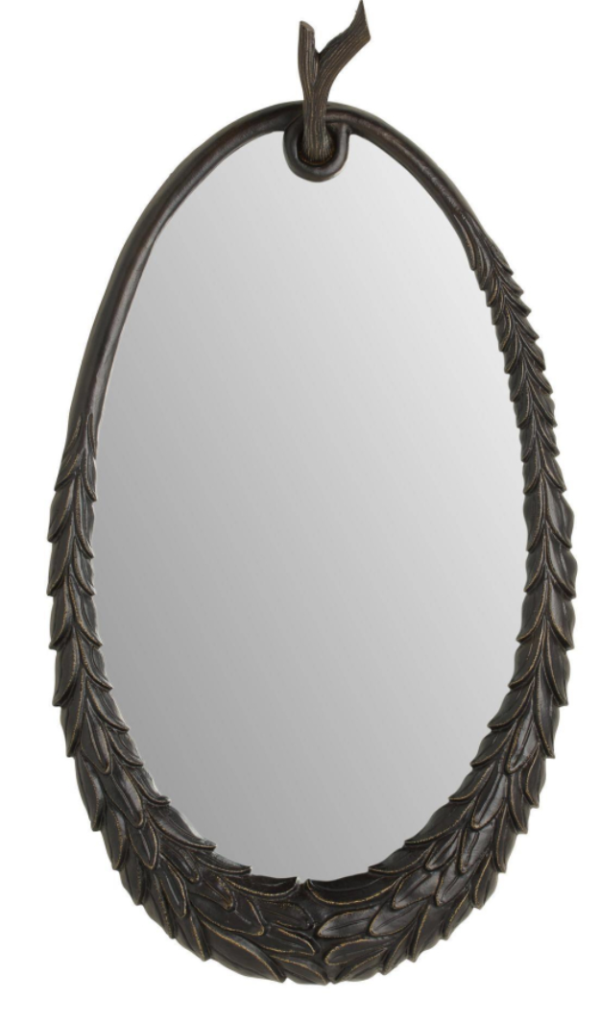
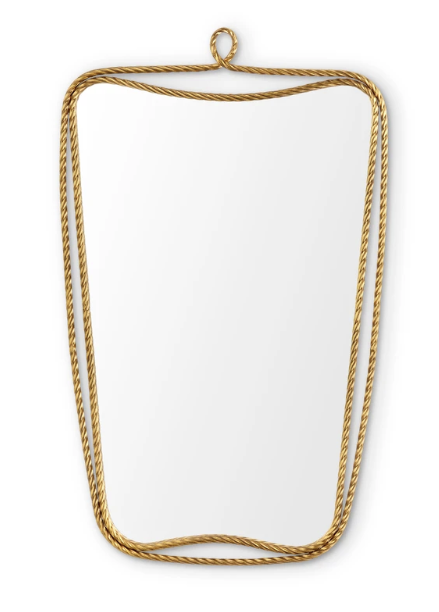
Wolff also likes to add mirrors to entryways, as they reflect light and serve a practical purpose: “It’s just nice when you’re coming in or going out to be able to check yourself in a mirror,” she says. Wolff notes that mirrors work well in mudrooms, too, although the scale may smaller.
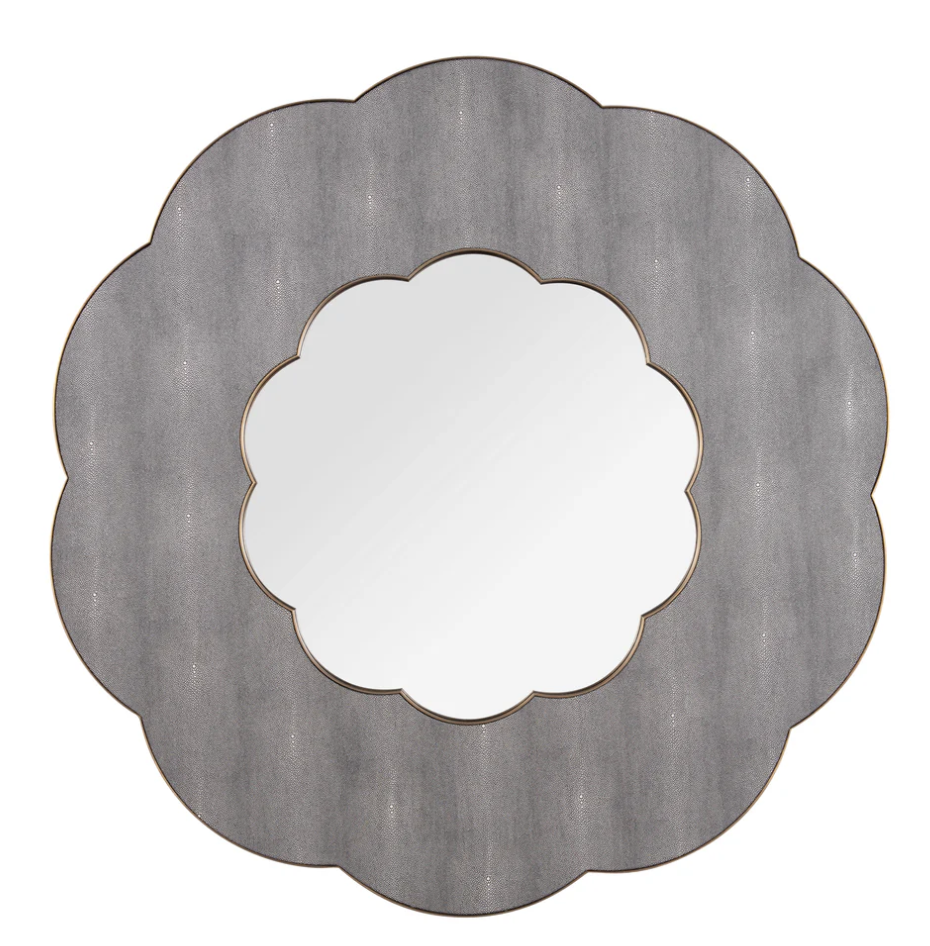
Designer Tamara Day showcased a line of entryway-appropriate mirrors with Varaluz in High Point, including the Scallop mirror with a gray shagreen frame and weathered brass details available in 36-inch and 54-inch sizes. Her new Farra mirror in square and rectangular orientations is framed in poplar burl with weathered brass.
Elevating mudrooms
Mudrooms can be challenging: As the frequent entry and exit point for homeowners, including kids and pets, mudrooms need — first and foremost — to be practical, with lots of storage for coats, sports equipment and other household items.
One new cabinet source for spring High Point marketgoers was Guild Cabinetry, founded by interior designer Mary Caroline Mumpower with a goal of giving designers access to elevated design and direct access to premium, American-made cabinetry.
When it comes to all-important mudroom storage, Harrison says, “many clients want built-in cabinetry in their mudrooms, but the available space doesn’t always allow for the layouts they see online. It’s about finding realistic solutions that still meet their needs.”
Today, clients often want other amenities too: charging stations for devices and pet care areas, including food and water bowls integrated into cabinetry, dog gates tucked into walls and hidden dog doors. One client asked Wolff for a discrete area dedicated to storing and processing Amazon and other packages.
And these spaces must be durable.
“Functionality and durability are key. A successful mudroom provides a designated place for everything the homeowner needs to store on a daily basis, while also standing up to heavy use over time,” Harrison says.
Mudrooms, Wolff adds, “carry a lot of responsibility.”
While clients will often be more hands-off when it comes to entryway design, they generally have stronger opinions about what they need in a mudroom, Wolff says.
“That’s where real life is happening so you want to squeeze in as much as you can,” she says. “… Every inch counts in a mudroom.”
When it comes to the floor, “hardwood flooring may not be the best choice for a mudroom if the homeowner has young children, pets or needs to store heavy equipment,” Harrison says. “In those cases, we opt for more durable, scratch-resistant and moisture-friendly materials.” Her firm likes to source flooring from Exquisite Surfaces, “which offers beautiful and highly durable options that work well in high-traffic areas,” Harrison says.
For durable, high-performance mudroom fabrics, Wolff likes Perennials and Link.
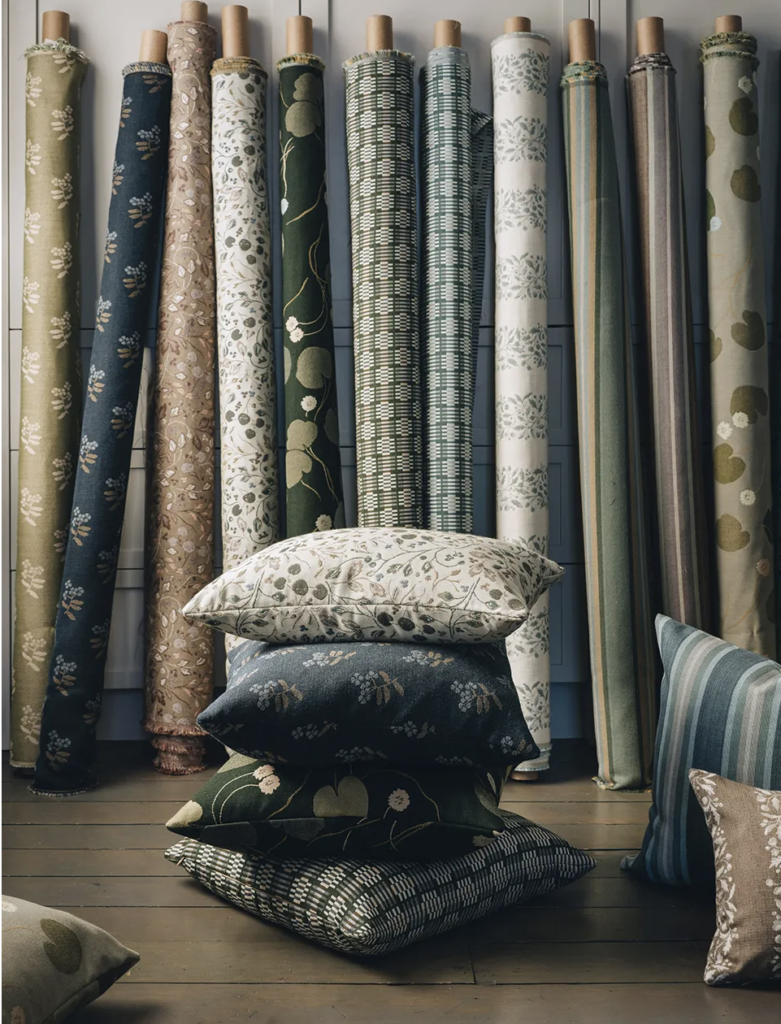
Sunbrella launched an extension of its partnership with watercolor artist Kelly Ventura in High Point. The assortment combines her painterly artistry with the brand’s durable fabrics in 14 SKUs, including a subtle stripe with soft, irregular lines; blossoms and botanical stems; and a geometric repeat with curves and subtle texture.
Despite their utilitarian nature, mudrooms offer an opportunity “to do something a bit different from the rest of the home,” Harrison says. “Because they often function as a standalone space, there’s more flexibility to introduce unique materials, colors or design moments.”
And while Wolff says mudrooms generally don’t lend themselves to “high design,” “they’re really fun because it’s so incredibly specific to the client and you’re able to tailor every inch of the space to how the family actually lives.”
In recent projects, Wolff has created more “dark and moody mudrooms” with deeper paint colors and interesting floor tiles. “It gives you a different feel before you walk into the rest of the house,” she says.