



The Primary Suite Wants It All

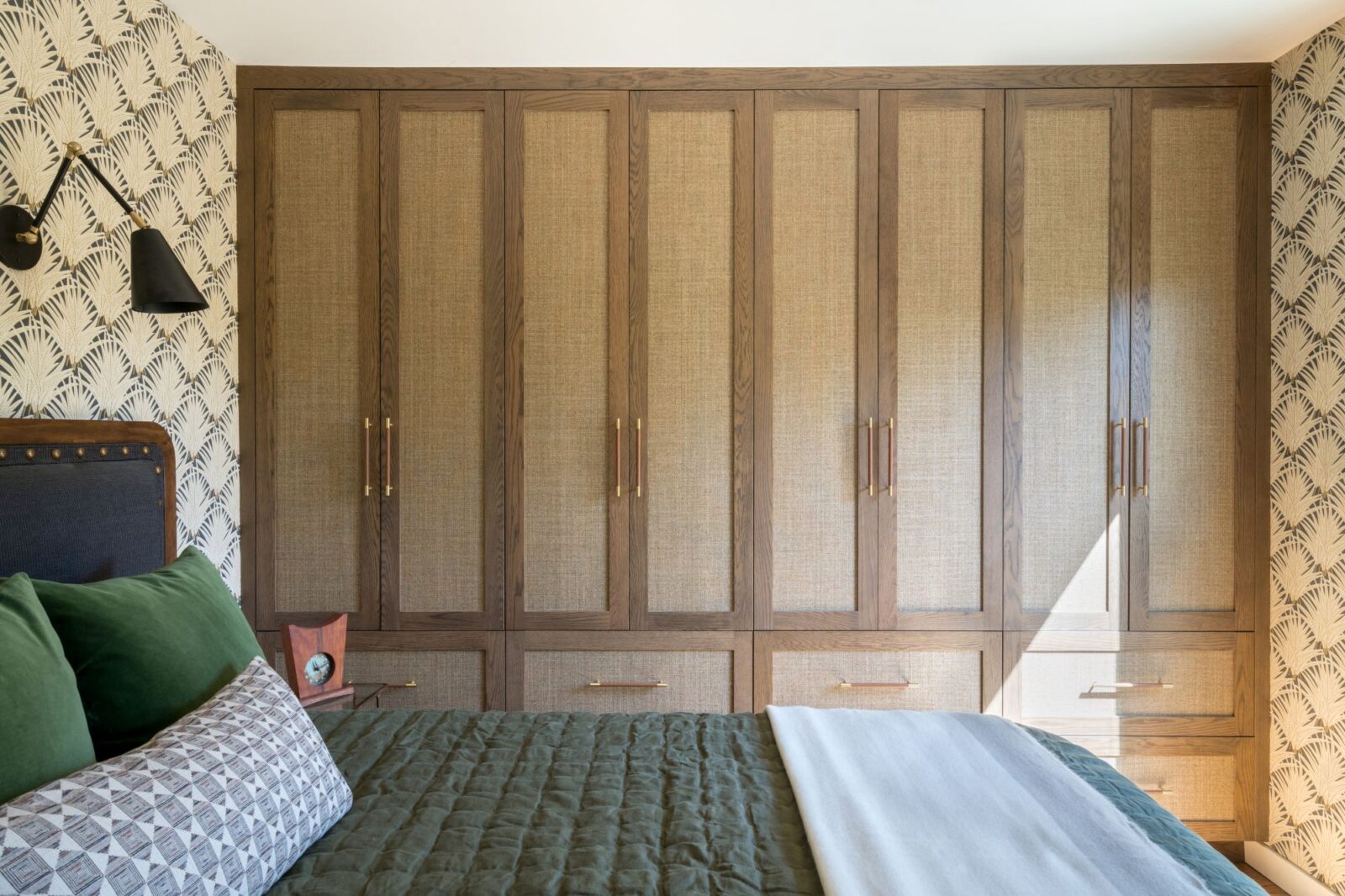
Today’s bedroom is part sanctuary, part spa and increasingly a home unto itself. Designers reveal how they’re making room for wellness, technology, indulgence—and better sleep.
For the best night’s sleep, sleep experts say people should limit activities in their bedrooms to sleep and intimacy. Doing other things can confuse the body and make it harder to fall and stay asleep.
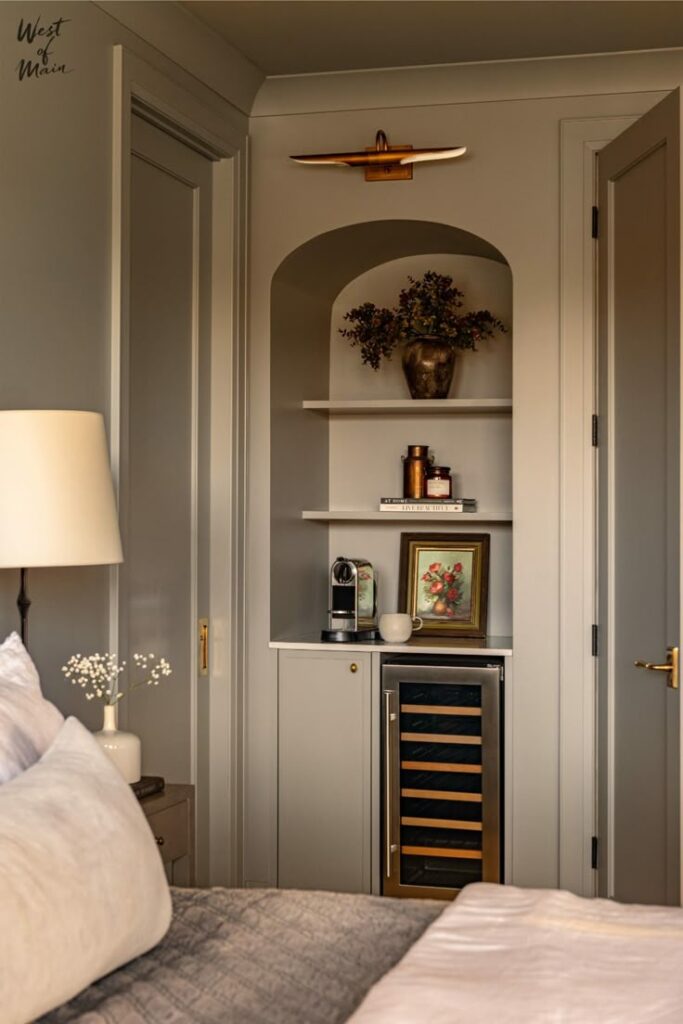
Interior designers say their clients do, indeed, need spaces for rest and connection, but they also want primary bedroom suites that are multifunctional sanctuaries replete with spa and exercise features, extravagant closets, beverage bars and other amenities. The challenge is to design bedrooms that balance all those needs.
“My clients are asking for a moment of respite in their hectic, demanding daily lives. More and more, they’re recognizing the impact of sleep on overall health and looking to us to provide the ideal conditions to support that goal. That said, bedrooms have become about more than just sleep — they’re places to recharge and escape. Dedicated glam spaces, exercise zones, seating areas and even work environments have all become the norm for our luxury clientele,” says Dwayne Bergmann, founder of Dwayne Bergmann Interiors, with offices in Naples and Fort Myers, Florida. He is also co-founder, along with designer Kyle B. Barrett, of the Barrett Bergmann Home accessories brand, which offers an extensive bedding collection.
Jennifer Farrell describes her clients are treating their primary bedrooms as a “micro-home.”
“Clients want all the amenities in the rest of their house to also be included in their primary suite: home gym or yoga space; spa bath suite with bonus amenities like steam room or salon station or massage room; private laundry center; wine bar and coffee center with lounge-like seating; and closets that are dazzling jewel box spaces. People used to hide their closets — now they tend to be the favorite spot to show guests,” says the TV design show host and founder of Los Angeles-based Jennifer Farrell Designs.
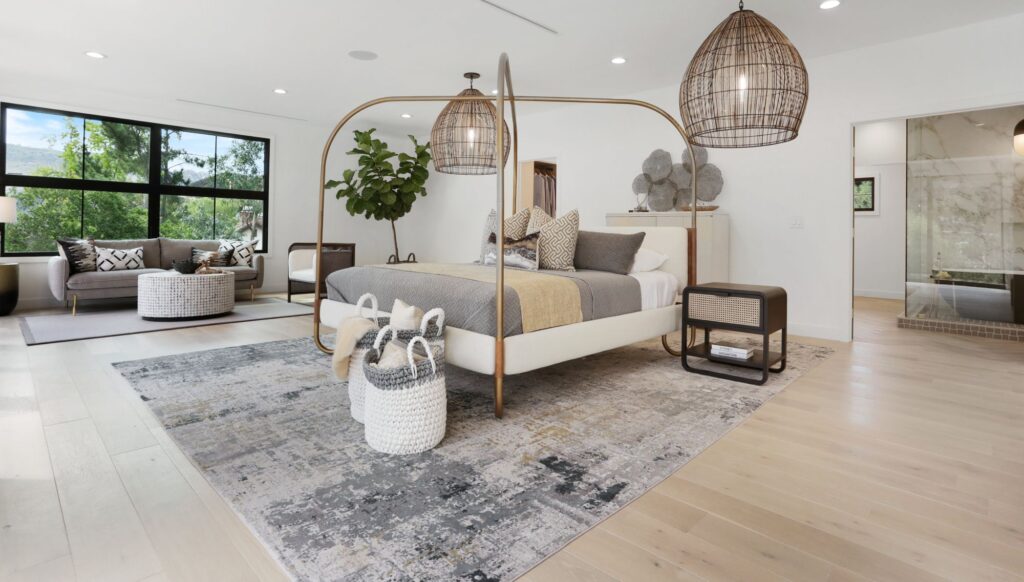
A lavish primary suite that Farrell designed at Calibu Vineyard in Calabasas, California, exemplifies her approach to creating a multifunctional bedroom.
“It’s in the Malibu Hills, so the suite had spectacular views through floor-to-ceiling windows, which made for a stunning canvas. But the suite was 1,200 square feet, which presented the challenge of how to make a cavernous room feel intimate,” she says. “So, we added a partial wall to create a lounge and wine bar, then an additional seating nook in the bedroom area. A wet room in the middle of a spa-like bath suite, a bespoke walk-in closet plus separate dressing room, a fitness center — it definitely had all the amenities, but the part that made me happiest was how intimate and cozy and personalized the spaces felt.”
Homeowners’ experiences at luxury hotels also help to shape their desires for the bedrooms, according to Barrett, who, in addition to being an interior designer, is also a florist and, interestingly, cattle rancher.
“Clients are increasingly interested in creating a true hotel-like experience at home, incorporating luxurious conveniences,” he says.
Turning to tech
Life-enhancing technologies — often seen in high-end hotel rooms and incorporated into other areas of the home — are making their way into the bedroom
“Although we’ve moved away from TVs in the bedroom over recent years, the ability to control your environment with a tap feels like the ultimate convenience in our smartphone-centric world,” Bergmann says.
Barrett adds: “Technology is … becoming more integrated, but the goal is for it to feel seamless rather than obvious while contributing to the comfortability — good lighting controls, hidden charging, integrated speakers, automated shades and temperature control.”
Nina Lichtenstein, founder and principal home designer at Custom Home Design by Nina Lichtenstein, a firm based in Thornwood, New York, says her clients, too, are interested in adding technological features to their bedrooms but she’s careful about its use.
“Technology is becoming more integrated as well, particularly motorized window treatments, programmable lighting, temperature controls and discreet charging. What interests me is using technology to make the bedroom more supportive without allowing the technology itself to dominate the environment,” she Lichtenstein says. “Being able to gradually lower light levels in the evening, control blackout shades from bed or wake to increasing natural or artificial light can contribute to both comfort and the body’s natural rhythms.”
Waking up to wellness
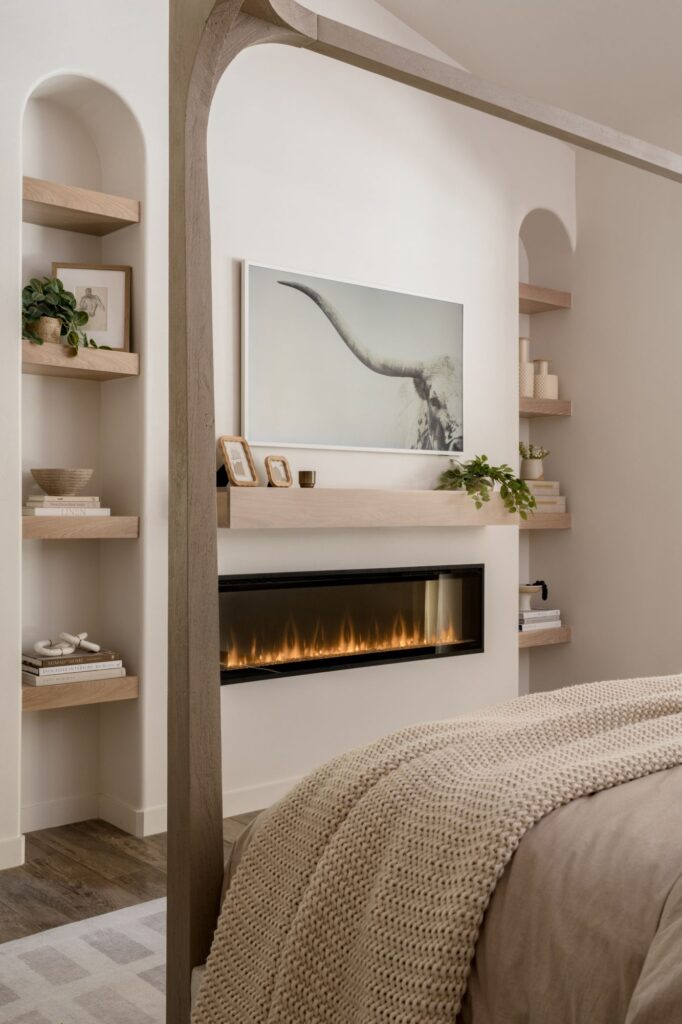
As Lichtenstein notes, all that tech, while it may seem counterintuitive as we strive to get away from our screens at bedtime, can enhance the wellness features of a bedroom. And wellness features are increasingly important to clients.
People, Barrett says, are “thinking more carefully about sleep quality, air quality, acoustics, blackout capabilities and creating an environment that genuinely helps them rest.”
And that focus on wellness extends into other areas of bedroom design.
“There’s been a deeper understanding in recent years that putting toxic chemicals in a space where you spend a third of your life is ridiculous and completely unnecessary with the vast array of responsible products available on the market,” Farrell says. “Clients don’t just want a space that looks beautiful; they want a space that supports their overall health and well-being. So, today’s client is asking questions that few were really asking a decade ago: What is this made of? Who made it? How and where is it made? What’s the story behind the product?”
Lichtenstein, who has a deep interest in the ability of biophilic and neuroaesthetics design to promote well-being, points to her own bedroom as an example of a wellness retreat: walls are painted a light, nature-inspired green; plants and natural wood furniture fill the space. The sleigh bed provides a sense of prospect and refuge, a key principle of neuroaesthetics.
“The lighting continues that connection to nature in a more abstract way,” she says. “The ceiling fixture, with glass orbs extending outward from a central point, evokes the solar system and its orbiting planets, while individual glass-orb pendants hang beside the bed. I love that the fixtures reference the natural world on a much larger scale, looking beyond the landscape to the sky and cosmos. They also create interesting patterns of light and shadow across the ceiling and surrounding surfaces, adding another layer to the sensory experience of the room.”
And, Lichtenstein says, “sliding glass doors lead to a roof-covered balcony with a mahogany ceiling overlooking our backyard, creating a direct connection to nature, daylight, weather and the changing seasons.”
Twice the space
In the early days of television, censors wouldn’t allow married couples to be shown sleeping in the same bed — too risqué. Today, some couples are choosing separate bedrooms — it’s not scandalous, it’s simply a need for a good night’s sleep. And it gives designers the opportunity to address the unique aesthetic preferences of each person.
“The idea of separate bedrooms used to be viewed almost exclusively through the lens of a relationship, whereas today I think people are much more willing to recognize that good sleep is an important part of overall health and quality of life,” Barrett says. “The biggest opportunity is creating an environment tailored to each person’s individual needs — one may want a very dark, quiet, cool room, while the other prefers more light, television, reading or a different sleep schedule. The challenge is making sure the spaces still feel connected, which can be accomplished through shared spaces like a beautiful sitting room, dressing area or bathroom. Ultimately, good design is about supporting how people actually live rather than forcing them into a particular idea of what a bedroom — or a relationship — should look like.
Lichenstein agrees: “I think the conversation around separate primary bedrooms is interesting because it reflects a larger shift toward designing around how people actually live rather than how we assume they should live,” she says. “Sleep is fundamental to health and well-being. If partners have dramatically different schedules, sleep preferences, temperature needs, snoring, movement during sleep or other circumstances that continually disrupt rest, design can help accommodate those differences. Separate sleeping spaces don’t necessarily have to mean creating completely separate lives within a home, either. There can still be shared spaces and strong visual and physical connections between rooms.”
Kilian Camp, co-founder of San Diego-based Élan Design House, is currently working with clients who have two primary bedrooms, with a shared bath between.
“The wife’s doing plastered walls, very blush colored, and then the husband’s bedroom is a soft green, so they’re really leaning into their own palettes,” Camp says. “We’re just getting into the furniture, so I’m curious to see what they go for because the husband is definitely more of the luxurious type and the wife is more like, ‘I’ve had the same Ikea bed since 1974.’” Camp’s goal will be to satisfy both while designing rooms that fit within the overall aesthetic direction she’s helping them create for the home.
Shopping for these spaces
Bergmann and Barrett created their BBH bedding line, in part, out of frustration in creating bespoke bedding for their clients, Bergmann says.
“The ready-to-wear luxury bedding market doesn’t always offer the variety, versatility and level of personalization we’re looking for, while creating something entirely from scratch requires significant resources and experience,” Bergmann says. “… Our goal has always been to create bedroom products from a designer’s perspective — pieces that deliver on quality, comfort and aesthetics while solving the challenges we encounter in our own projects. We’re focused on exceptional materials, thoughtful details and customization that gives designers the flexibility to create something distinctive for their clients without overcomplicating the process.”
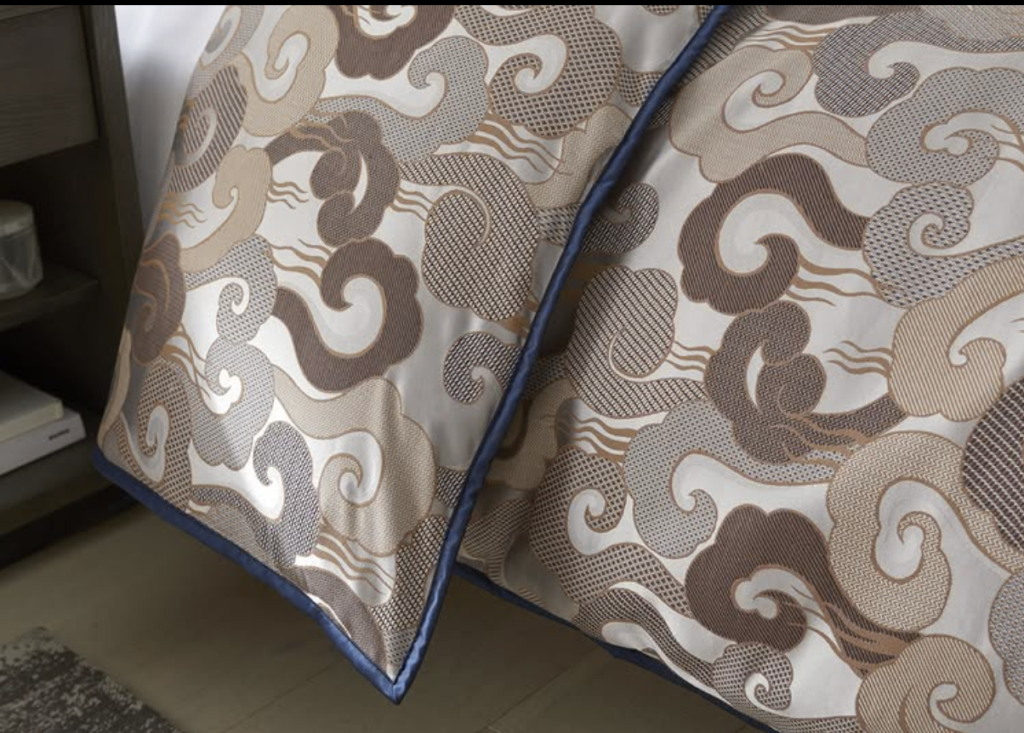
In terms of bedding, BBH offers curated, ready-to-ship bedding collections, everyday bedding essentials (duvet inserts, pillows, mattress toppers, sheets) and now a custom bedding program that allows designers to create bespoke bedding by mixing and matching from 485 premium fabric options for duvets, shams and bolsters.
Farrell says she’s a fan of BBH’s custom bedding, calling it “divine.” She also frequently sources Global Views, which, she says, “has always been my favorite for upholstered goods, case goods, lighting and accessories.
“And yes,” she acknowledges, “I’m a bit biased as my own design collections are with Global Views, but I’ve been obsessed with their brand for 20 years and have specified their products for clients’ bedrooms for decades. The Cade daybed by Ashley Childers x Global Views needs to be in every bedroom on the planet — it’s that good.”
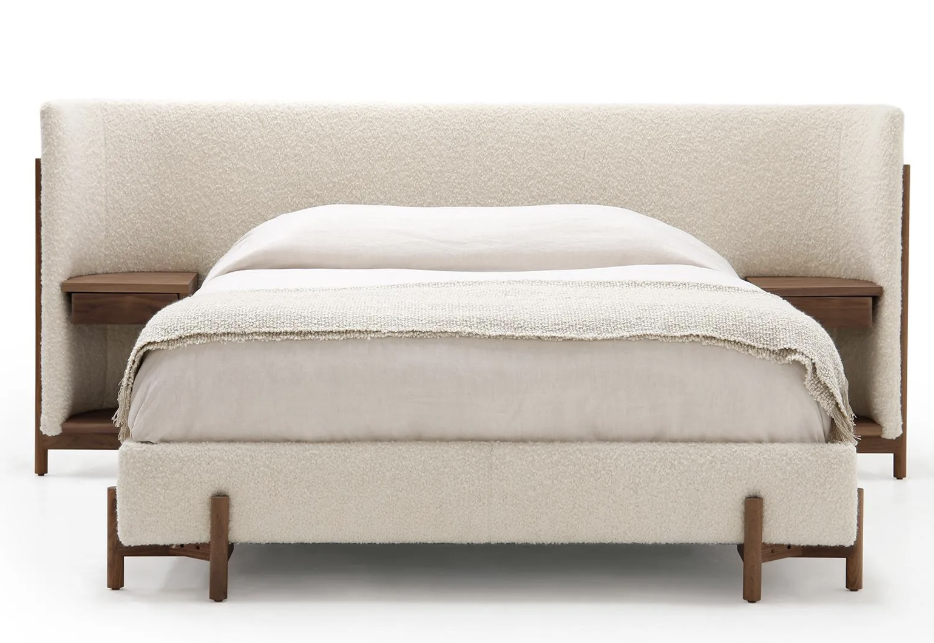
For beds and bedroom furniture, Lichtenstein favors brands including Baker-McGuire, Century, Vanguard and Verellen.
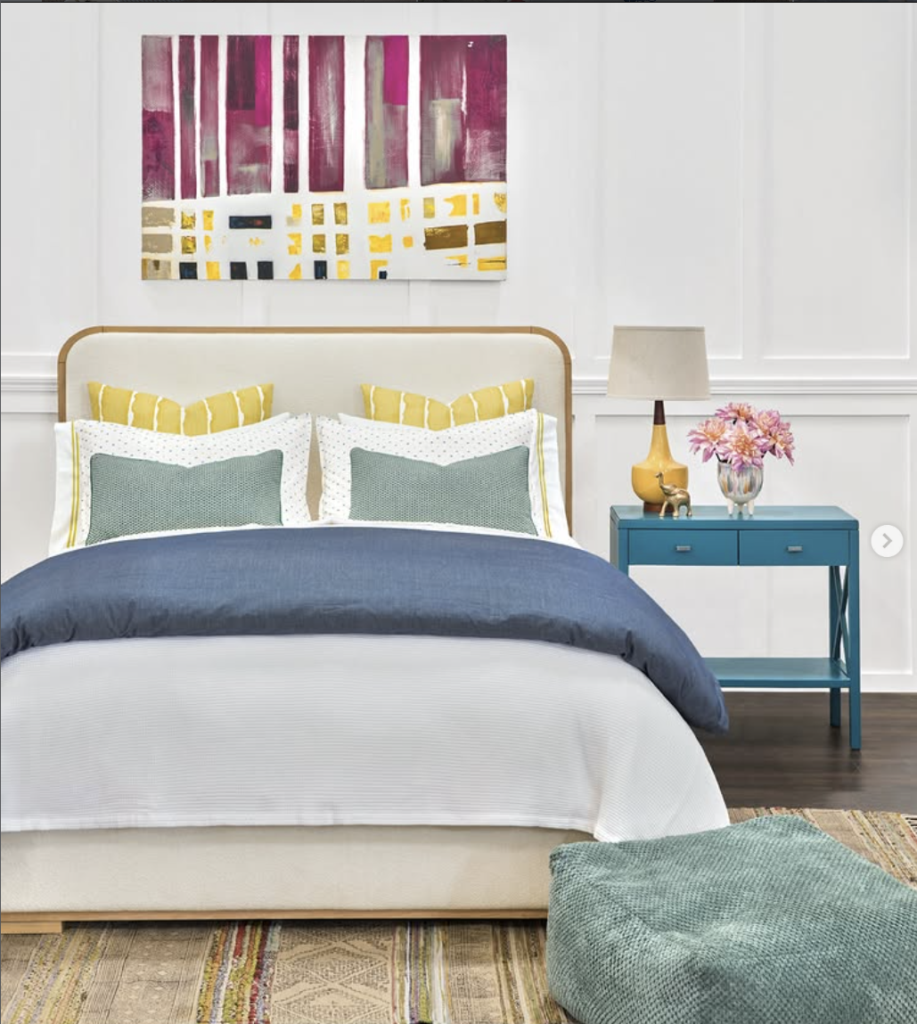
“For bedding and soft goods, Eastern Accents stands out to me for luxury bedding, fine linens, decorative pillows and its emphasis on craftsmanship. Surya is another wonderful resource for rugs and textiles, particularly because of the breadth of its offerings and the opportunities to introduce color, pattern, texture and natural references into a room,” she says, noting that she created her own nature-inspired rug collection with Ruggle Up. “The designs draw directly from imagery and experiences in nature, so they offer another way to bring that connection into the sensory experience of a space,” she explains.
Camp likes Pom Pom at Home for basic linens, as well as Jaipur and Stark for bedroom rugs and, she says, “Vanguard does really nice customizable nightstands and dressers where you can pick the finish, pick the knob, pick any decorative details you want.” (Design News Now recently highlighted an array of new beds and talked with Camp and her Élan Design House co-founder Alison Green about the personalized bedroom and their favorite parts of their own bedrooms.)
As he specifies products for a primary bedroom — any primary bedroom — Barrett says, he likes “to layer beautiful materials, comfortable furnishings, thoughtful lighting and pieces with personal meaning, while making sure we have excellent bedside lighting, storage, seating, beautiful bedding and window treatments that really control the light and privacy. I also think the details matter enormously in a bedroom — the hardware, textiles, art, scent and even the way the lighting is controlled can completely change the experience of the room.”
“Most importantly, he says, “I want it to feel like an escape from the rest of the house.”
Note: Header image is Élan Design House photographed by Charlotte Lea