


Small Clients, Big Ideas: Rethinking the Children’s Bedroom

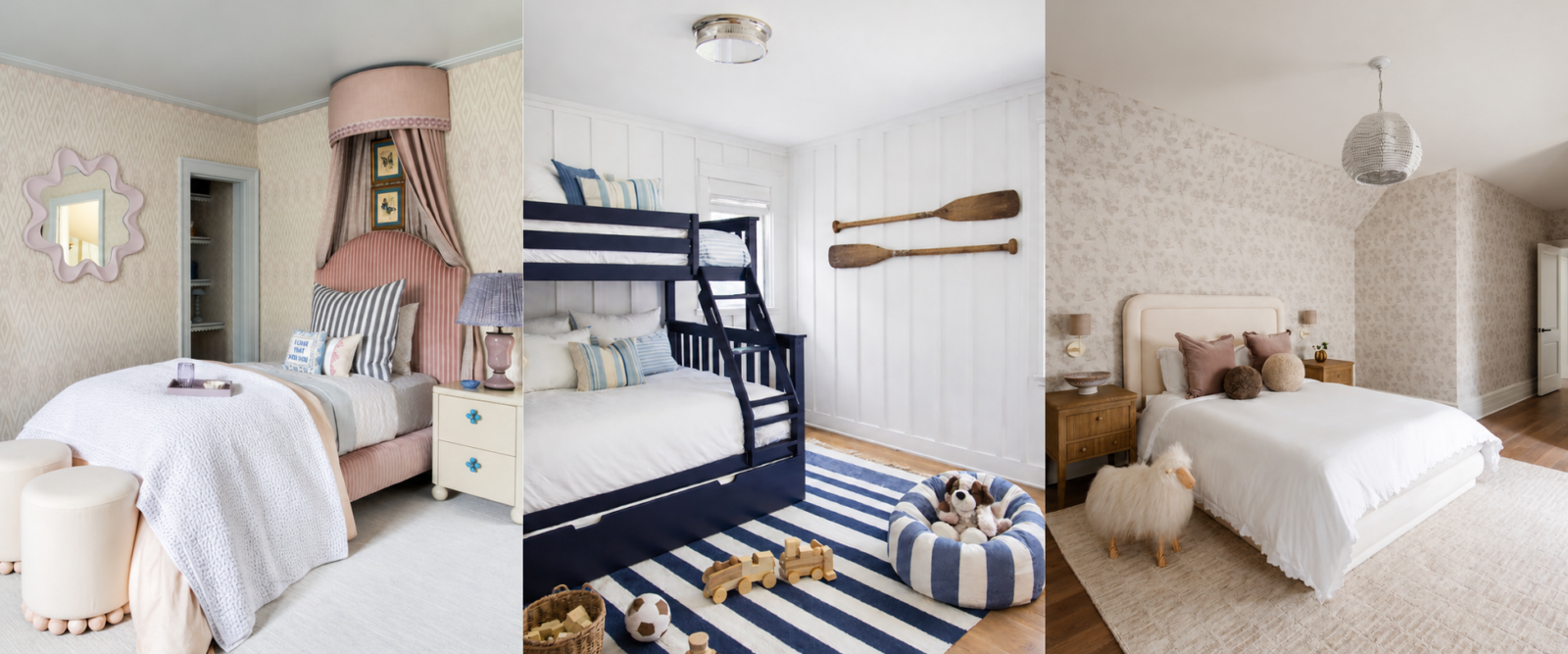
From secret worlds to sophisticated palettes, designers reveal how they create children’s bedrooms with imagination, staying power and room to grow.
Creating children’s bedrooms gives interior designers a chance to play a little themselves — and make kids’ dreams of a space of their own come true.
Kids’ rooms also come with their own requirements: a design that can grow with the child and durable materials that stand up to everything from art projects to spilled snacks.
“One of the biggest challenges is creating a space that feels fun, personal and engaging while also allowing it to evolve as a child grows. A bedroom should reflect a child’s interests and personality, but it also needs to be adaptable over time. I think the key is to incorporate playful details and opportunities for self-expression while grounding the design in timeless elements that can grow with them,” says Hillary Cohen, founder and lead designer of HCO Interiors, a design firm based in Basking Ridge, New Jersey, that focuses on high-end residential projects in New York and New Jersey.
Spaces that can grow
(Linda Pordon Photography)
(Linda Pordon Photography)
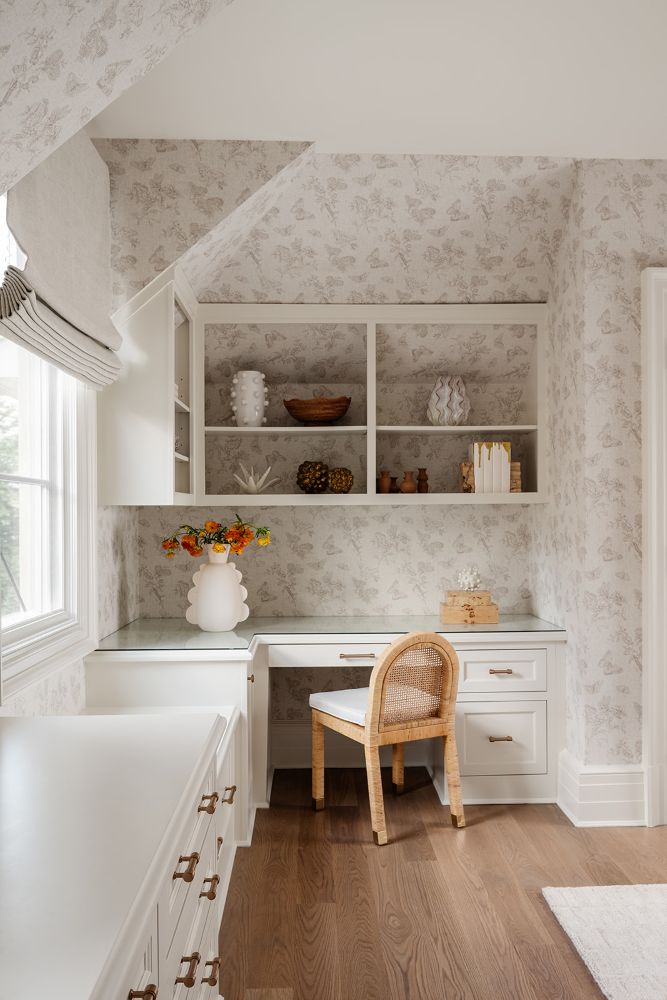
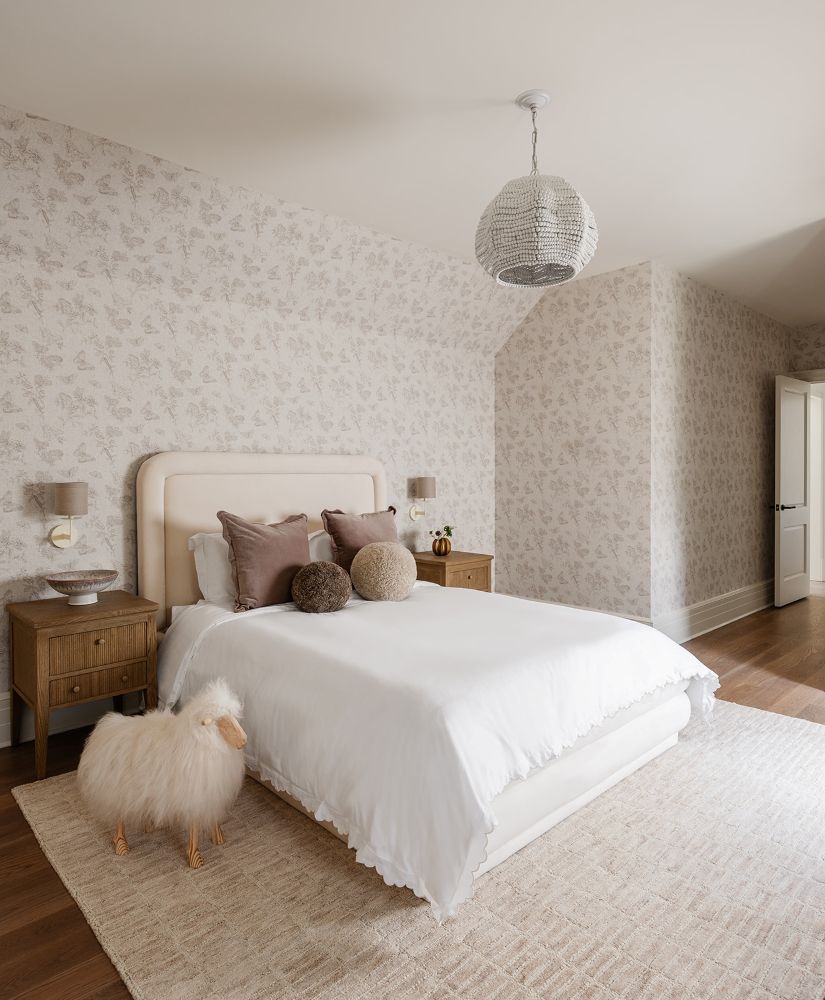
When designing children’s rooms, Allison Handler also strives to create rooms that aren’t pegged to a child’s particular age.
“I don’t want anything to ever feel babyish. I love children’s spaces to feel sophisticated — something that they can grow into,” says Handler, founder of Allison Handler Design, a high-end boutique interior design firm based in Bergen County, New Jersey.
One way Handler adds sophistication to a child’s bedroom is through the color palette. “Maybe we’re going pink but we’re not going bubblegum pink,” she says. “We’re going blush or mauve or something along those lines, and we’re combining with another sophisticated color, like a camel or a sage green.”
Mixing subtle prints and incorporating materials like rattan can add a playful, casual depth to a room, without reading “childish,” she says.
“We don’t ever really design trendy. We’re pretty classic in the way we approach things, and we want to make sure (the design) stands the test of time because children grow out of things really quickly,” Handler adds.
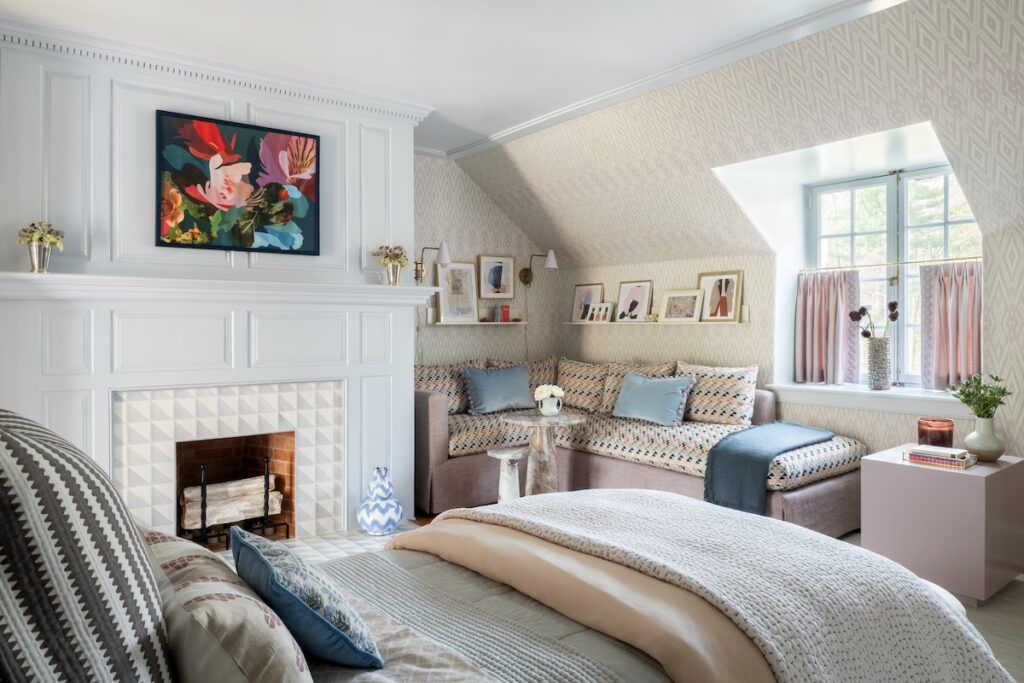
When Cohen set out to create a pre-teen bedroom for the 2025 Mansion in May Designer Showhouse in Chester Township, New Jersey, she says she wanted “something colorful, layered and a little unexpected, blending contemporary elements with antiques and distinctive patterns.”
“The goal was to make the room feel youthful and imaginative without sacrificing the balance, sophistication and sense of cohesion that are central to my design approach,” Cohen says. “I especially loved how the colors and patterns came together. We embraced a lot of different elements, and there was a fine line between creating something richly layered and making the space feel overwhelming. Seeing everything come together in a way that felt balanced, cohesive and full of personality was incredibly rewarding.”
(Rebecca McAlpin)
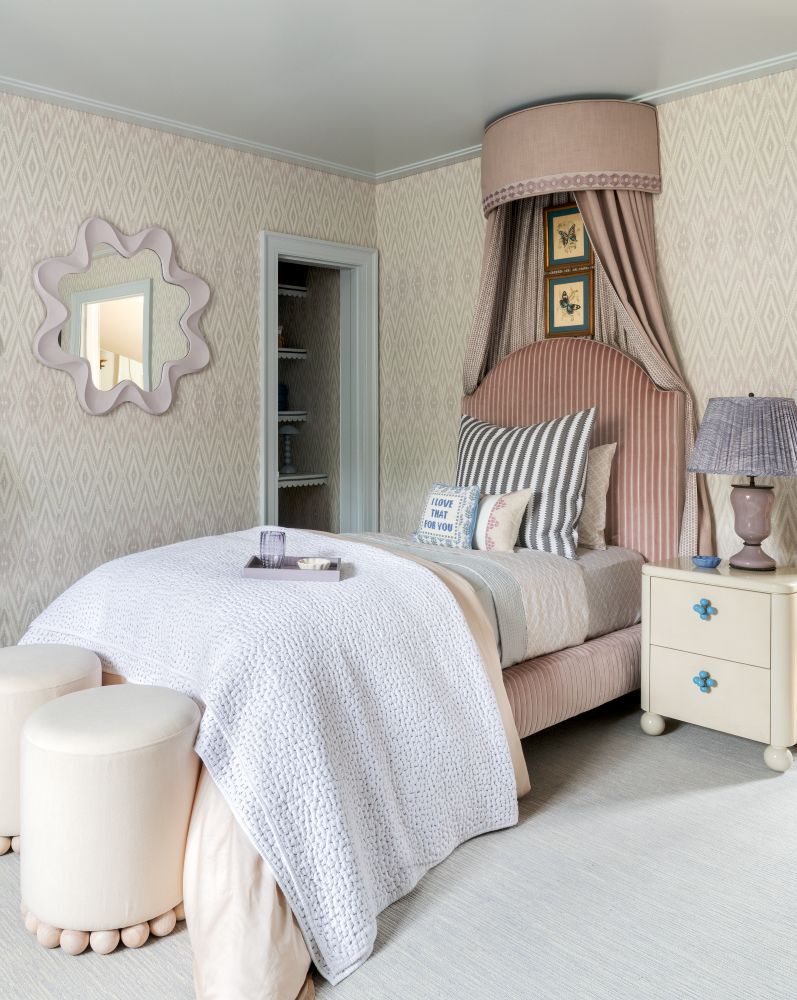
(Rebecca McAlpin)
Lindsay Lucus says a child’s room in a current project is letting her designers’ “creativity go bananas.”
The 5-year-old son considers himself the “king of Dogtown,” and her firm has run with that, says Lucas, founder and chief creative officer of Lindsay Laine Home, which has a design studio in Pittsford, New York, and The Shoppe at the Lake boutique in Canandaigua, New York.
The major remodeled allowed Lucas and her team to create a “secret” Harry Potter-like portal to Dogtown, a room where they’ve built a make-believe world featuring a Dogtown Bank, Dogtown Library, Dogtown Bakery and more. (The firm has also designed an outdoor-themed playroom for the boy in the basement, with a tree-inspired bookcase, a tented reading area, faux stream and more.)
In the bedroom itself, Lucas went with a palette of blue and white plaids and covered the ceiling in navy wallpaper with gold stars. A zipline makes getting into bed a fun adventure.
The entire design, including Dogtown, can evolve as the child grows up.
“Someday (Dogtown) could be a hideout for friends,” Lucas says. “Eventually, we’ll go back and create a teen hangout zone. But for now, this is the imaginary world they wanted to come to life for him.”
Nina Lichtenstein, founder and principal home designer at Custom Home Design by Nina Lichtenstein in Thornwood, New York, likes to use subtle references to nature in children’s bedrooms, such as hardwood floors and light fixtures that reference water droplets, stars or shells “with some creating beautiful rainbow-like reflections as light interacts with them.”
In her own sons’ bedroom, “individual star-shaped pendant lights hang beside the beds, complemented by a similar star-shaped flush-mount fixture on the ceiling, bringing references to the night sky into the room while also providing softer, layered sources of light.”
The children’s bedrooms incorporate “joyful, light, nature-inspired paint colors,” soft purple, sky blue and golden yellow. In her daughters’ bedrooms, she’s added “window-like frames filled with custom-designed artificial flower arrangements.”
Room requisites
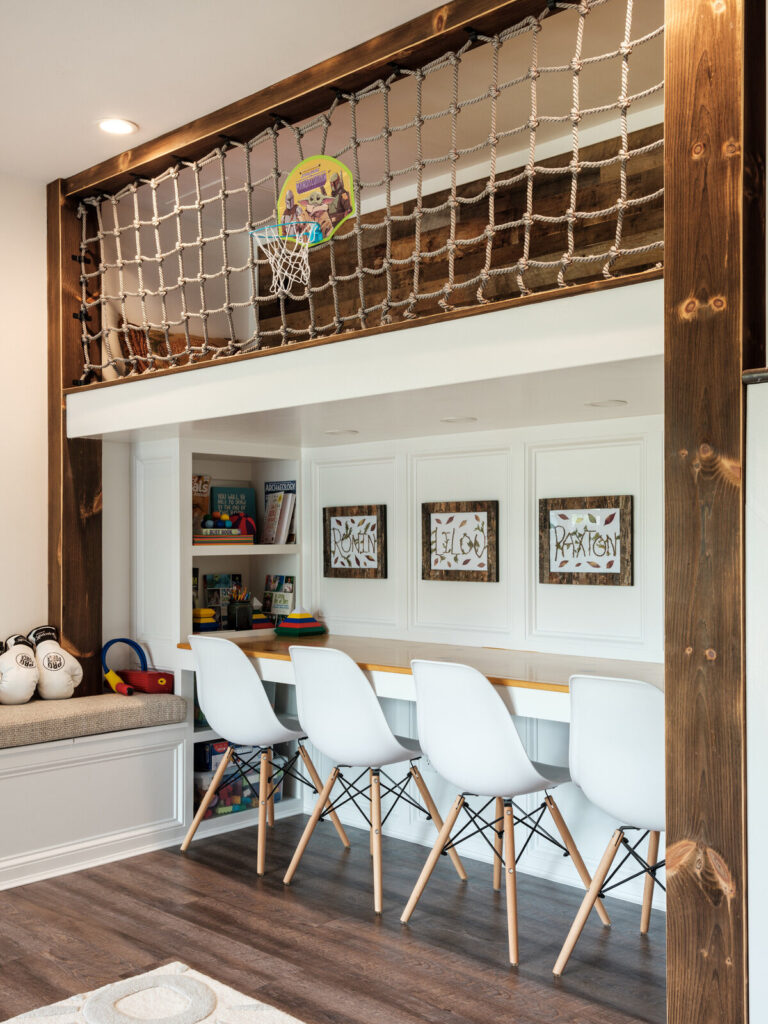
While color, pattern and fun touches matter in a child’s room, durability is a priority.
“As a mom, I know how destructive kids can be, so I want to be mindful of making sure things are (made) for performance, easily cleanable and not easily breakable because kids are messy,” Handler says. “I’m also mindful of a price point because maybe two years from now, the little girl decides she hates pink and she likes blue.”
In children’s bedrooms, Handler prioritizes storage so that toys, art supplies, games and clothing can be easily picked up and put away. Cubbies in Lucas’ Dogtown project now hold stuffies but later might hold art supplies or sporting goods.
A desk is often a centerpiece of a child’s bedroom, even if they typically do homework in another room.
“It’s not just about doing homework,” Handler says. “It’s also about being creative. Maybe they’re doing arts and crafts or coloring or playing with Legos.”
Lighting is also important: task lighting at desks, bedside lighting for bedtime reading. Lichtenstein likes to install wall switches next to the bed, allowing children to control those bedside pendants or sconces without turning on a main ceiling fixture. She’s also a fan of blackout curtains or shades that add color, while keeping out natural light and helping children sleep longer.
Lucas likes to build out alcoves to tuck beds into. “It just feels cozier,” she says.
Getting kids involved
(Lindsay Laine Interiors)
The idea for the Dogtown room came from the client’s allowing Lucas and her team to interview the son and they could see his vivid imagination and passion for his Dogtown world.
“The thing he and his dad talk about every day is Dogtown,” she says.
Handler enjoys when parents want children to be involved in designing their own bedrooms, which doesn’t always happen, she says.
“It’s always fun to have the child involved and get their feedback and their opinion on things,” Handler says. “We can do a mini design presentation for them and let them pick certain things out. But obviously, we let the parents kind of guide that.”
Whether children give direct input to designers or not, Cohen believes a goal when designing their bedrooms should be connecting the spaces to the overall design of the home.
“I approach that by finding a thoughtful balance between playful colors, patterns and individual details, and more enduring elements in the furnishings, materials and overall design,” she says. “The result should be a room that feels special to the child, comfortable for the parents and cohesive with the home’s broader aesthetic.”