

Litchfield: A Love Letter to Country, Considered

A courthouse with a second act, a country retreat with a wild imagination and an American design legacy still rewriting the rules: Litchfield has mastered the art of looking back without standing still.
I came upon Litchfield this past spring while attending The Ticking Tent. It was being held at a winery about 10 minutes away, and when I began looking for places to stay, I knew The Abner was a must.
A hotel designed inside a historic county courthouse? I was in.
And that was just the beginning of my affection for this decidedly “un-Greenwich” Connecticut village.
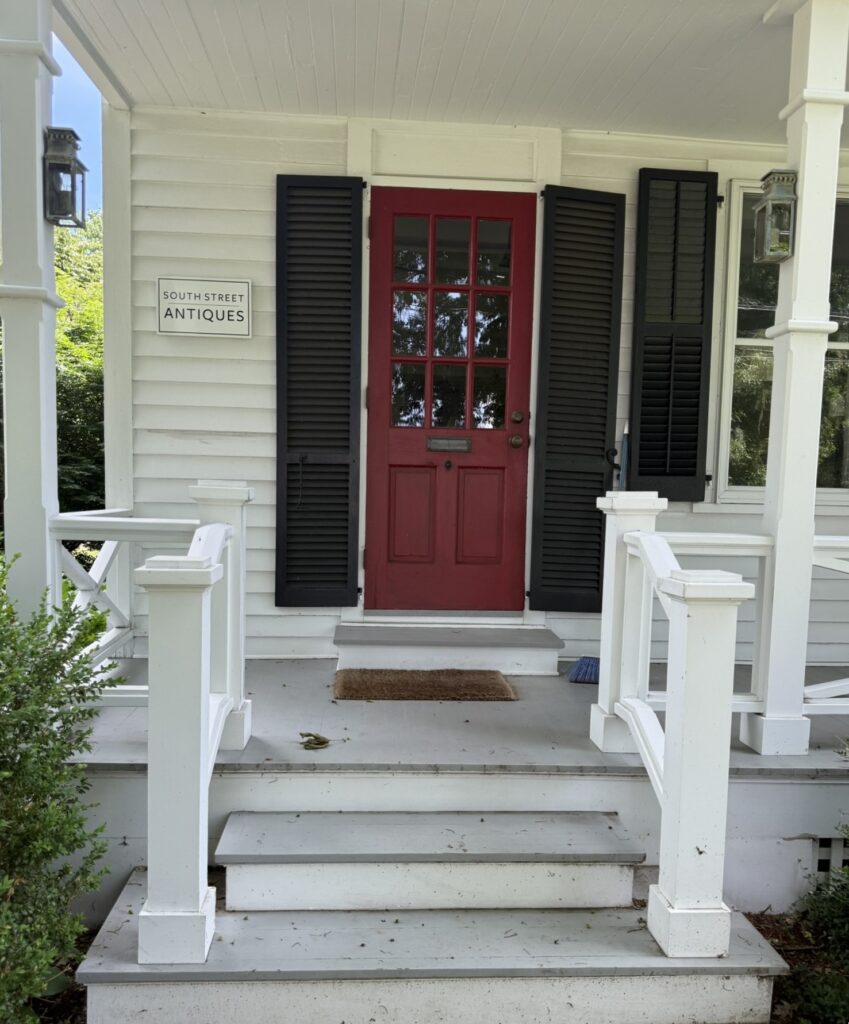
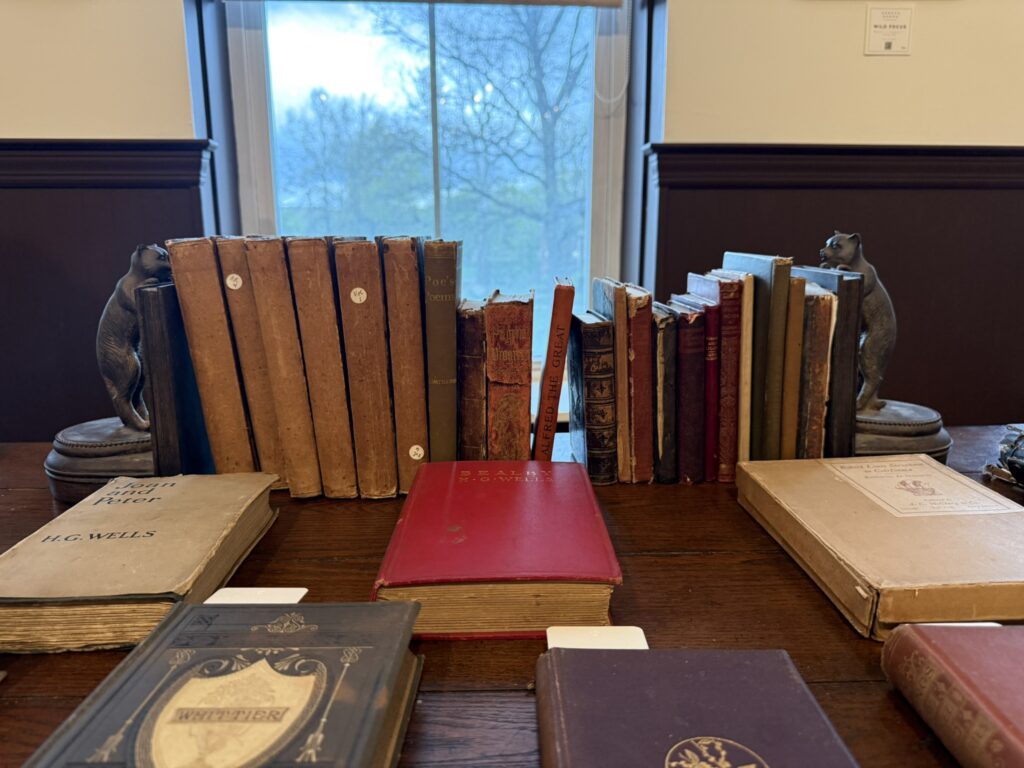
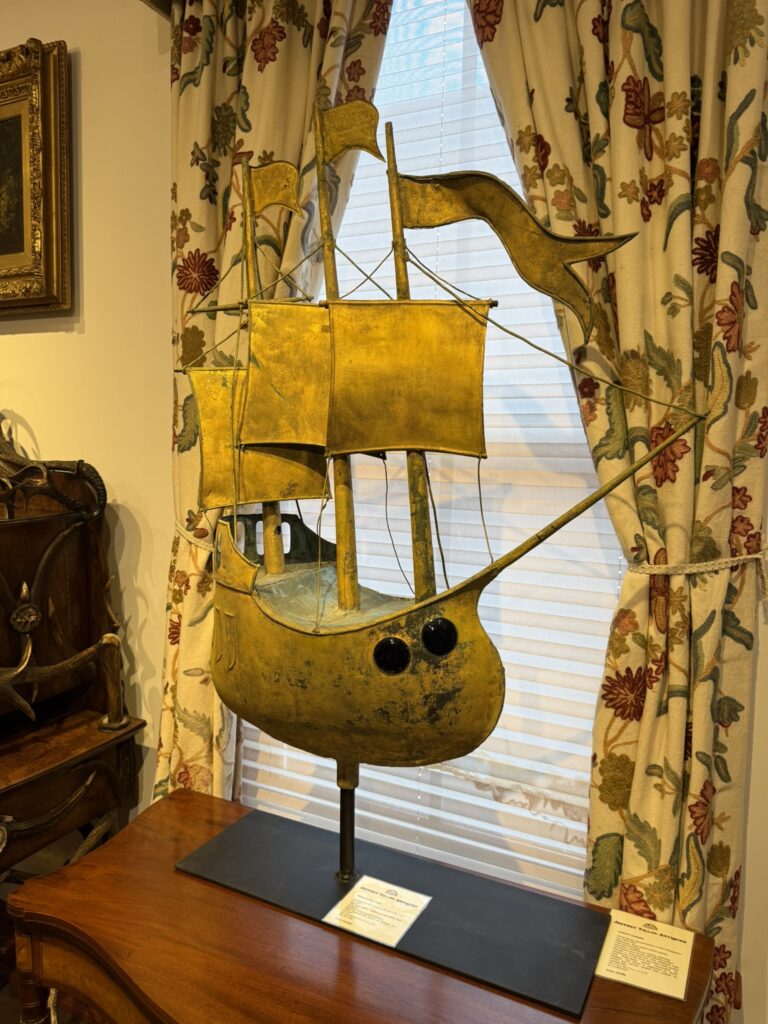
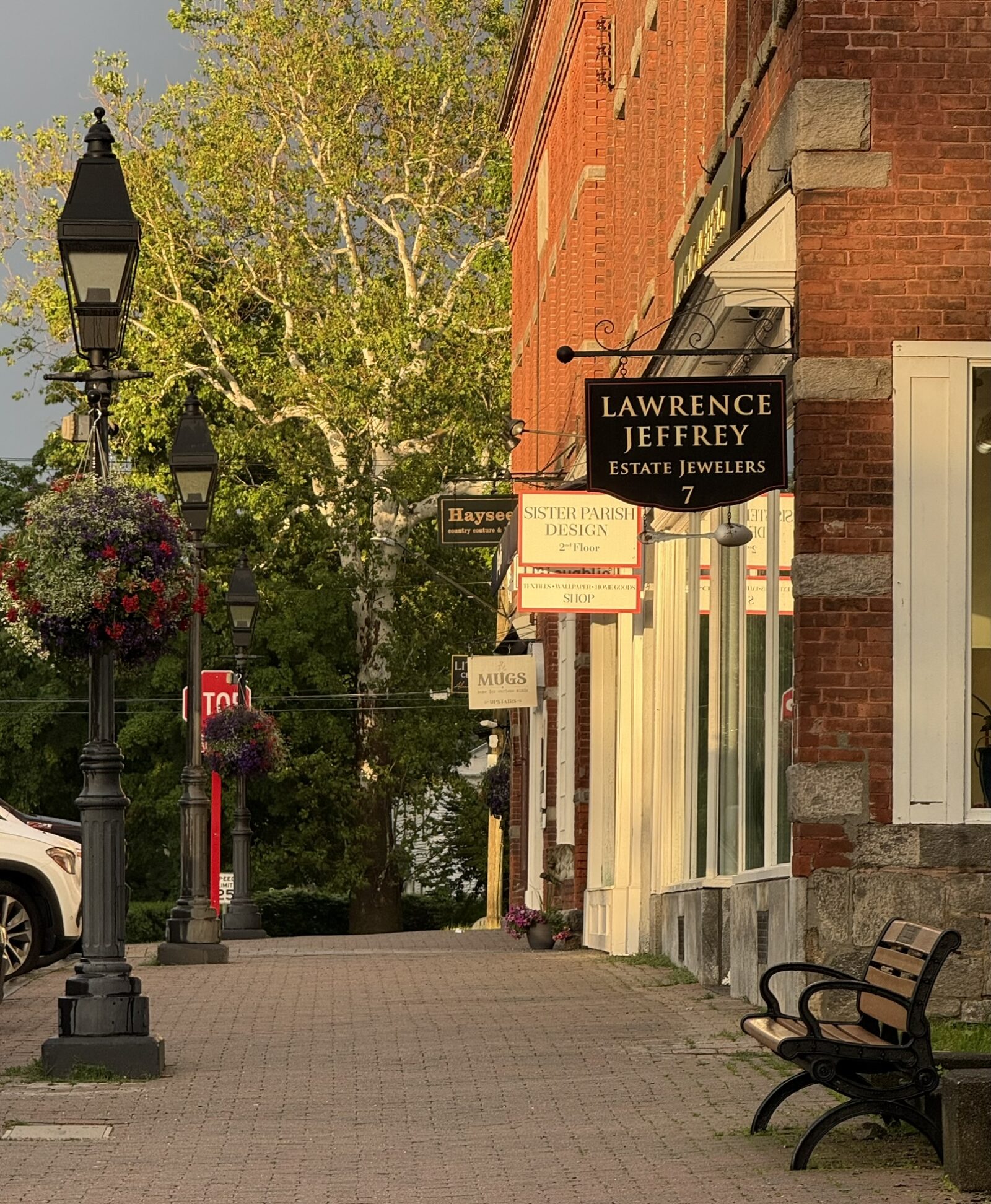
Litchfield is built around a central green, with shops, restaurants, The Abner and other quaint finds lining either side. Free parking—free!—runs up and down the green, and at any given time, visitors and locals are strolling the sidewalks, shopping and walking their dogs. The setting is charming, certainly, but it is the people who make this small place feel special. Shopkeepers are welcoming, antiques dealers are generous with their knowledge and locals seem genuinely invested in the businesses—and one another.
Still, Litchfield’s appeal is not based on charming people and pretty shops alone. Its most interesting destinations demonstrate how historic character can support contemporary hospitality, commerce and creativity. Here, preservation does not mean allowing the past to stand still.
The Abner Makes Its Case
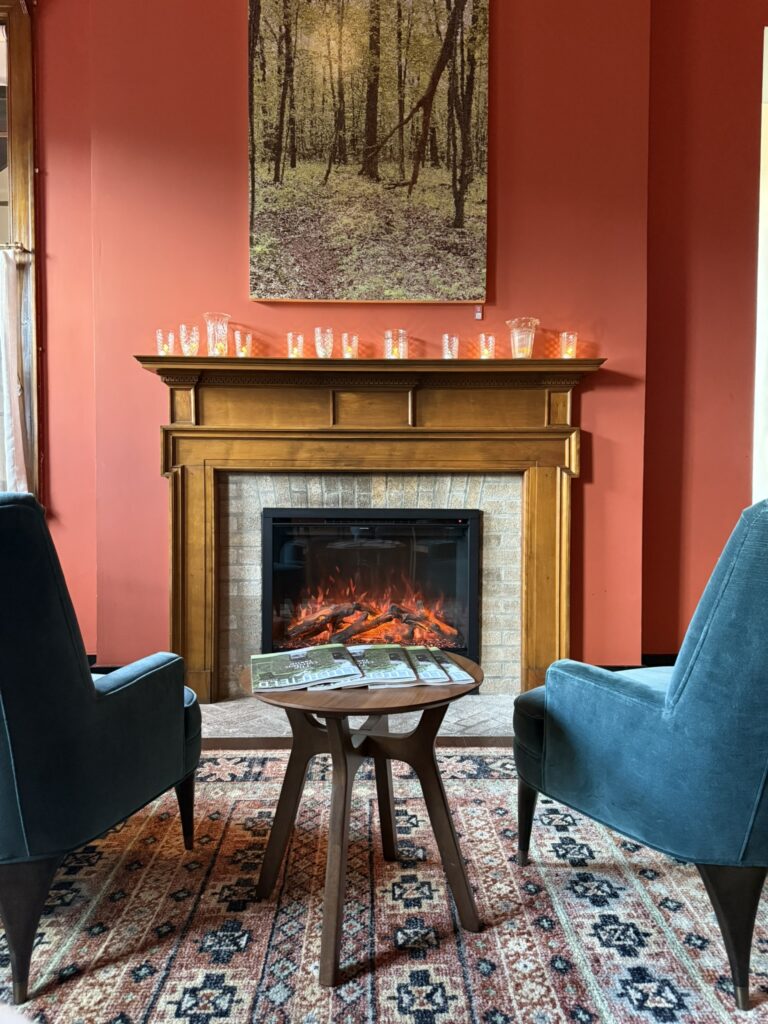
The Abner, created and designed by Salt Hotels duo David Bowd, CEO, and Kevin O’Shea, chief creative officer, is an ode to the respectful restoration of a revered landmark—with exactly the right amount of forward design.
The building served as the town’s courthouse before being decommissioned in 2007. Its prominent position made it an important piece of Litchfield’s civic identity, but transforming a municipal building into a welcoming boutique hotel required more than cosmetic reinvention.
“Changing it into a hotel program …presented a lot of interesting challenges,” O’Shea says. “We had to navigate what historic wanted to have preserved both inside and outside, what modern building codes required us to have, and then obviously what we wanted to have from a hotel perspective. So it was a fun and interesting challenge.”
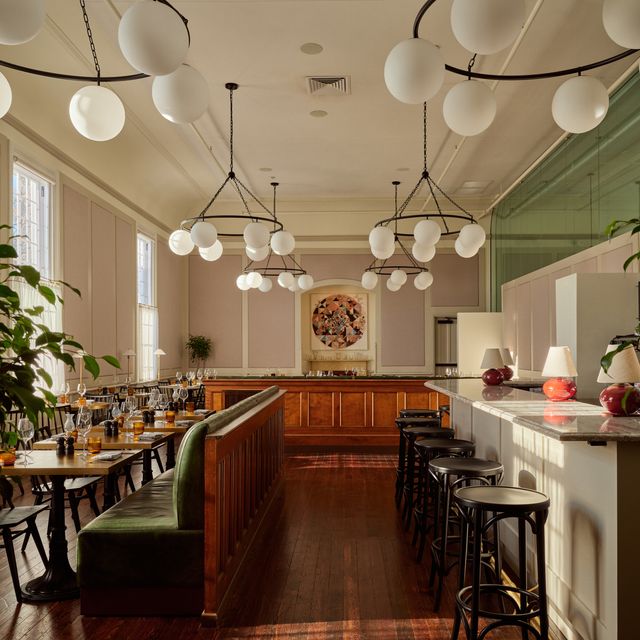
Walking through The Abner, O’Shea and Bowd’s thoughtful approach is evident. Former judges’ chambers and clerical offices have become guest rooms, while the restaurant occupies the original 1888 courtroom. A judge’s bench now serves as the reception desk, and jury boxes were repurposed as the backs of banquettes.
The original courtroom presented one of the project’s greatest puzzles. Preservation requirements called for its soaring volume to remain intact, but the hotel also needed a guest-room corridor. The solution was a new partition topped with glass, allowing the full height of the historic room to remain visually legible from both sides.
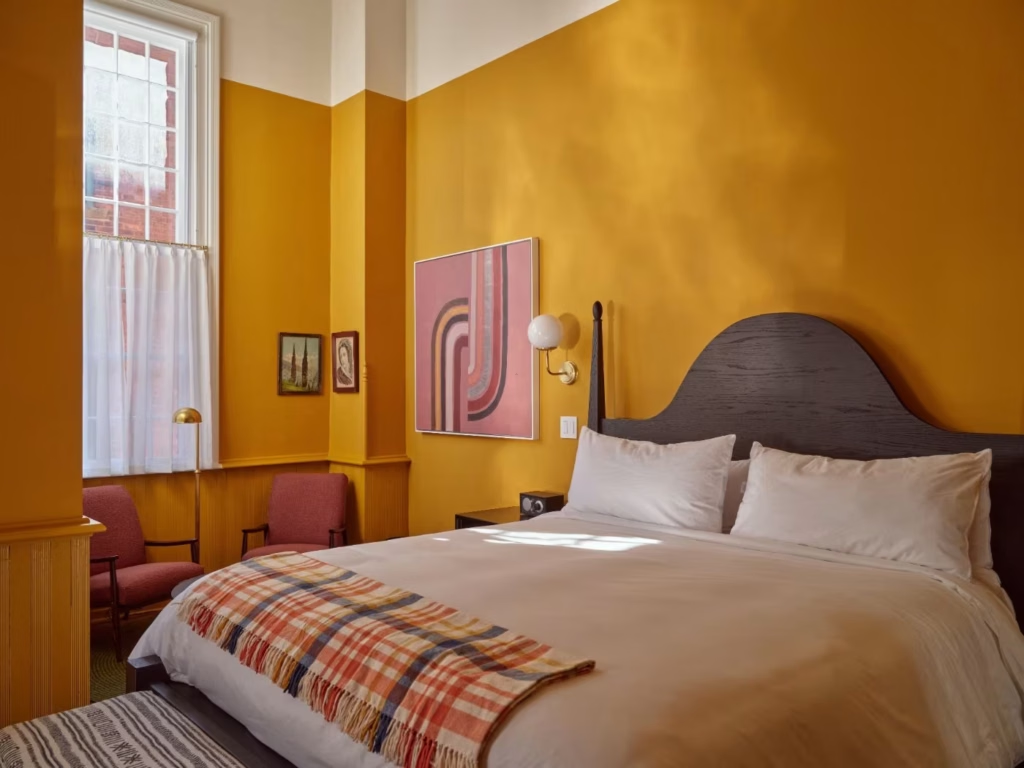
The courthouse’s former life informed the palette without becoming a theme. Reds, golds, deep navies and greens reference the bindings of legal books, while vintage and antique furniture, leather seating, fireplaces and marble-topped bistro tables give the interiors the collected ease of an intentionally designed country home. In the guest rooms, ochre walls make high ceilings feel warmer and more intimate.
“We wanted to celebrate that history, but not make it super themy or too pastiche,” O’Shea explains. “We wanted this to feel very residential. Like, you were staying at your friend’s house.” And that it does, because in addition to the beautiful design, the service provided by the hotel, the kindness and attentiveness of the staff goes above and beyond.
The guest rooms are also screenless—a choice that initially concerned my 21-year-old daughter, who noticed the absence of a television before we had even arrived. Within hours, however, she was texting me about the divine sheets, the excellent dinner and how soon she could return.
Without a television dictating the layout, O’Shea was free to create small seating and gathering areas rather than the predictable hotel-room lineup of bed, desk and screen.
“I always joke: Talk to each other,” he says. “Everyone has a little table or a seating area in the room. That was very intentional—to create a space where people could gather.”
That connection extends beyond the guestrooms. The Courtroom restaurant attracts a loyal local following, placing visitors in the life of the town rather than insulating them from it. As O’Shea notes, “Being meshed into our communities is really important.”
Winvian’s Art of Individuality
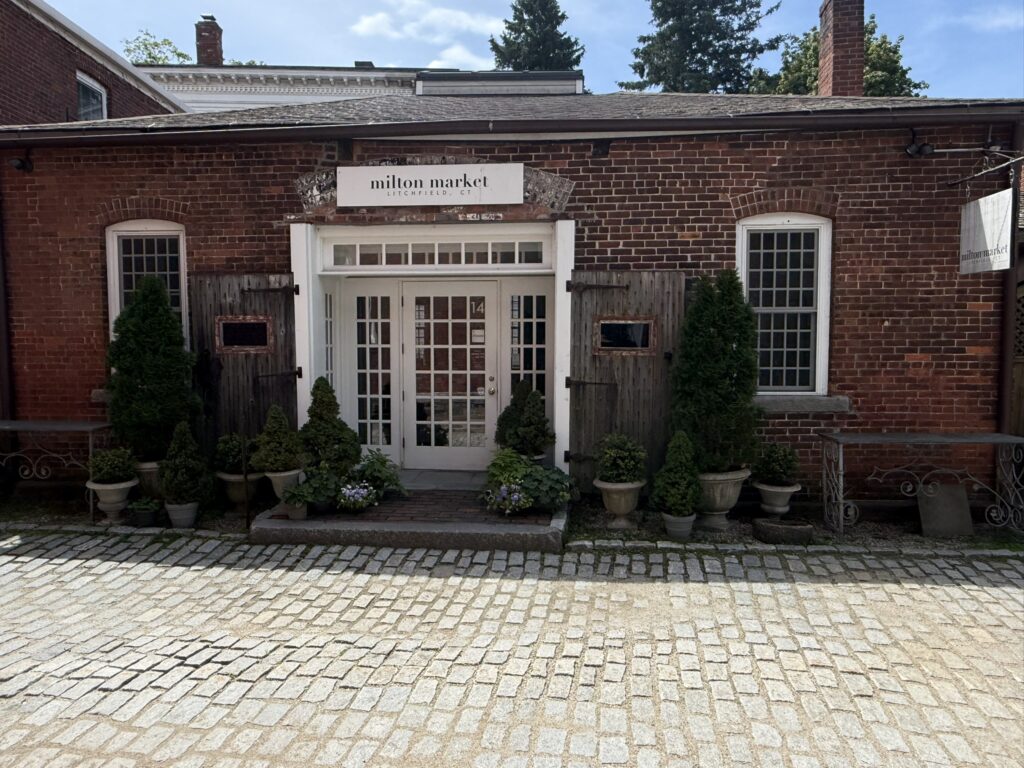
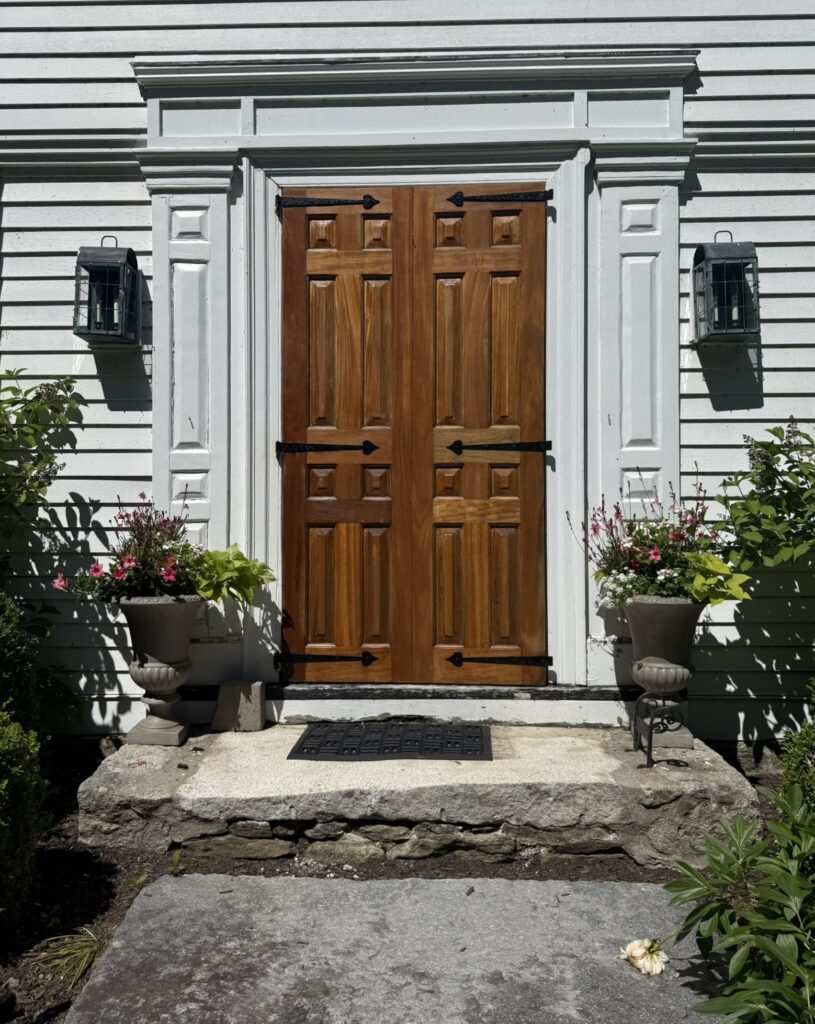
A short drive away, Winvian offers another interpretation of country hospitality—one that replaces consistency with curiosity.Happily, I was told of this serene location by yet another generous shopkeeper at the Milton Market in a tiny, almost secret alleyway named Cobble Court.
Set across 113 acres, the family-owned and woman-operated property is led by mother-daughter team Maggie and Heather Smith. Its heart is an estate dating to 1775, with later additions that preserve the textures and proportions of its past. Historic portraits, substantial beams, expansive fireplaces, and an early stove (the oldest working version in New England) lend the main house a sense of continuity.
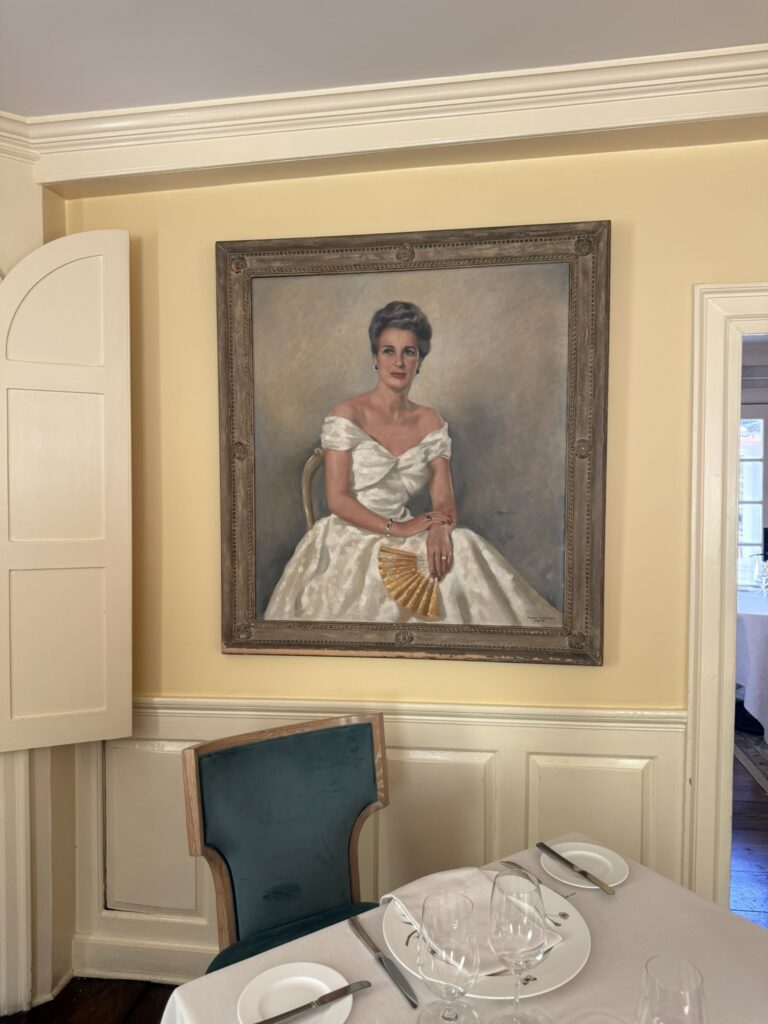
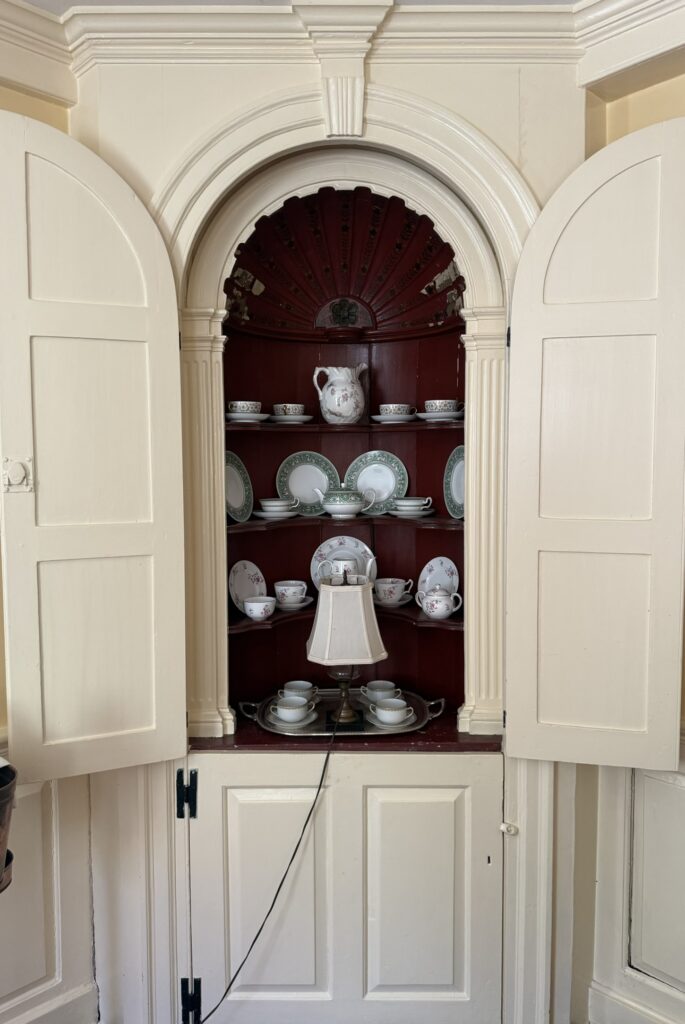
Even the name is personal, combining those of original family members Winthrop and Vivian.
Beyond the main house, however, convention gives way to imagination across 19 accommodations that focus on individual experiences.
“They all have vastly different themes,” says Winvian’s brand ambassador, Rachel Kozak. “They all have the same amenities, but they are all very different from the next.”
That freedom is central to Winvian’s appeal. Luxury here is not expressed through repetition but through choice, surprise and specificity—the very qualities designers spend their careers trying to create.
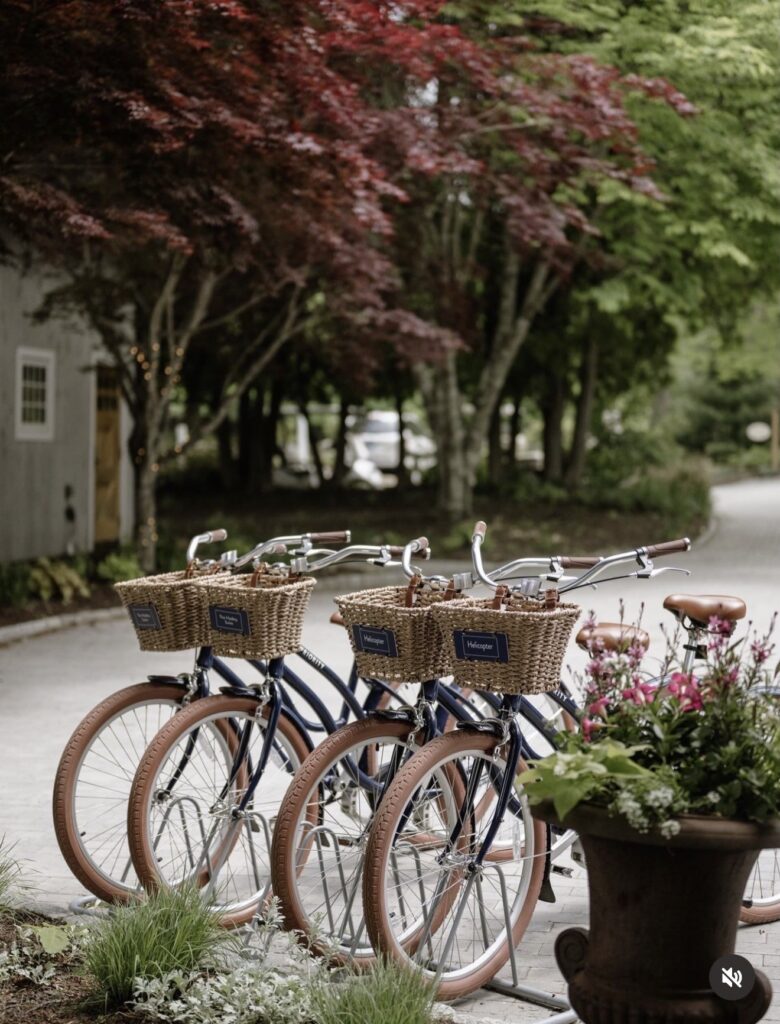
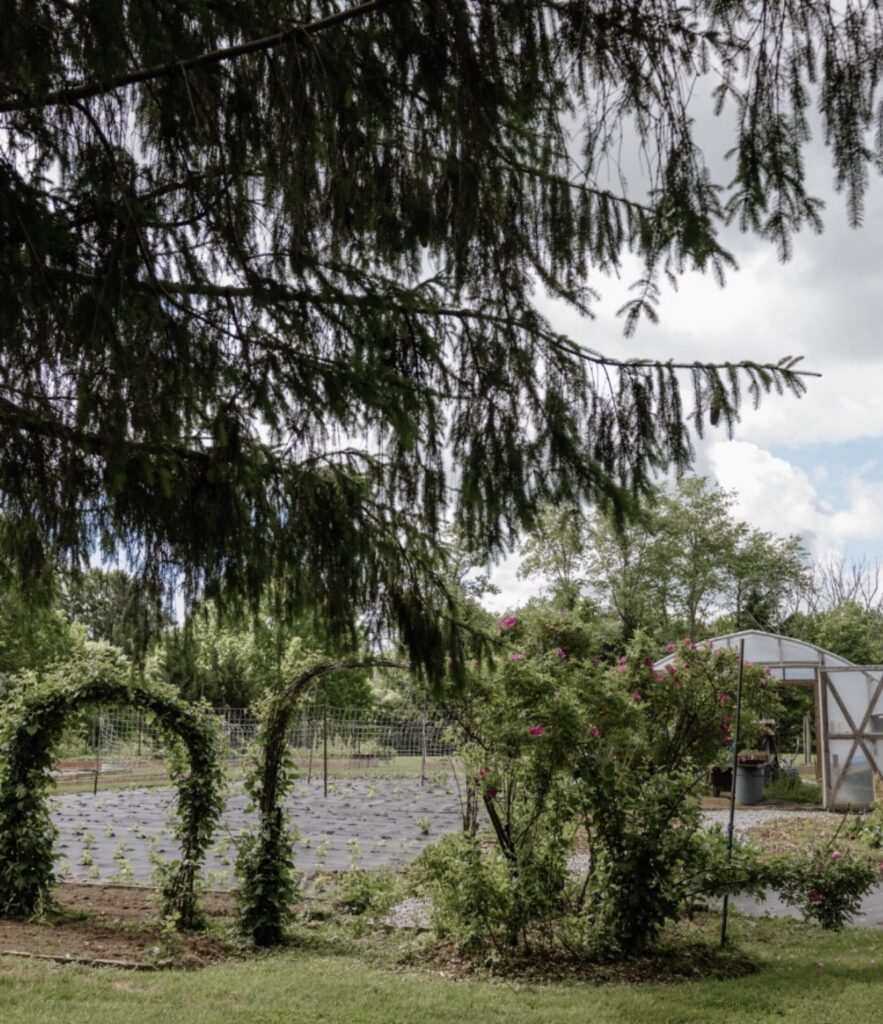
In truth, I was most interested in the grounds. A restaurant overlooks the landscape and an adjacent koi pond. The working gardens invite guests to see the vegetables, lettuces, microgreens, herbs and edible flowers that will later appear on their plates. A wild meadow changes with the seasons, moving from spring daffodils to delicate chamomile blossoms.
Guests can explore the property by bicycle, wander through the gardens or spend an afternoon moving between the spa, relaxation room and the relaxed Maggie’s Tavern. The kitchen’s seed-to-table approach draws upon what is growing on the property, and the fine-dining menu changes according to what is freshest.
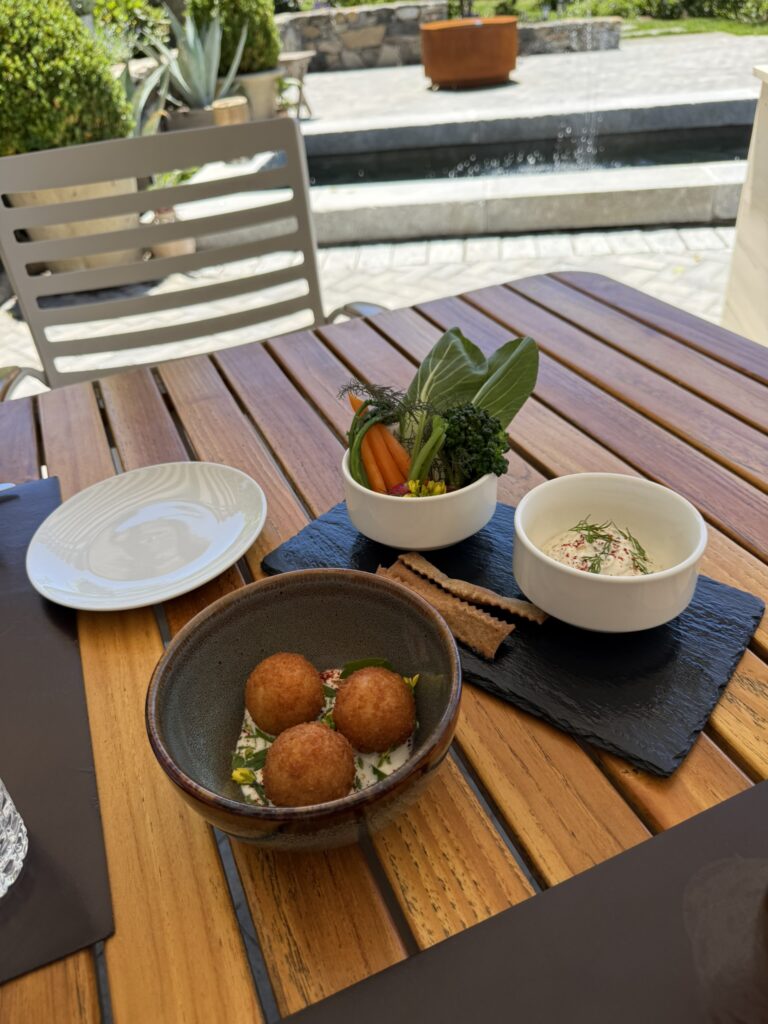
Personalization, rather than perfection, is the point. Guests are encouraged to linger, explore and experience the property at their own pace. In a word, Winvian is charmant.
Sister Parish, Reconsidered
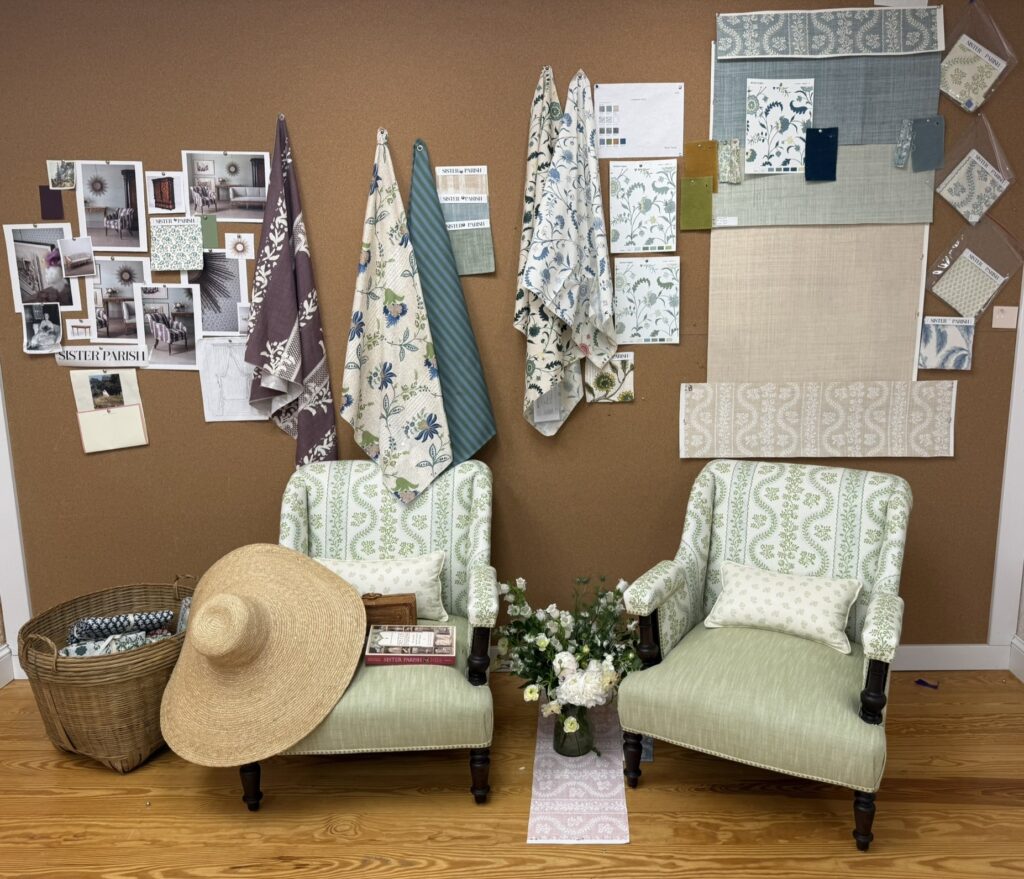
Back in Litchfield, one of the most recognizable names in American decorating is proving that legacy can be a living thing.
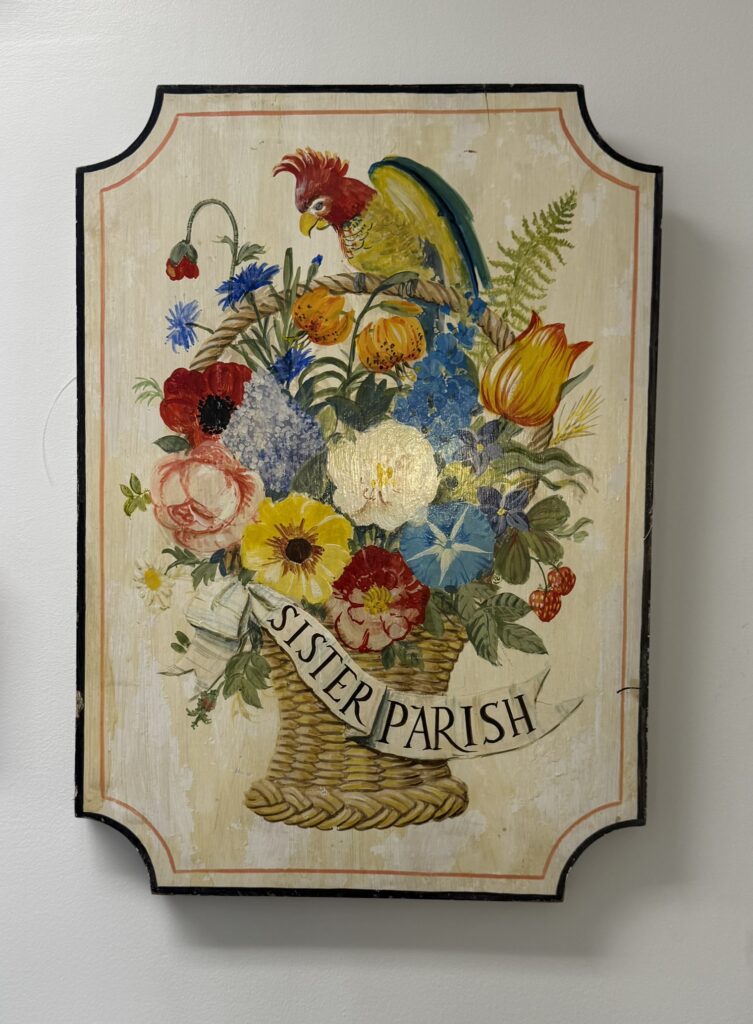
Sister Parish Design is led by CEO Susan Crater, Sister Parish’s granddaughter, and creative director Eliza Crater Harris, Crater’s daughter. What began approximately 30 years ago in Crater’s Bedford home has grown into a business that makes the patterns developed for Parish’s private clients available to a much wider audience.
The appeal is easy to understand. Sister Parish’s collected, pattern-rich rooms feel particularly relevant at a moment when interiors are moving away from anonymous neutrality and toward color, craft and personality. Yet the company is not simply reproducing the archive. Harris continually revisits it—rescaling patterns, developing new colorways, changing grounds and translating designs across fabric and wallpaper.
“She has to look at it a million ways,” says Jackson McCard, head of sales, at Sister Parish Design. “Cooler, warmer. Do I want to put a pattern on it? Do I want to leave it blank? It’s a million decisions.”
That nuanced development keeps familiar motifs from feeling frozen in another era. Collaborations introduce the patterns to new materials and contexts, while manufacturing through mills in the United States gives the company greater control over the finished product.
Perhaps the best evidence of the brand’s ability to evolve is its top-selling performance fabric: a reversible textile made using recycled water bottles. It is an unexpectedly modern chapter for a company associated with one of the most storied names in decorating—and precisely the kind of juxtaposition that makes the brand interesting now.
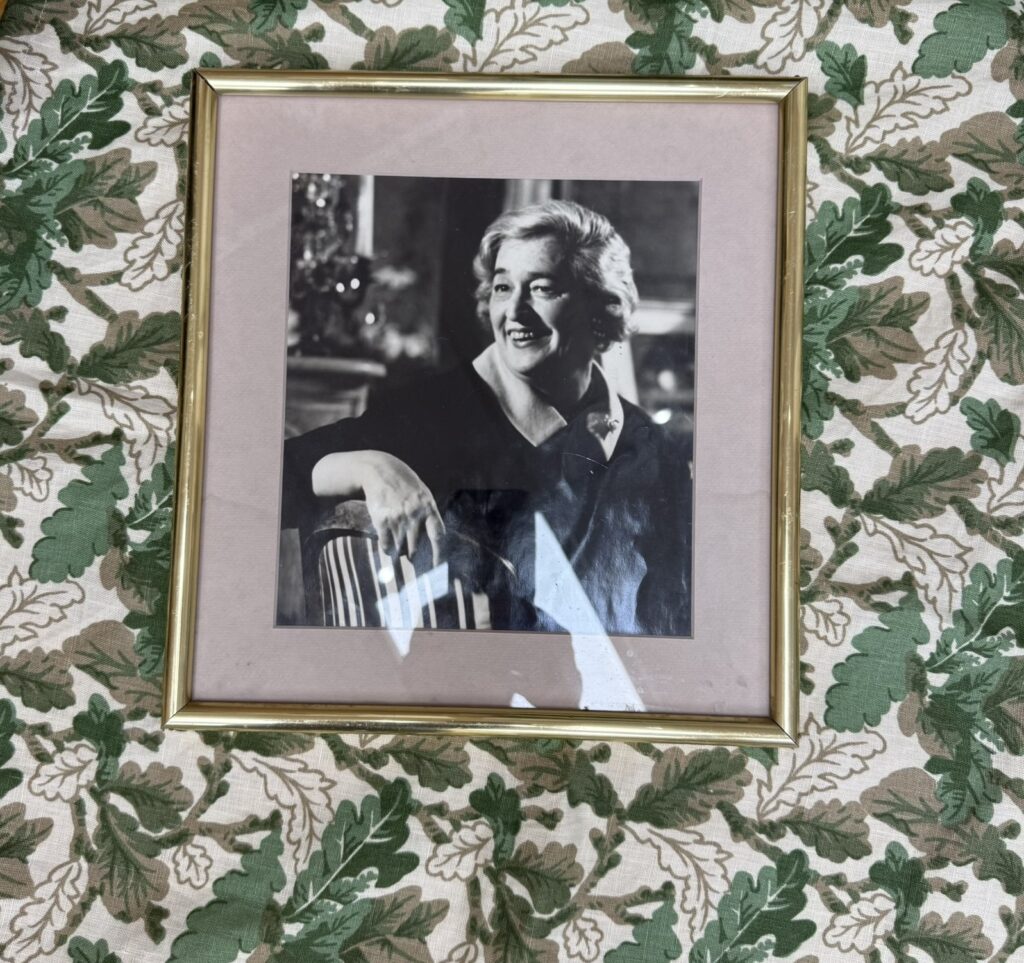
Parish’s eye, however, remains the foundation. McCard recalls Crater asking him if he knew why her grandmother liked to drink bourbon. The answer? Because it was the color of mahogany.
It is a delightful piece of family lore, but also an apt summation of a designer for whom color, objects and daily life were inseparable.
The Country, With a Point of View
The Abner, Winvian and Sister Parish Design are very different destinations, but each understands that history is most compelling when it remains in conversation with the present.
At The Abner, civic architecture becomes a gathering place. At Winvian, a historic country estate makes room for fantasy and individuality. At Sister Parish Design, an archive becomes the starting point for something new.
That may be Litchfield’s greatest charm. It does not ask visitors to admire the past from a respectful distance. It invites them to sleep in it, dine in it, shop it, reinterpret it—and perhaps fall a little bit in love with it.