

Courtney Porter
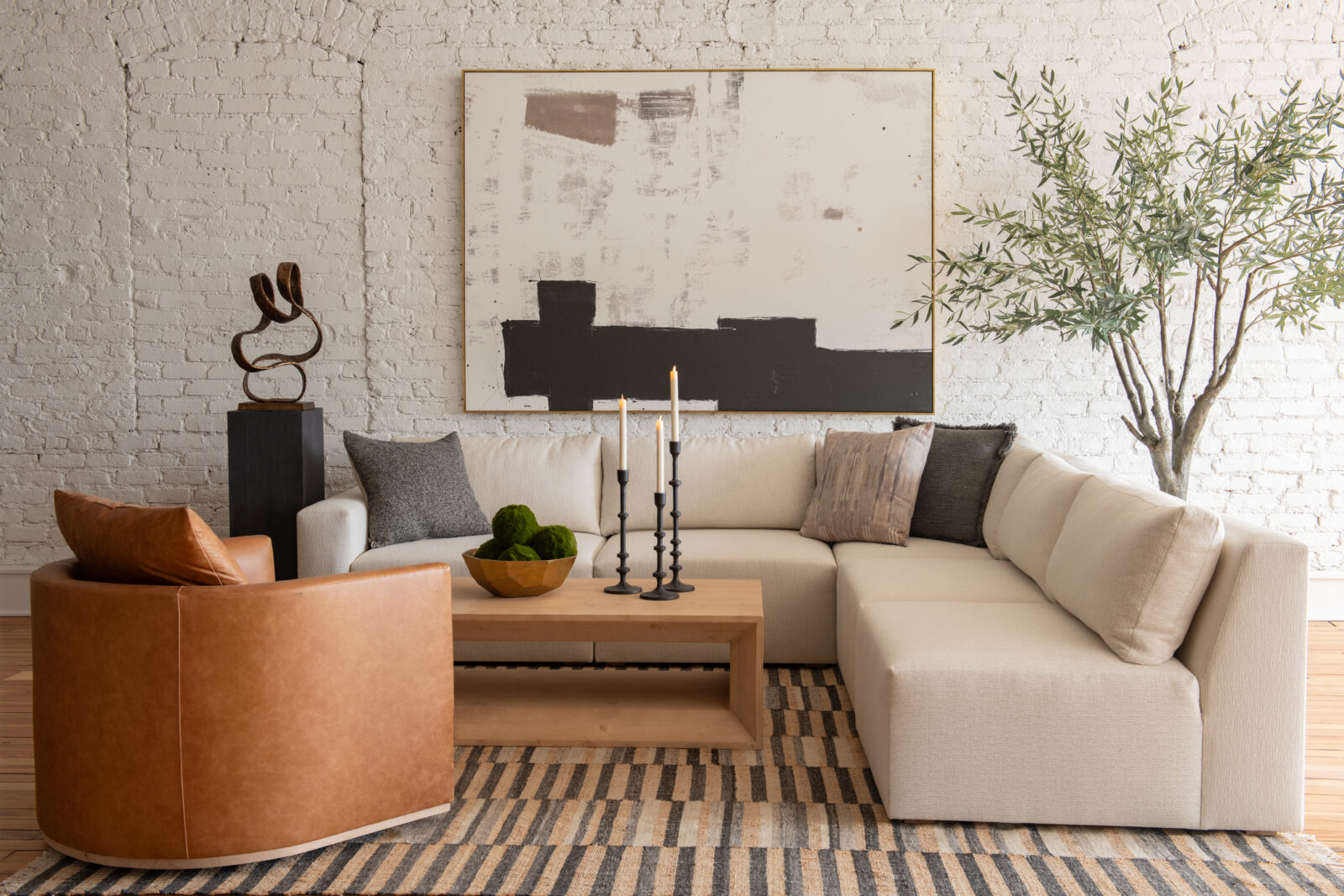
With timeless track arms, durable upholstery, and legs available in either a wood or metal finish, The Fantasy Sleeper Sofa Bed comes in Full XL, Queen and King with one of Luonto’s best selling mechanisms.
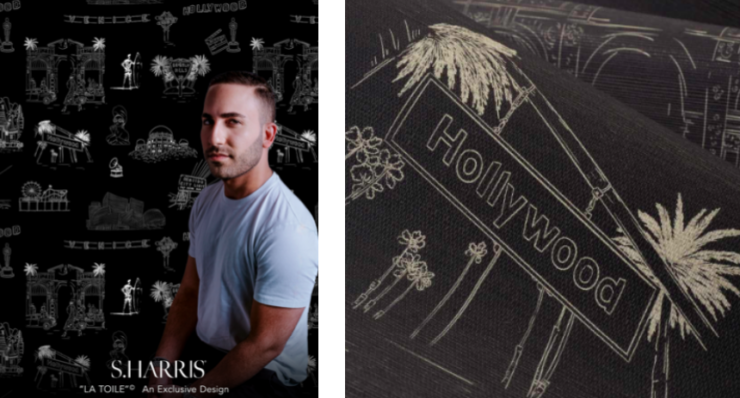
For the S. Harris toile, Saghian features nods to LA like the Hollywood sign, the Frank Gehry designed Walt Disney Concert Hall, an Oscar, the Griffith Observatory, and what Saghian calls “a glam girl getting on her makeup.” After all, he notes, “I’m born and raised in Los Angeles, one of the world’s coolest cities, and had fun featuring all these iconic landmarks I grew up around.”
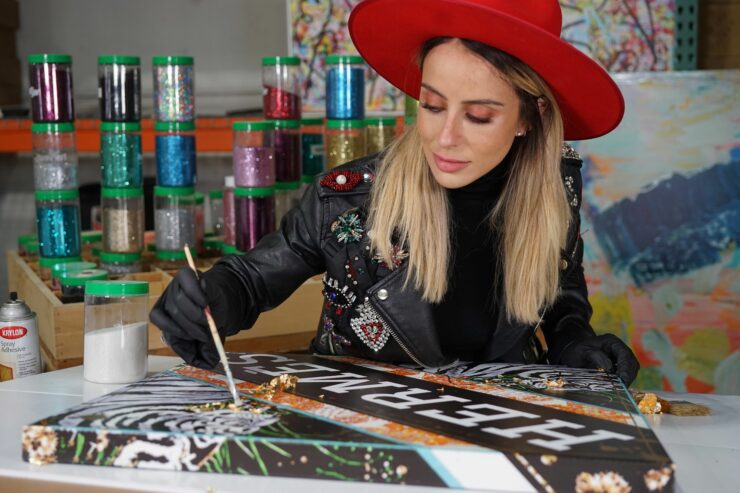
Oliver Gal, the award-winning, Miami-based decorative wall art company announces the Fall 2023 opening of a High Point Market showroom as a part of the brand’s expansion launch with a focus on the home category. Set to present elevated and curated original decorative art works to retailers and design professionals, the Oliver Gal showroom located in the IHFC – Commerce 365 will unveil its Spring-Summer 2024 collections including the works of chief creative and international artist Lola Sanchez.
“We’re thrilled to partner with 1stDibs and provide our agents with first-class service and access to luxury design,” said Mauricio Umansky, CEO and Founder of The Agency. “Our brands share a remarkable synergy, and through this partnership, we can leverage our combined capabilities to offer our agents enhanced access to services that truly differentiate The Agency.”
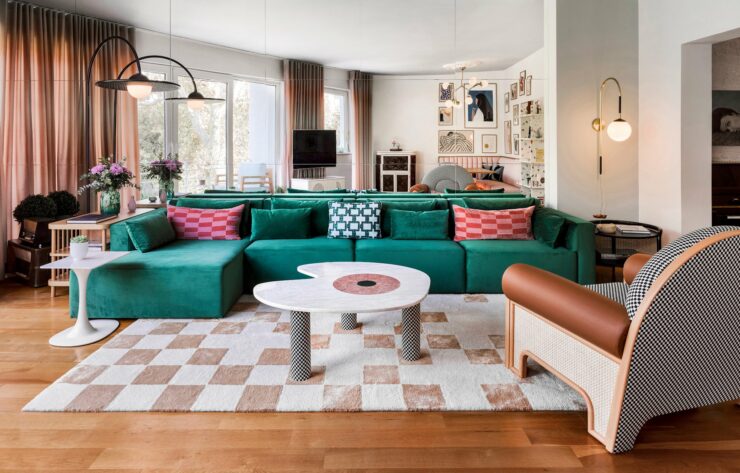
My current favorites are the Sare Floor Lamp and the upcoming MetLife table. My favorite interior design project was a residential home in Bebek, Istanbul. I designed it during covid, and despite the dreary circumstances, I felt proud to create designs that reflect a more positive and fun world. That project makes me happy every time I see the images.
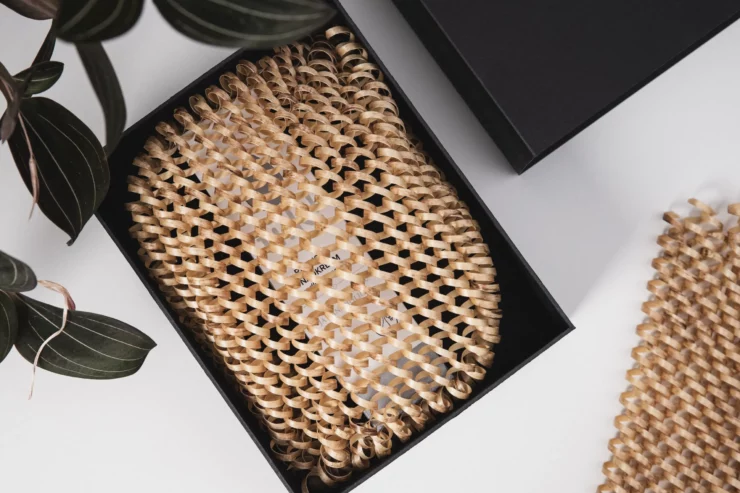
Companies like Estonia-based Raiku have a solution for the luxury packaging industry that sits at the intersection of these issues. Their compostable packaging is designed with luxury products and consumers in mind and doesn’t end up in landfills. I spoke with one of Raiku’s co-founders, Karl J Pärtel, about the barriers manufacturers face in adapting compostable packaging, creating a luxury product and addressing the urgency of environmental issues.
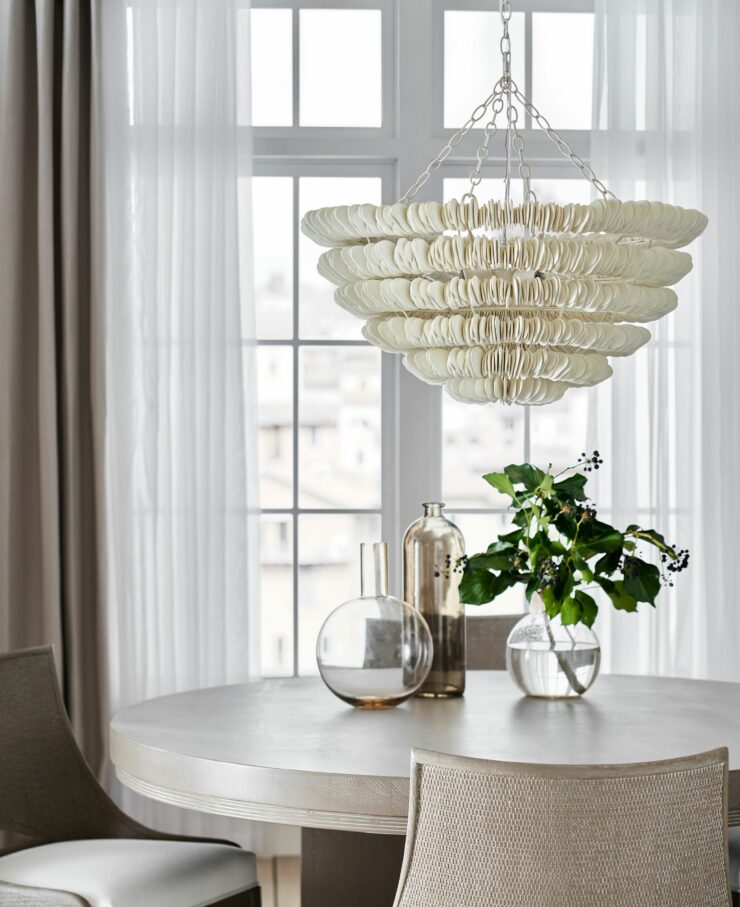
Tulipa is inspired by Tulips for their translucent and colorful petals. The Tulipa Collection makes a statement with curved pink and green glass shapes that alternate colors and adorn the center column. The column features a downlight with integrated LED lamping and a frosted glass diffuser.
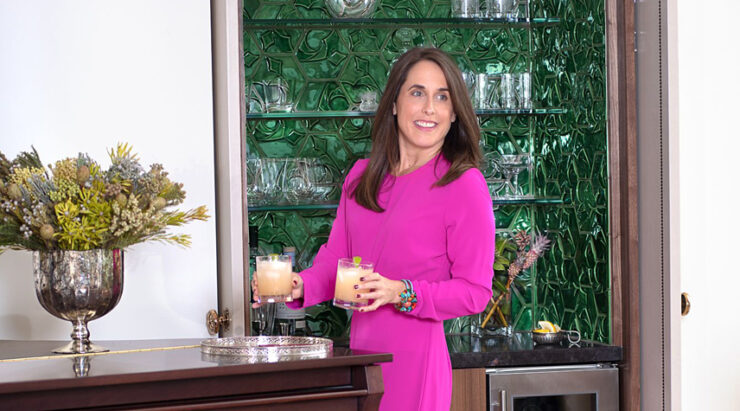
After branching out on her own, Trousdale noticed a change taking place in the industry: Clients were becoming more familiar with product. There was growing pressure to present clients high level design with an element of surprise. Who and where could she turn to find the industry support and resources she needed to keep up with this shifting tide? Turns out she wasn’t the only designer noticing the trend. As a result, Trousdale launched Circaphiles in 2020, which connects and empowers professionals in the design industry by providing educational resources, networking opportunities, and access to unique sources, vetted by peers designing at a high level.
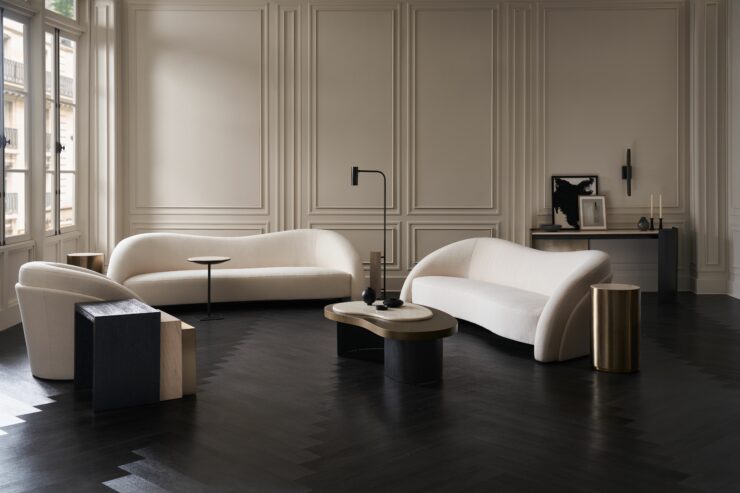
In 2023, he launched an online store, Ryan Saghian Mode-De-Vie, which features a curated collection of furnishings, art, and accessories from his favorite trade vendors and artisans. He is one of the first interior designers to embrace the metaverse with his own virtual showroom, optimized for a fully interactive VR experience. Saghian received his Bachelor’s of Science in Interior Architecture and Design from the Art Institute of California.

AI tools like Firefly are going to make in the design industry is to the designer’s workflow. Adobe Firefly is render-independent and makes notes and adjustments within seconds of receiving them from the user. The rate at which it learns and implements changes accurately and quickly depends on both machine training and artful human-user prompting.