
To get a design from imagination to a retail store is a journey. The designer of furniture, lighting, and décor must immerse themselves in the entire process to be successful. The designer must conceive, create, communicate and visualize the distance to achieve retail success. Today, I am unpacking that journey: here is how to get a design from conception to the wholesale floor.
The wholesale floor indicates that the designed item is now in stock at the U.S. warehouse and ready to fulfill orders. The warehouse is generally attached to the company that markets and designs the brand. I have walked through a number of these warehouse facilities. They are fascinating shell buildings with stacks upon stacks of items and “Beware of Forklift Traffic” warnings. The inventory in a warehouse is a fun perspective on commerce. To one side of the warehouse, or in the office section, there are items under consideration, samples, and imagination.
The Design Process
Let’s start with the design. Just because we imagine beauty and sketch the item does not mean the object will become reality. The beautiful items we design on paper might not make sense to produce, as the team considers cost to retail price, production, storage and marketing channels. In other words, the factory could design the object and create the object, but –oh no – the object might be too breakable. Or, the item might not be sellable due to the cost of production.
Considering freight
The object might be difficult to “knock down” and ship. Knockdown, or “KD,” means the item is disassembled to ease shipping and keep costs as low as possible. Wholesalers often require KD, or they are shipping too much “air.” Air is expensive to ship. We do not sell air. We sell furniture, lighting, and decor.
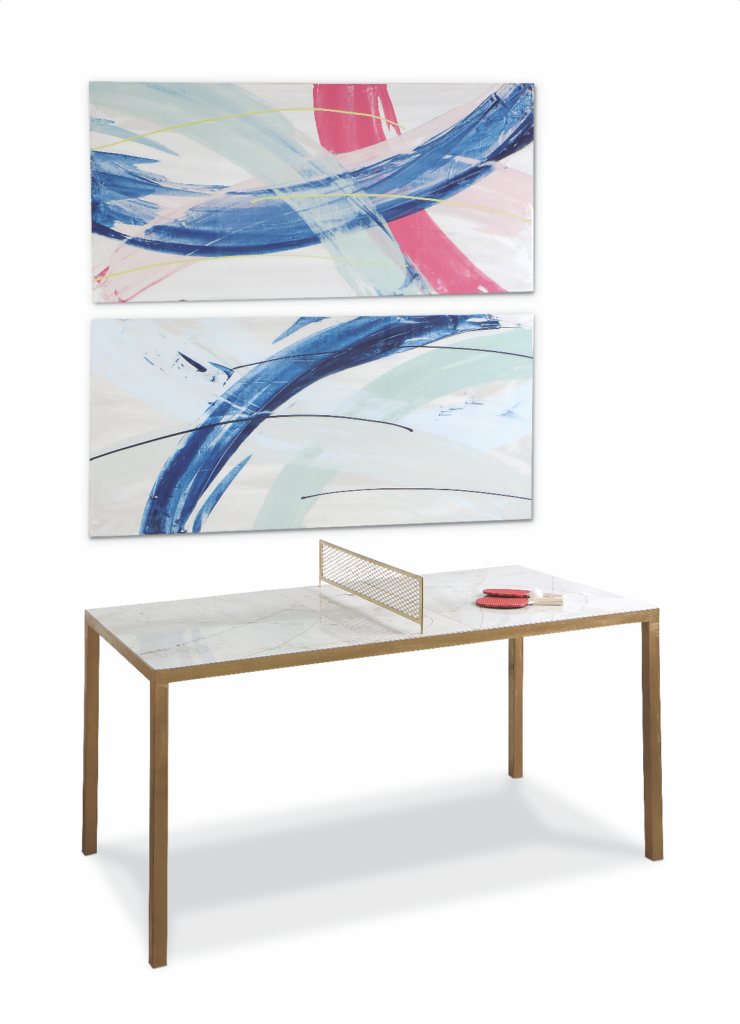
For example, the Austin Allen James team has created the AAJ Ping Pong Diner in Houston, Texas, for nearly a decade. It is a popular item. It is fabricated as a single piece, tagged, signed, and wood-branded on the artwork. The Ping Pong Diner is shipped in a trailer or van, depending on the size. When we had the Ping Pong Diner made overseas, it had to be shipped in pieces and assembled in the US. Once assembled, it was a rickety debacle. The integrity of the design was lost. Thus, we could not mass market the AAJ Ping Pong Diner. Perhaps this is for the best. Some items are meant to be special. They are not appropriate for mass production.
From the Factory Floor
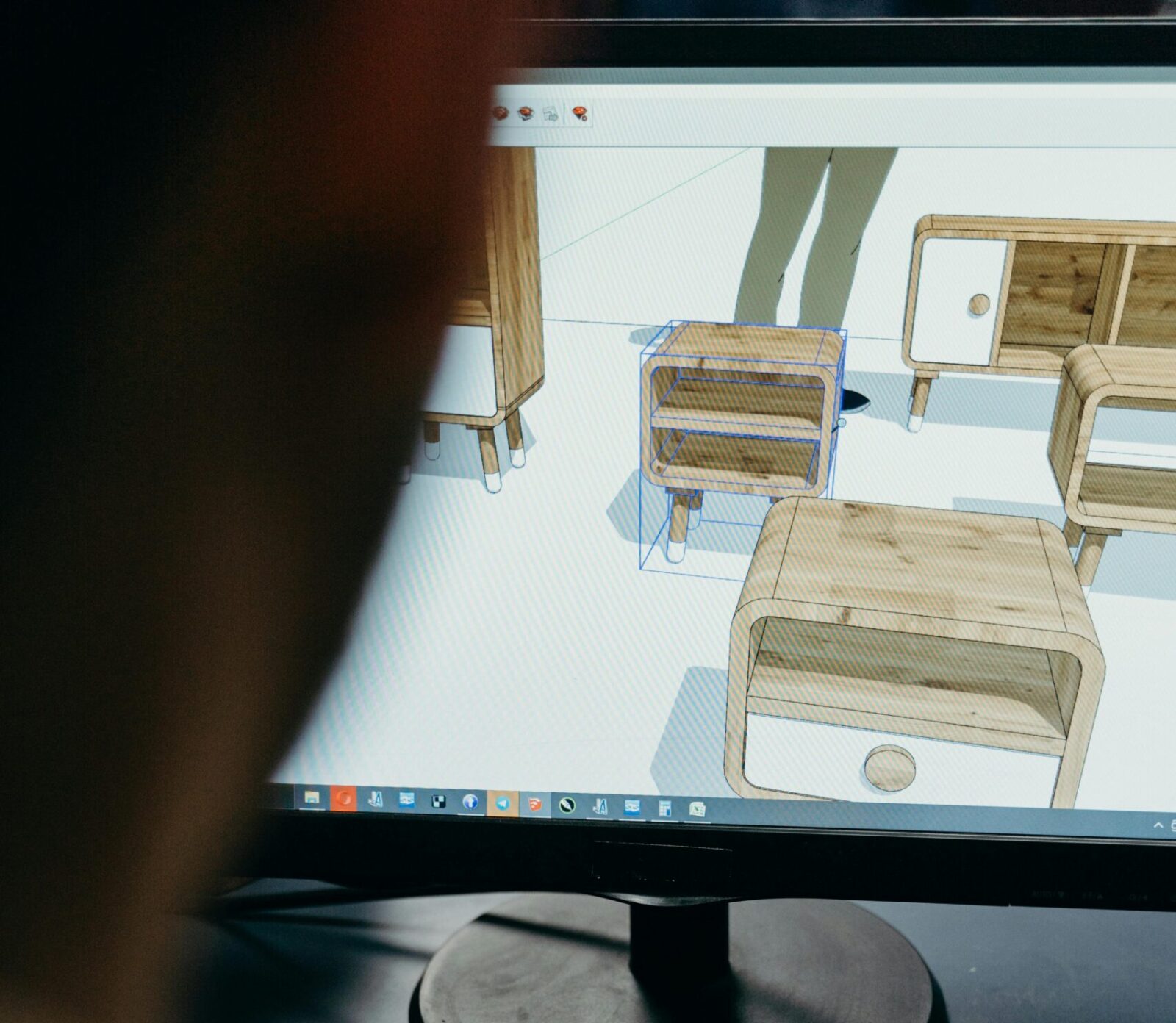
OK, we have designed the object. The factory, generally overseas, is working on the prototype. They must take my drawing or idea and create a computer-generated design, which they can then use to build a prototype and ship a sample to the States. I have designed many items that, upon arrival at the US warehouse, were flat-out ugly or did not function as planned. The color was not right. The proportions were misguided. The negative space was awkward because it was necessary to knock down the item. The whole piece is just a disaster. This means we give up on the item as it was ill-conceived, or we send further instructions overseas. Often, a botched piece dies on the warehouse floor.
This is what happened with the Ping Pong Diner. It died on the warehouse floor. No one was going to buy a rickety dining table that also doubled as a ping-pong table. That turned out for the best.
Wholesale Markets and Showroom Floors
Finally, once we have accomplished a design we love and feel will present beautifully in a showroom at a wholesale market, it might not sell. I have designed many objects made in Houston that did not sell through retail. I was positive that the buyers would love the item. And an item I was iffy on sold almost beyond the capacity to handle the demand. That is tricky. Most retailers do not want to wait four months after an April market to receive and sell a summertime item.
What we do is follow success. We stay loyal to our brand, market segment and customers while pushing the envelope a bit here and there. We sell the popular items until they no longer sell. We discount and discontinue unpopular items. Buyers will always help guide the manufacturing process. When all is said and done, if a slight majority of our ideas that make it to sample sell through to the buyer and final customer, we count ourselves as fortunate.