

Green Interior Design
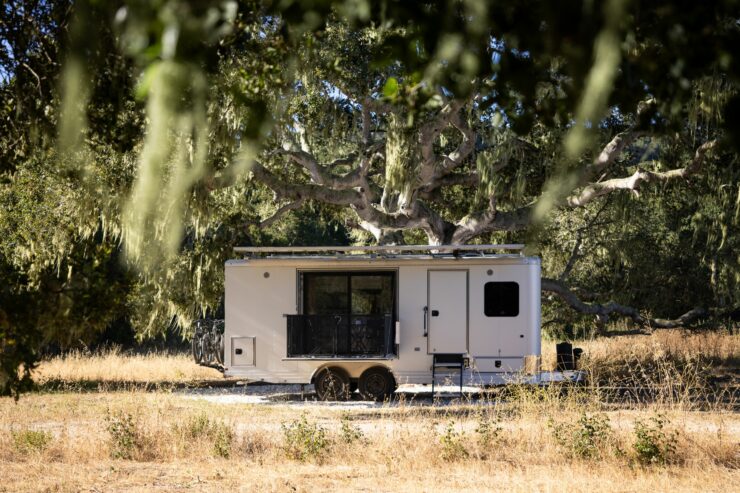
At its core, Living Vehicle seeks to recreate the comforts of home within a mobile milieu. The interior of LV serves as a testament to the utilization of natural and robust materials, akin to an empty canvas for personal expression. Each LV is an individual masterpiece, meticulously tailored to the unique preferences and lifestyle of its owner. The Luxury Finishes package elevates this experience with premium materials, including exquisite black walnut wood treatments, luminous white surfaces that invite natural light, abundant windows that seamlessly connect the interior with the outdoors, and the extensive use of mill finish aluminum, an eco-conscious choice.
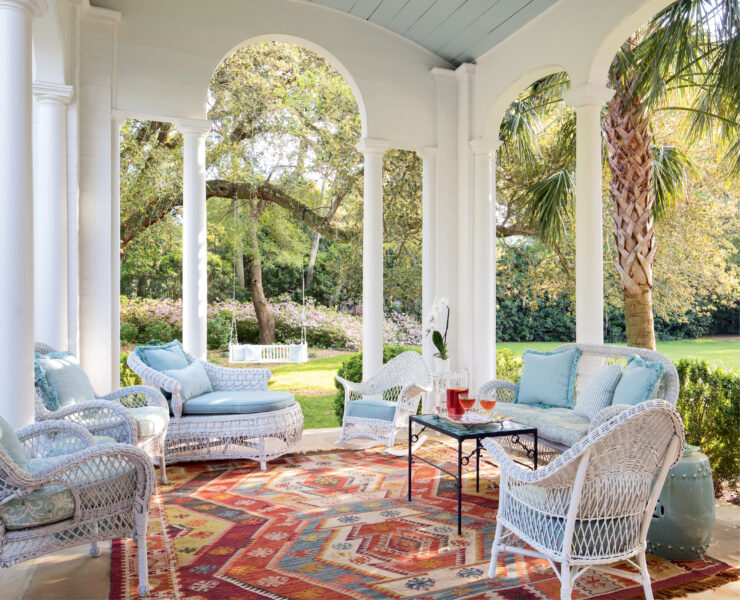
Join us in a conversation with design historian Emily Evans Eerdmans as we delve into Buatta’s enduring influence and why 80s maximalism is making a triumphant return.
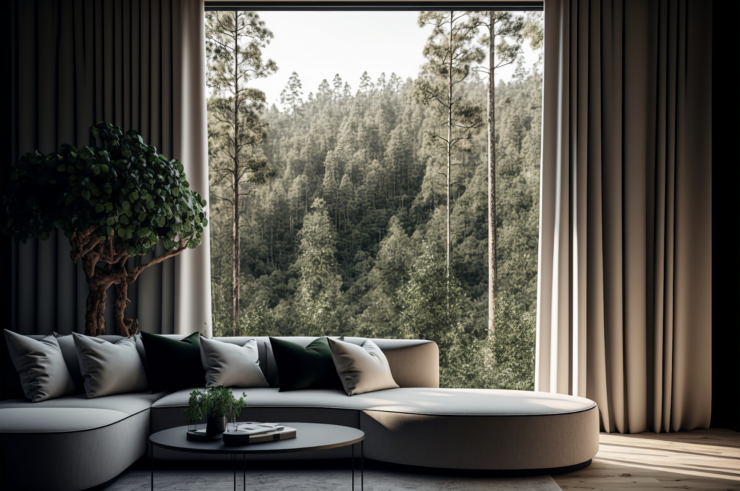
Design Art Science Symposium needs speakers in High Point
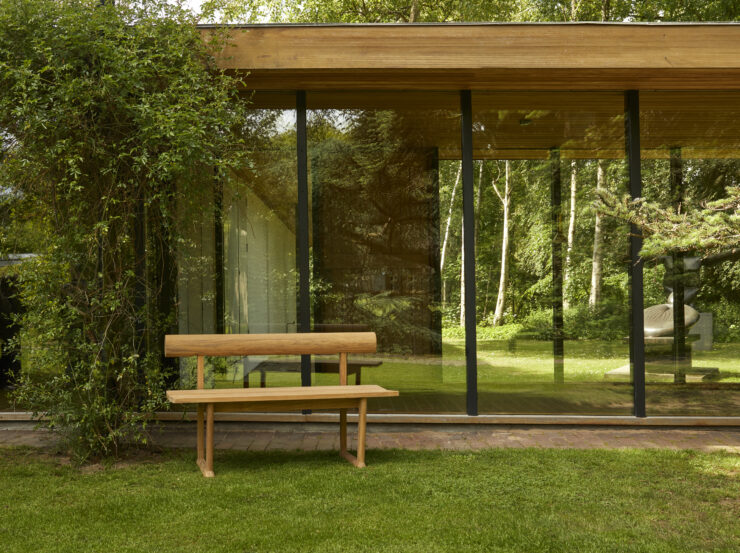
Outdoor furniture is taking cues from modern interiors and hospitality design. Outdoor spaces are reveling in vibrant colors, and metallic accents. They’re being elevated by pieces that reflect the Scandinavian ethos of simplicity and tranquility and the romantic allure of modern Italian craftsmanship. In collaboration with Casual News Now Editor in Chief, Alex Milstein, we explore the trends elevating outdoor design.
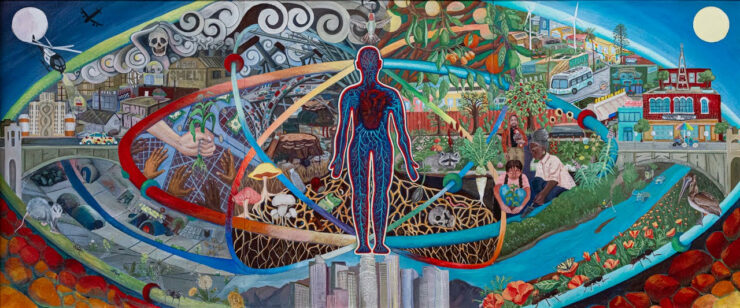
“Before we talk about how we’re going to change the future with green buildings, we…
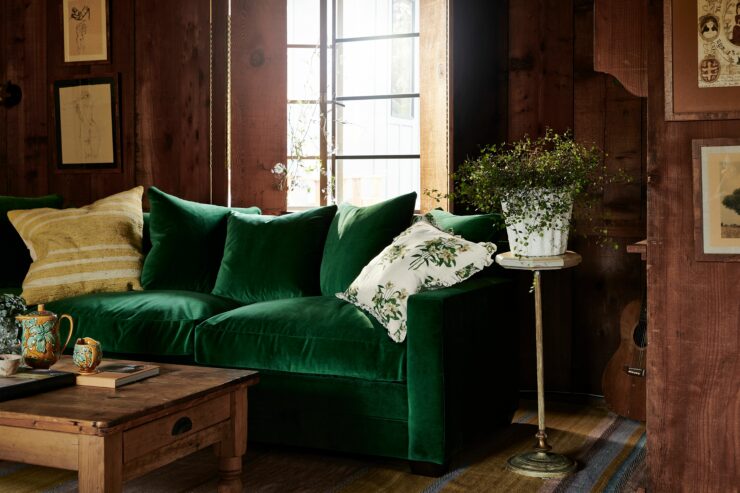
Led by Jaimee Seabury, Williams-Sonoma, Inc.’s Vice President of Strategy and Business Development, the GreenRow team worked in close collaboration with craftspeople in the U.S. and globally to design and develop products for the new brand. “GreenRow is focused on creating modern heirlooms by combining bright colors and thoughtful details into sustainable materials,” Seabury explained. “In addition to designing into a timeless aesthetic, we also committed to utilizing sustainable manufacturing practices and teaching our customers how to care for our products in order to ensure their longevity.”
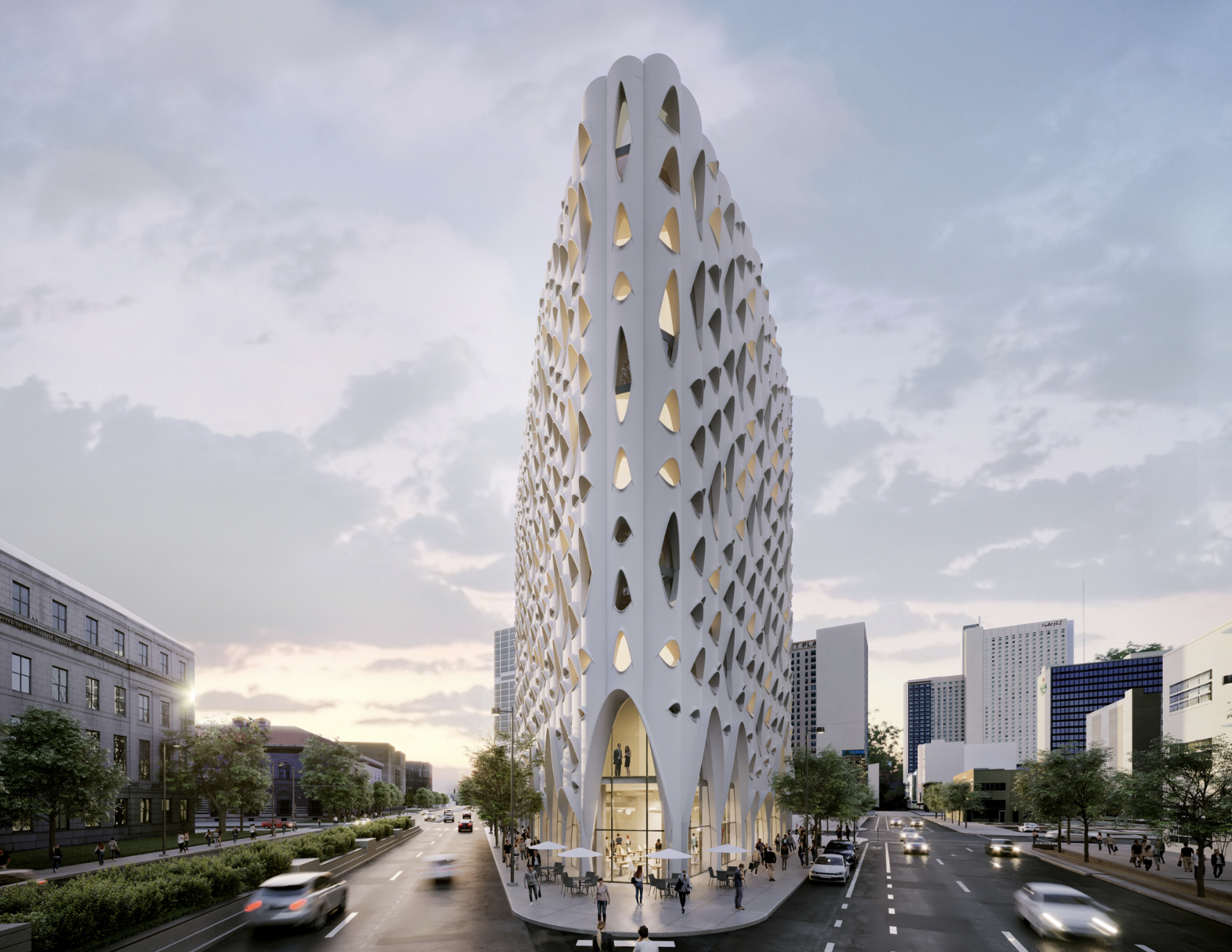
For over two decades, Urban Villages has developed and operated extraordinary projects across
the United States that define environmental stewardship while delivering strong financial
returns. Its impressive portfolio includes Denver’s iconic Larimer Square, which successfully
combined specialty placemaking and innovative urban farming; Denver’s Sugar Block, which
blended adaptive re-use of the Historic Sugar Building with architecturally dynamic urban infill;
West Village at UC Davis, the largest planned Net-Zero energy community in U.S.; and RailSpur,
a multi-project revitalization in Seattle featuring adaptive re-use of historic warehouses
retrofitted for LEED Platinum certification.
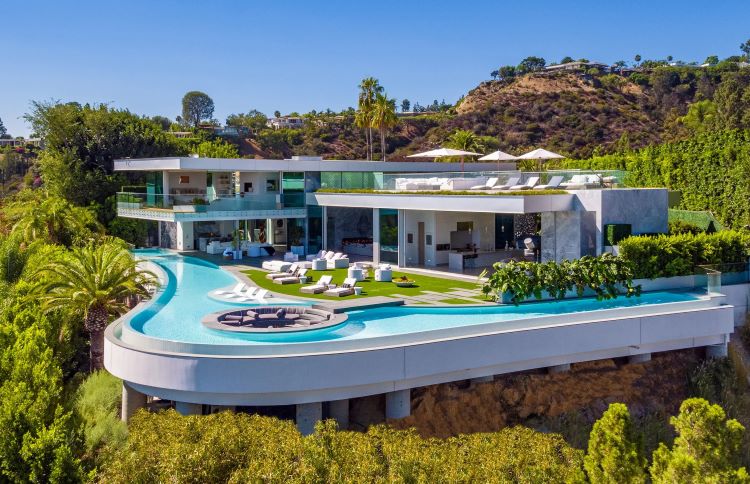
Last week, the Pacific Design Center in West Hollywood, California, hosted its Spring Market, a day full of furniture and fabric vendors premiering new lines and experts chatting about design during panel discussions. There were several major themes that emerged throughout the day about what design clients are craving
“You can have a quality project that is not green but you cannot have a…