
On the Way Up: Tile, Reimagined

From Artisan Craft to Statement Installations, the Category Continues to Evolve
By Julie A. Palm
Lidia Valdivia admits she has a “tile problem.”
“I love tiles so, so much. Since the beginning, when I was doing investment properties, that’s always been the most fun part,” says Valdivia, a designer, builder, contractor, and founder of Moonstone Design + Build in Minneapolis. “I always carry samples with me. I have more samples coming to the house all the time. There’s so much good stuff out there and emerging companies doing artisan tile, so it’s really fun to discover new tiles, new techniques.”
Innovations in tile, its versatility, and the passion of designers like Valdivia help explain why tile is having a moment. I talked to designers about current tile uses and style directions. Read on for that, plus a sampling of new tiles that speak to design directions in the category.
Beauty and functionality
Valdivia turns to tile again and again in her designs because of its ability to add texture, color, and personality to any space. In a current Colonial Revival project, Valdivia discovered an original mosaic floor in blue and yellow hues that she’s preserving. “We demolished virtually everything in that house except for that floor, which is the anchor of that room.” And she’s adding a fresh mosaic to the home’s entryway, incorporating handpicked tiles to tie to that original floor.
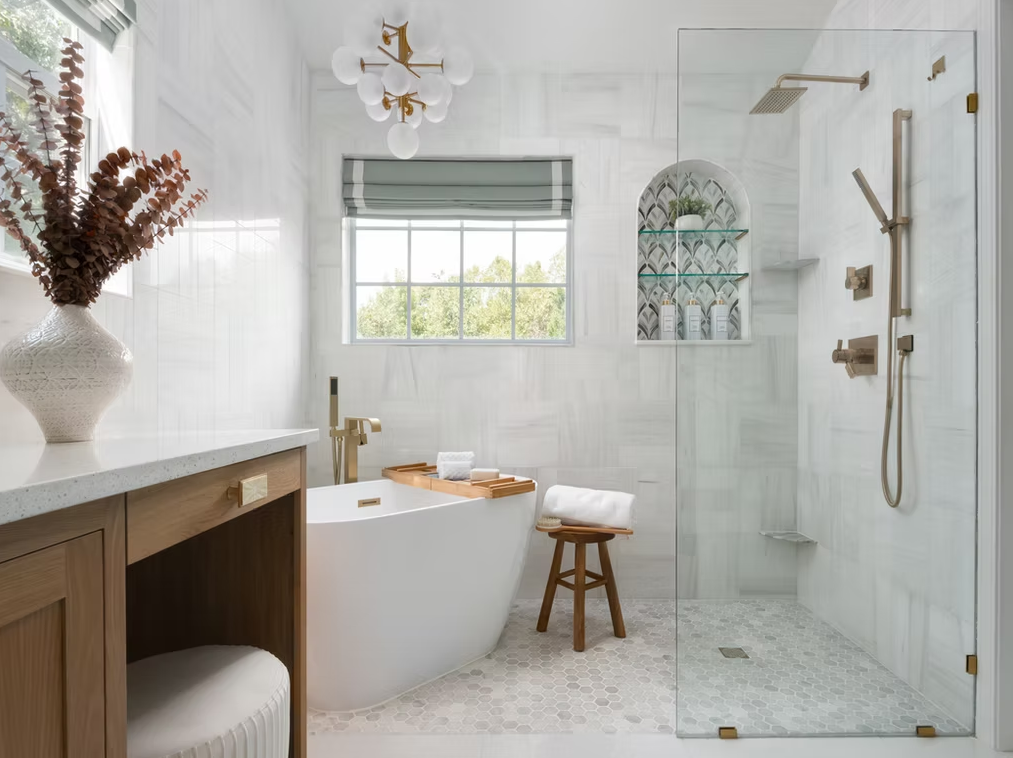
An appreciation of some of those same qualities of tile — and her specialty in kitchen and bath renovations that demand easy cleaning, durability, and waterproof surfaces — means Denean Jackson, owner and lead designer at D. Nicole Design Studio in Charlotte, North Carolina, spends a lot of time designing tile installations.
“Tile adds beauty and functionality to a space,” Jackson says. “You can get really creative with tile, and I love using it to bring in texture and depth. … It also offers timeless design. Tile doesn’t ever go out of style.”
On shower walls, Jackson likes to use large-format tiles (24-by-24-inch or 15-by-30-inch) to create the illusion of a slab, and she plays with directional stacks of something like a subway tile to add a sense of movement.
“I recently finished a bathroom project where we used glass tile to back her vanity mirror,” Jackson says. “I wanted a different texture than wallpaper or paint. It was a pretty peacock teal and gave more light to the space.”
In a current kitchen project, Valdivia is installing tile along the toe kick of the cabinets and using zellige tile on the island counter.
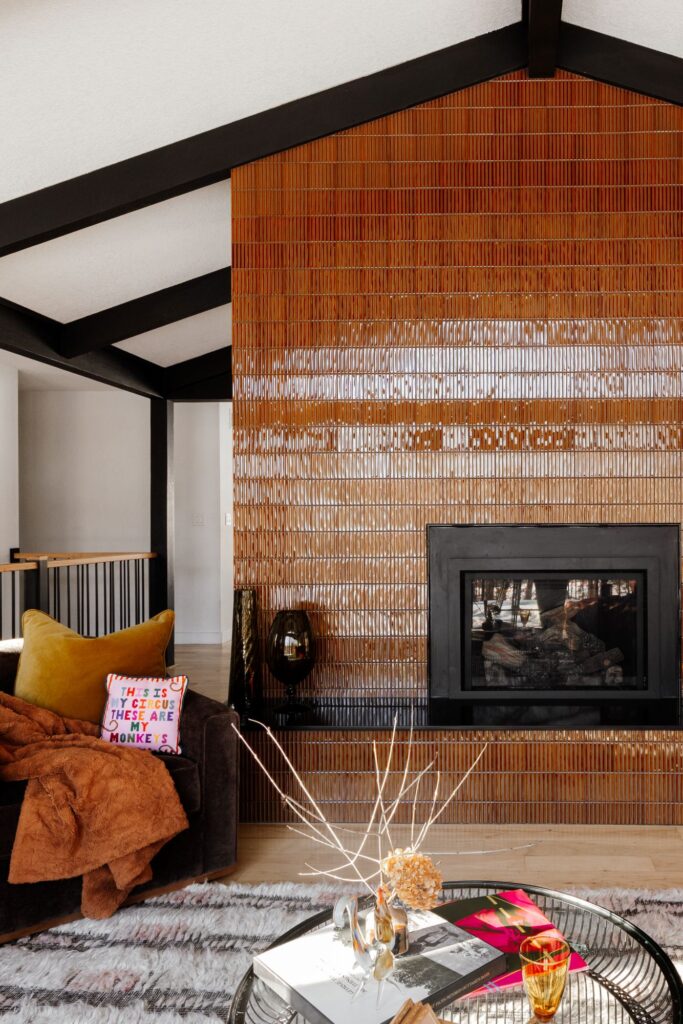
Valdivia also likes to tile over painted fireplace brick to restore color to a space. She used a brown fluted tile reminiscent of traditional reddish-brown brick hues to cover 700 square feet of the fireplace in a midcentury home. “It brings the texture of the brick but in a different form and completely changes the room,” Valdivia says. “It looks more elevated and has more personality.”
Valdivia’s favorite sources for tile include Mercury Mosaics, Zia Tile, Fireclay Tile, clé Tile, and Architessa. “Even on Wayfair and the Tile Bar, there’s really good stuff hidden there,” she adds.
When it comes to design directions in tile, Valdivia is a fan of stacked patterns but doesn’t love large-format tiles, which “feel very bland” to her. She prefers small-format tiles and appreciates different tonal combinations on each tile.
Like Valdivia, Jackson is a fan of zellige because of its handmade aesthetic. She also appreciates full-height tile backsplashes and other statement tile installations.
“In mudrooms, you might want to have starburst-shaped tiles, just to give some art and visual interest,” Jackson says. One thing she isn’t a fan of: contrasting or dramatic grouts, which some designers have been using. “Just for maintenance purposes, I’ll always try to complement the grout with the tile, so it looks seamless,” she says.
Tiles that tantalize
It’s hard to convey the sheer breadth of tiles available right now, which might explain why designers like Valdivia and Jackson love them so much: the design possibilities are endless.
Here are some recent introductions that speak to design directions across the category:
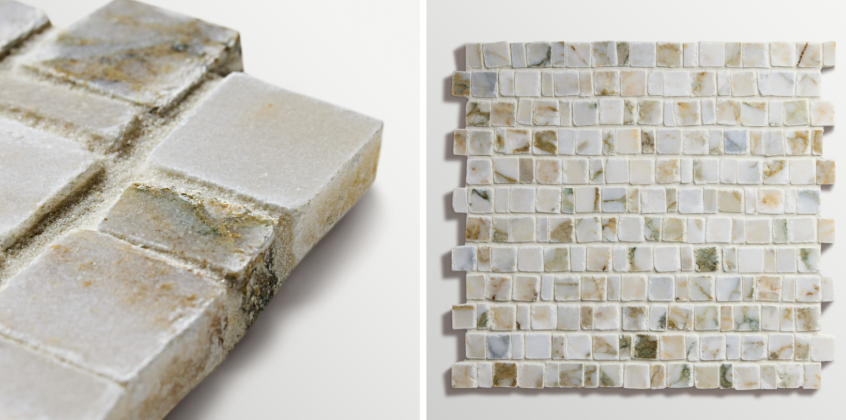
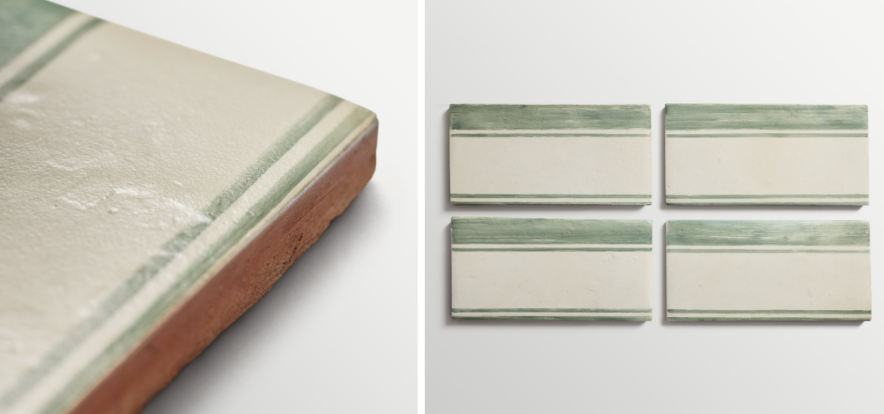
Handmade, imperfect, craft-made looks are key in tile today. Ann Sacks introduced seven new collections and color updates this spring, including Viana, a group of marble mosaics crafted from calacatta viola, calacatta verde, and Diana royal. Each tile is individually clipped, honed, and hand netted by artisans, resulting in richly textured mosaics available in 1-inch and 2-inch random-size compositions. Also new from Ann Sacks: Primrose Park by Studio McGee. Inspired by centuries-old European hand-painted terra cotta, the collection includes five patterns available in two sizes and 34 standard colorways. Designs include block prints, florals, stripes, and decorative trim with softly rounded, hand-cut edges that reveal the terra cotta base.
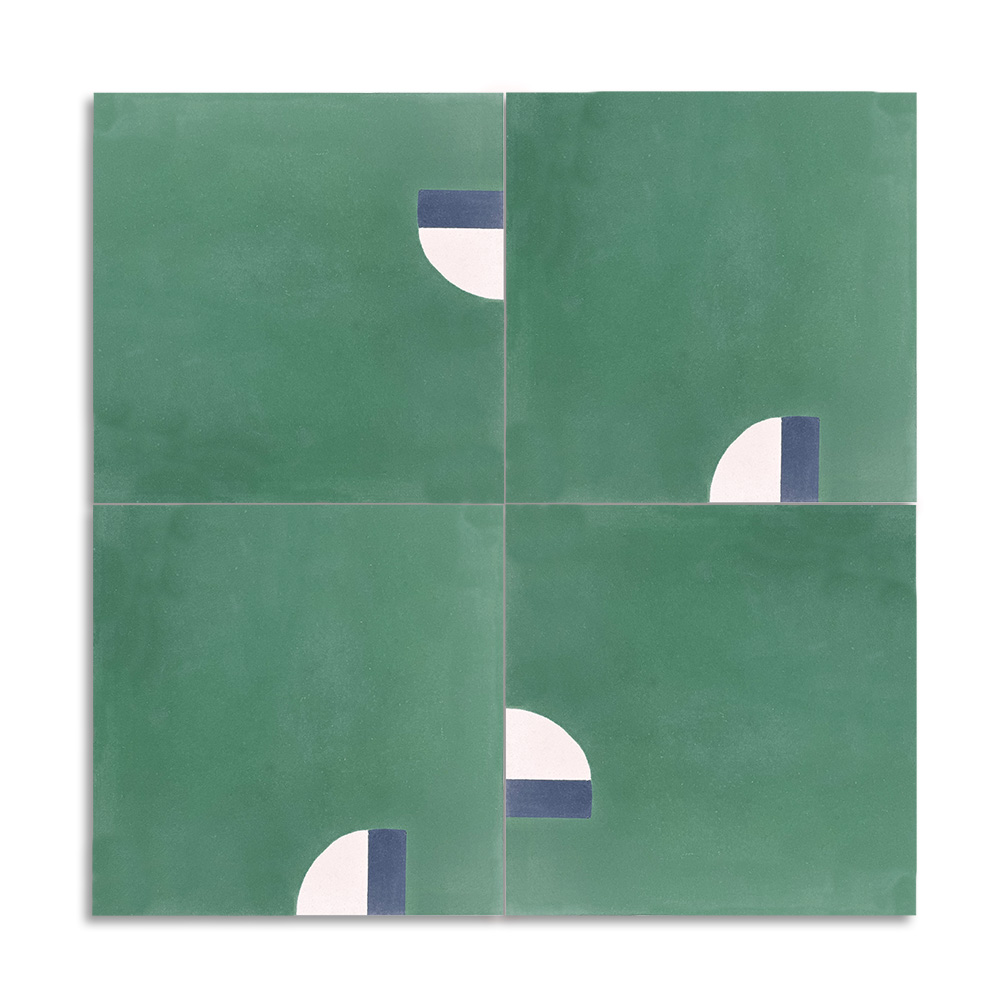
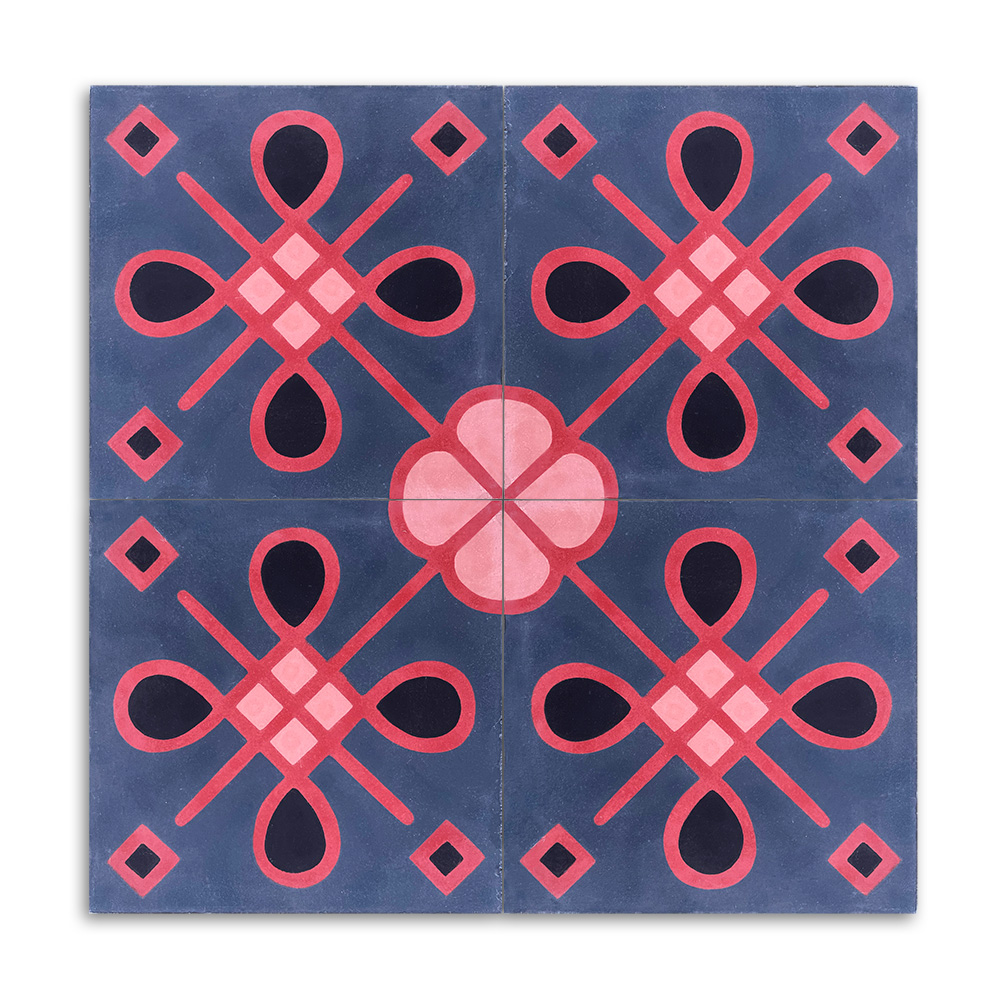
We’re seeing renewed interest in concrete tiles, perhaps in part because, as Grow House Grow notes, concrete tiles “will wear into a space and develop a patina over time.” Grow House Grow showed new vibrantly colored, richly patterned designs at the International Contemporary Furniture Fair in New York this spring, including Good Queen Bess, inspired by Elizabethan influences like quatrefoil and hedge designs of Tudor knot gardens. Also new: Pilar, a pattern inspired by Ernest Hemingway’s beloved boat that evokes classic midcentury style, Cuba, and the Florida Keys. Both Pilar and Good Queen Bess come with matching borders.
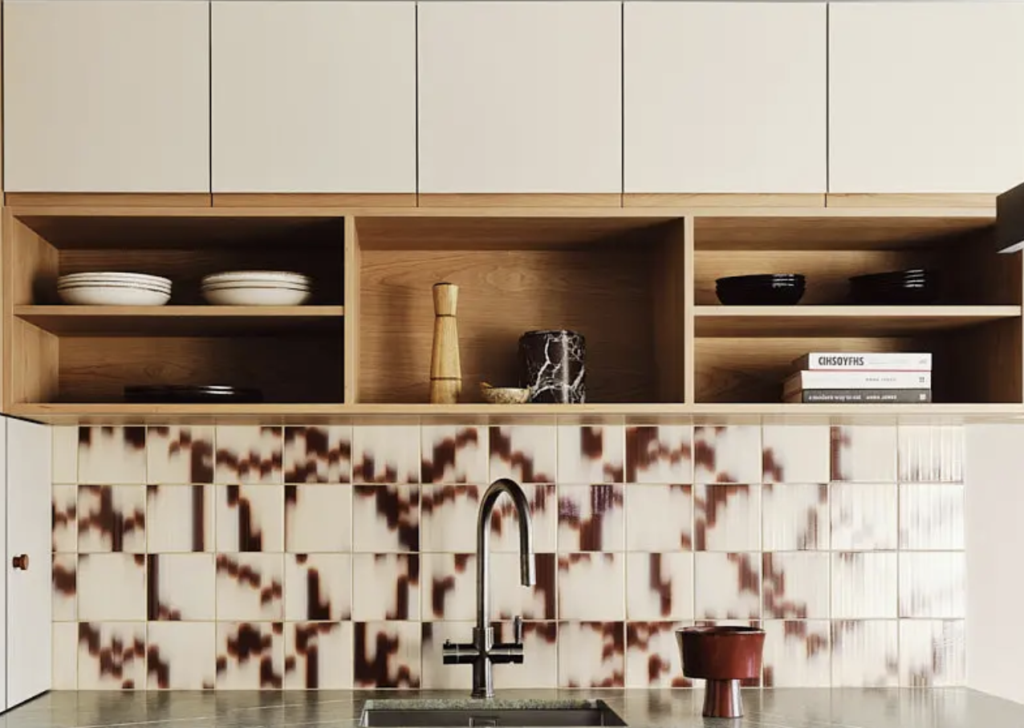
Designers increasingly want bespoke looks. Palet, which showed at Afternoon Light in New York this spring, promises an easy customization process: pick the pattern (including stripes as well as dozens of modern-leaning abstracts like marble and camo), then pick the glaze. Mix, match, and flip tiles to create truly unique designs.
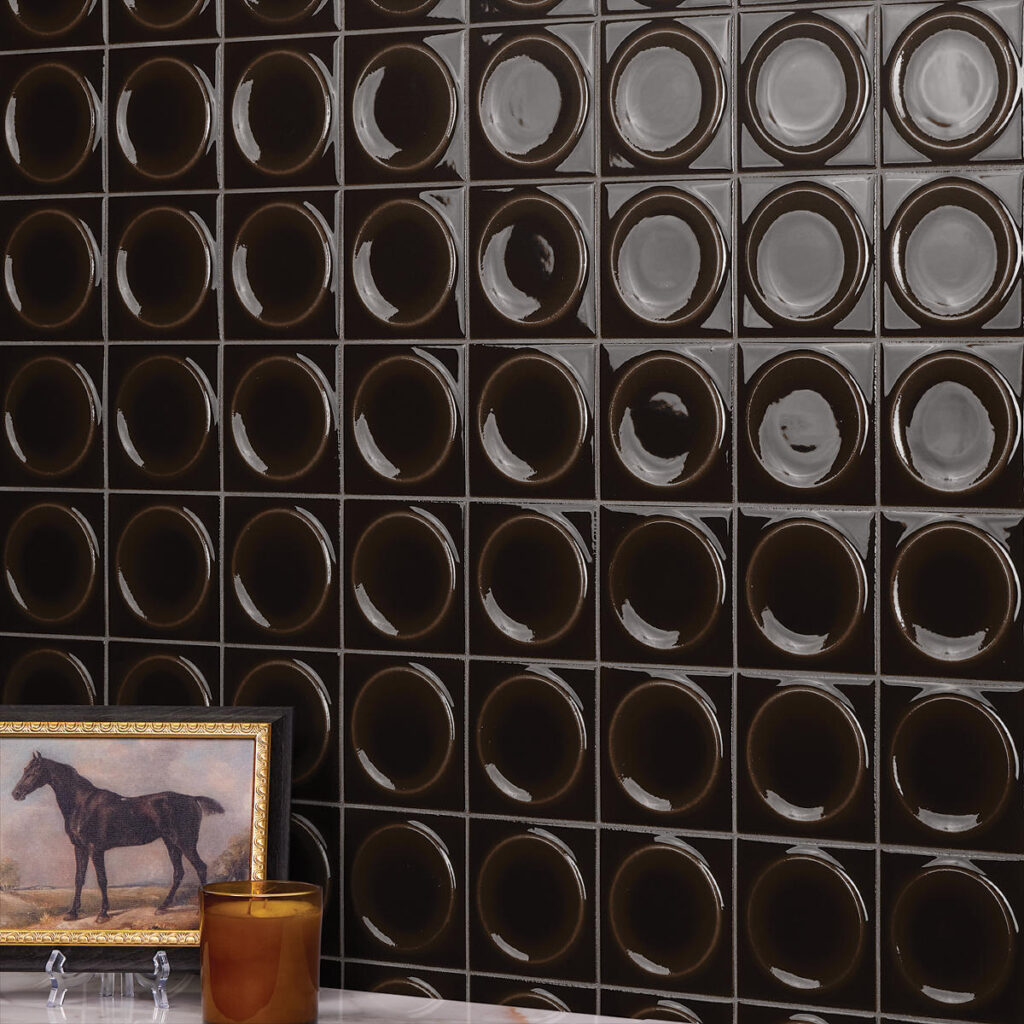
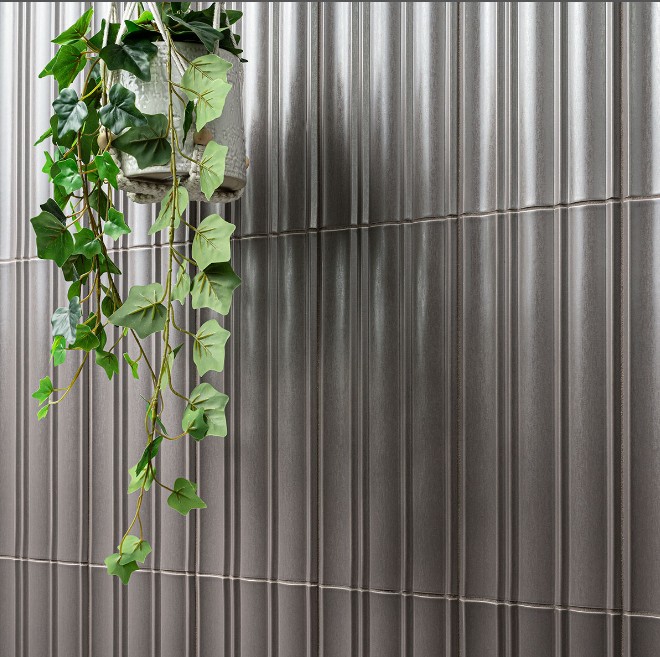
Tiles add depth to walls in ways wallpaper and paint can’t, and we’re seeing tile constructions gain even more dimension. Daltile’s new Nu Bare collection includes a circle pattern with strong contrast and glossy depth. It’s available in several colorways, including ebony and white. Another example: MSI’s Folk charcoal fluted tile features a fluted surface of concave and convex forms for a moody, vintage look reminiscent of paneling.
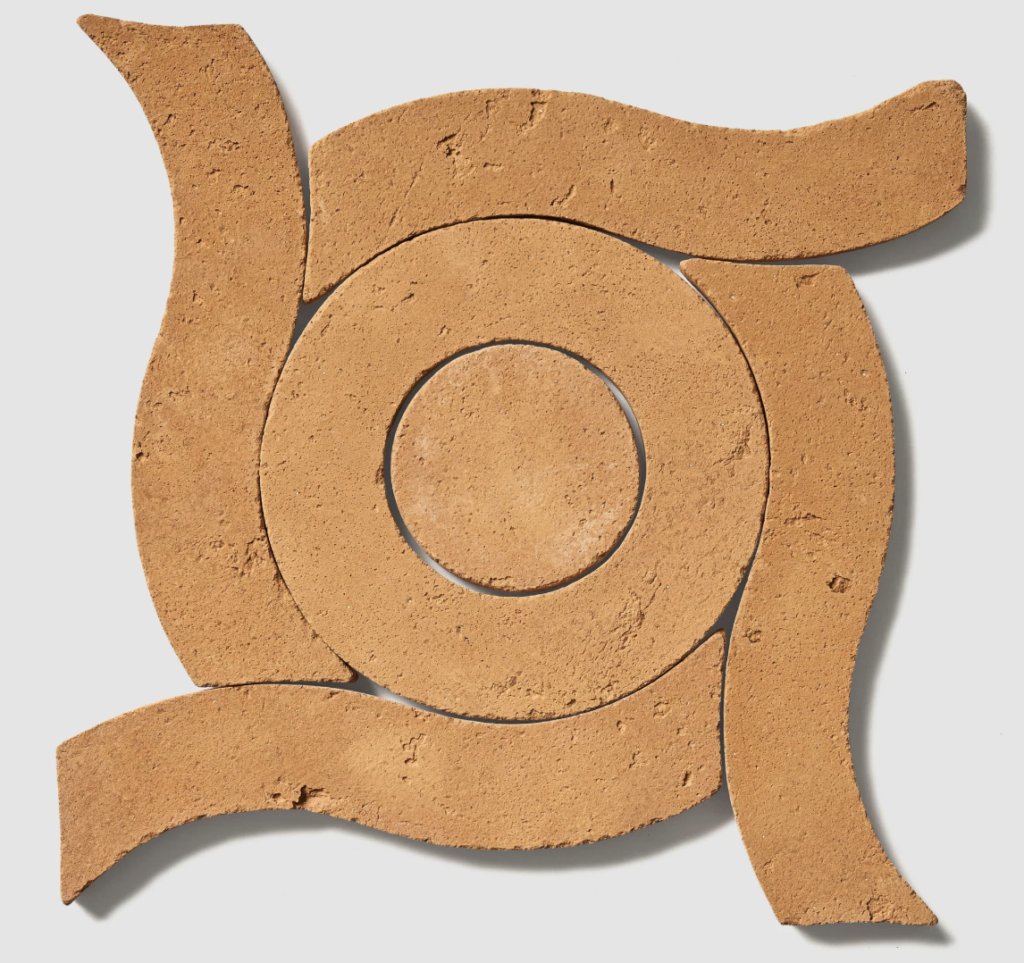
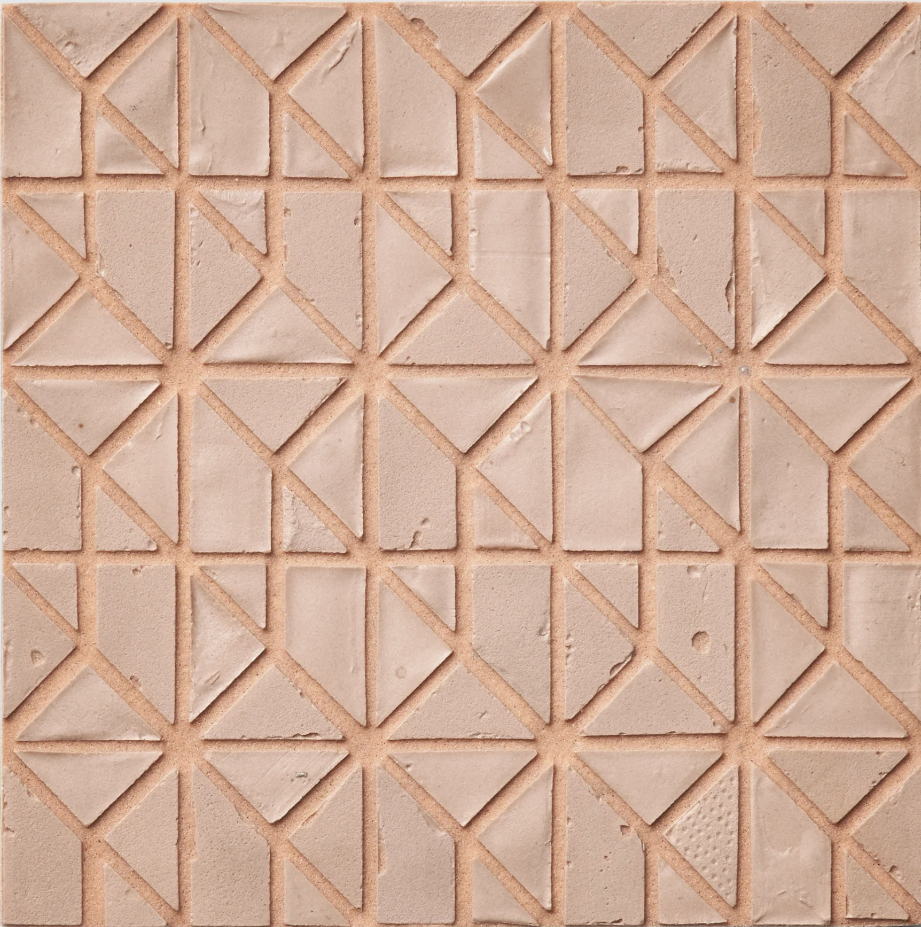
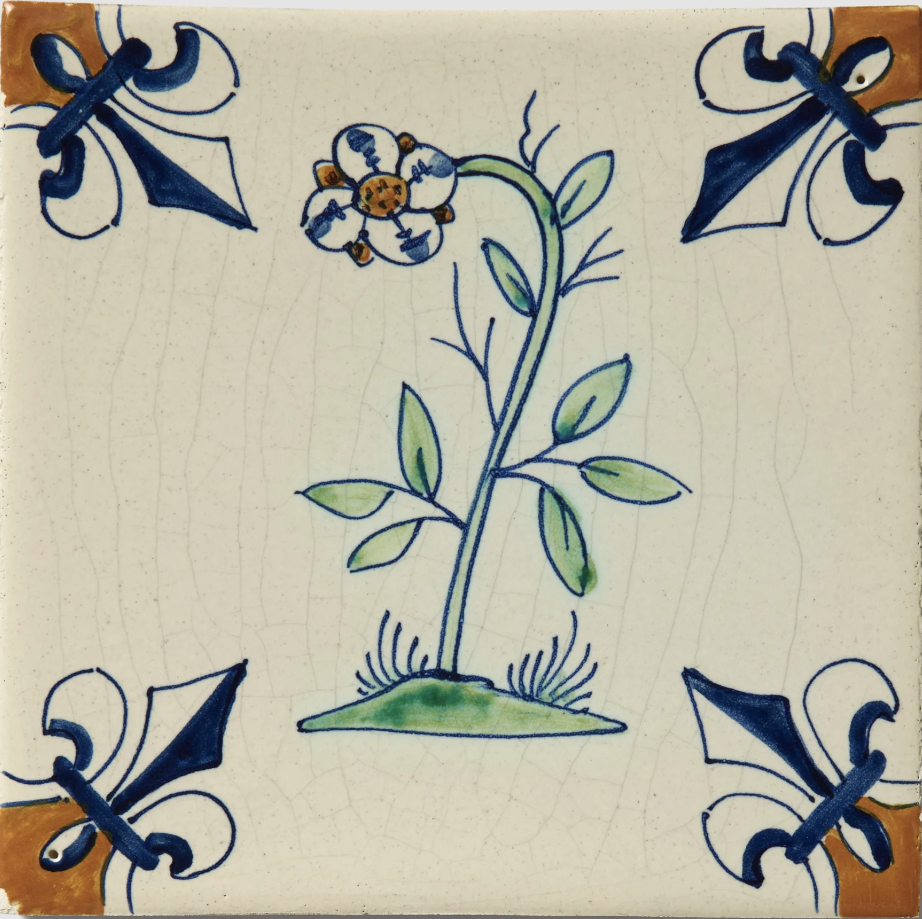
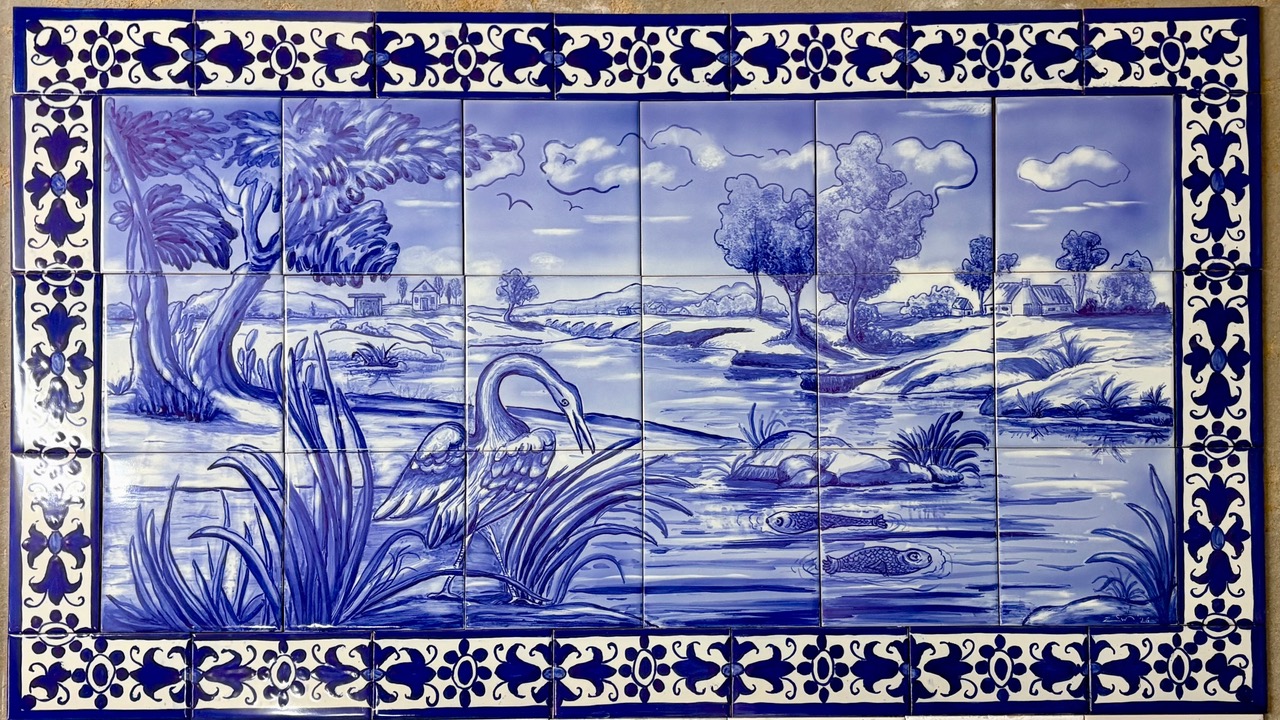
Painterly tiles speak to traditional Delft designs and highlight the growing importance of real artisans in a world of automation. Parma Tile highlighted hand-painted ceramic tiles that reproduce delicate botanical- and animal-themed designs at the Afternoon Light show in New York this spring. They offer a wide range of tiles, from rustic, color-saturated terracottas to mixed material tiles (like a terrazzo and marble duo), as well as hundreds of terrazzo, cement, granite, ceramic, and porcelain tiles.
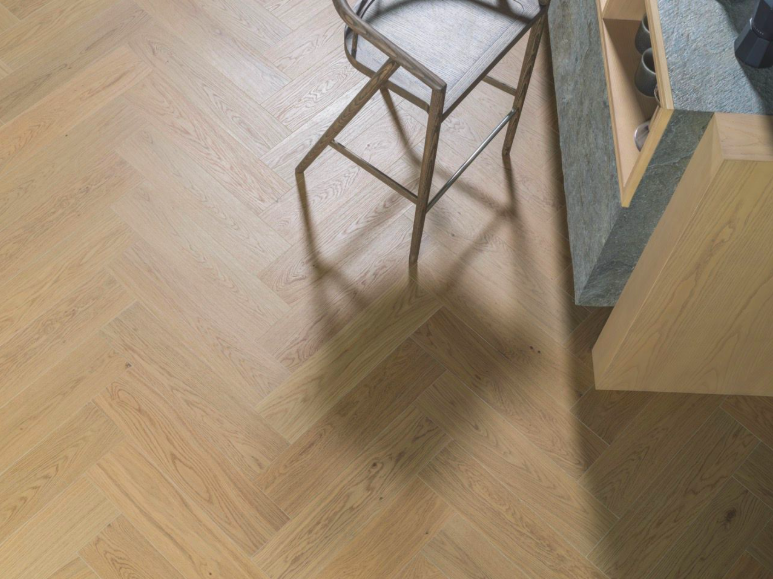
Material-bending tiles offer new ways to look at the form. Spanish producer Porcelanosa has added the wood-look tile Atlanta to its S-tile collection. Inspired by natural oak, the ceramic tile is available in more than 50 patterns and five colors, from light to dark tones.
Whether through handcrafted mosaics, dimensional wall applications, or increasingly bespoke designs, tile continues to evolve as both a practical surface and a creative medium. For designers, its enduring appeal lies in its ability to bring texture, character, and individuality to a space—qualities in increasingly high demand across today’s interiors.
Note: Header image from D. Nicole Design Studio