
Inside TEFAF’s World of Beauty, Contrast and Complexity

By Rachel Fasciani
The past two weeks have been a whirlwind as NYCxDesign unfolded alongside ICFF, Afternoon Light, and TEFAF (The European Fine Art Foundation). Across the many events, cocktails, product introductions, and panels I attended, TEFAF remained the most indelible.
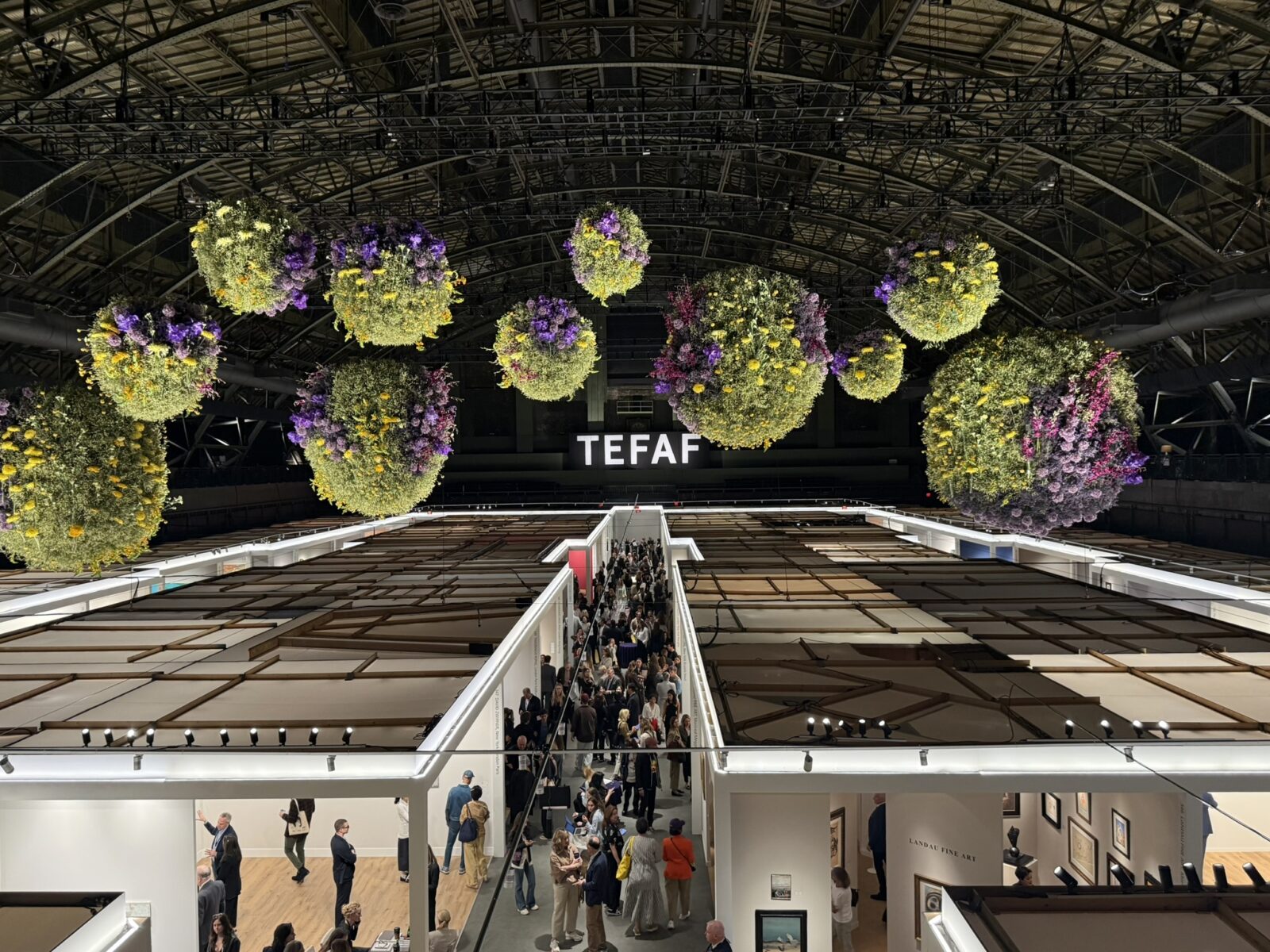
The scent of Le Labo hung heavy in the air of TEFAF. Held annually at the Park Avenue Armory – a glorious work of design itself – TEFAF is one of the preeminent art shows in the US. And for good reason. The galleries and art presented were exquisite.
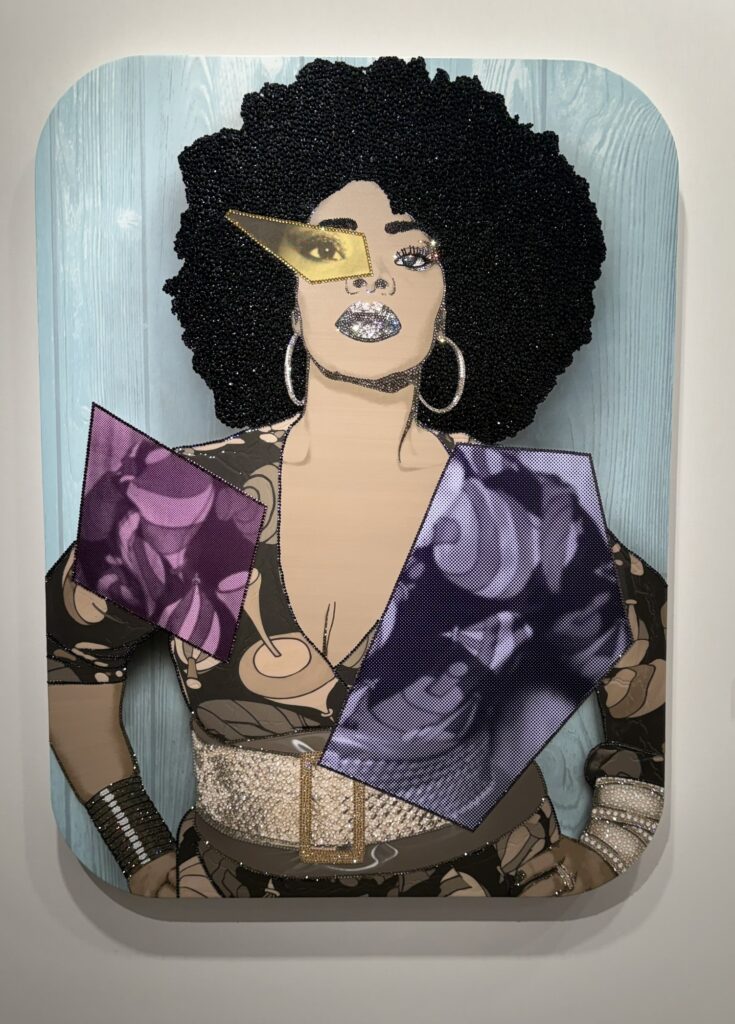
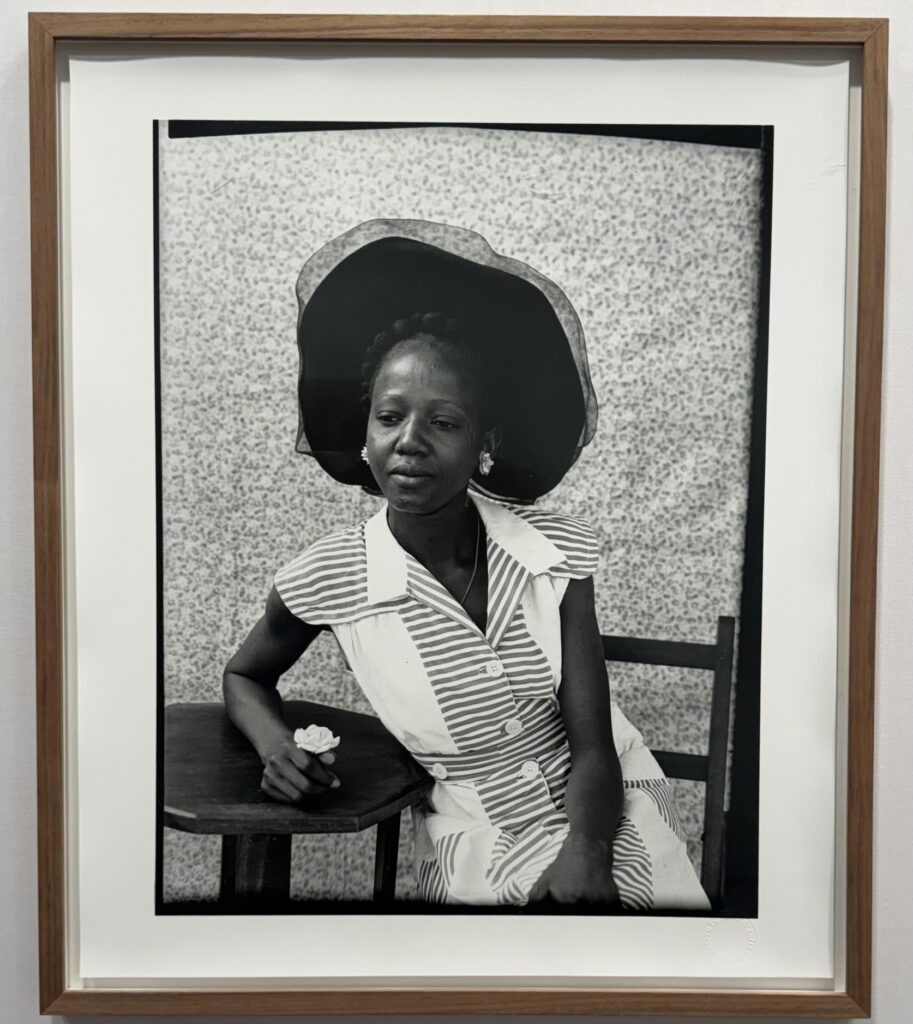
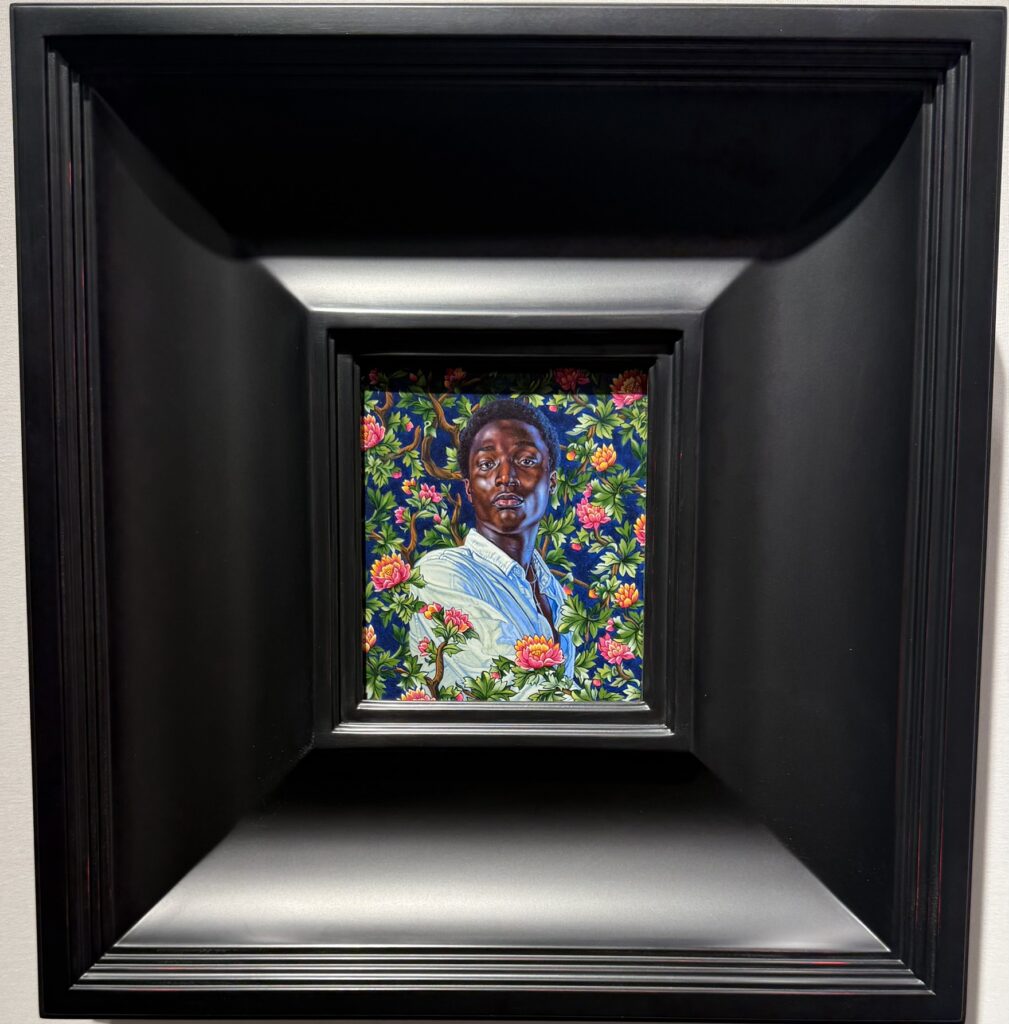
Some of the fair’s most important works reflected the continued rise and recognition of Black and African artists, both in authorship and representation. Pieces such as Mickalene Thomas’ “Portrait of Din”, Seydou Keïta’s “Sans titre” and Kehinde Wiley’s (the famous painter of former President Obama’s official portrait) “Portrait of Olawaiye Ebubechukwu Olagoke” each explore themes such as glamour, female beauty, emancipation, and reimagined representation through distinct lenses.
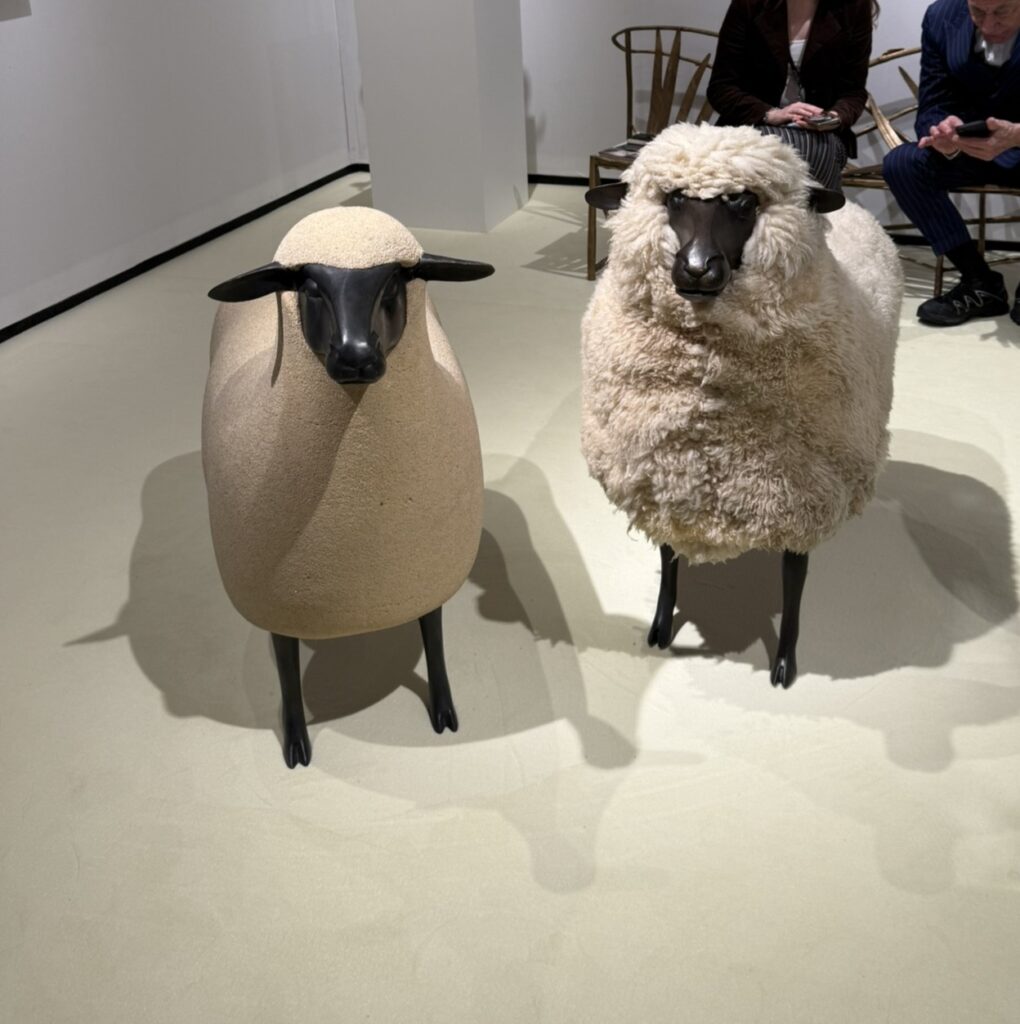
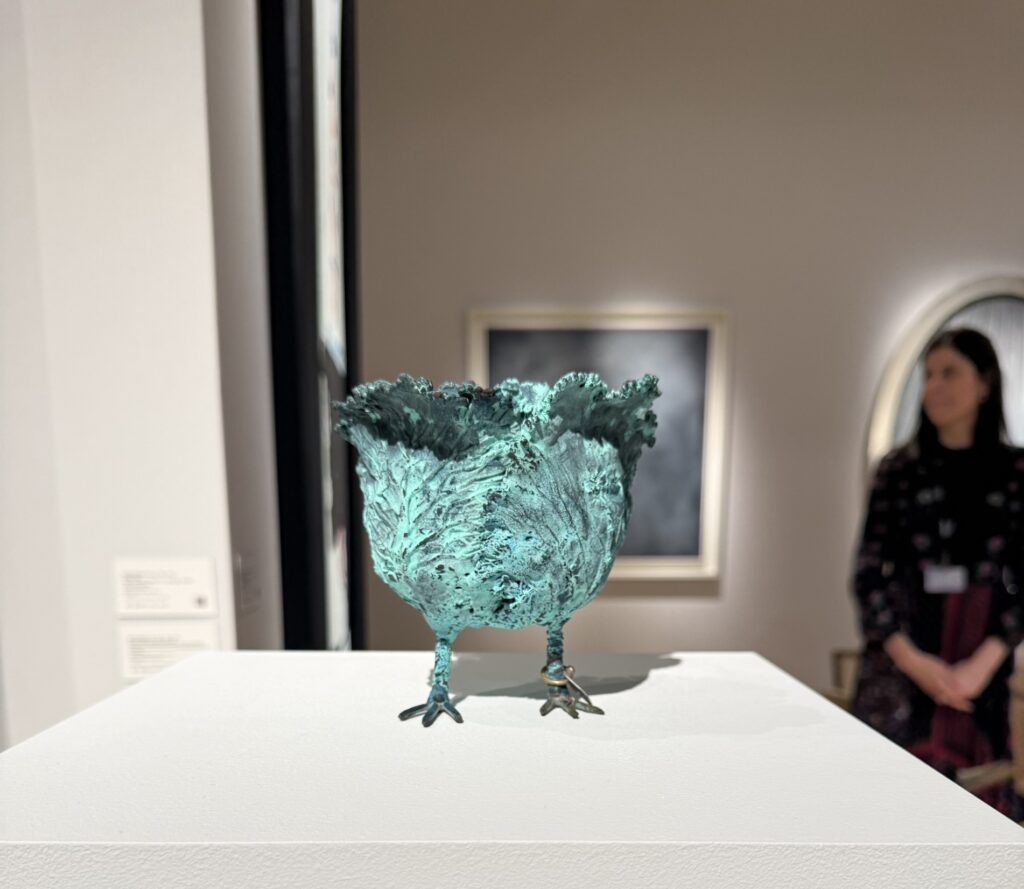
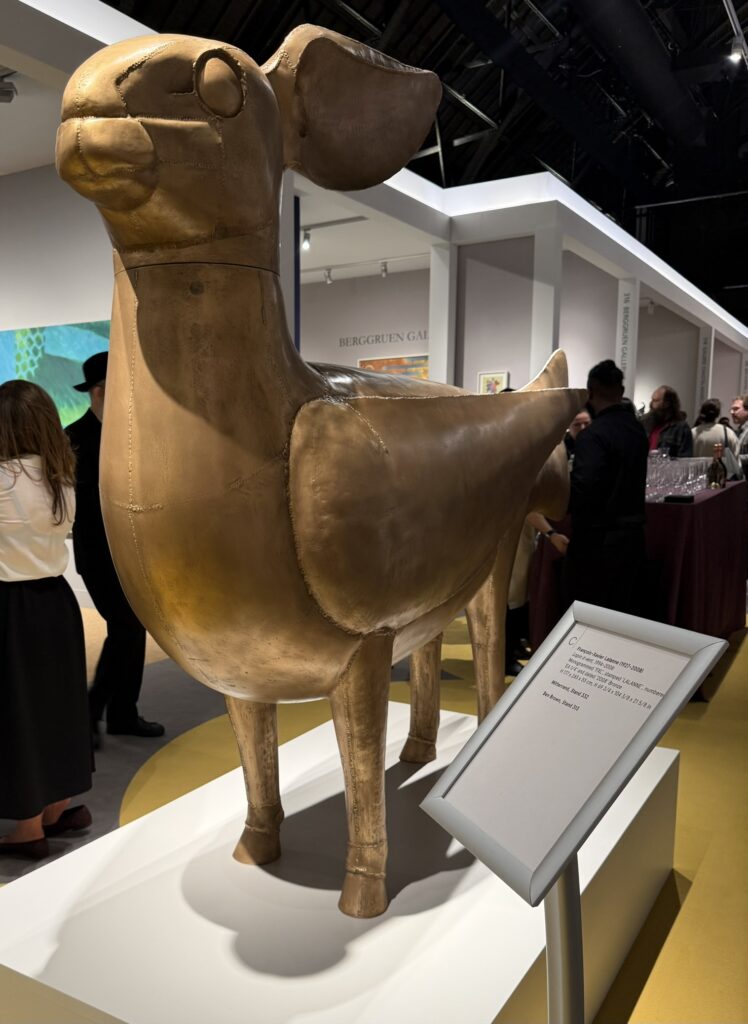
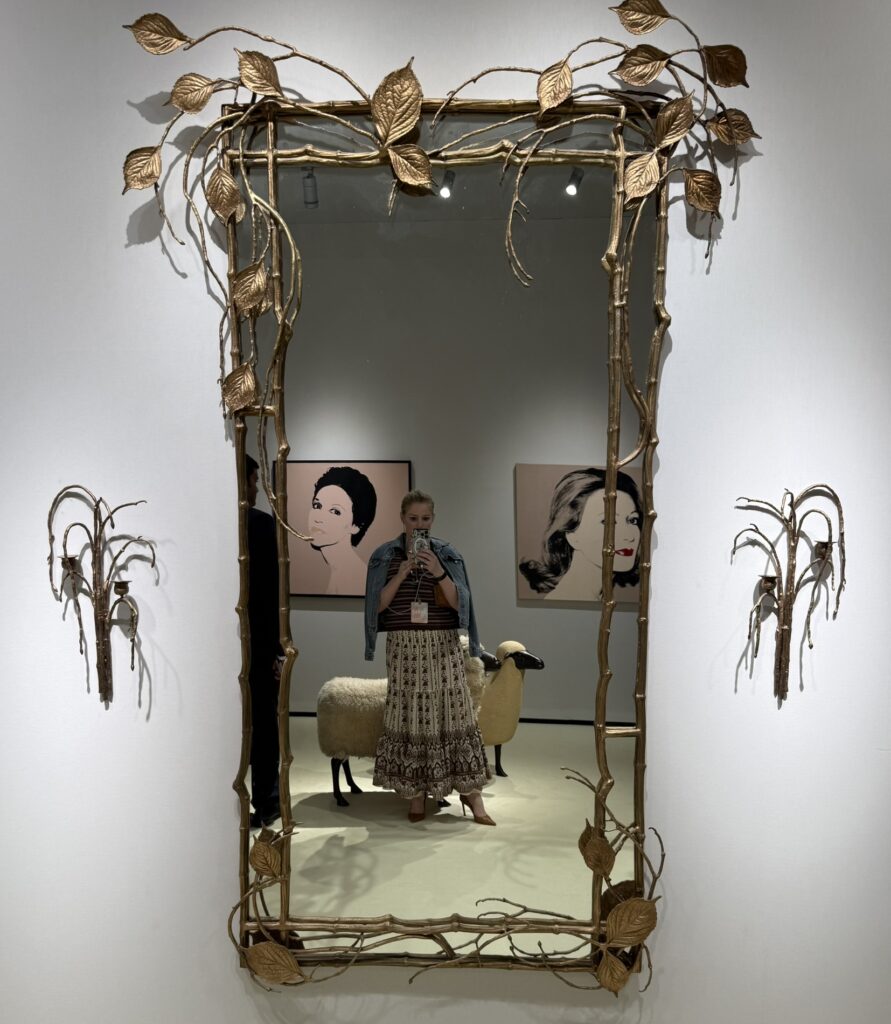
A focus on Les Lalannes’ works, whether it be their eponymous sheep or the rarer, whimsical “Choupatte” and enormous “Lapin à vent”, was also prominent. The interplay of these with Claude Lalanne’s “Miroir et Applique Branches Tombantes” displays the diversity of the artists’ talents. Each felt magical in scale, presentation and presence.
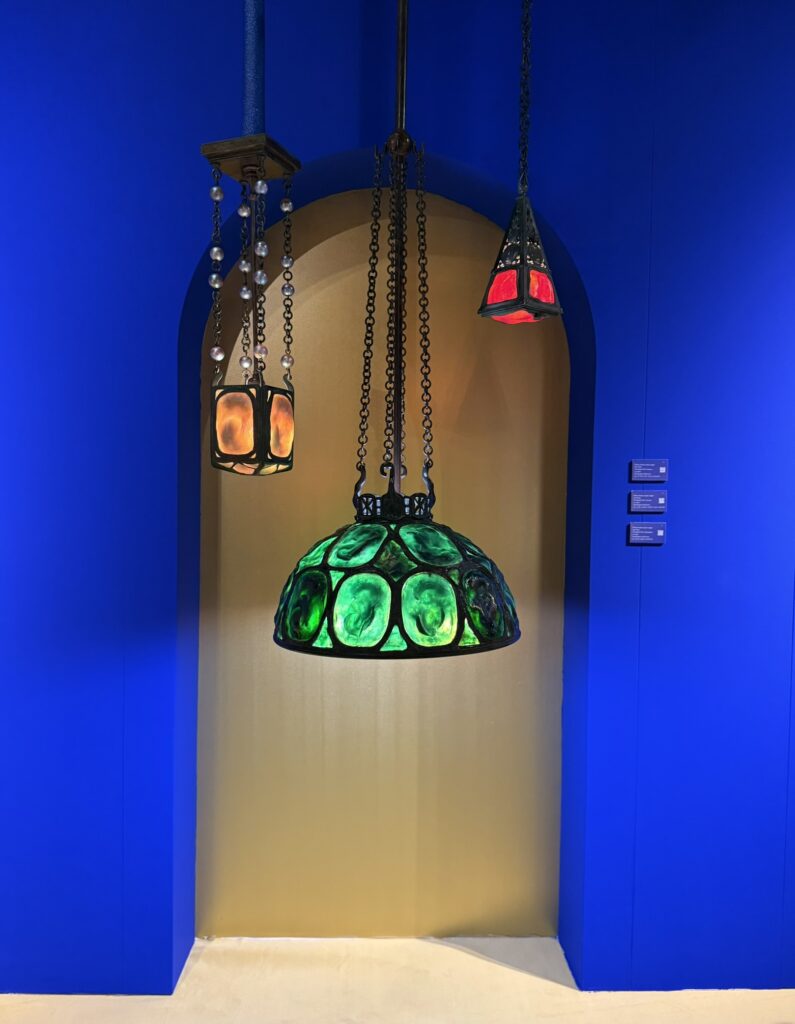
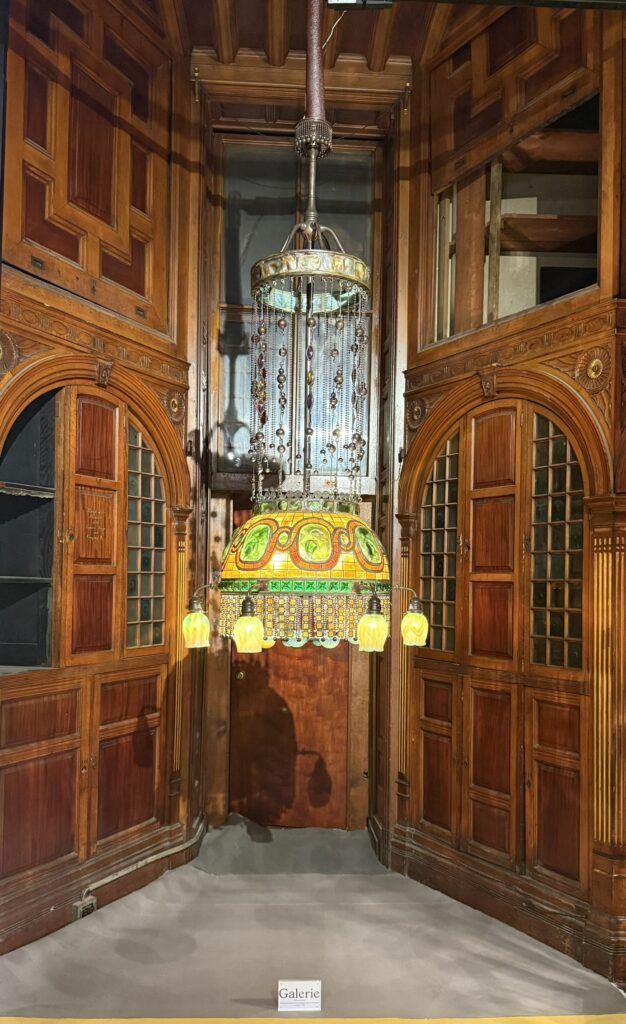
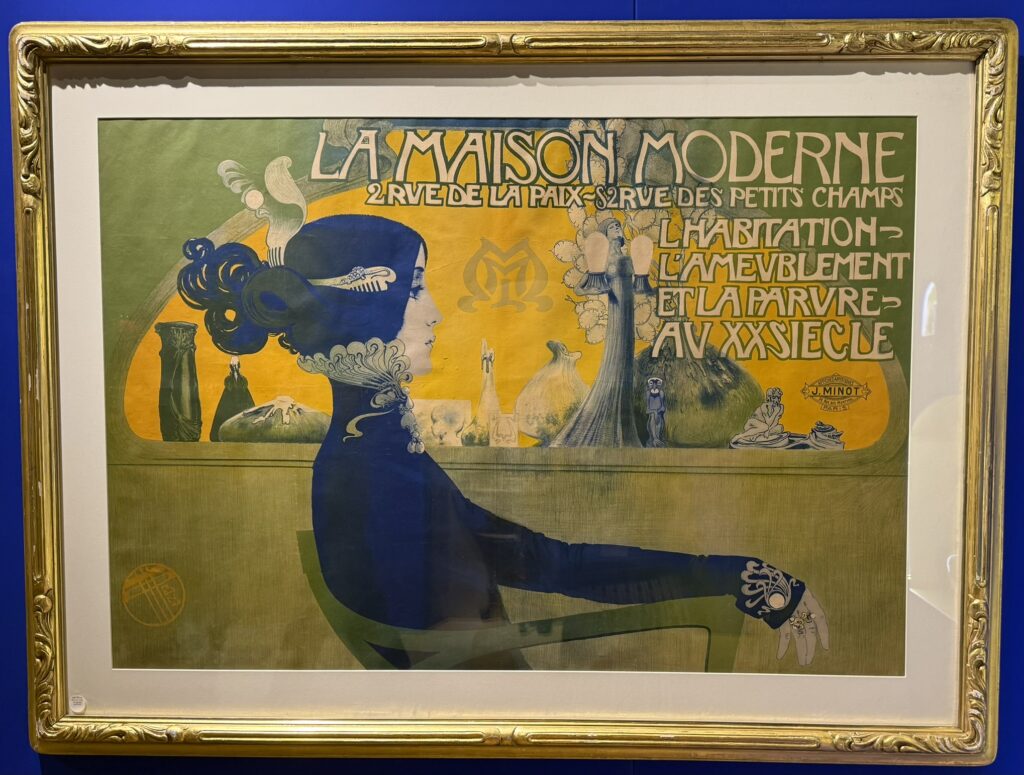
Among the world’s leading galleries, Macklowe was a star for its breadth of vast and deep Tiffany works alongside pieces from Bouval, Carabin and Orazi. The gallery stood out not only for its extraordinary holdings, but also for its presentation: color-drenched walls of IKB (International Klein Blue) punctuated by glowing golden alcoves. The effect was striking.
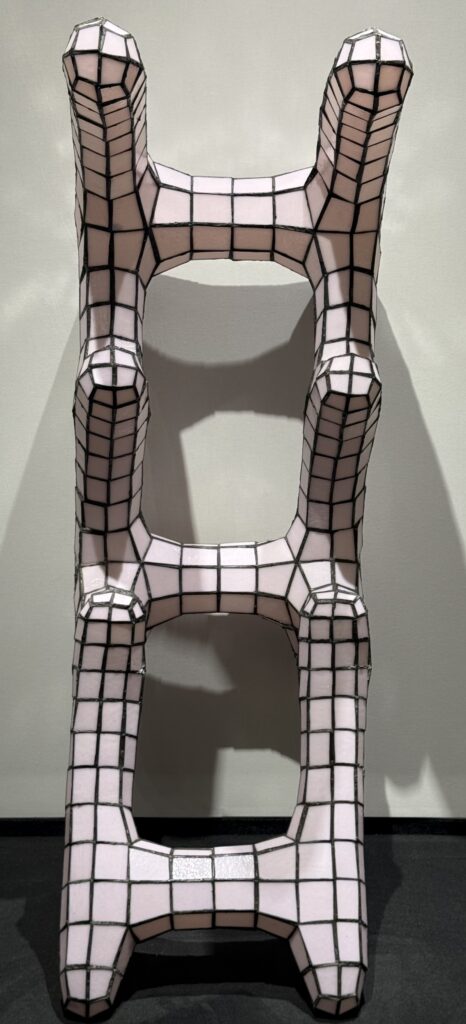
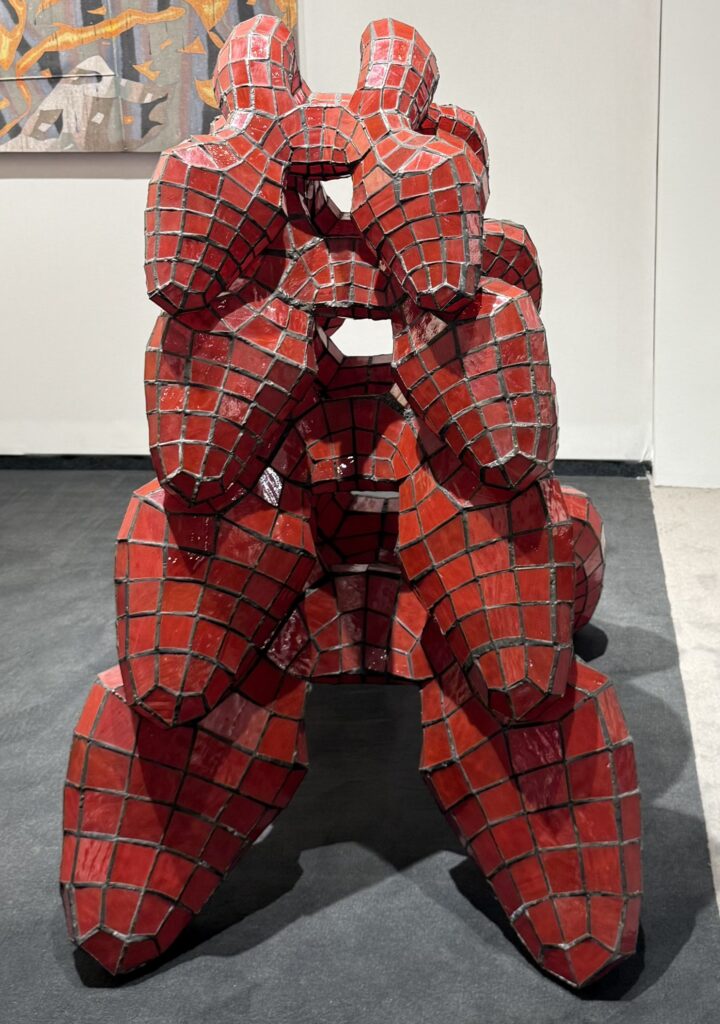
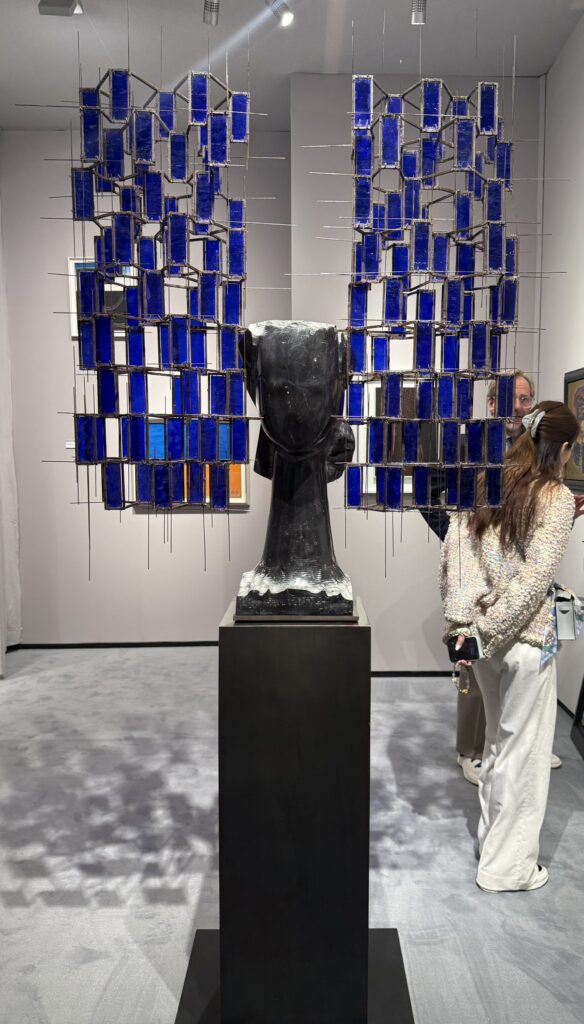
Carrying the Tiffany stained glass movement forward were Kristi Cavataro’s unconventional, biomorphic sculptures which created an interesting juxtaposition when compared to Manolo Valdés “Cabeza in Azul”; both suggested an expansion of form, symbolism and conceptual depth.
Finally, we arrive to those pieces that stood out for their individuality.
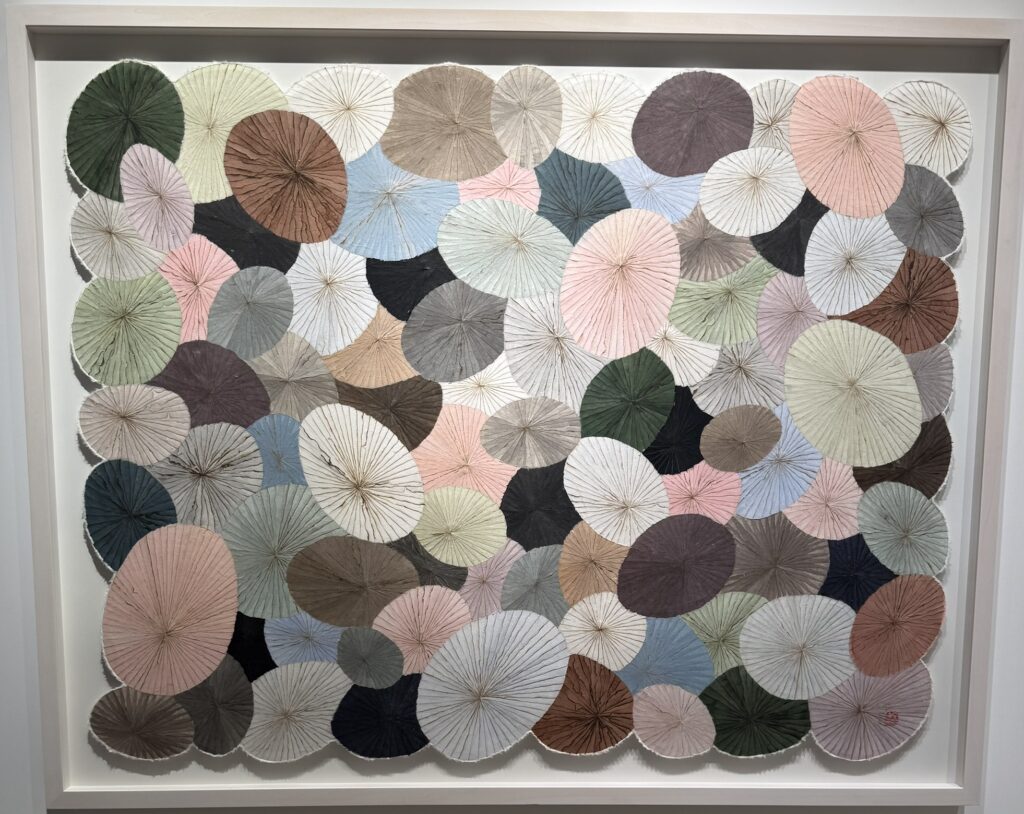
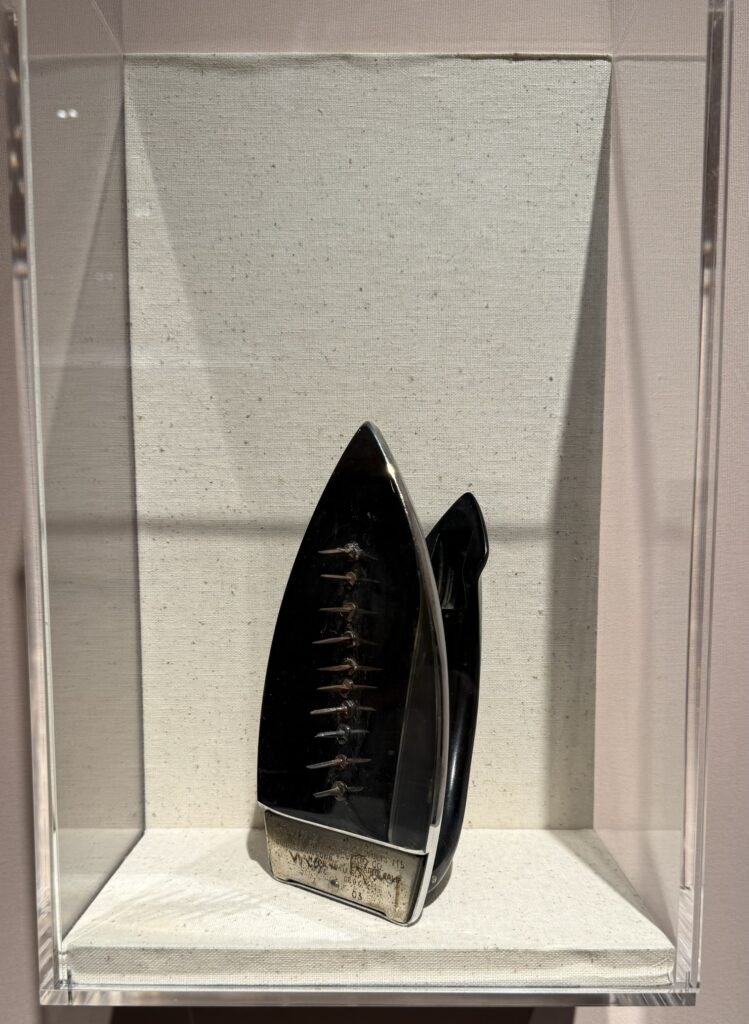
I found Minjung Kim’s “The Street”, created from layered disks of mulberry Hanji paper, to evoke tranquility, a likely intentional reaction as the work is meant to suggest fallen leaves or flower petals. The counterpoint to Kim’s work was Man Ray’s “Cadeau”, whose spiky tacks installed on the sole of an iron intentionally leave one questioning social constraints and bringing Dada-ist philosophy immediately forward.
From Lalanne’s surrealism to Kim’s meditative restraint and Man Ray’s irreverence, TEFAF unfolded as a study in contrast: beauty and disruption, ornament and philosophy, permanence and experimentation. Equally compelling was the various galleries’ spotlight on Black and African artists whose works explored glamour, identity, emancipation and representation through various lenses. The result was a fair that felt less transactional than transportive — one that reminded visitors that the most enduring works are often those that challenge, romanticize and reframe the world around us.