
Inside Lulu and Georgia’s Design-Forward Approach to Contract Interiors

By Rachel Fasciani
Hospitality interiors are entering a more residential, emotionally driven era — one where designers and specifiers increasingly expect warmth, personality, and layered aesthetics without sacrificing commercial durability. Kit Kemp’s work for The Whitby is a standout, as well as the Indianapolis’ Bottleworks Hotel, an homage to Art Deco built from a historic Coca-Cola bottling plant. Both reflect hospitality’s broader shift toward layered, residentially inspired environments that prioritize emotional connection, individuality, and comfort over institutional uniformity. That movement is affecting more than travel; it’s impacting the design industry’s call for aesthetically differentiated product at contract grade.

Enter Lulu and Georgia. Following the brand’s debut at the HD Expo, I spoke with Lulu and Georgia’s vice president of product development, Anat Shavit to learn more about the line, how it’s different, and why it appeals to designers.
A More Experiential Approach to Contract
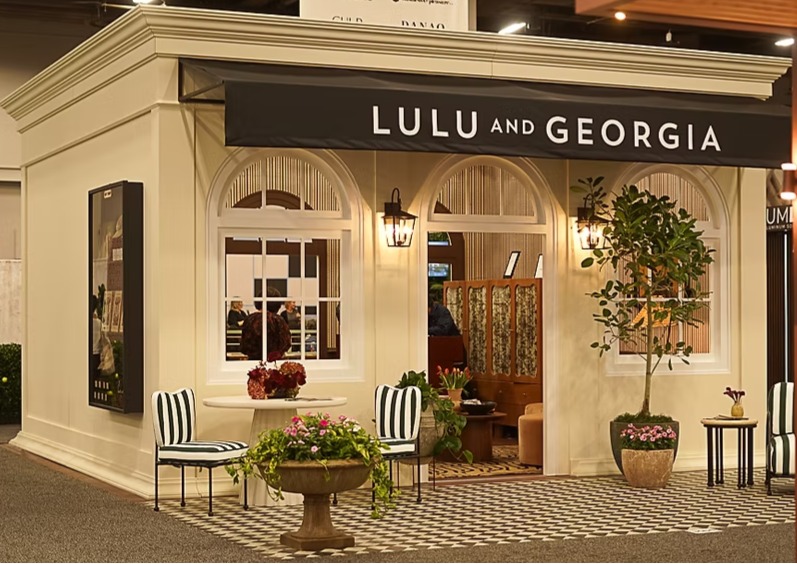
Their debut reinforced the company’s larger ambition: bringing a more layered, emotionally driven perspective to contract interiors. Having attended the expo the year prior, the team entered with a clear point of view on how they wanted to differentiate themselves. Shavit noted that vice president of creative brand, Jenna Kincaid, approached the space by thinking of it as “the Lulu and Georgia Hotel.” Asking questions such as, “How do we really help sculpt this?” Complete with embroidered accessories, refreshments, and hospitality-inspired styling moments, the booth was designed to function less like a traditional showroom and more like an immersive expression of the brand’s point of view. Shavit noted, “This is our business card.”
Performance Without the Institutional Feel
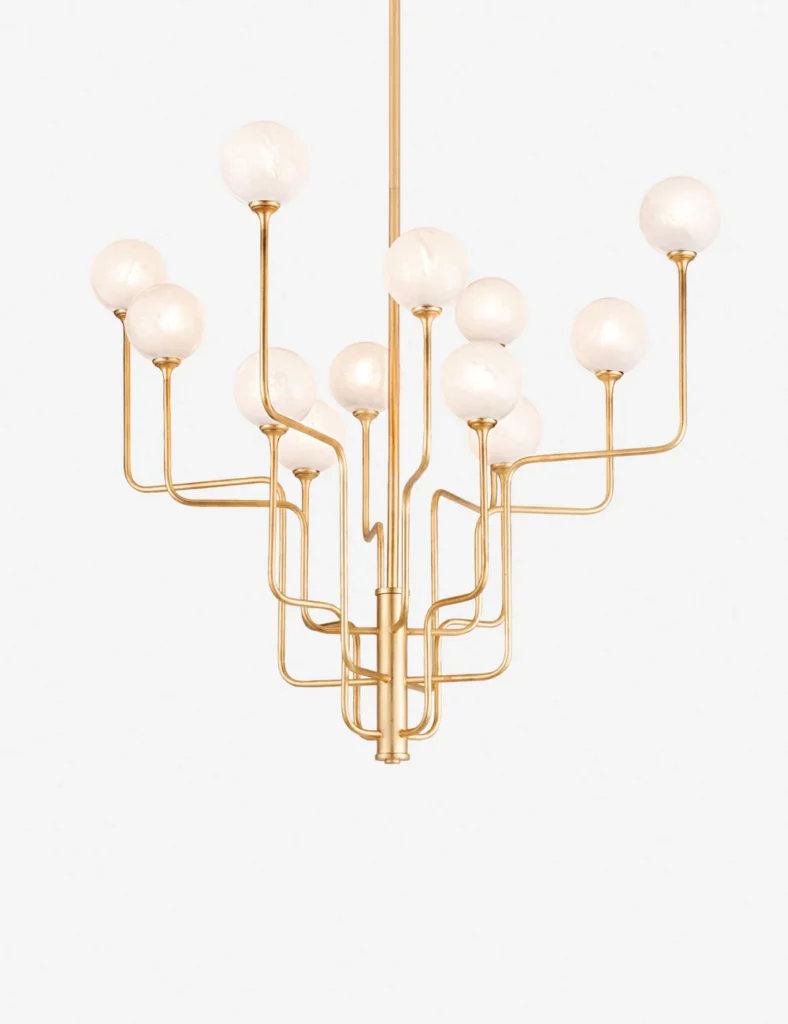
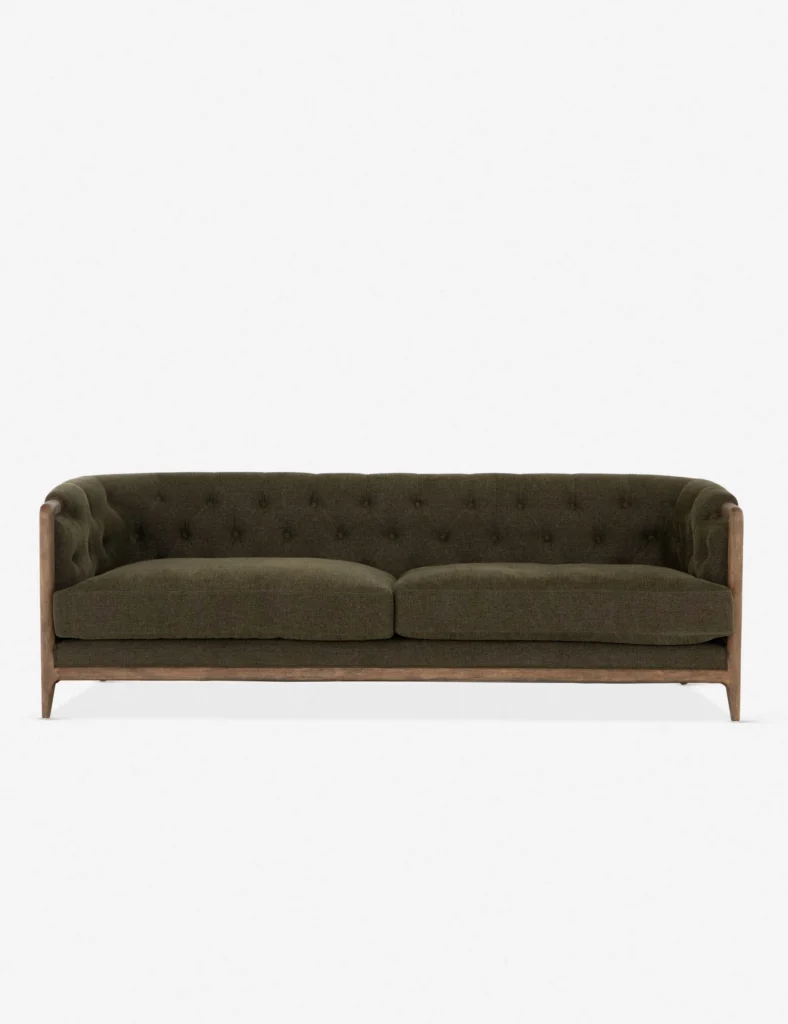
Rather than developing a visually separate “contract look,” the company’s approach has been to reinterpret its existing residential language through the lens of performance and longevity. “I’d … say it’s really our eye on design,” Shavit explained, “That’s … our angle. It’s the intersection of design, quality, and contract use.” That intersection is clearly evident in products such as their Giroud sofa. The Art Deco Chesterfield brings through touches of Belgian modern via a restrained profile and olive-hued shade, while performance fabric and a parawood frame lend durability.
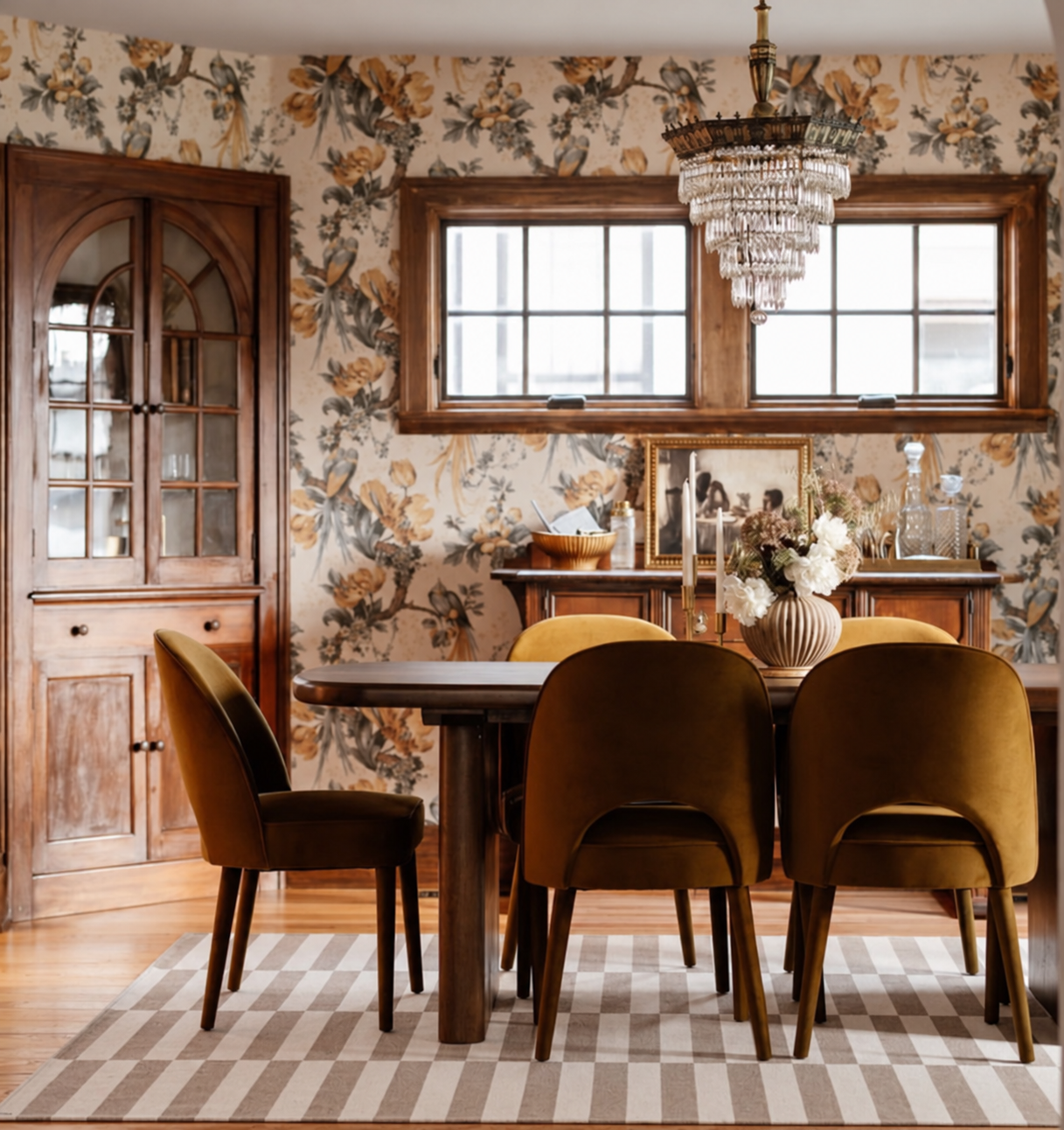
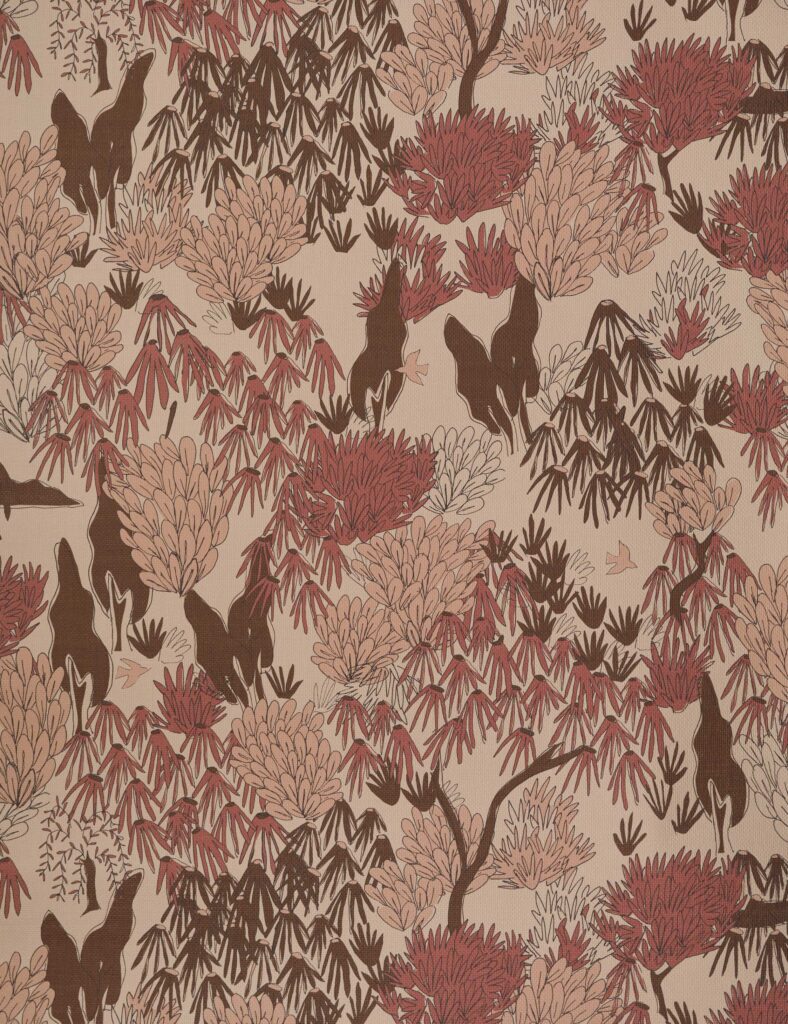
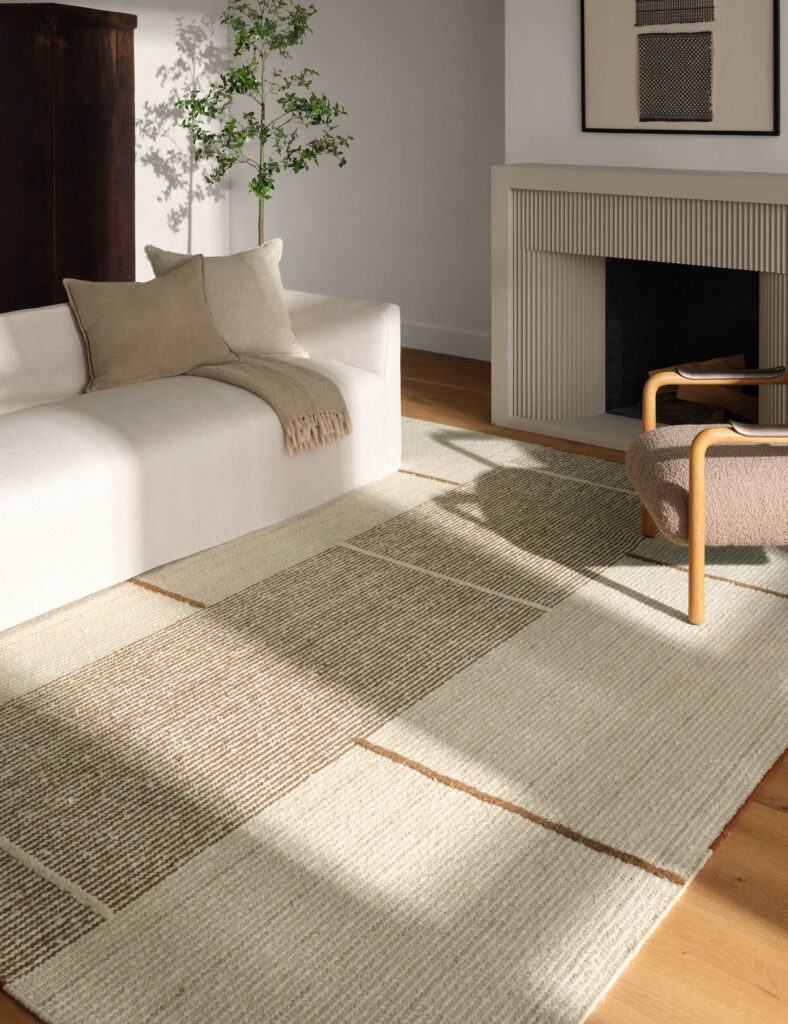
That philosophy extends beyond individual products and into a broader embrace of texture, pattern, and visual individuality within hospitality environments. Sculptural lighting, textured rugs, and patterned wallpaper are all a part of their offerings. Shavit shared, “… it’s the fabrics, it’s the forms, it’s the play on, how we kind of pull everything together and bring our unique perspective and imagery to life.” The lens taken by Lulu and Georgia extends beyond aesthetics and into the technical realities of hospitality specification. Shavit, a trained and experienced designer, homed in on her experience as a designer for a firm that worked on large-scale restaurant and other hospitality projects. That background brought with it an understanding of the challenges designers face in hospitality work. “…that was foundational information and training for me,” she recalled. “You need to have slip tests and all these very technical parts of the business, and that was a challenge when we were shopping.”
The brand also recognized the importance of the design while meeting those challenges. “it’s not an easy feat because we really aim to create these beautiful … delicately designed products that don’t feel too heavy or contract,” Shavit explained. For designers increasingly tasked with creating hospitality environments that feel intimate rather than institutional, that balance between performance and personality has become critical. As hospitality aesthetics increasingly influence commercial interiors, designers are seeking products that feel collected and residential rather than standardized and overtly commercial.
Design Meets Operational Reality
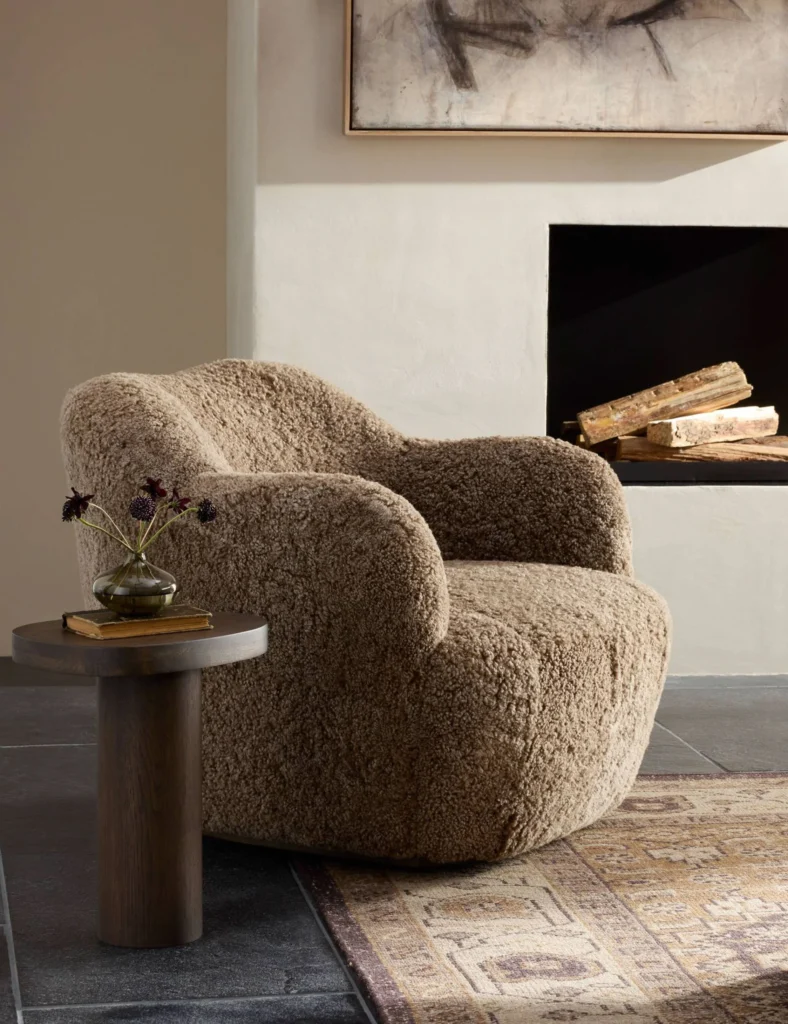
Lulu and Georgia also dug deep into designers’ drivers. Aesthetic flexibility alone is no longer enough. Designers are also evaluating operational realities — from scalability and lead times to customization, testing protocols, and profitability. On wallpaper, Shavit shared, “…any of our designs … proprietary to Lulu and Georgia can be developed to meet the vinyl type 2 quality. We take the design, manipulate it to satisfy the requirements for the substrate, and then go through an approval process for the designer.”
From a margin standpoint, Lulu and Georgia emphasizes a competitive, scalable program that can flex according to project volume, customization, and specification requirements.
Performance standards were equally central to the development process. Lulu and Georgia understands that designers need to seamlessly meet contract standards without sacrificing visual distinction. That’s evident when Shavit describes the development of their contract-grade products. “One part of the technical component is ensuring that we fulfill and pass their contract standards,” she elaborated. “… there’s no official contract grade. A lot of it depends on your end use. And we … use a much more stringent testing protocol to ensure that we have the longevity that would surpass a lot … other retailers’ standards…that was important to us.”
Lulu and Georgia reflects a larger transformation happening inside hospitality and specification culture: the movement away from anonymous contract interiors and toward spaces shaped by texture, personality, and emotional connection. In that landscape, design-forward brands are no longer simply supplying product — they are helping define the atmosphere of hospitality itself.