
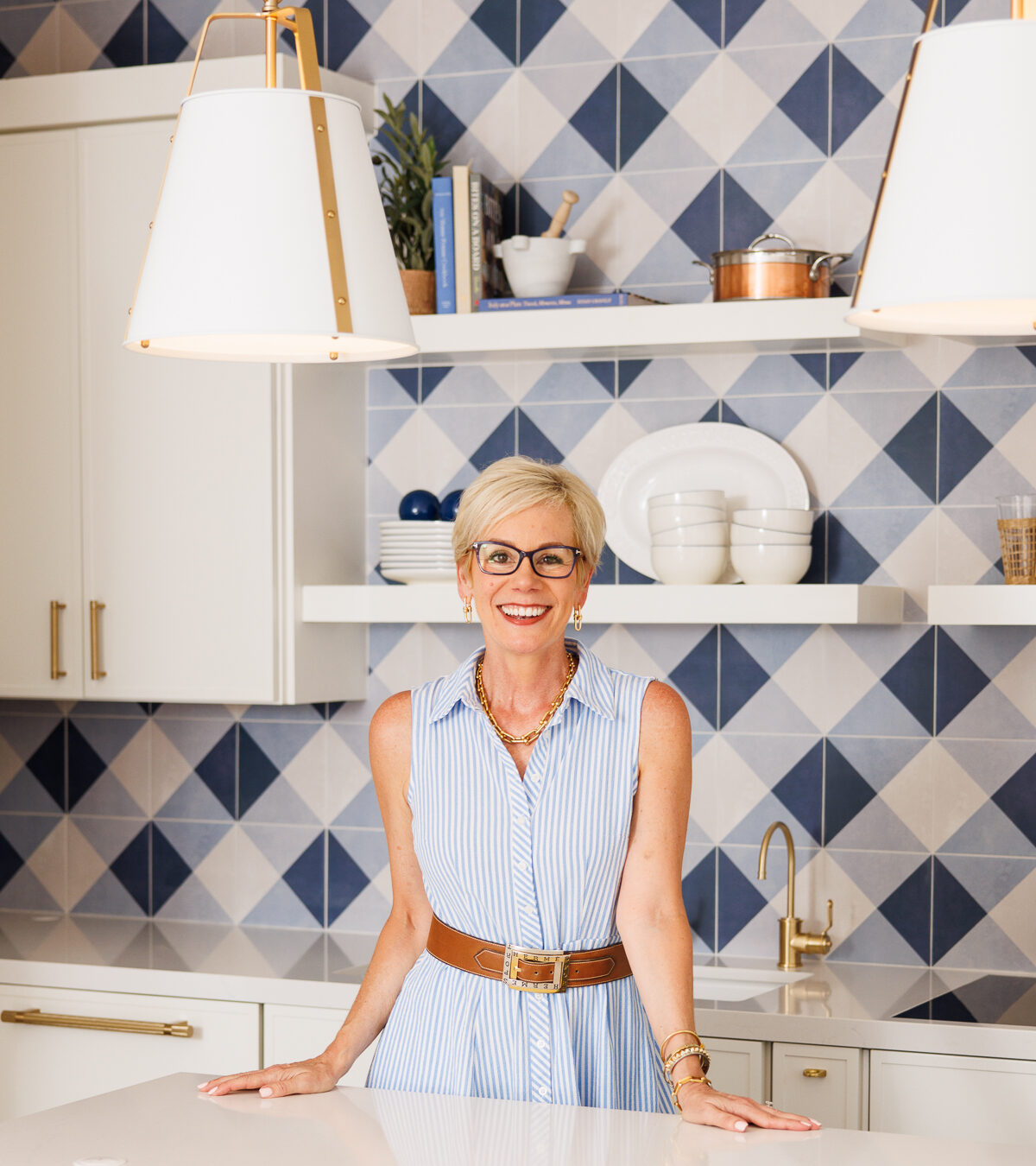
San Francisco-based interior designer Kerrie Kelly has been busy this year. Her career is shaped by decades of dedicated design leadership that are beginning to pay off in well-deserved recognition. As the newly appointed Chair of the 2026-2027 NKBA board of directors, she brings her signature “approachable luxury,” style to the national community of kitchen and bath design professionals, and credits the strength of her network and long-term creative partnerships for her success. In conversation with DNN, she reflects on her relationships with industry organizations like NKBA and brands like Fabuwood, designing meaningful experiences and the values guiding her work as she looks toward 2026 and beyond.
Gratitude and momentum
DNN: This has been a huge year for you—industry recognition, new leadership roles, and a steady stream of creative collaborations. How has this moment felt for you personally and professionally?
KK: This past year has been both grounding and energizing. The recognition and new leadership roles have reminded me how meaningful long-term relationships and trust are in our industry, while the creative collaborations have stretched me in ways that feel deeply rewarding. Personally, it’s been a moment of gratitude and momentum.
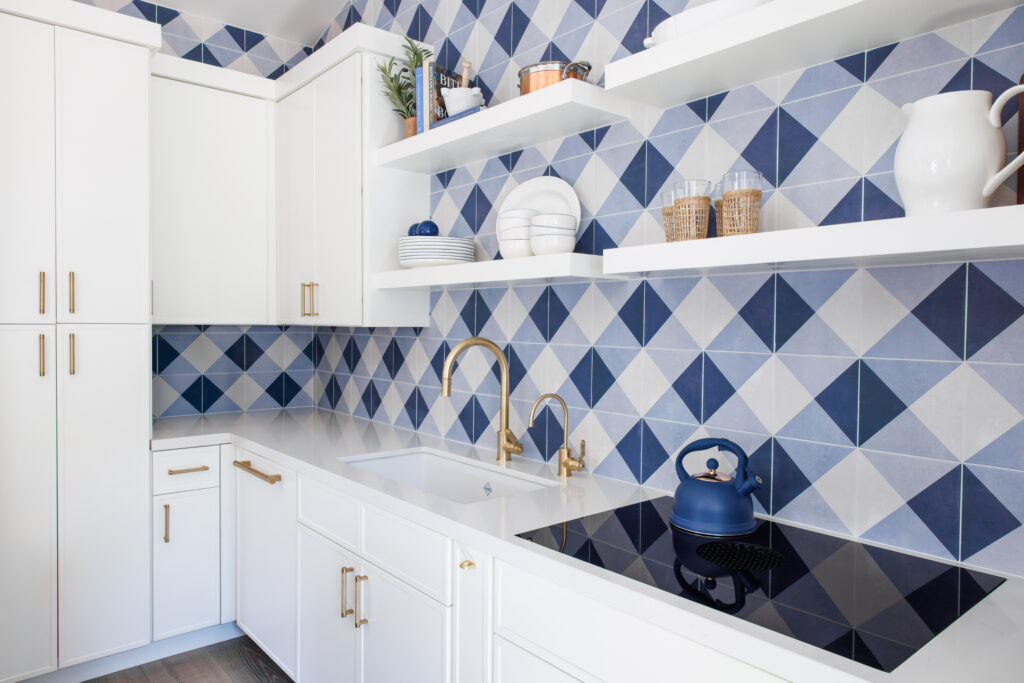
Kerrie Kelly on “approachable luxury”
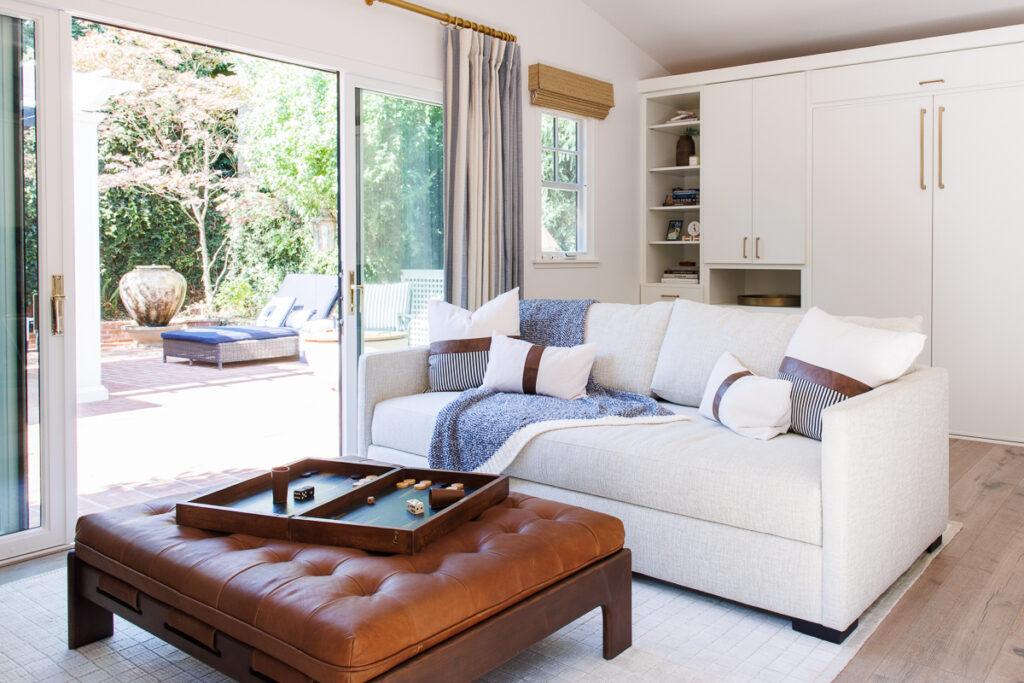
DNN: Your design philosophy has always centered on “approachable luxury.” How do you capture that balance between refinement and relaxed, California-inspired living?
KK: “Approachable luxury” is rooted in the idea that beautiful spaces should also support the rituals of daily life. I combine refined materials and thoughtful details with the ease and warmth of California living so clients feel both elevated and entirely at home. It’s about creating environments that invite you in rather than intimidate.
Choosing brand partners
DNN: You’ve partnered with some of the most influential brands in design—from Cosentino and JennAir to Sherwin-Williams and Hestan. What draws you to a collaboration, and what makes it truly successful?
KK: I’m most drawn to brands that share a commitment to innovation, craftsmanship, and storytelling through design. Successful collaborations happen when both sides are aligned in vision and willing to push beyond expected solutions. That synergy allows us to create something that feels fresh, functional, and emotionally resonant.
DNN: You’ve been at the forefront of the industry for more than 30 years. How has the relationship between designers and brands evolved during that time, and what excites you most about that evolution?
KK: Designers and brands have moved from transactional partnerships to true creative alliances. Today we co-create, strategize, and build experiences together, which is incredibly exciting. This evolution has elevated the designer’s voice and expanded what’s possible for consumers.
Kerrie Kelly on product development
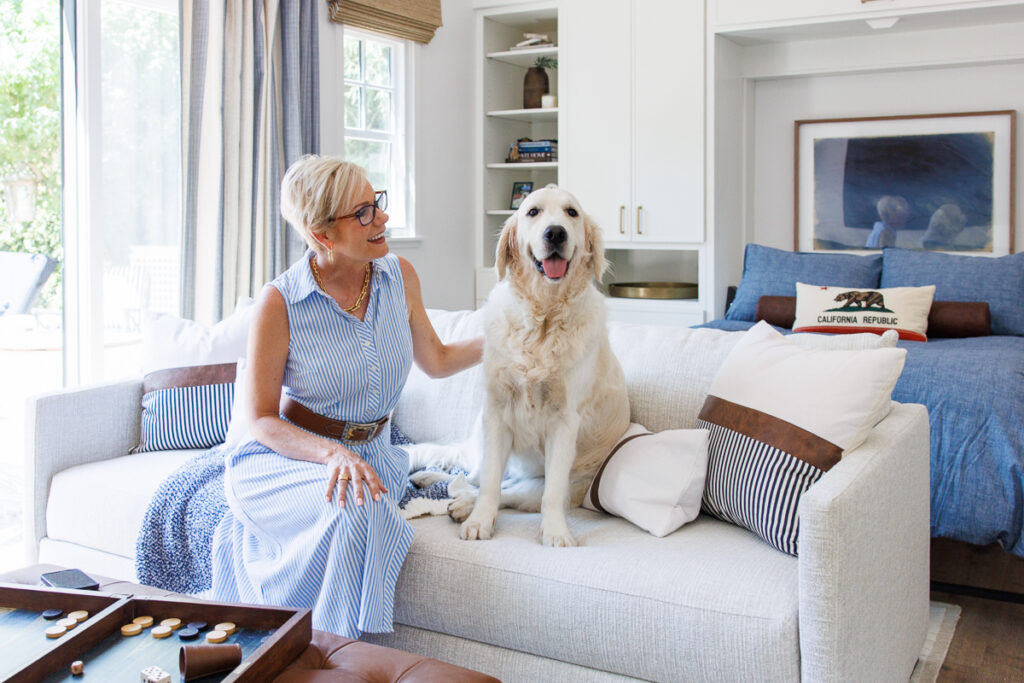
DNN: Product development seems to be a natural extension of your creative process. Can you share a story or insight from a recent collaboration that changed the way you think about design?
KK: Product development always teaches me something new. Working with Fabuwood, for example, reinforced how deeply performance and beauty can coexist—bridging functional storage with luxury design. For example, at KBIS 2025 we showcased cabinetry for the whole home, whether through a mudroom flanking a grand kitchen or a home office space paired with a media room, it’s a reminder that great products are born when everyone at the table honors both form and function.
On creating meaningful experiences
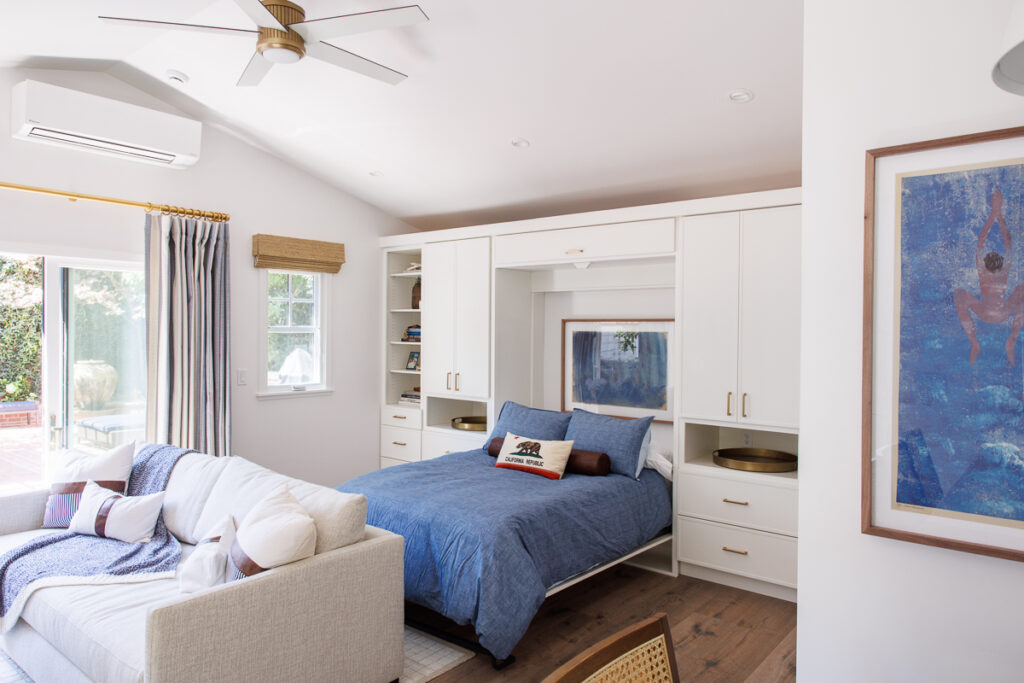
DNN: You often talk about creating “meaningful experiences” through design. How does that philosophy translate differently when you’re working on a home versus developing a brand partnership?
KK: Designing a home is intimate; it’s about supporting the rhythms and personalities of the people who live there. Brand partnerships, on the other hand, invite us to build experiences that connect with a broader audience while still feeling personal. In both cases, meaning comes from intention and authenticity.
DNN: With your new role as Vice Chair of the NKBA, you’re helping to guide the future of the design profession. What priorities do you think the industry should be focused on right now?
KK: As the 2026 Chair of the NKBA, I’m focused on nurturing the next generation of leaders and strengthening pathways into the profession. I’m also focused on our Skilled Labor Force shortage and training young people about these rewarding careers. We need to prioritize education, diversity, and the integration of technology to meet the evolving needs of clients and the built environment. A strong, future-ready industry depends on it.
Accessibility and sustainability in design
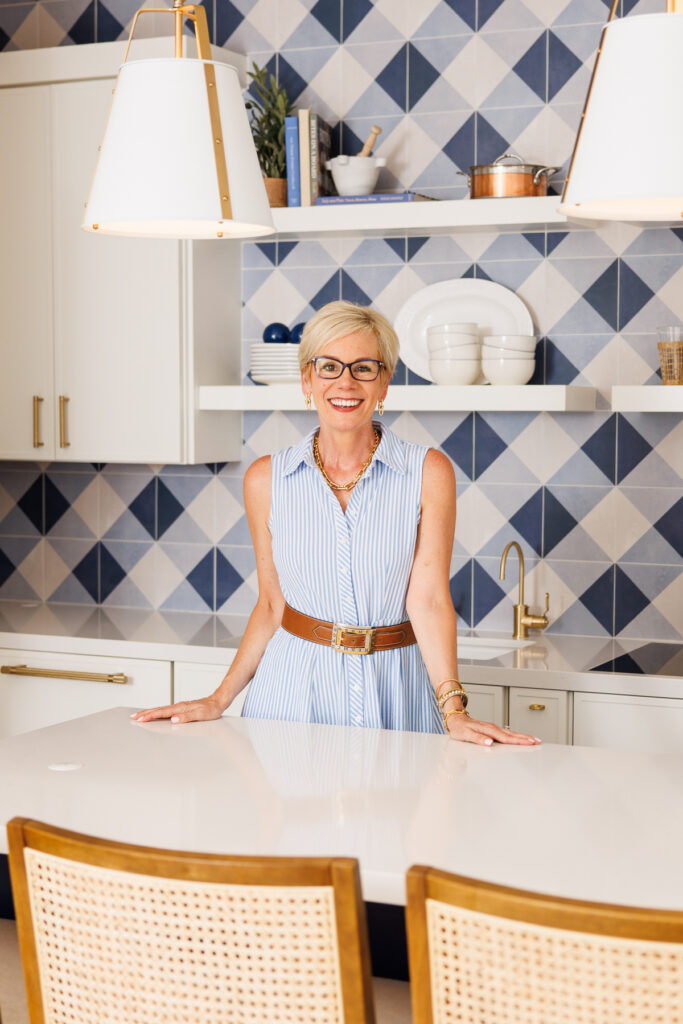
DNN: Accessibility and sustainability are increasingly central to the conversation around design. How are you integrating those values into your work at Kerrie Kelly Studio?
KK: At Kerrie Kelly Studio, accessibility and sustainability are woven into every design conversation. We prioritize materials that are durable and responsibly sourced, and we create spaces that support wellness at every age and ability level. Thoughtful design is timeless—and that, in itself, is sustainable.
DNN: Your work has been featured everywhere from The Wall Street Journal to Forbes. How do you balance being a creative designer with being a public-facing thought leader?
KK: Balancing creativity with public-facing work requires clarity of purpose. I stay rooted in the design process and let the storytelling flow naturally from the work itself. If I can translate inspiration, expertise, and experience into something valuable for others, then the visibility serves a greater purpose.
Design trends in 2026
DNN: Looking ahead to 2026, what design trends or broader cultural shifts do you think will most influence the way we design and live in our spaces?
KK: In 2026, I think we’ll see a continued desire for environments that support well-being—spaces that are restorative, multifunctional, and connected to nature. Rich textures, layered neutrals, smart technology, and flexible layouts will all play a role. Culturally, there’s a pull toward both comfort and craftsmanship, and design will follow.
DNN: You’ve built a career defined by both creative excellence and strategic vision. What advice would you offer to emerging designers looking to find their own authentic path in this industry?
KK: My advice is to stay curious, build relationships, and know what your voice stands for. Authenticity comes from doing the work—listening, experimenting, and refining your perspective. When your passion and your point of view align, the opportunities will meet you where you are.
DNN: Finally, after such a banner year, how are you redefining success for yourself? What does fulfillment look like now as a designer, a collaborator, and a leader in the design community?
KK: Fulfillment now looks like creating impact—through design, mentorship, and meaningful collaborations. Success isn’t just about what we build, but about how we elevate the people and brands we work with. After such a meaningful year, I’m excited to keep leaning into purpose, community, and creativity.