On the Way Up: Americana Revisited

By Rachel Fasciani
Last summer, I began noticing a subtle but meaningful shift in interiors: Americana was returning—not as nostalgia, but as something bigger, deeper, and nuanced.
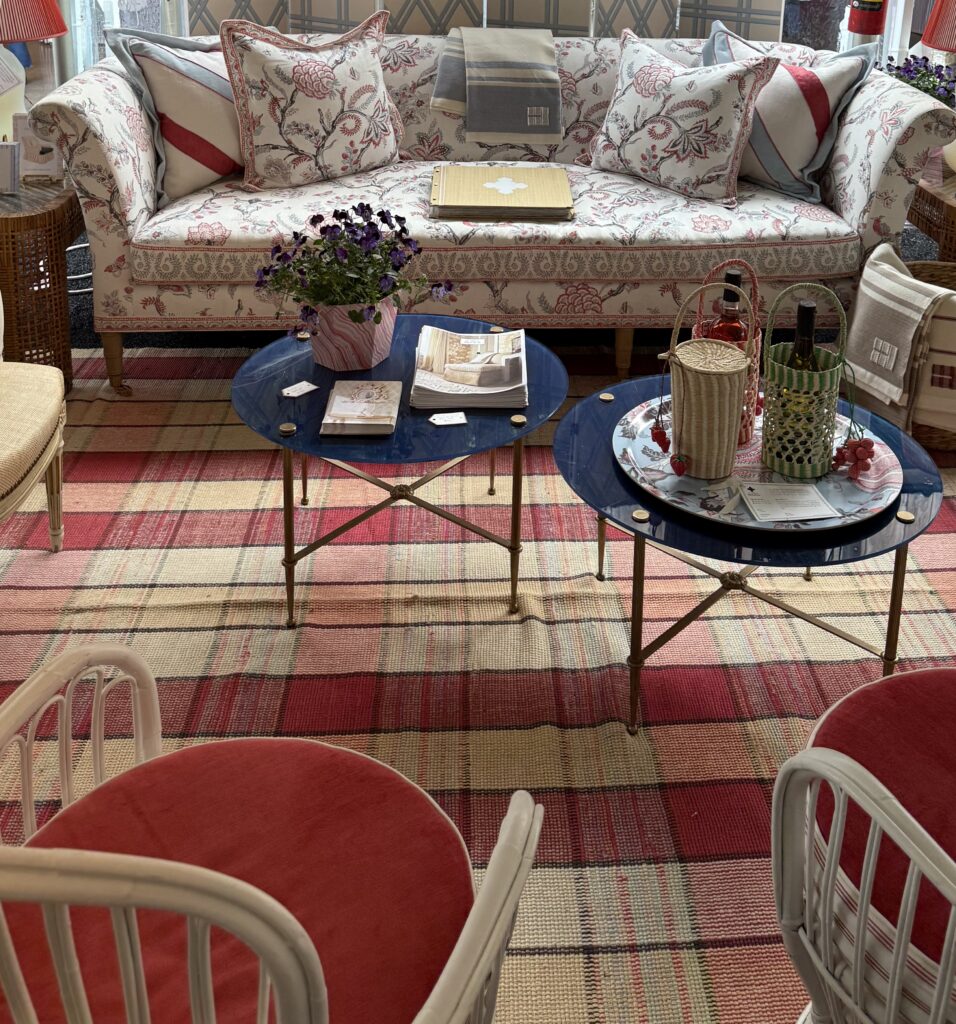
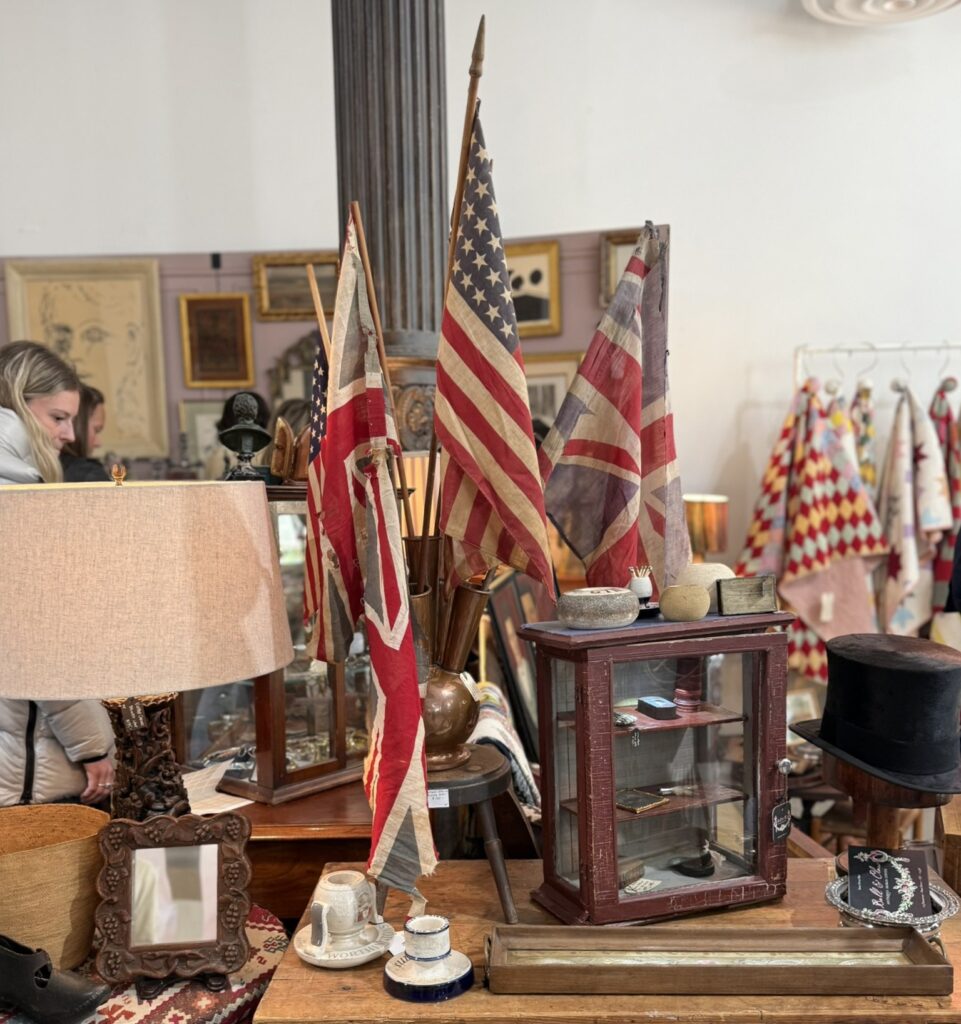
Since then, I’ve witnessed a wide expansion from smaller markets such as Material Matters in New York City in February, where the movement was largely seen across textiles and framed art, to this spring’s High Point Market, The Design Social and The Ticking Tent, where it appeared to explode across product and design. I spoke with several designers and a couple of manufacturers to gather a better sense of the driving force behind the return.
The Importance of Grounding in an Unstable Era
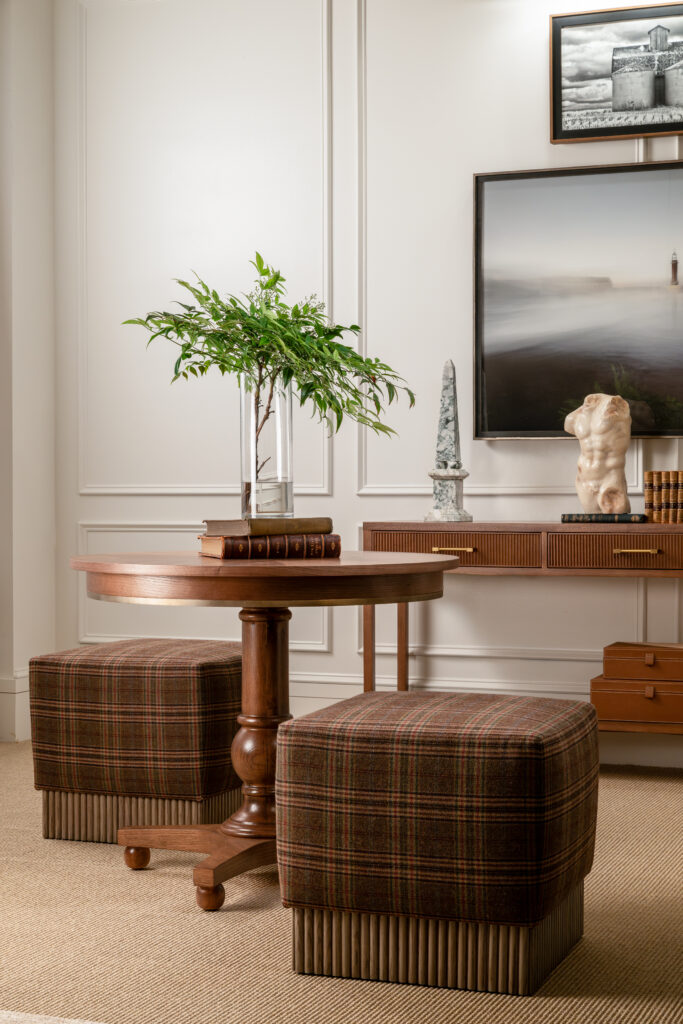
DuVäl of DuVäl Design articulated the shift when he shared that he believes we’re returning to Americana due to “… a real longing right now for spaces that create a sense of belonging and emotional connection without sacrificing style or modernity, and Americana strikes that balance beautifully.” That point was a throughline with almost everyone I spoke to, including York Wallcovering’s content marketing manager, Jennifer Daltorio.
Daltorio stated, “In a landscape of rapid change and uncertainty, designers – and their clients – are looking to ground themselves in something that feels familiar and rooted in movements larger than us. What better than Americana design that represents and sits at the heart of our national identity, shared history, and accomplishments?” The sentiment resonates.
There are also shades of belonging through craftsmanship, simplicity, and emotional connection. Zoe Grant of DBD Lifestyles observed, “I think people are really craving craftsmanship and a simpler time when more things were made with care.”
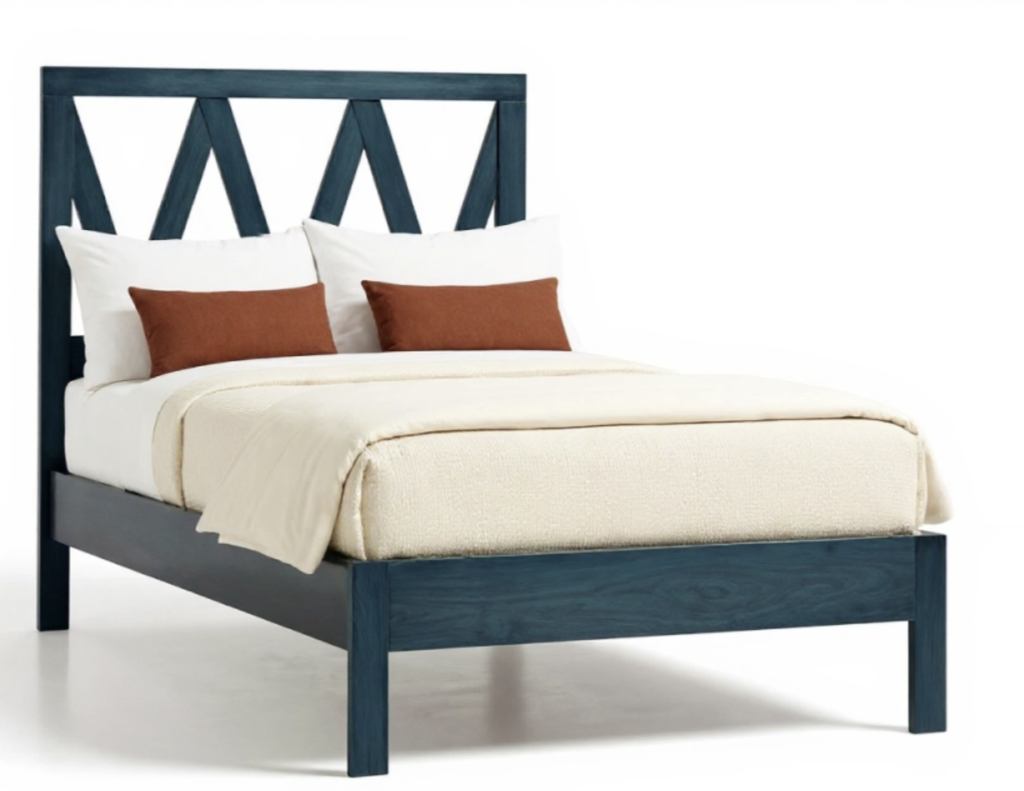
Those components were evident at showrooms across High Point Market, where makers such as Sherrill launched a new line with DuVäl that focused on craftsmanship, detail, and woods. Smaller makers such as Abner Henry reinforced those points. Their Mary Jane Bed with designer Helen Bergin drives home a contemporary Americana feel, elevates high-quality materials, handmade elements, and a collective of individuals creating meaningful pieces. That emphasis on craftsmanship echoes Rainey Richardson’s observation that ‘there’s a resurgence of sturdy wood furniture.’”
Reinvention not Replication
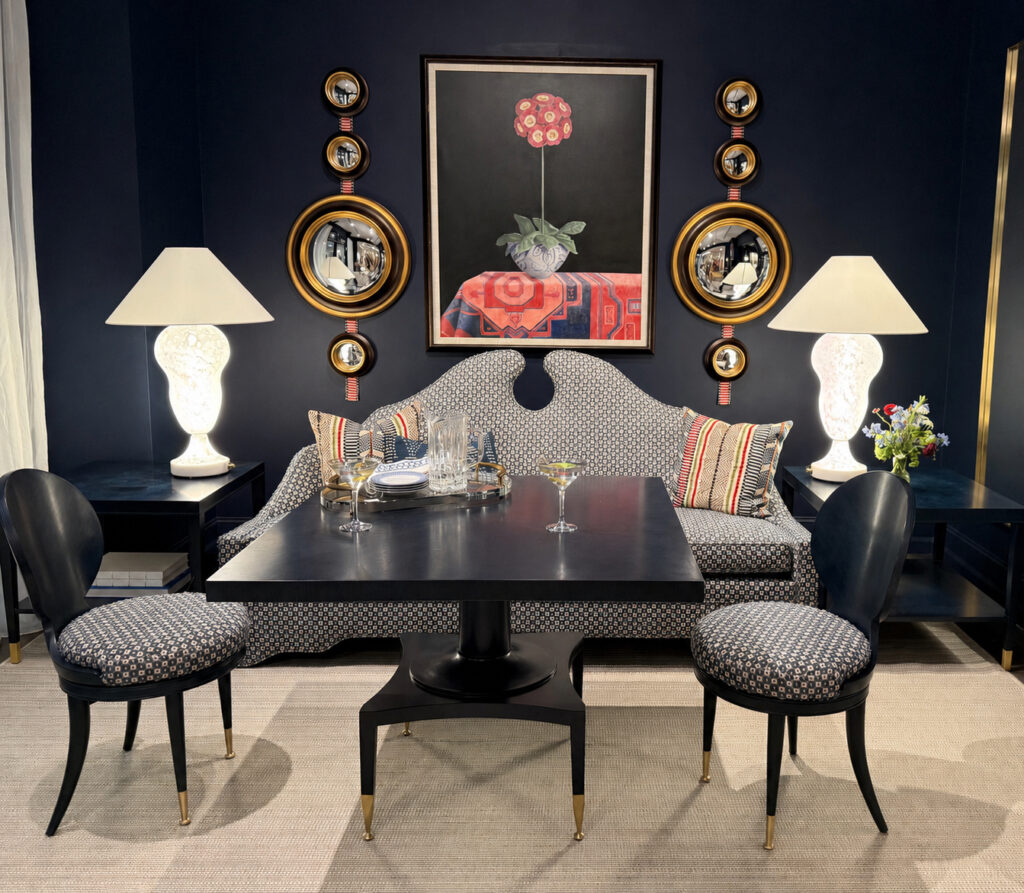
Today’s Americana isn’t recreating the past—it’s editing it.
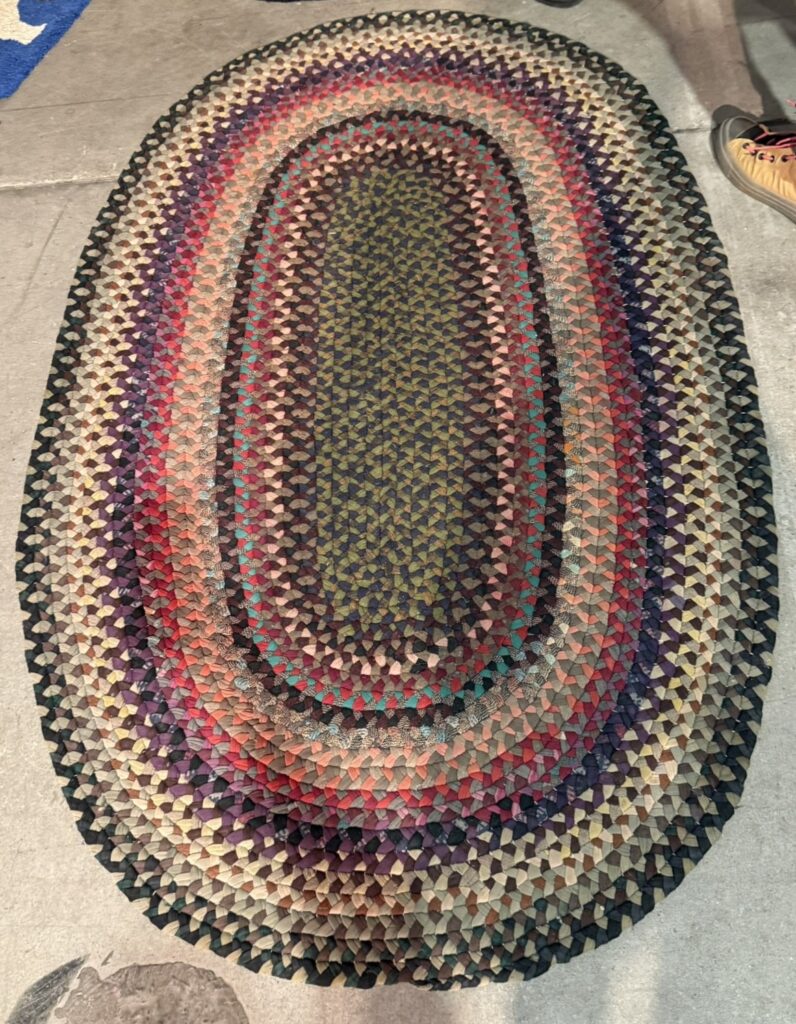
And the edit no longer relies on overt symbols. Instead, it’s rooted in craftsmanship, regional memory, and collected identity. For me, growing up, Americana was cross-stitch, traditional farmhouse, and a lot of eagles, flags, and braided rugs. While some of those elements are resonant in the new aesthetic, the look is more about the sophisticated redesign of heritage and, in some cases, creating a new heritage.
DuVäl best articulated this stance. “Traditional American interiors often centered around equestrian, ranch, or Wild West influences, with heavy woods, rustic detailing, and more literal themed décor defining the look. Now, designers are taking a more nuanced approach.” He added, “The result feels more elevated, personal, and relevant to modern living: a fresh take on American heritage that still offers warmth and familiarity without feeling overly nostalgic or themed.”
What emerged across markets was not Americana in its traditional form, but a refined recalibration of craftsmanship, warmth, and permanence.
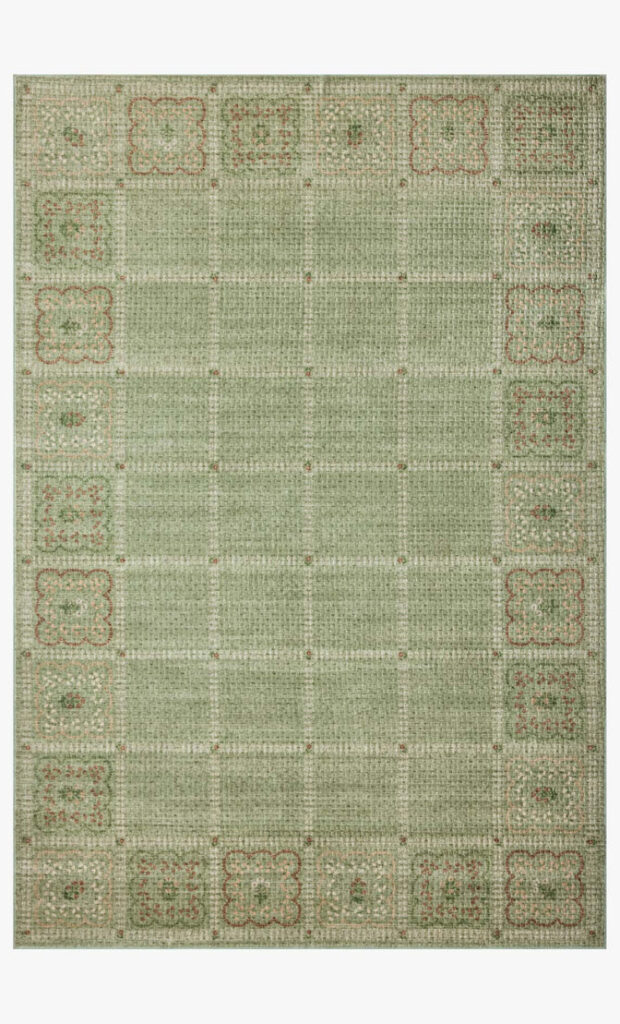
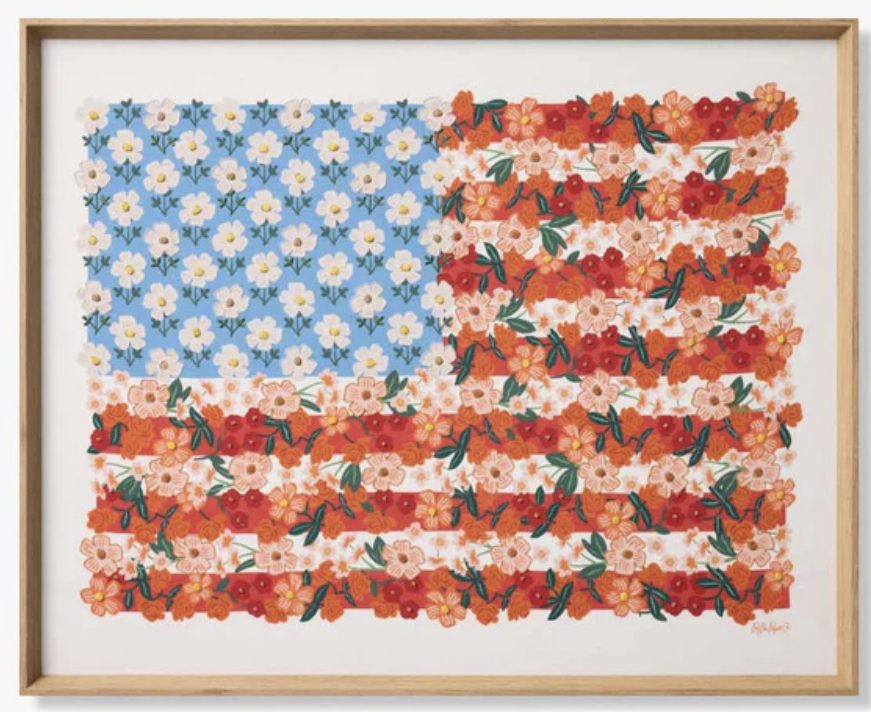
This reinvention is apparent across verticals. Loloi’s latest collection with Rifle Paper heavily reflects the movement in both art and rugs. And Revelation showed up with a modern federalist spin on mirrors with their “Bullseye” designs as well as a riff on neo-classical Americanism with their new “Put You on a Pedestal” game table.
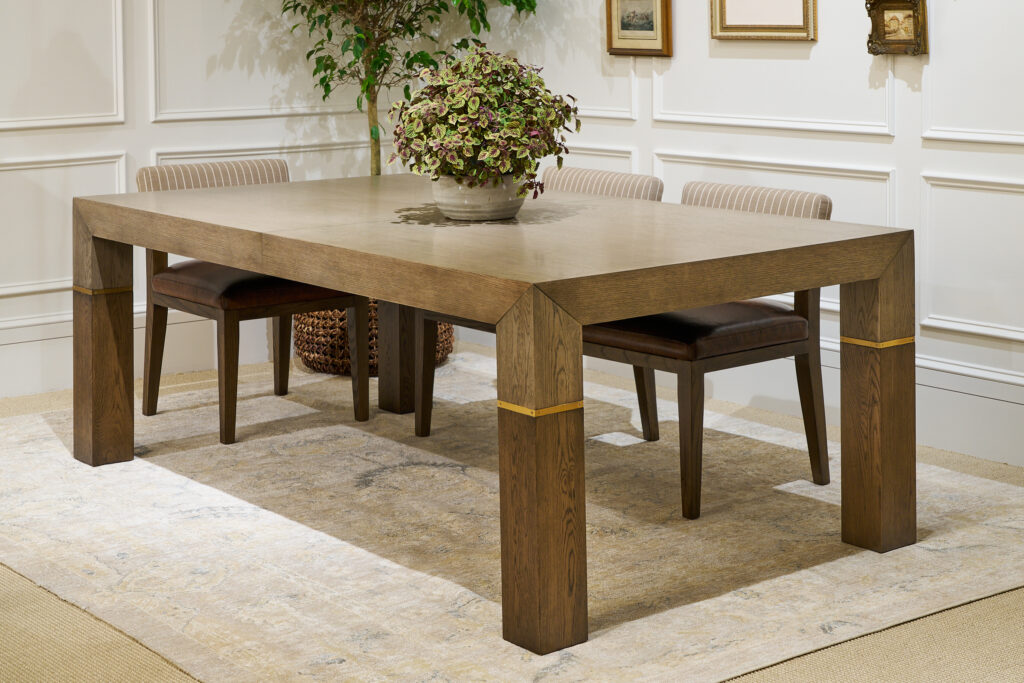
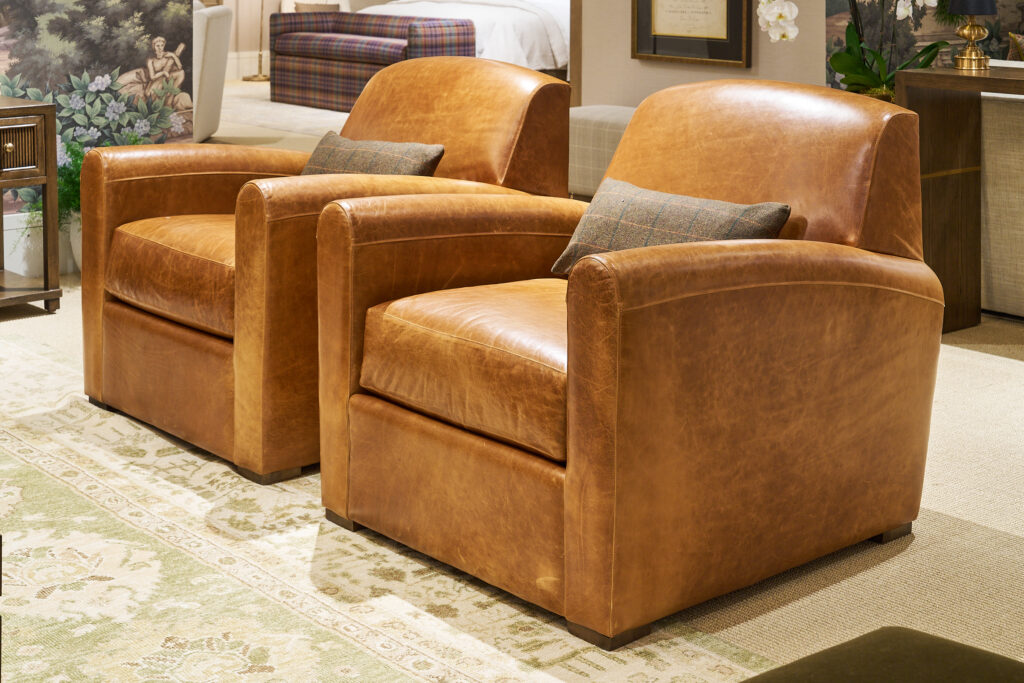
Contrastingly, DuVäl’s designs for Sherrill were uniquely his with touches of Americana through plaids, rich leathers, and thoughtful, tailored touches of brass accents, and ridged wood elements. He stressed that the collection was about, “…creating an updated take on American design—what we’ve been calling ‘New American Heritage.’”
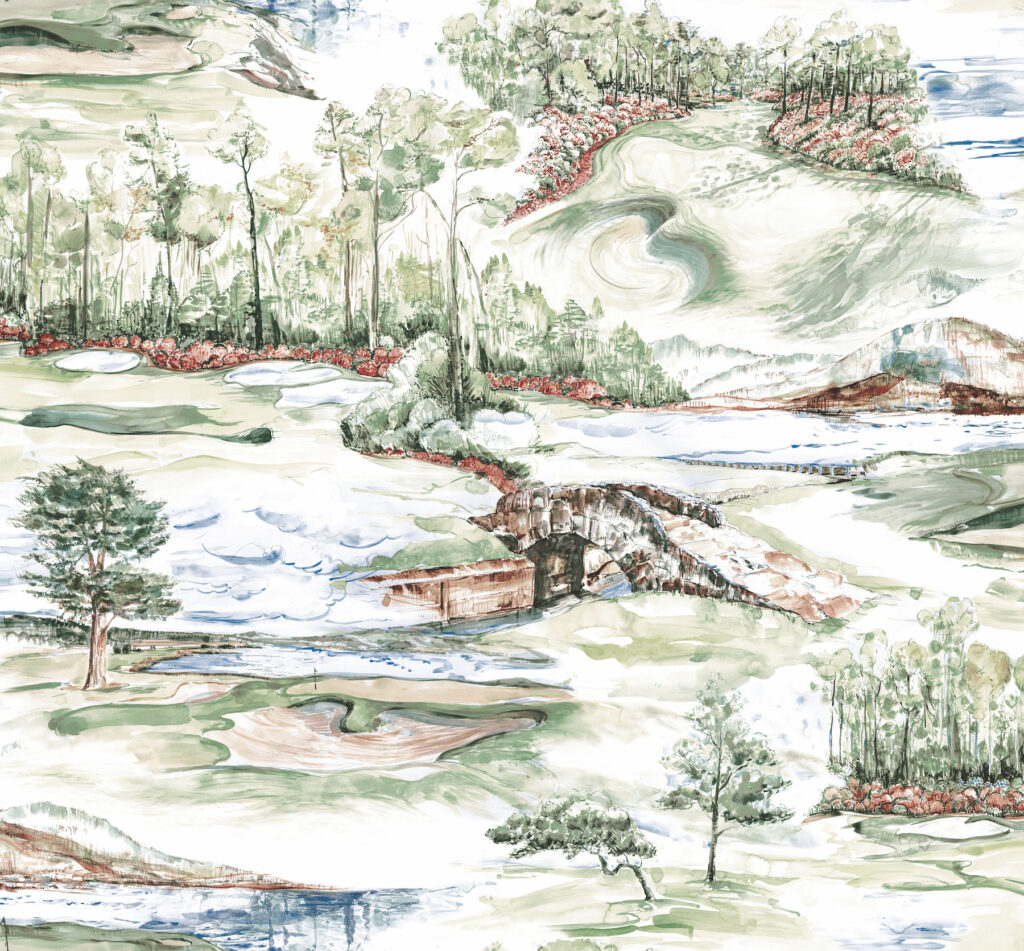
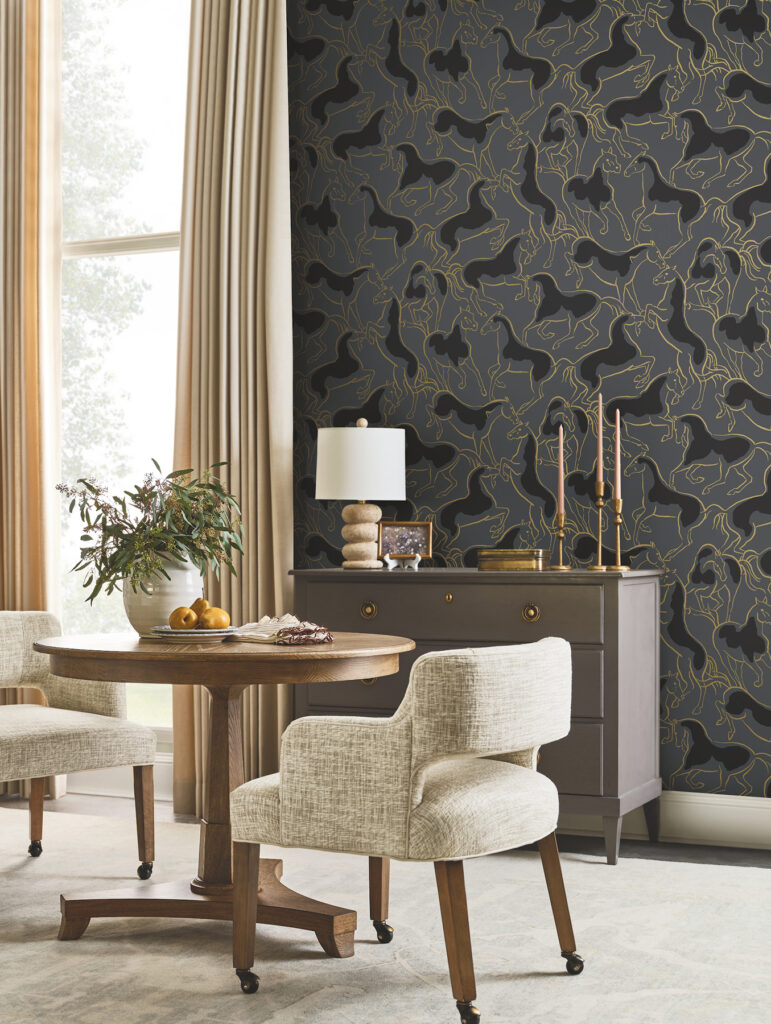
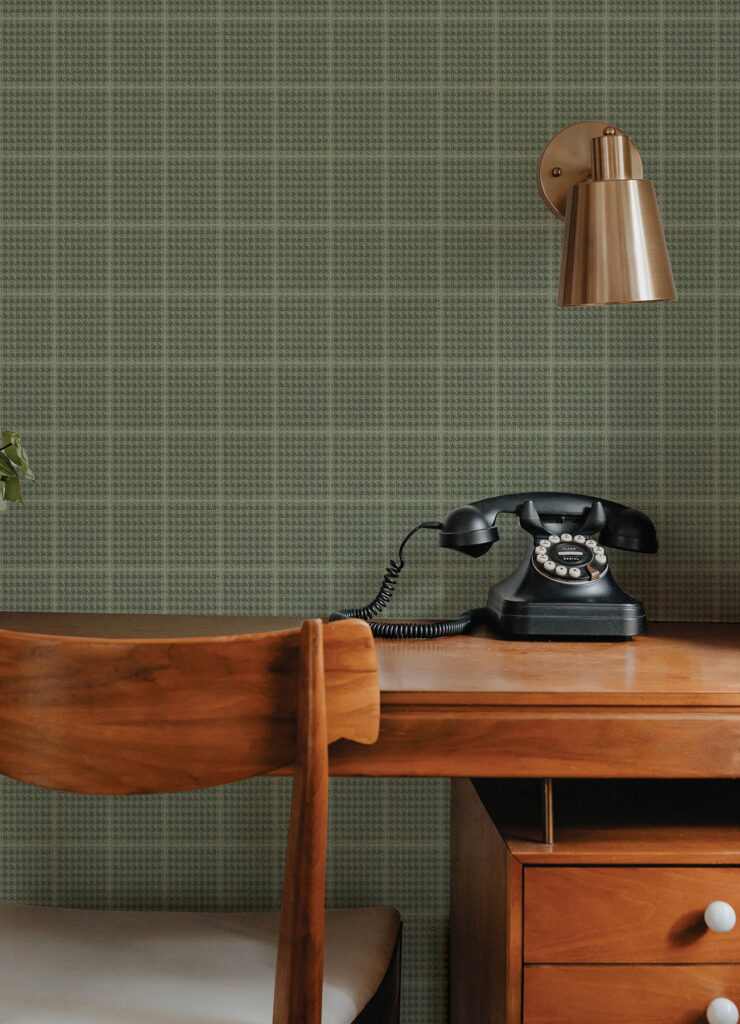
For York, the reinterpretation is best represented in both their Chesapeake brand of plaids and stripes and Ronald Redding Private Reserve’s new designs. Redding’s line is replete with plaids and stripes as well as equestrianism and landscapes. Daltorio reflected, “I believe we all tend to be drawn to something familiar; something rooted in our upbringing that connects us back to moments that feel simpler and wrap us in warmth and comfort. Yet we simultaneously want these nostalgic reminders to encompass who we are now, so we seek to update aspects slightly to bridge the gap between past and present.”
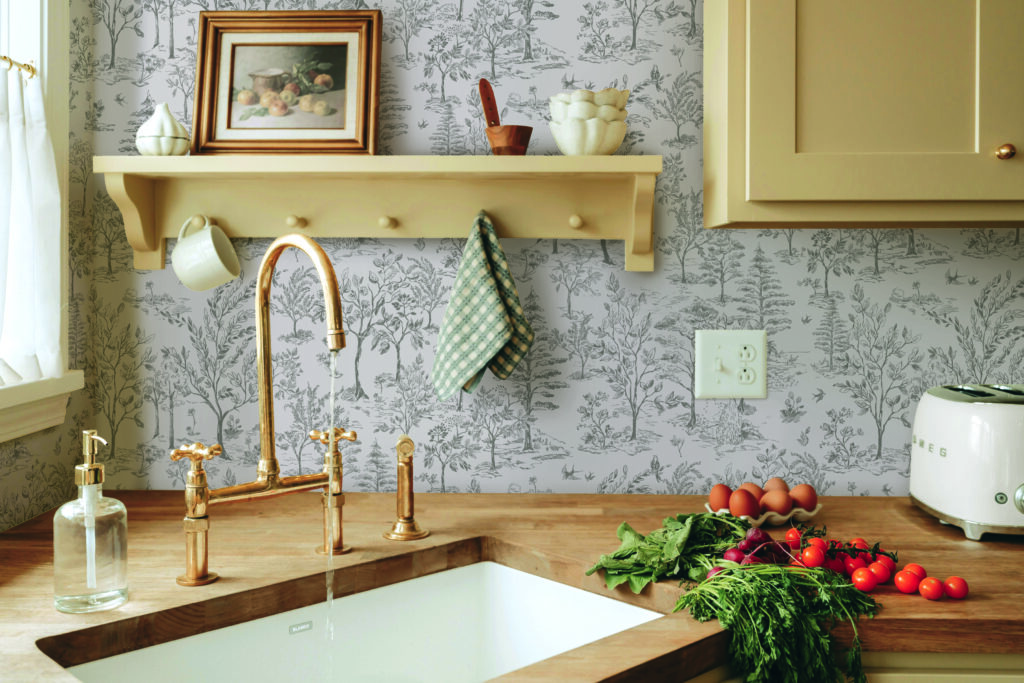
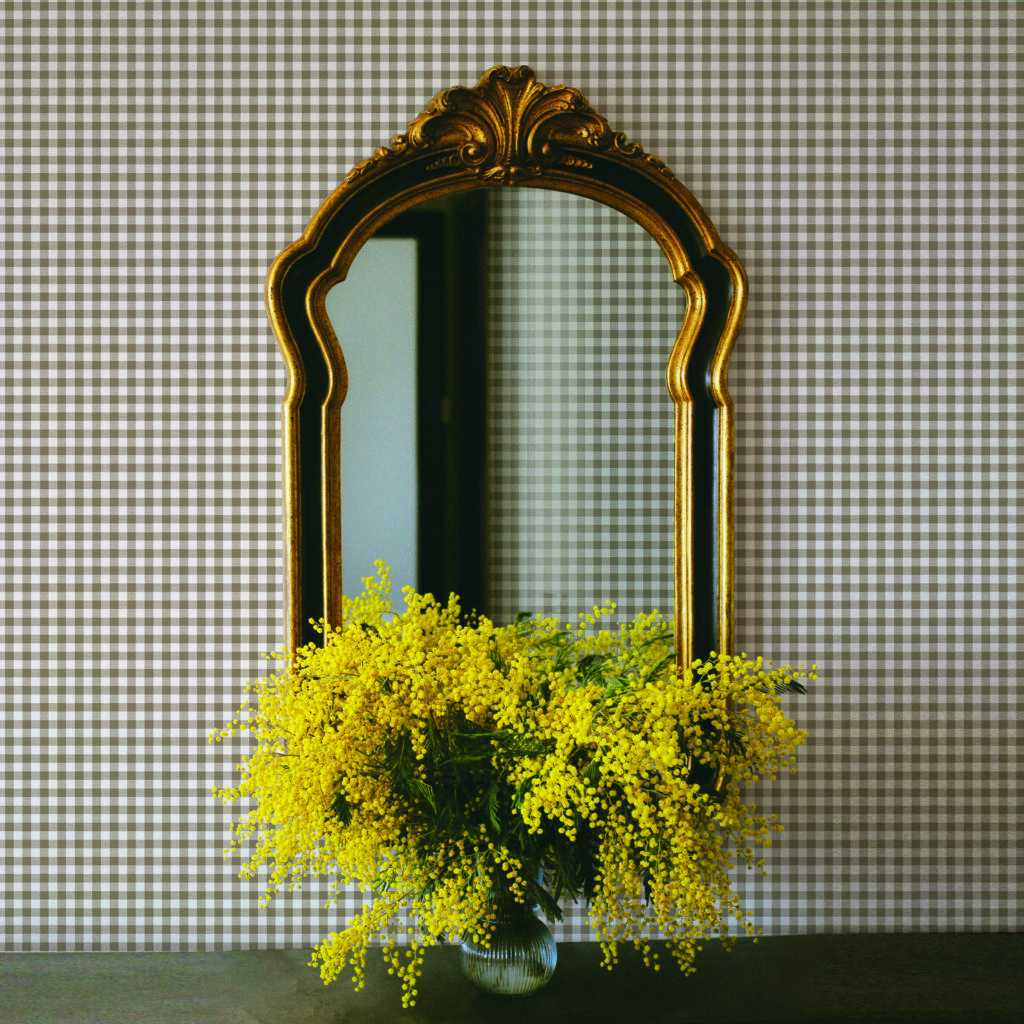
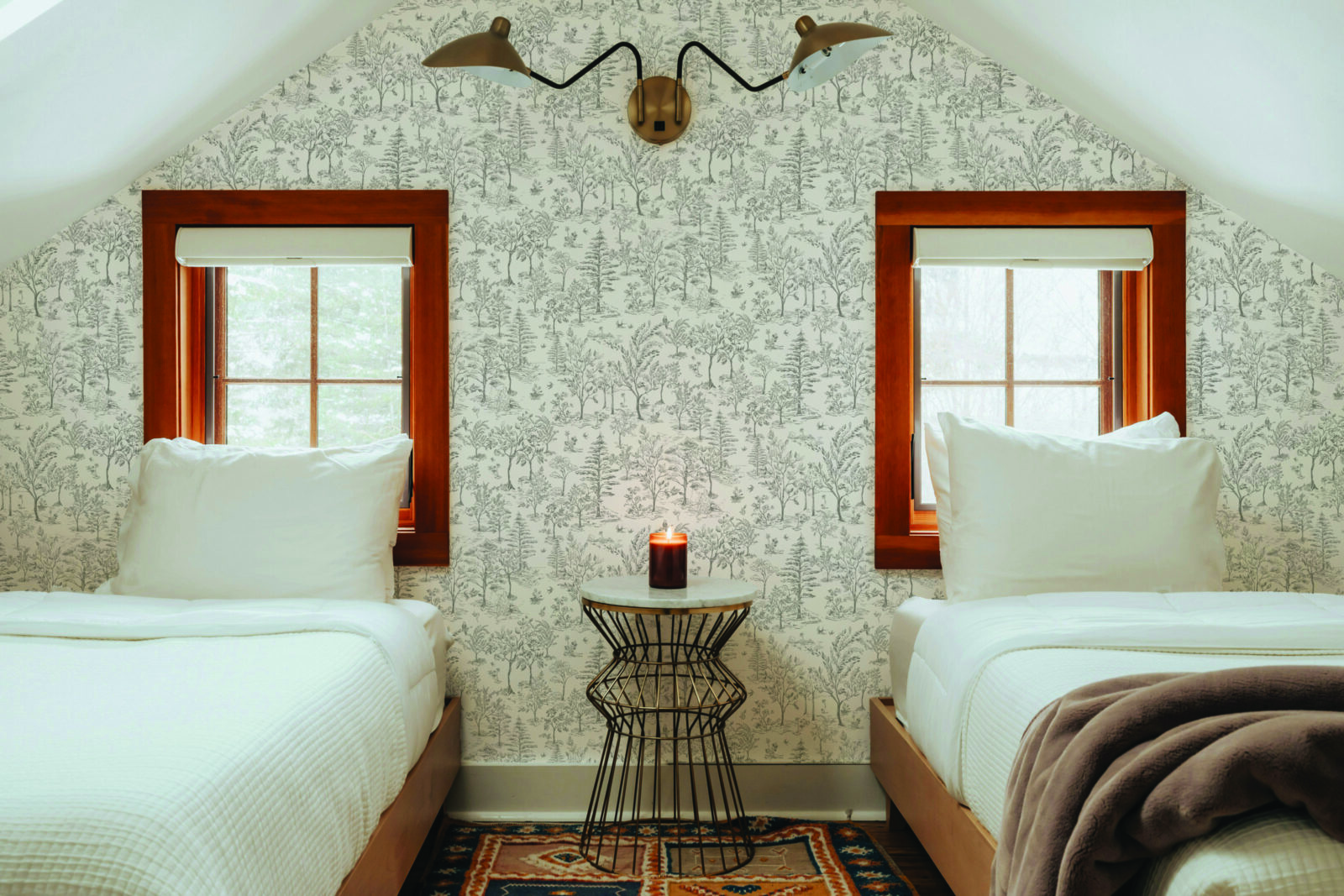
Tempaper also tapped into the movement with their “Gingham Check” and remarkable “Arbor Toile”, an American version of the timeless French design. Of the collection, Jennifer Matthews, chief creative officer of Tempaper, noted, “We set out to create something playful and nostalgic yet mature enough to be used in all spaces.” The company worked with illustrator Hillary Bott Sorrentino on the Arbor Toile design. Sorrentino said of drawing the collection, “I wanted it to have an artistic, hand-drawn feel, but still look classic enough to live in all kinds of homes.”
If craftsmanship forms the foundation of the movement, storytelling may be what gives it emotional permanence. The movement is particularly compelling for its fluidity. Today’s Americana is less about prescribed aesthetic and more about personal interpretation shaped by geography, memory, and lived experience.
The Rise of the Personal Archive
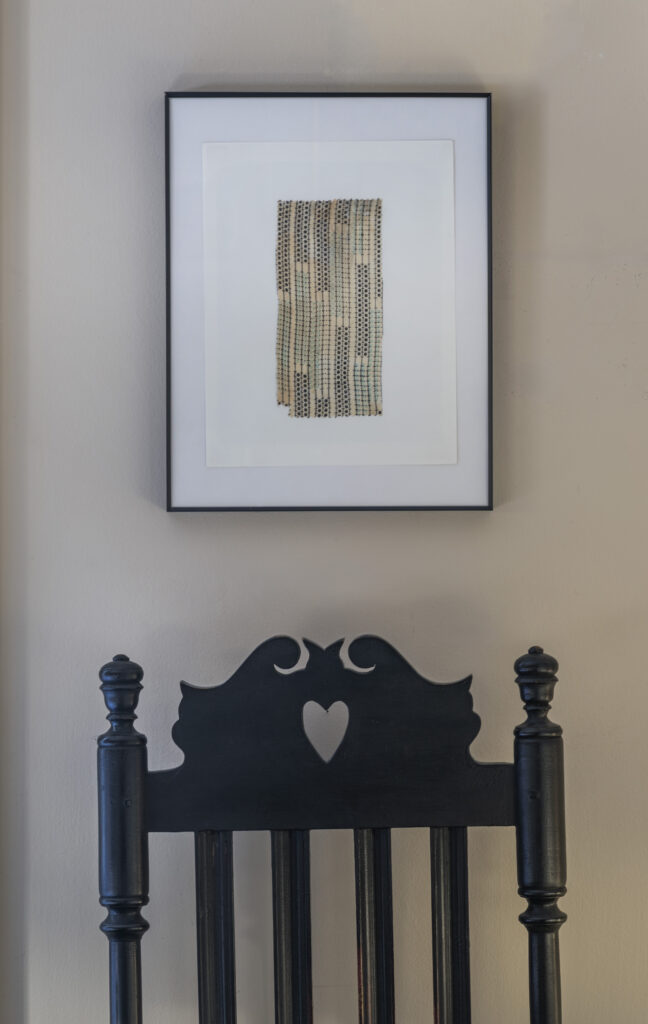
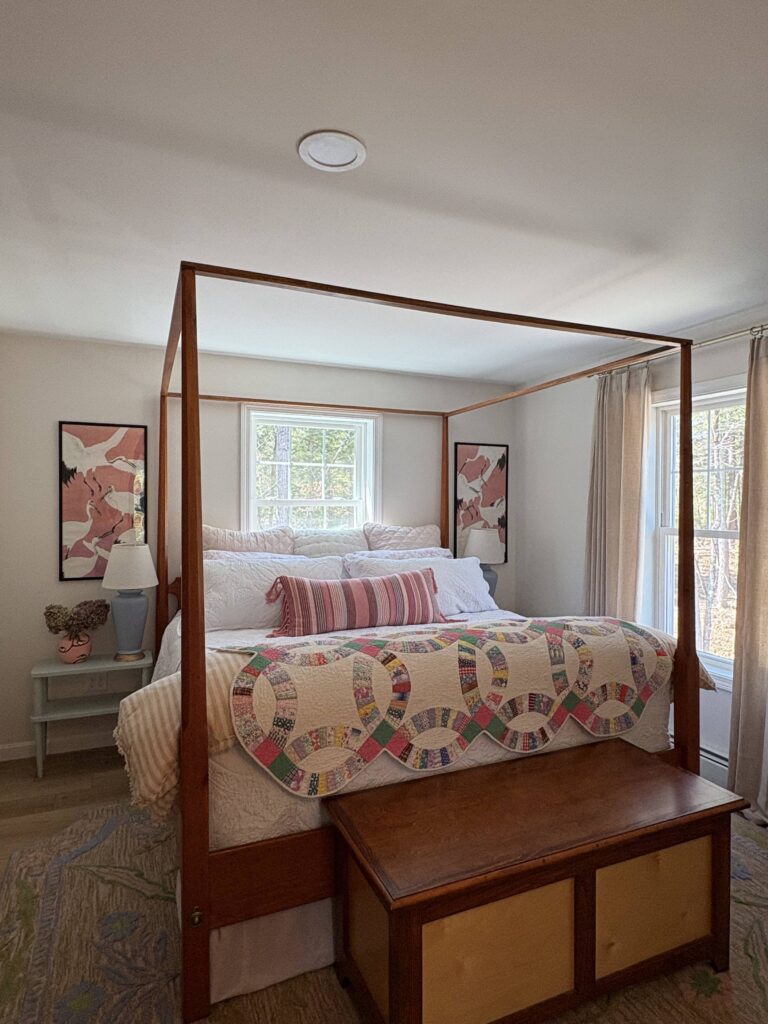
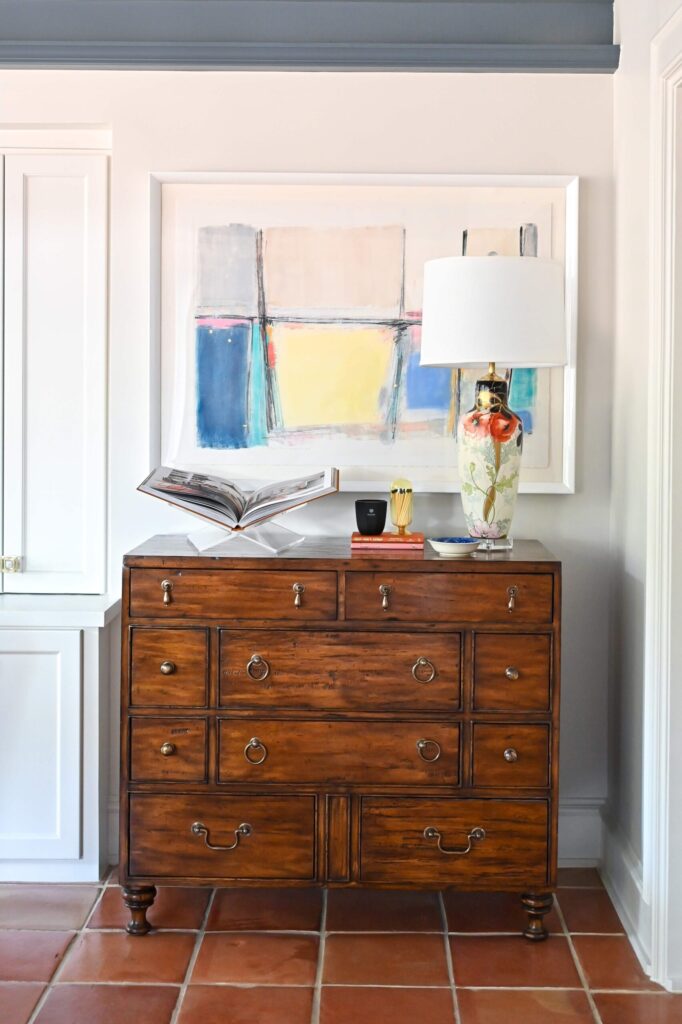
Americana is beyond “trend”. Designers’ use of its elements display authenticity through meaningful objects rather than manufactured nostalgia. And as design directive evolves, it is becoming increasingly individualized and autobiographical.
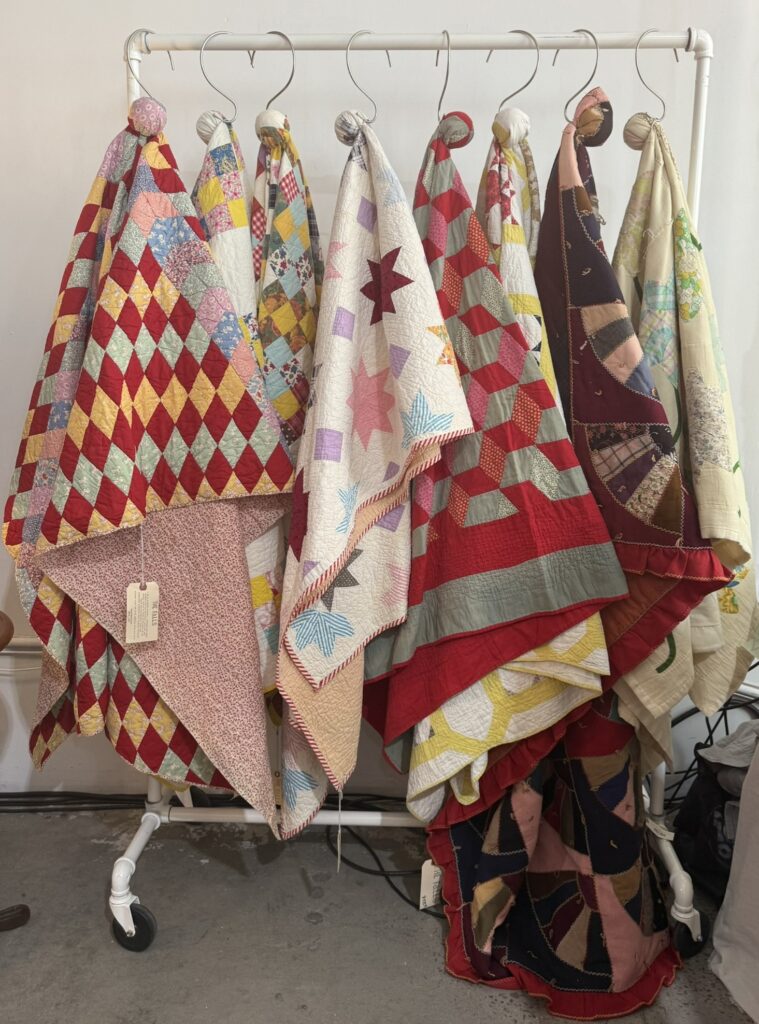
I found the best illustration of this in Grant’s great-great-grandmother’s quilt from the late 1800s. Beautifully preserved by being kept in a cedar chest, it is a classic scrap quilt that Grant asserts, “At least one thing with a story is crucial. For me, that’s my great-grandmother Elma Ruth’s quilts on my bed.”
The storytelling aspect cannot be underrated. Not only does it add interest, it invests in emotional relevance, the comfort of a known object, of stability, and purpose. Abbey Koplovitz of Abbey K Inc strikingly noted, “I think people are interested in things that have stories that are also beautiful and warm. A quilt made by hand by a person that served a purpose has a human element to it. It’s linked to a story. There is meaning behind an item.”
When designing in this vein, size and placement matter. Richardson pointed out to “Remember antique pieces and incorporate them thoughtfully. Instead of a lot of little things, choose a few, large, meaningful pieces in the space.” This practice is evident in her design for a reimagined colonial that utilizes an early American cabinet paired with contemporary art and fresh lighting.
Underscoring that mix of eras, Koplovitz added, “Mixing a touch of Americana furniture along with more modern pieces can add interest and contrast and can be a welcome surprise to the tried and true.”
Broader expanses, such as walls, require more consideration of utilization as a standout element rather than the box of the design. Daltorio described this as “Walls … being treated as their own feature. They’re no longer simply a constraint or a bookend for where one room ends, and another begins. Walls are now an active element shaping the aesthetic experience of a room.”
Regional Americana: Layered and Less Monolithic
The Americana movement no longer has a singular visual code. Instead, it’s becoming geographically and culturally hybridized with a focus on the individual and synthesis storytelling.
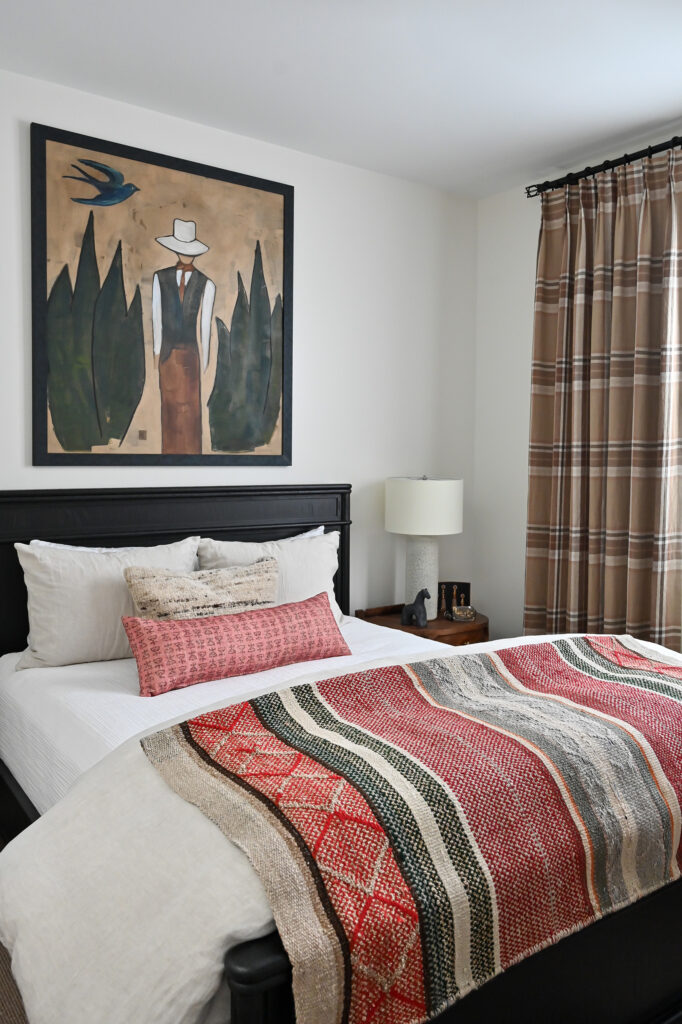
Richardson noted that Southwestern motifs and “raging plaids” are appearing in the movement, but those plaids are, “In unimaginable scale, gigantic and creative, not the perfect tight plaid proportions. It might be multiple scales within one fabric. It’s not a tight repeating pattern.”
While those motifs are elemental to the movement, there is also consideration to be made toward a sense of self in design – a natural evolution in the chain of “layered” and “storied” design. It invests in lived experience and individualized versions of the Americana movement. DuVäl said it best, “… I think the key is to focus less on recreating a specific aesthetic and more on identifying what aspects of a style genuinely resonate with you.”
With a more personalized point of view, Grant noted, “My Americana being from the east coast and the south is going to look different than someone from Arizona, where it’s heavily southwestern influenced. The new Americana is cool, collected, and deeply personal, which I think is so cool.”
Americana today is no longer about preserving a polished vision of the past. Instead, it’s evolving into something far more personal: an edited composition of memory, craftsmanship, regional influence, and identity that creates homes with warmth, depth, and an unmistakable point of view. The result is not nostalgia for the sake of nostalgia, but a future-facing iteration of heritage—one that feels collected, individual, and fully alive.
Note: Header image is Tempaper’s Arbor Toile in Charcoal