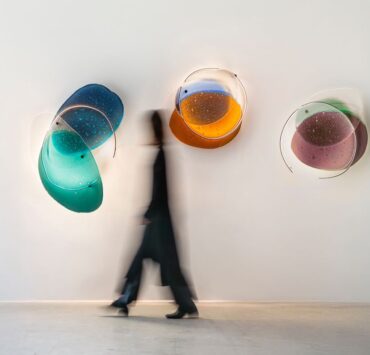

As 2026 approaches, design leaders from Oppenheim Architecture share what is on the horizon and driving luxury design and travel trends in the year ahead.
The new luxury: being offline
Over the past decade, hospitality has been dominated by Instagrammable moments, with spaces designed to be photographed, shared, and curated for social media. The focus is now shifting. In 2026, wellness will define luxury travel, and digital detoxing is becoming central to the experience. More hotels are asking guests to seal phones in sleeves while dining or moving through communal spaces, creating environments that encourage reflection, calm, and sensory engagement.
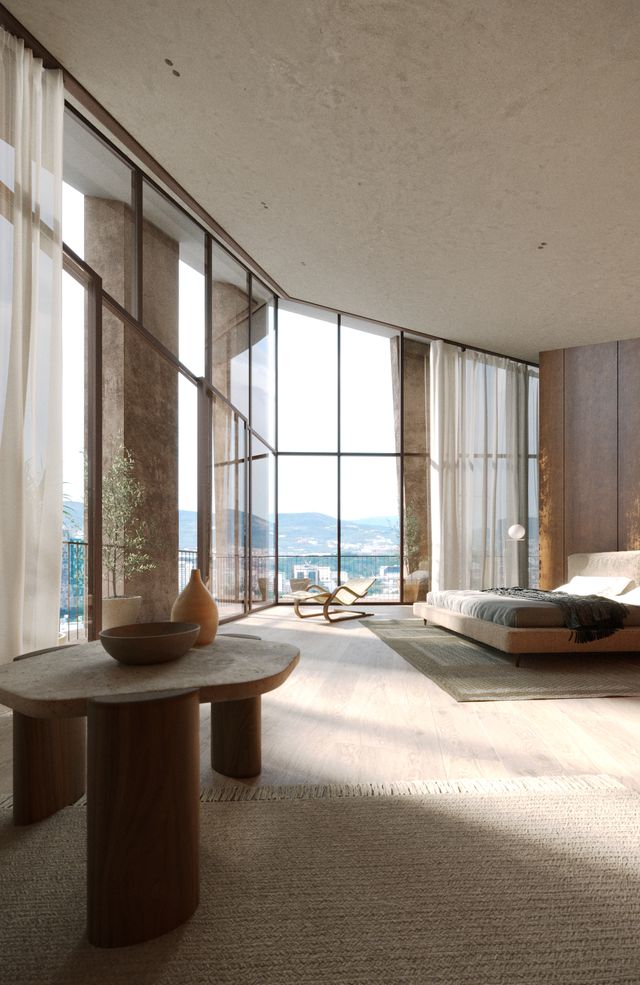
This represents a broader change in hospitality: spaces are increasingly measured by how they make guests feel rather than how they appear online. Designers are emphasizing tactile materials, local craft, and layouts that support privacy and comfort, shaping experiences that reward being present over being performative.
Inviting you to press pause
Mariana Charters, Interior Design Lead at Oppenheim Architects, highlights how guest expectations are evolving. “As we head into a new year, there’s a growing awareness of how profoundly our clients’ expectations and lifestyles are evolving. More than ever, they are seeking spaces that go beyond function and beauty — places that offer emotional grounding, authentic connection, and a moment of pause in a fast-moving world. This shift reflects a collective desire to turn off, to create environments where silence and simplicity become luxuries in themselves. Interiors are being reimagined as intimate retreats — sanctuaries for reflection, comfort, and sensory restoration.”
She stresses that technology, while ubiquitous, is being integrated in ways that support calm and presence. ”Technology continues to evolve — seamlessly integrating into our everyday lives, facilitating comfort, efficiency, and connectivity. Yet, in parallel, there is a quiet yearning for the simple actions of the past — opening a window, lighting a candle, feeling the texture of a natural material. These gestures remind us of the beauty in slowness and the value of human ritual. The future of design will not reject technology, but rather balance it with moments of authenticity, tactility, and presence.”
By encouraging guests to step away from devices, these spaces create room for the gestures Charters describes, whether that is noticing a material’s texture or listening to the subtle sounds of a space.
Materials that feel real
Materiality plays a central role in shaping restorative environments. “This movement toward intimacy and authenticity is mirrored in materiality. We are witnessing a renewed appreciation for honest, tactile surfaces — lime plaster, stone, timber — materials that feel real, imperfect, and alive. In parallel, transparency is returning as a design language: glass, acrylic, and polished finishes contrast the raw with the refined, creating spaces that balance openness and grounding. The revival of brutalist forms brings an architectural weight that centers both the furniture and the user within the space,” says Charters.
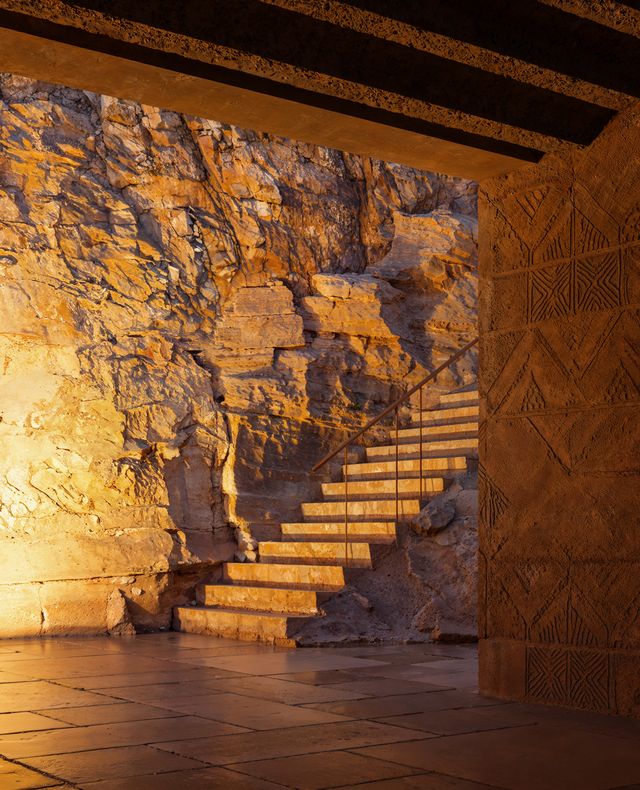
The focus on materials that engage the senses reinforces the digital-detox ethos. When phones are set aside, textures, natural light and layered surfaces become the points of engagement, providing a richer, slower experience than images on a screen could offer.
Privacy and the value of the unseen
Francisca Soares de Moura, the Hospitality Lead at OA, envisions luxury hospitality that privileges privacy and experiences that are felt rather than broadcast. ”New luxury will reside in exclusivity, privacy, and reconnection. Disconnection from the digital world may even become the ultimate indulgence. From hospitality designed to be seen to hospitality meant to be felt, a hotel brand that forbids photos and videos could emerge. The allure of concealed experiences would encourage travelers to forge their own unforgettable moments and prompt designers and operators to return to the very roots of hospitality.”
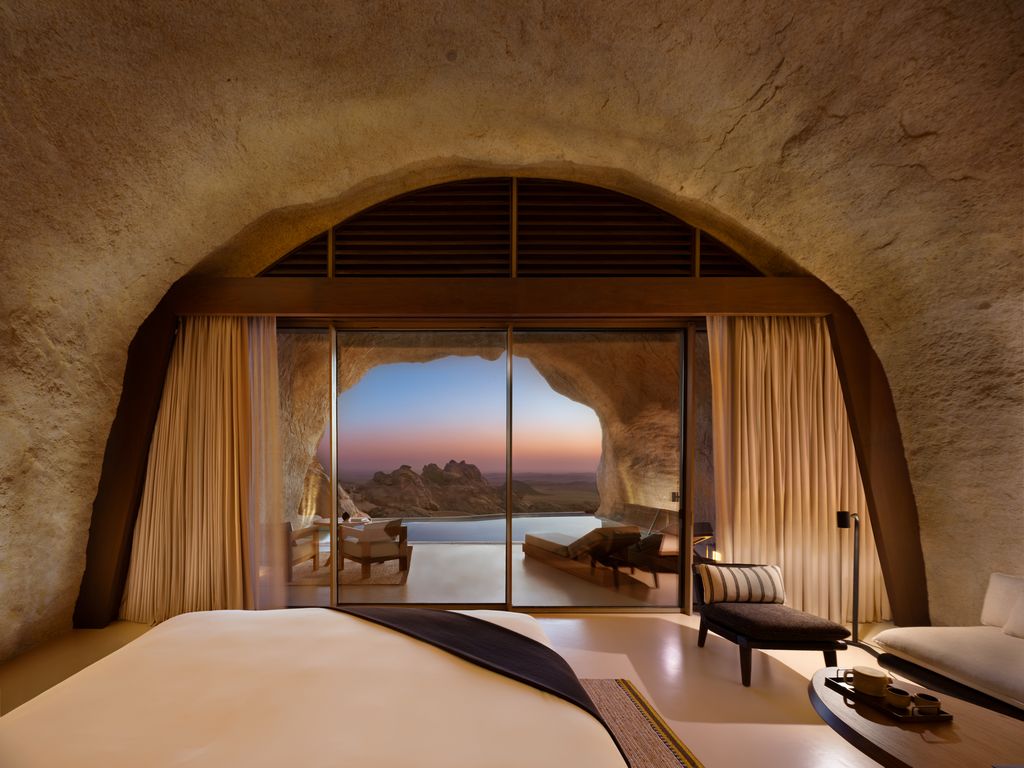
This approach dovetails with the growing demand for thoughtful, place-driven design. “In 2026,” she says, “a quieter form of tourism may rise — one that steps away from the dominance of social media aesthetics and moves toward connection with oneself and with the place. After years of chasing photo-worthy moments, a segment of travelers — particularly in the luxury sphere — will prioritize authenticity, intimacy, and truly unique experiences. More than ever, they will value settings born of their surroundings, where architecture and interiors carry the spirit of local identity, cultural nuance, and craft. Atmospheres that feel personal, immersive, and grounded, not just beautiful on camera.”
Wellness is the central theme that runs throughout just about every trend prediction. “Ultimately, personal wellness has become the quiet heartbeat of contemporary design — not as a trend to follow, but as a condition to inhabit,” says de Moura, “Spaces are no longer defined by visual statement, but by the emotion they evoke and the peace they allow. The interiors of tomorrow will be honest, calm, and deeply human — environments that encourage us to disconnect from the outside world and reconnect with ourselves.”
Nature as the main character
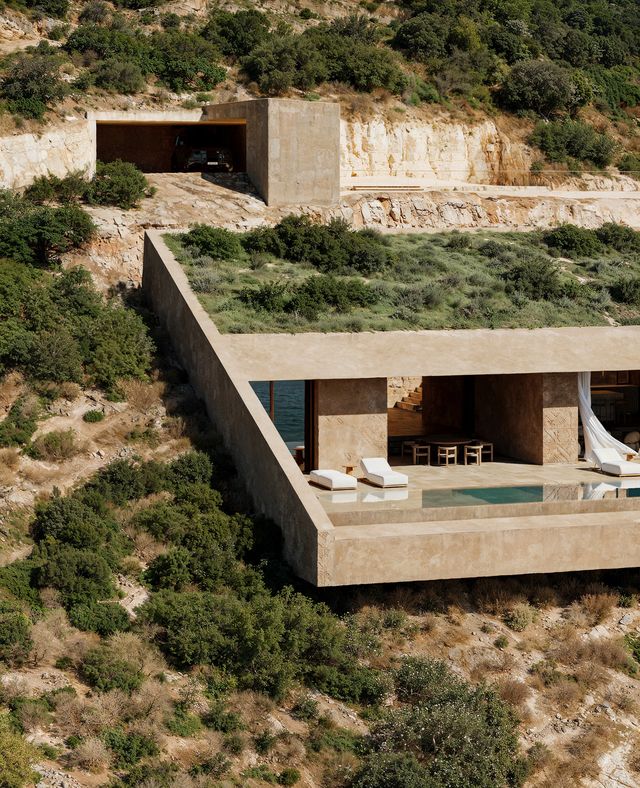
Katherine Bedwell, Interior Design at OA, frames luxury hospitality as a way to reconnect with landscape and culture. “In a world defined by noise, frenetic lifestyles, and constant connectivity, true luxury lies in escaping the city, venturing into open landscapes, where silence breathes and time expands. Here, nature is not just a backdrop, but the protagonist. The horizon becomes the canvas, the wind the soundtrack, and contemplation the most exquisite pleasure. A silent architecture, cozy interiors, natural noble materials, exquisite local craftsmanship, and emotional experiences combine to offer an authentic immersion in the natural world.”
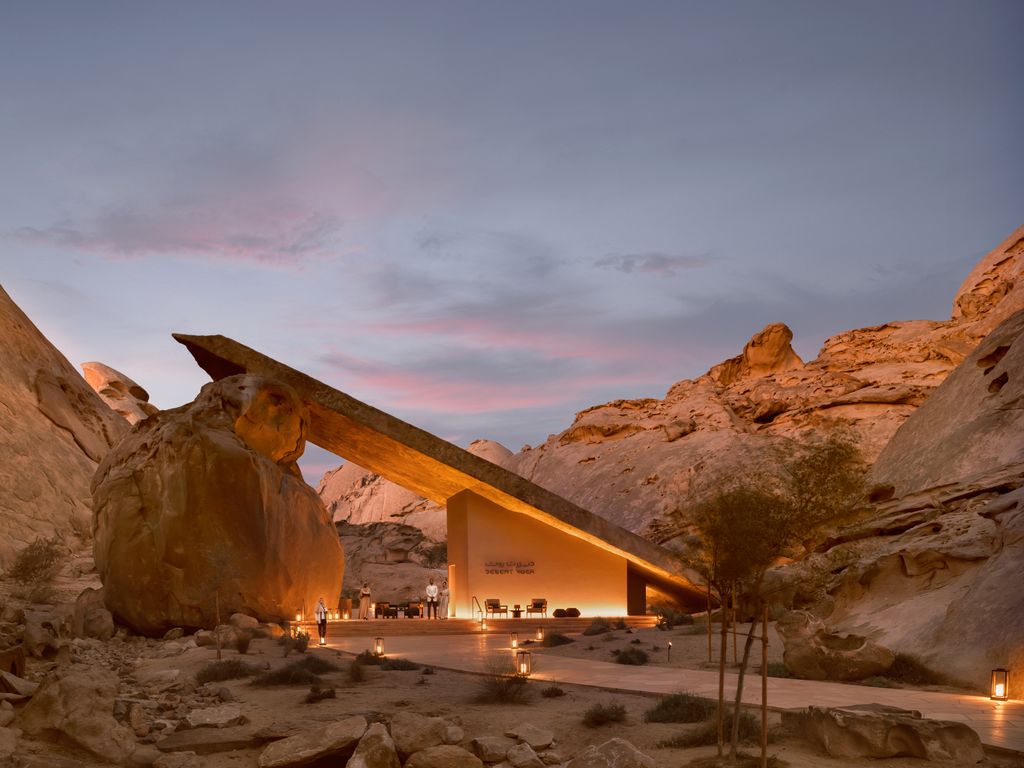
She points to the growing interest in stays built around the community they’re situated in. “Travelers seek local culture, community engagement, meaningful stays, including rural destinations, vineyards and coastal. In some cases, hotels collaborate with local artisans, offering neighborhood-based experiences.”
Even urban and coastal retreats are embracing this approach. “In a privileged urban or coastal setting, a unique type of private retreat emerges amidst the hustle and bustle. Behind large panoramic windows, guests can hear the distant murmur of the city as a whisper, or glimpse soft reflections of light on the water, a delight to behold. Here, despite being in the city, the design invites for introspection and serenity. Spaces are thoughtfully crafted to be flexible and adaptable to the needs of guests, timeless materials are meticulously curated and detailed, the concept of refinement without being ostentatious is present, and where time seems to stand still.”
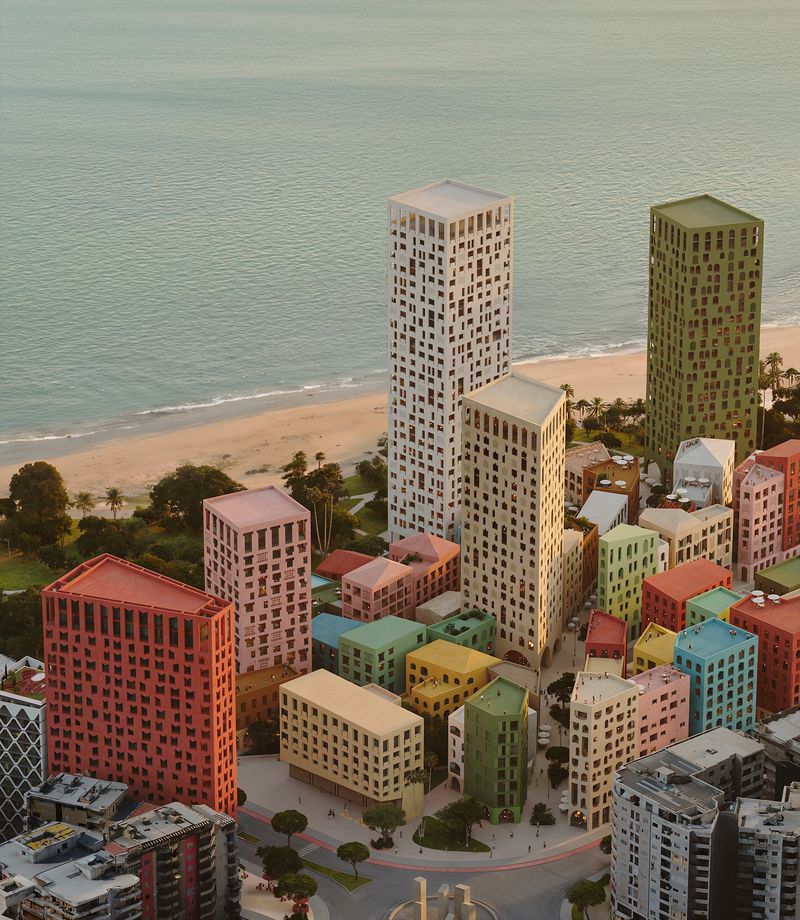
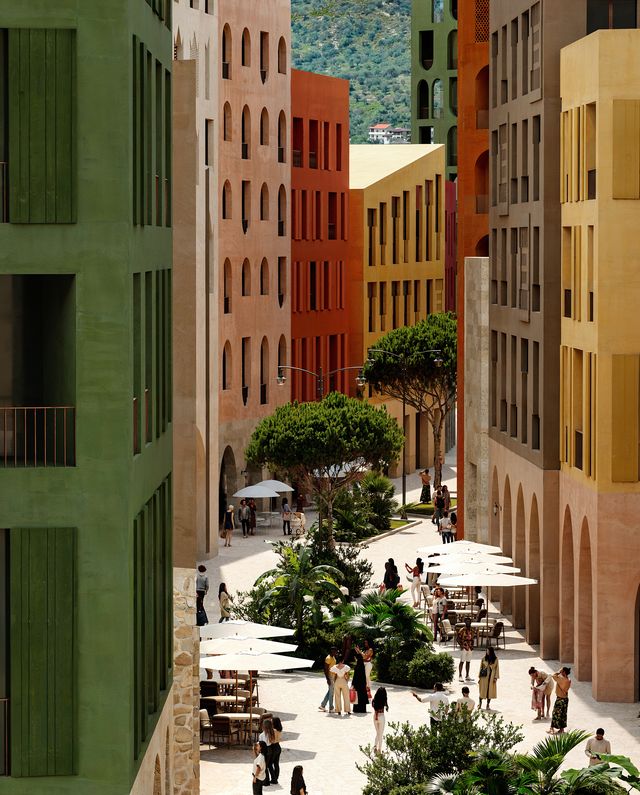
“Wellness travel and ‘travel with purpose’ will continue to grow, where guests increasingly expect health, nutrition, restful sleep, and nature-connectivity integrated into stays,” she says.
By combining tactile materials, natural light and thoughtfully layered spaces, these retreats encourage guests to leave devices behind, slow their pace, and engage fully with their surroundings.
What 2026 hospitality will look like
In 2026, luxury hospitality will be defined by wellness and the ability to disconnect. Hotels are creating spaces that allow guests to set aside devices, focus on sensory experiences and engage with local culture and landscape. Interiors will emphasize craft, texture and quiet details, shaping environments that restore energy and attention.
The next wave of luxury is less about how a space looks online and more about how it makes guests feel when they are present. Going offline, stepping into carefully curated spaces and connecting with materials, light and landscapes will define the true luxury of the year ahead.