Beyond Basic: Livable, immersive art from Basic.Space NY

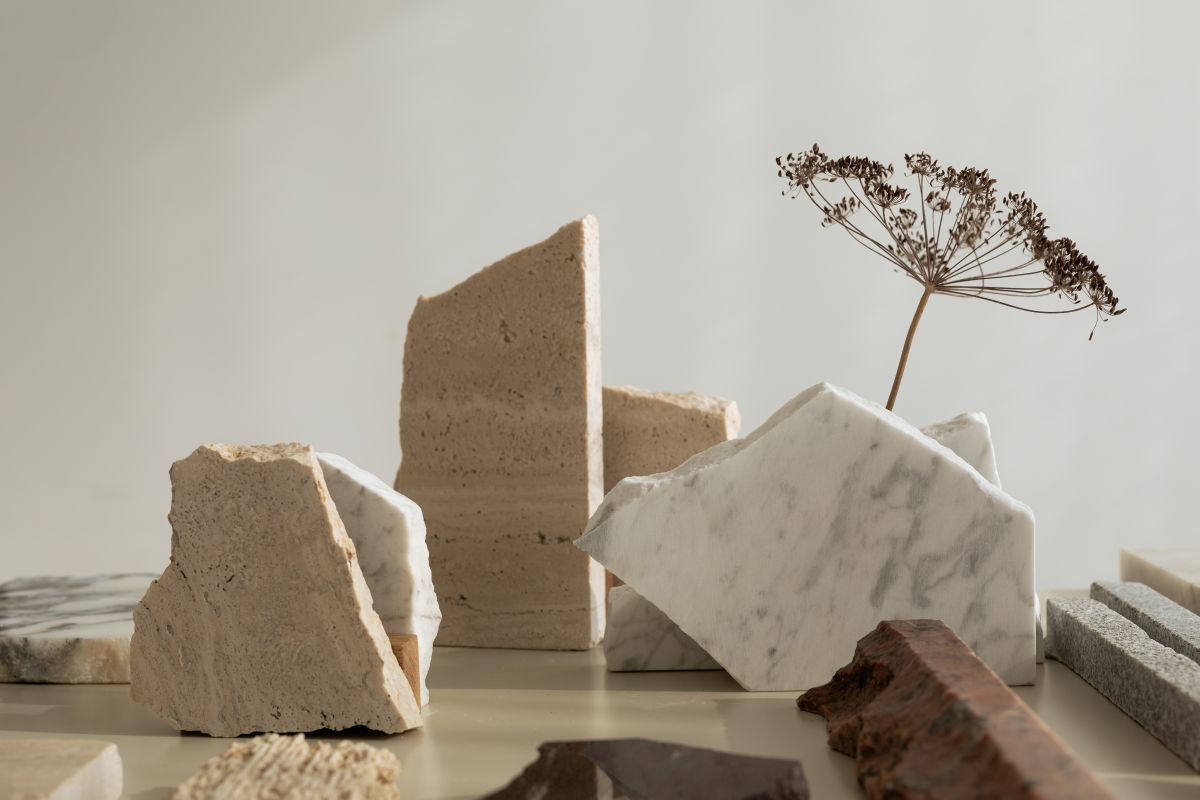
Working in New York as an interior designer means I often have access to the most visually stimulating design trade showrooms and events out there. Whether I’m scouring the many floors of our prestigious design centers like the D&D Building and the New York Design Center, or wandering the aisles at the Javits Center for the latest trade show (most recently, Boutique Design New York) or popping into gallery-showrooms in SoHo, I’m always on the lookout for beautiful things that offer something more: livable, immersive art.
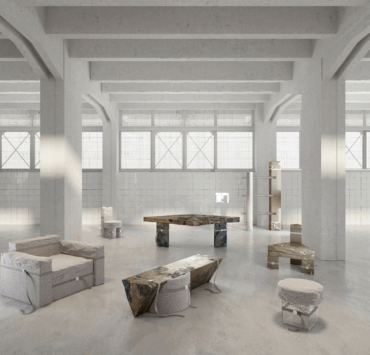
In November, I attended the pop-up invitation-only gallery by Basic.Space right here in New York and found myself immersed in what at first glance looked like “basic household items” but turned out to be anything but: the furniture are sculptural statements, pieces that blur the lines between function and art.
Allow me to walk you through why ‘livable art’ is essential for today’s interiors and share take-aways you can apply in your own projects. I spotlight five standout chairs I discovered at Basic.Space along with a few honorable mentions (not chairs) I would love to spec for my own design clients. As someone whose aesthetic leans more edgy, I found this showcase particularly exciting and aligned with what I love to design with.
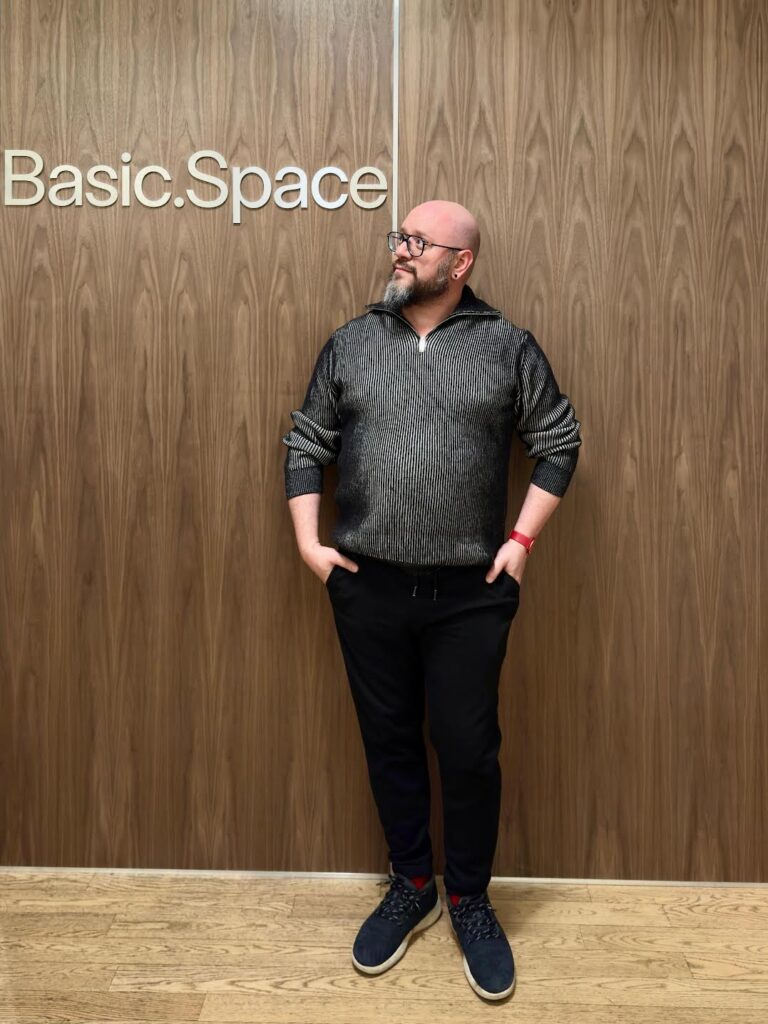
Stepping into Basic.Space NY
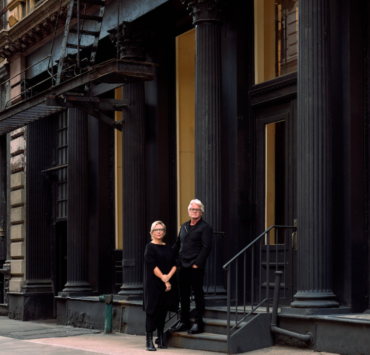
The event by Basic.Space NY was hosted in a SoHo building in downtown Manhattan. The platform itself, Basic.Space, is a curated marketplace that blends fashion, art, lifestyle and design; what they call “new luxury” and the IRL → URL hybrid. To me, this show felt more like an art installation: immersive, moody, layered displays, designer pieces living as art in space.
My key takeaway: a reminder that when designing interiors, we’re doing so much more than just selecting and placing furniture, we’re creating spaces where our clients will live their best lives and integrating sculptural objects that help that magic flow is critical. In other words: basic isn’t so basic.
Why Livable Art Matters
Depth of Experience:
A chair isn’t just for sitting, it can be a moment in the room. When you choose something with sculptural presence, you give the user a richer sensory experience.
- Statement Without Overpowering:
The pieces I picked to spotlight offer drama but remain livable. They don’t scream “museum only”, they invite interaction.
- Design + Function + Narrative:
Clients today want furniture that tells a story, not just looks pretty. The artists behind these pieces give that narrative depth.
- Curated Authenticity:
With curated platforms like Basic.Space leading the way, interior designers have access to rare, limited-edition pieces that elevate our design, especially in luxury residential or boutique commercial projects.
- Versatility for Interiors:
Even when a piece is boldly artistic, if it’s well designed, it can function in everyday spaces without feeling cold or inaccessible.
- From a practical standpoint:
When specifying such sculptural pieces, remember to consider scale (does the form dominate or complement?), materiality (does it read well in natural light, does it age gracefully?), adjacency (what does it sit next to?). These are the kinds of considerations I bring into my designs every day, and I’m sure you do too.
My Top 5 Chairs from Basic.Space NY
Here are the five chairs that stood out to me, each one a livable sculpture with big design soul.
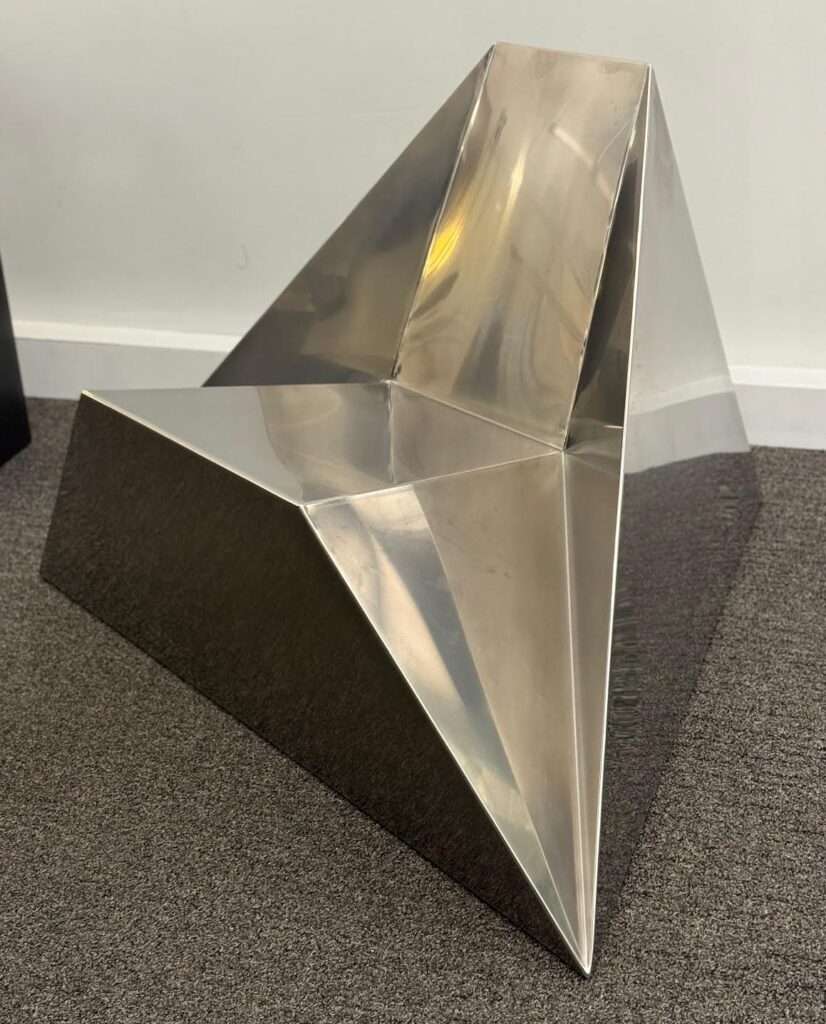
1. Tetra Chair
This chair caught my eye first. Its triangular-inspired form gives it structural clarity, yet the execution is refined enough to belong in a luxe residential setting. I love how the geometry reads three-dimensionally, playing with light and shadow, yet still invites seating (yes, it’s actually comfortable!). For a modern apartment in Manhattan or as a guest chair in a boutique hotel lobby, this piece brings energy without chaos.
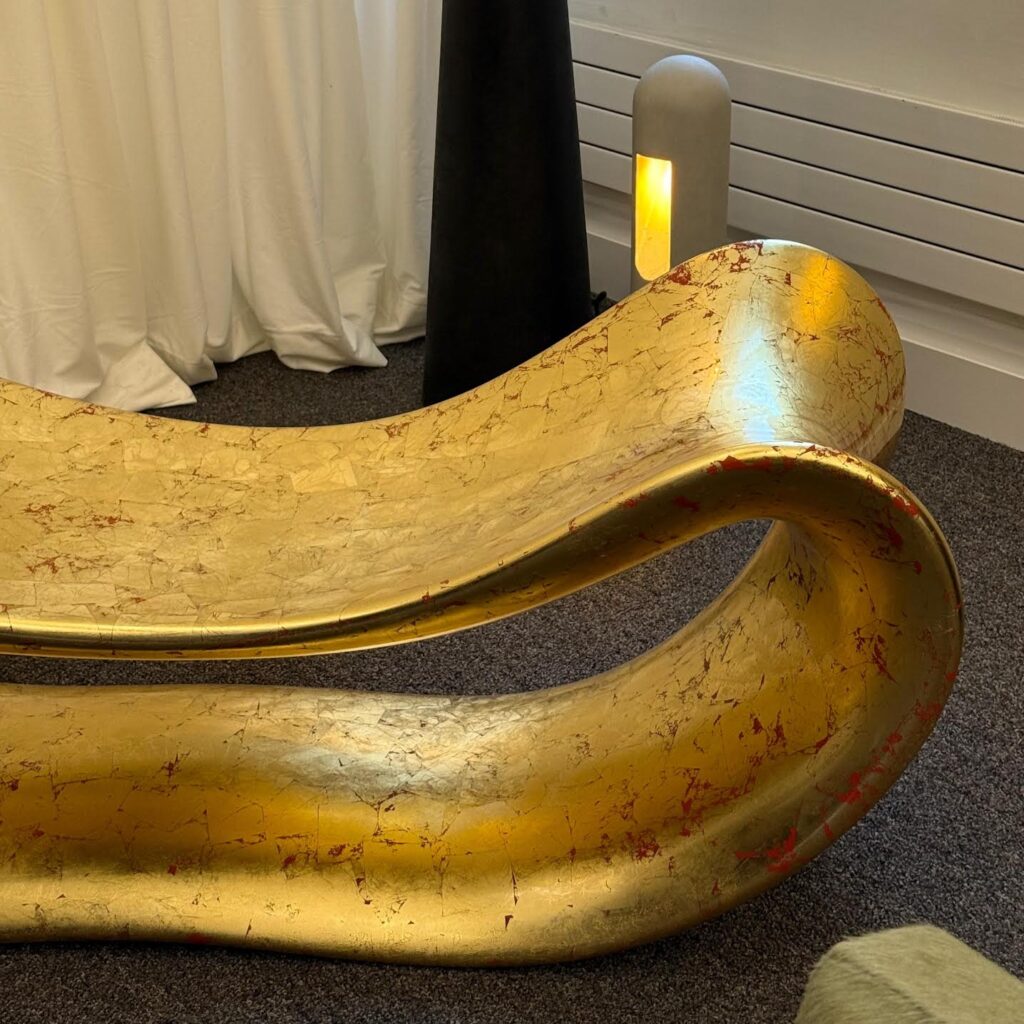
2. Calamari Bench by Wendell Castle
Castle is known for taking furniture into sculptural territory…and this bench does exactly that! Seeing the Calamari Bench at Basic.Space made me think, a bench like this becomes a centerpiece. Placement matters and this show-stopping piece belongs front and center. Its play between organic shape and functional seating combined with an exquisite, layered gilding finish is just the kind of statement I look to include in my design projects.
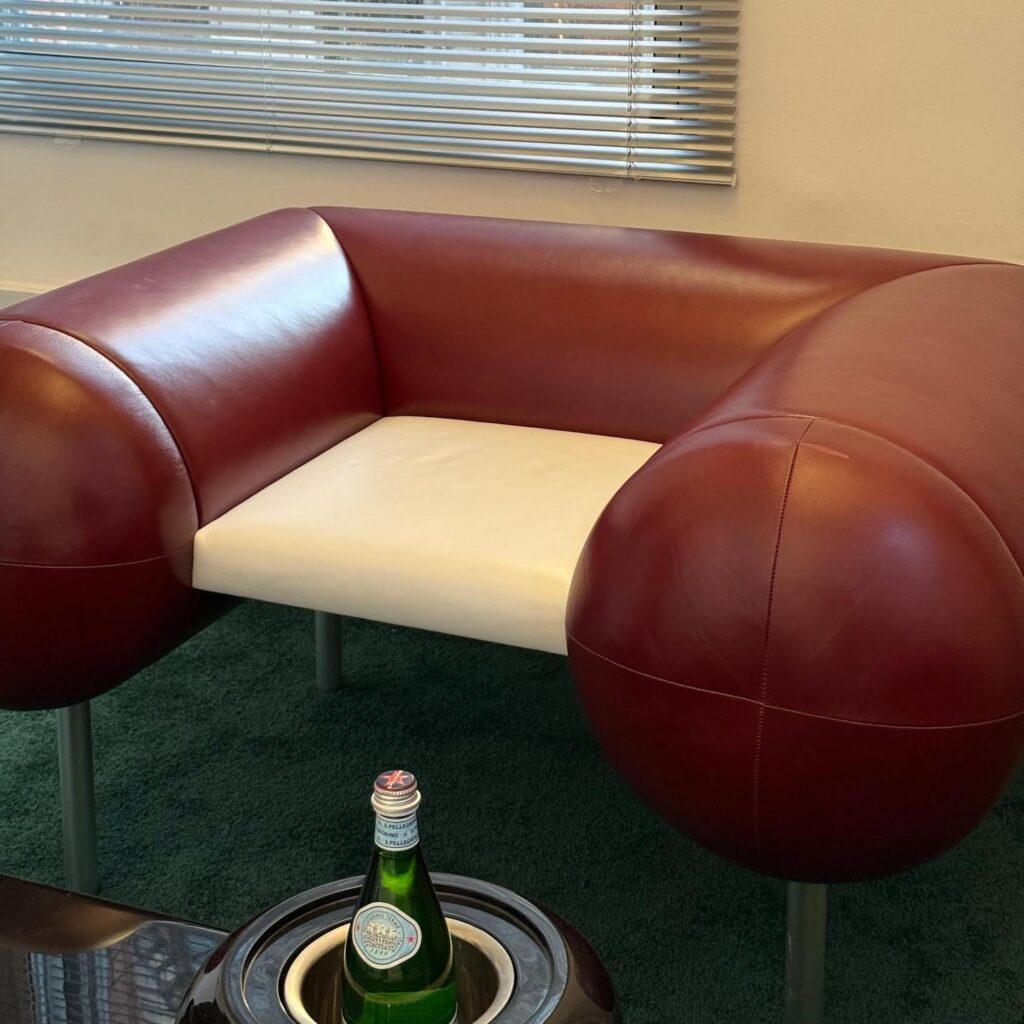
3. Hug Chair
From the moment I laid eyes on this chair, its name resonated: “Hug”. The form embraces the user, the “huggable” arms sweep around, creating a sense of comfort and security while remaining visually striking. Ideal for a reading nook, a bespoke library, or even a boutique hotel room where you want seating that says “stay awhile”.
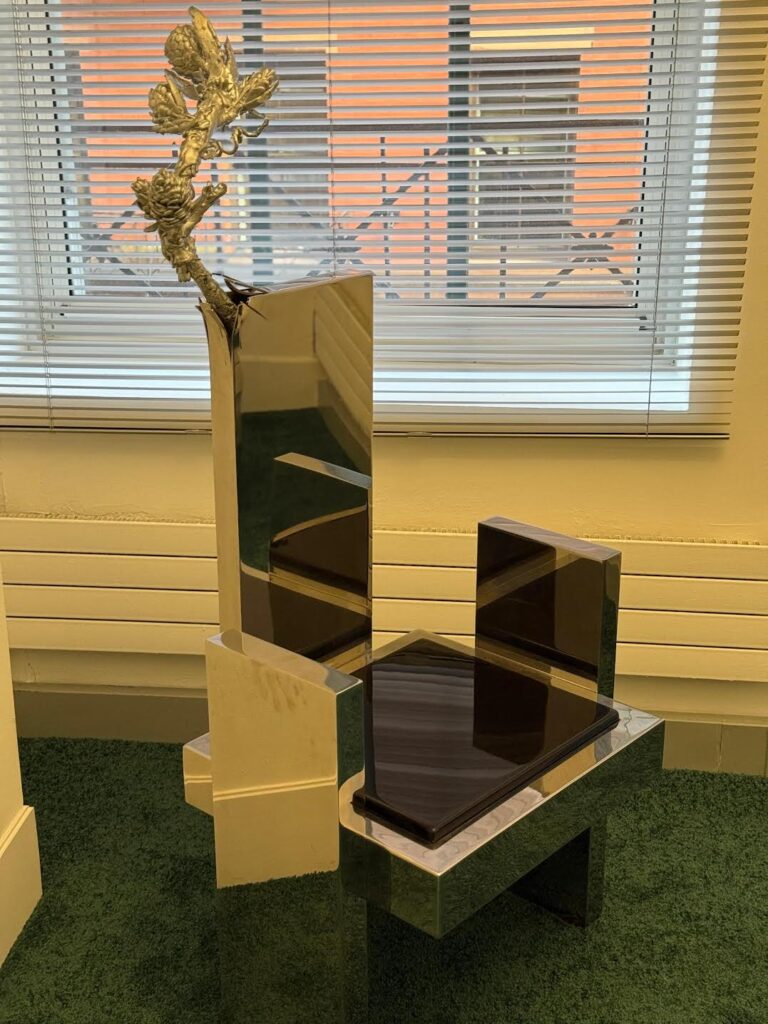
4. Scavenger on Earth
This one had a more avant-garde vibe, telling a story with very diverse mediums. Materials, textures, forms…all teamed to create a chair that feels like it emerged from the earth, was zapped with heavenly rays, then lifted into the interior space. For a client who loves art and wants a piece with story, this becomes a sculptural conversation piece that you can sit on.
5. Capitello
From the early ’70s yet still ageless, and possibly my favorite piece. Capitello brings formality, sculptural integrity and a classical reference (the name evokes a capital, a architectural, structural meeting point). I found myself imagining it in a formal office in a luxury residence in the Upper East Side or a distinguished study in a meadow-facing home in the Hudson Valley. It’s both serious and playful at the same time.

Honorable Mentions: More Exquisite Furnishings & Lighting
Here are a few additional pieces from Basic.Space, which deserve a callout for being perfect examples of livable art, certainly pieces I would include in my interior design projects.
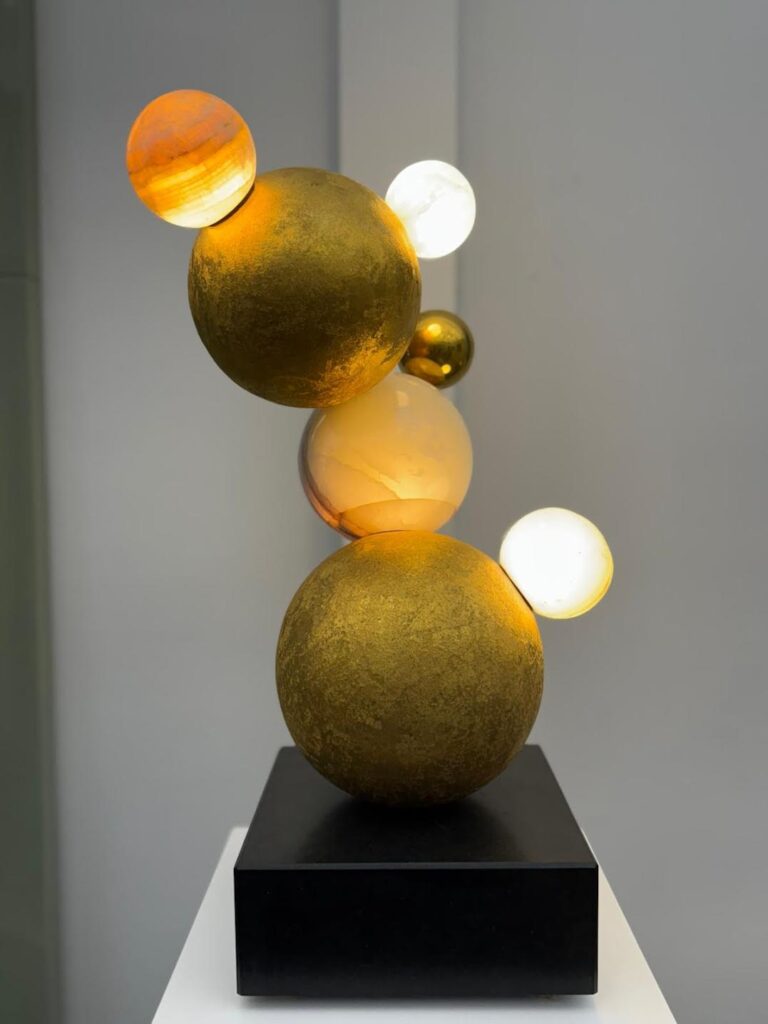
Bubbles Table Lamp: This lamp transforms the everyday light source into a sculptural form. Whether over a console table or beside a chaise, it elevates lighting from functional to artful.
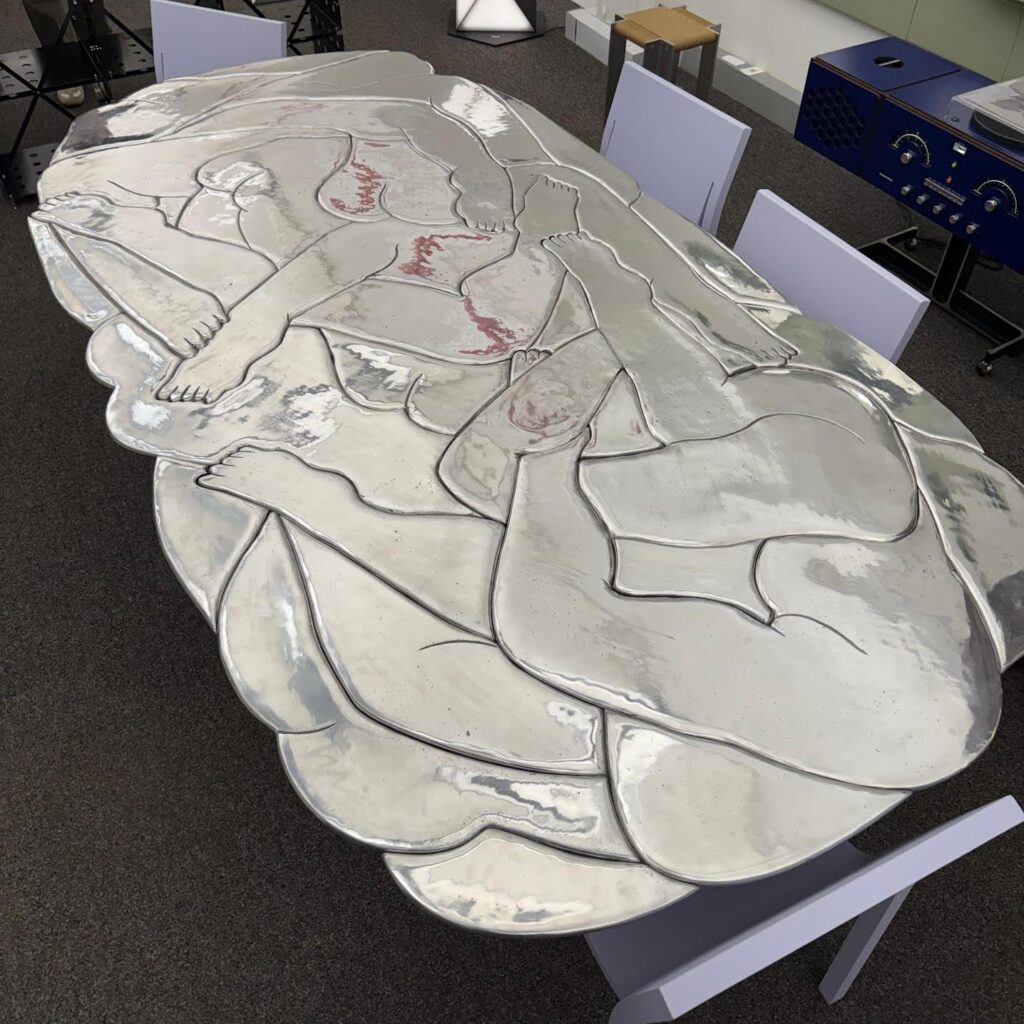
Body Dining Table by Chris Wolston: Dining tables are often “safe”. This one challenges that assumption. For a contemporary home in Brooklyn or a modern dining space in Miami, it’s a masterstroke.
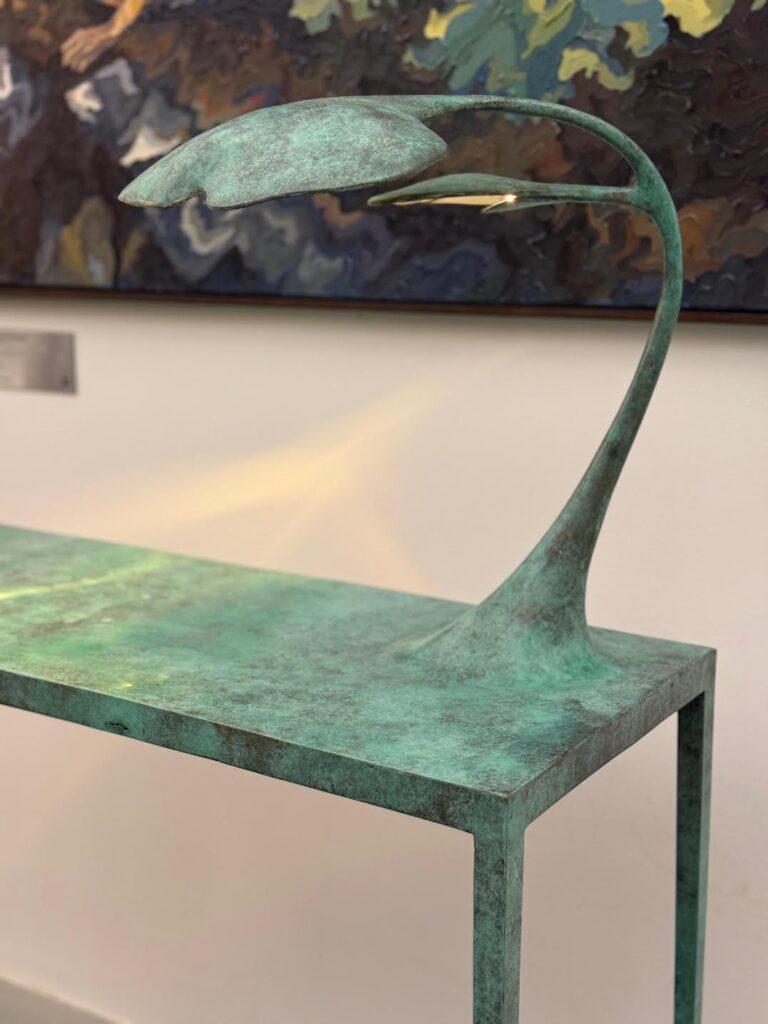
Linneo Console: A console is a great opportunity to accessories interior spaces. This one comes with its own built-in accessory! An organically formed table lamp appearing to grow right out of the tabletop, the juxtaposition of the organic form constructed of cast bronze adds to the intent and elegance this piece bestows on any room.

Portal Tide: For an interior designer, placing this portal in a transition zone or as a focal point in a foyer or at the end of a long hallway tells a story of movement and art. I am here for it!
Practical tips for designers specifying sculptural furniture
Measure with Intention: Sculptural pieces often have non-right angles, overhangs, or unique footprints. Don’t assume standard clearances.
Lighting Matters: These pieces often rely on shadows, texture, and form. Use directional lighting or adjustable ambient to let the sculpture ‘live’. Every sculpture you consider will be different so pay close attention to the lighting needs of each and every piece.
Seating Comfort: Even art furniture has to work. Test ergonomics when possible, consider seat height, back angle, lumbar support, arm span, and spatial context.
Proximity and Placement: Give your livable art space to breath. As my friend and mentor, interior designer Robin Baron, always says, “More is more, but sometimes, enough is enough!” Use one major sculptural piece in a given space. Don’t overwhelm the space with too many statement pieces.
Investment vs. Use: Clients will treat these as investment art pieces. Clarify their usage before investing…can it be sat in daily? Is it more for show? Manage your client’s expectations so there are no surprises.
Maintenance & Longevity: Materials like gel-coat fiberglass, hand-carved wood, or mixed media have different care needs. Specify accordingly for commercial vs residential use and be sure to provide clear care instructions so the investment lasts for years to come.
Why Basic.Space’s approach resonates with luxury designers
What I found compelling about Basic.Space’s New York event was their bridge between art and design. Their curated marketplace hosts a blend of vintage, pre-owned, limited-edition and new works, giving designers access to pieces with provenance and context. The physical event in SoHo felt equal parts showroom, gallery, and immersive experience. For my design projects, this type of platform matters because it gives me an opportunity to be inspired and my clients something unique, a piece with a story, something that allows we designers to craft spaces around these stories.
Furthermore, the trend toward “livable art” aligns with what smart clients want: spaces that feel personal, unique and layered…not generic. As design continues to evolve, the distinction between art and furniture blurs: the chair is no longer just something you sit on, it’s a form, function, and feeling. Basic.Space makes that blur deliberate and beautiful, and I encourage you to check it out.
If there’s one takeaway I want you to walk away with: when you hear “basic household item,” don’t assume basic means plain. At shows like Basic.Space NY, what appears everyday is transformed into something exceptional through form, material, narrative. For interior designers, the opportunity lies in selecting those pieces, and placing them thoughtfully in spaces that will stand out for both comfort and artistry.
-Thank you for reading this special edition of Design Business Blueprint, a Design News Now exclusive column written by Yudi Kaufman of YKD Associates. Yudi is a business strategist, entrepreneur, and creative with deep roots in the interior design and home furnishings world. He holds a Master’s degree in Sustainable Interior Environments from FIT and brings a unique blend of right- and left-brain thinking to his work. Learn more about how Yudi can help you grow your design business at http://www.ykdassociates.com.