

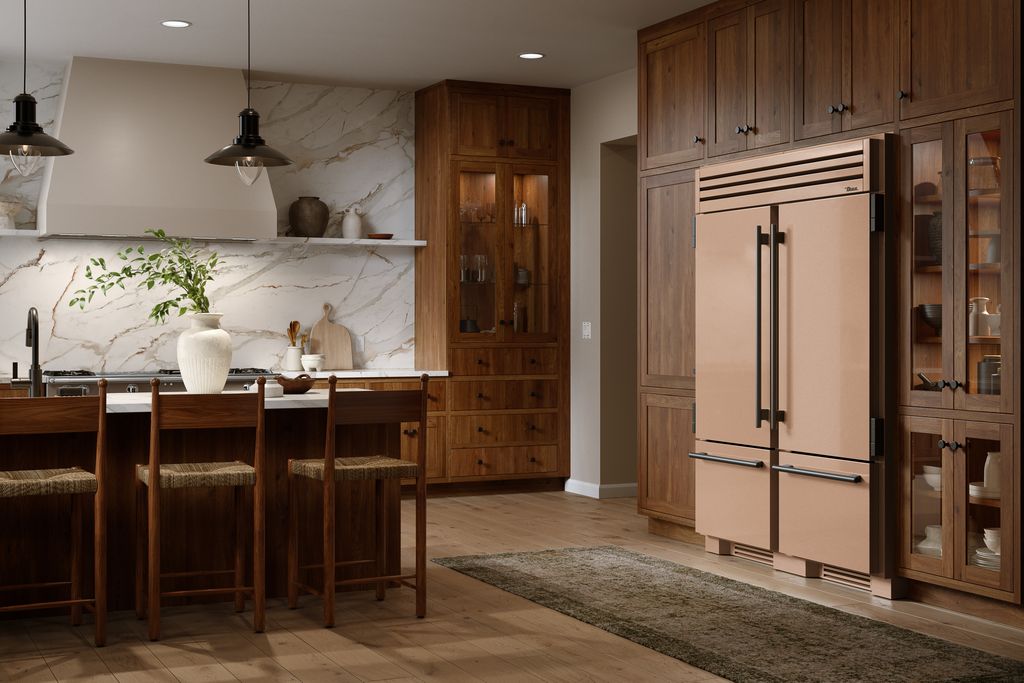
Design always adapts to the human body
Architecture and product design have historically responded to changes in human physiology. Door heights increased as populations grew taller. Airline seats widened as average body mass increased. Furniture and building codes rely on anthropometric data to define clearances and comfort.
Now, GLP-1 drugs may mark a reversal of those trends.
Often referred to by brand names like Ozempic or Wegovy, GLP-1 drugs are changing how millions of Americans eat and how kitchens are designed to support those habits. GLP-1 receptor agonists, a class of drugs widely prescribed for diabetes and weight loss, are changing how millions of Americans eat. Smaller portions, fewer meals and greater focus on protein and nutrient-dense foods are reshaping daily routines. This week we sought out to answer a couple of questions: How great of an impact will the ozempic-boom have on kitchen design? And are designers and manufactures working in the space already seeing it’s effects?
Why GLP-1 drugs matter to the design industry
The global GLP-1 market reached approximately $70 billion in 2025, according to research from IQVIA, GlobalData, Evaluate and Grand View Research. Analysts project rapid growth through the end of the decade, driven by expanded indications, oral formulations and broader insurance coverage.
More than 5 million patients already use GLP-1 drugs, primarily for diabetes and obesity, and their impact is extending beyond healthcare. Households on GLP-1s are spending less on groceries, particularly fast food, soda and alcohol. Food manufacturers, retailers and airlines are adjusting accordingly. Residential design is only beginning to follow.
Smaller appetites are changing kitchen layouts
For the past several decades, luxury kitchens were designed for episodic, high-output cooking. Often multiple large ovens, expansive islands and dedicated baking centers symbolized abundance and luxury, even if they were rarely used. But now, “GLP-1s have made their way to kitchen design and client priorities when planning their new spaces,” interior deisgner Wendy Glaister tells us. “I don’t really have the call I once did for baking centers in kitchens. Now it’s more about healthy food prep and [other] lifestyle upgrades.”
Micro-Prep zones and everyday efficiency
Designers like Glaister are shifting toward compact, highly organized prep zones intended for assembling light meals and snacks rather than producing elaborate dishes, and manufacturers are seeing this shift in kitchen appliances.
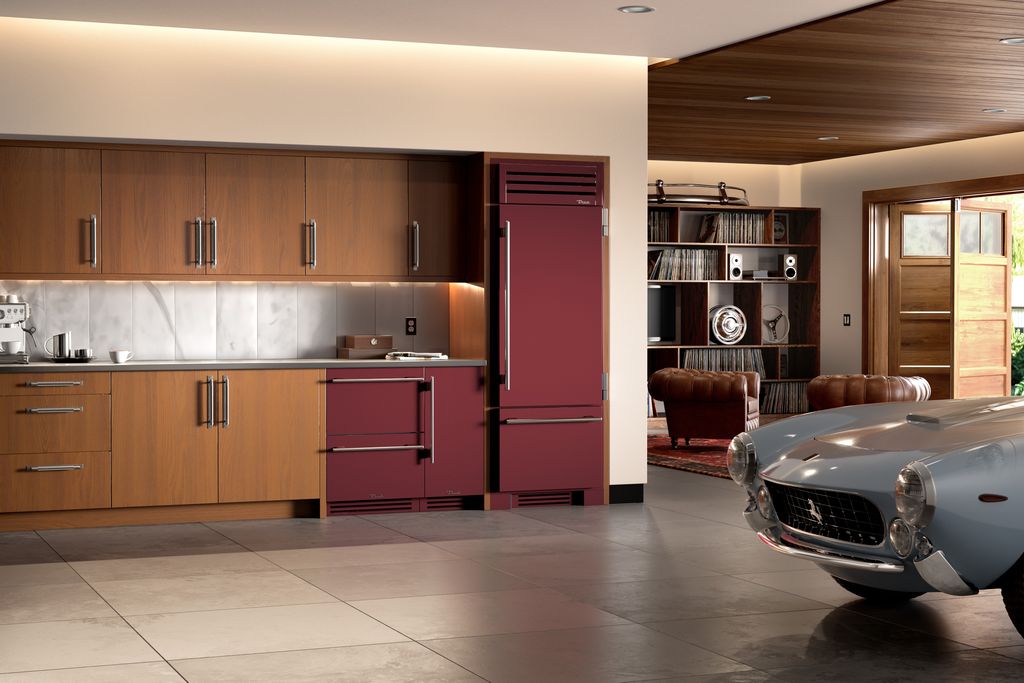
“The use of GLP-1s tends to constitute a shift in eating habits towards smaller, more frequent, and more intentional meals,” said Kay Trulaske, sales and marketing executive at True Caliber. “We’re seeing designers prioritize incorporating highly efficient prep zones dedicated to assembling lighter meals and snacks.”
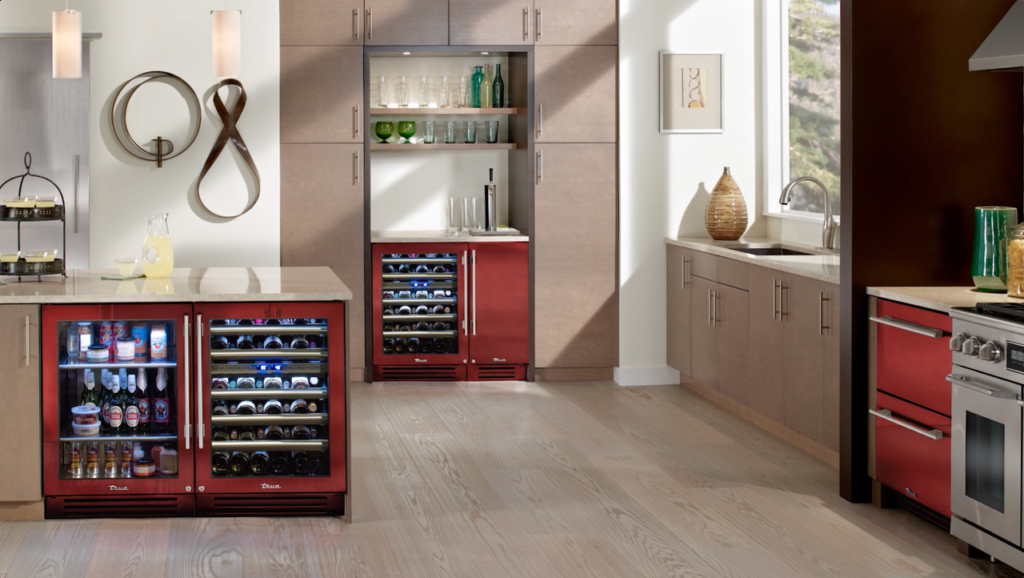
These micro-prep areas emphasize convenience and organization, making it easier to prepare healthy foods quickly. There’s an increased demand for under-counter refrigeration, offering easy access to ready-to-eat and simple-to-prepare items.
Glass-door refrigerators are also gaining popularity. According to Trulaske, they “tend to reinforce healthy habits by keeping nutritious items and options visible and top of mind.”
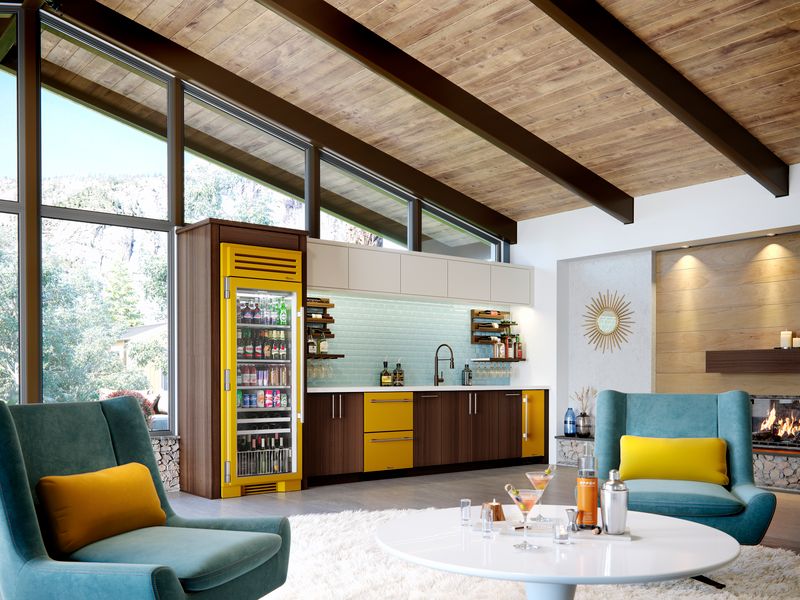
Refrigeration is expanding beyond the kitchen
Designers are increasingly integrating refrigerated drawers into closets, vanities, offices, and bathrooms. Because GLP-1 medications themselves require refrigeration, demand for refrigeration options in spaces outside the kitchen is expected to grow.
New cooking technologies support lighter meals
Cooking methods are also changing. Designers report growing interest in boiling-water faucets, like the zip faucet, which allow users to poach proteins and blanch vegetables in a pinch without using an oven.
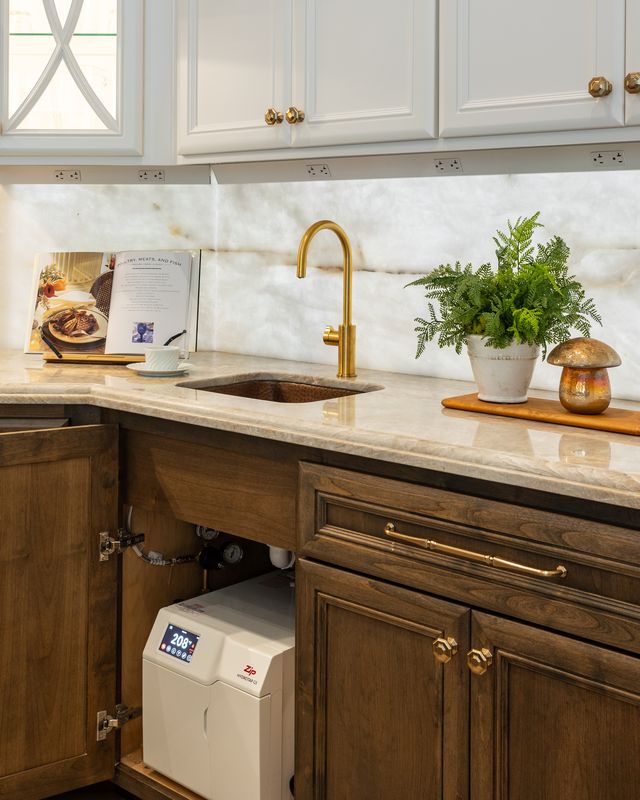
“[Clients] love that they can poach a piece of salmon in boiling hot water and never even turn on the oven,” Glaister says. “We’re placing them adjacent to the cooktop and adding bar sinks beneath, replacing the once-coveted pot filler.”
Steam ovens are also being increasingly specified, and often instead of-rather than in addition to- a microwave. They offer speed comparable to a microwave while preserving food structure and nutrients, aligning with health-driven cooking habits.
Storage for protein and functional nutrition
At the end of 2025, we spoke with designer Nikki Chu about her biggest predictions for kitchen design in the upcoming year. Storage needs are shifting, she told us, anticipating an increase in food storage investment. Turns out, she was right. Designers are fielding more requests for accessible storage for protein powders, collagen and other supplements, often in airtight or vacuum-sealed containers.
“Today’s healthy kitchen is about speed, cleanliness, access, and ease,” – Wendy Glaister
What the GLP-1 era means for kitchen design
GLP-1 drugs are reshaping eating habits at scale, with ripple effects across multiple industries. In the home, the kitchen is responding first. As appetite and portion sizes change, kitchens are meeting evolving needs for efficiency and storage.