

The idea that design can directly impact people’s well-being “is going to become scripture in our industry, much like the green movement,” said Jason Phillips, CEO of furniture brand Phillips Collection.
“… This is now like a superpower we have,” Phillips added.
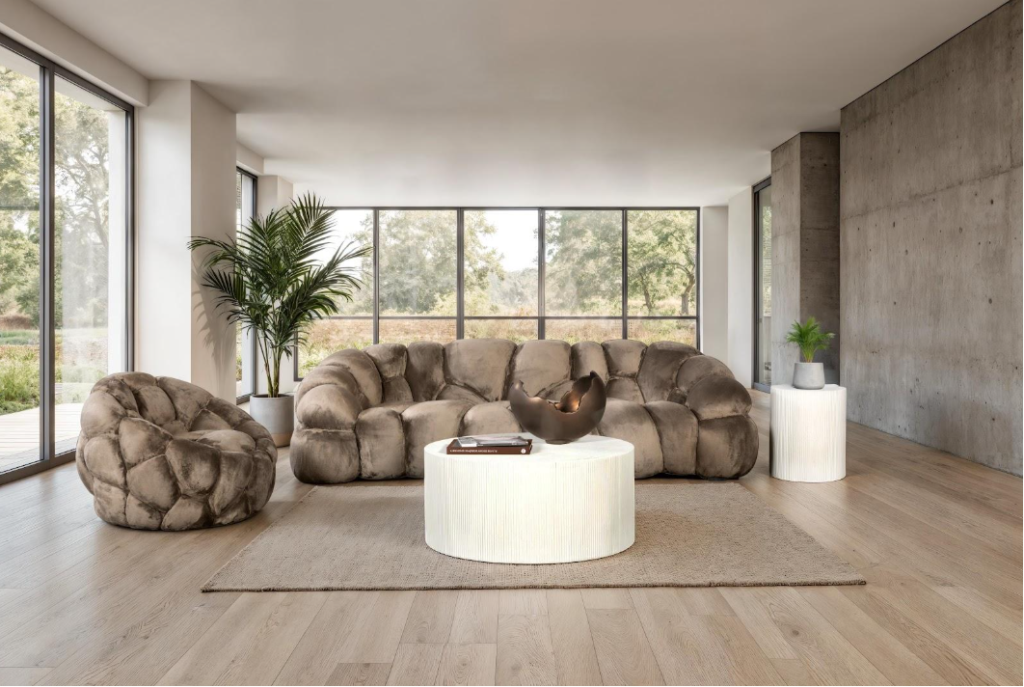
Phillips was talking broadly about neuroaesthetics, a field of science that studies psychological responses to art, objects, design and architecture. In the home furnishings world, manufacturers, designers and retailers can use the findings of neuroaesthetics to help people create spaces that improve their physical and emotional health. Neuroaesthetics tell us why humans are drawn to faces, why we appreciate patterns and repetition, why we seek out moving water and more.
Phillips was part of a webinar, “Designing for Well-Being: The Science Elevating Home Furnishings and Design,” on Jan. 21. The event was sponsored by Science in Design, which provides education about the positive effects of beauty, nature and fine design on people’s well-being. The organization also offers certification for interior designers.
Phillips was joined on the panel by Ryan Ranzino, vice president of sales for Crystorama, and Justin Alves, head of design at web design firm Jola, which includes rug maker Feizy among its clients. Mike Peterson, founder of Science in Design, moderated the discussion.
“We don’t see (neuroaesthetics) as a passing trend. We see this movement as language that is catching up with our intuitions. Designers and manufacturers know that our environments impact people and they impact moods. The science is simply giving us clearer vocabulary and clear validation on this,” Ranzino said.
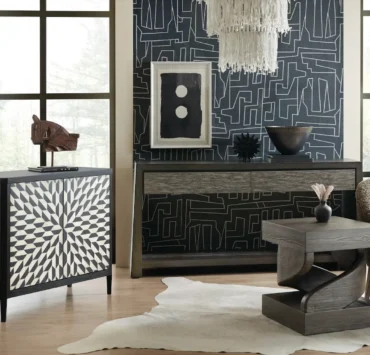
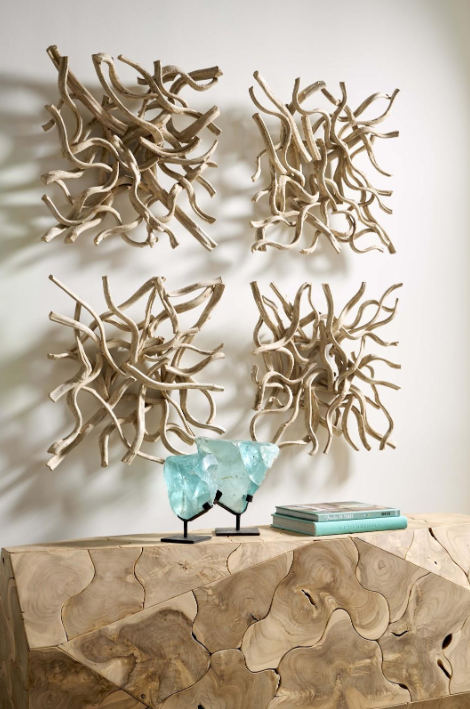
Phillips said aspects of neuroaesthetics, particularly biophilia (the use of natural materials and motifs), come naturally to his company. Phillips Collection has a reputation for incorporating organic materials and shapes — often at large scale — throughout its furniture and accessories.
“I think we stumbled upon the fact that we are quite far along this path by accident but it’s a happy accident,” he said.
Ranzino agreed. “(For us), a lot of these (neuroaesthetics) principles, these design elements, show up organically for us in the way we think about proportion or material or finish or light output,” he said.
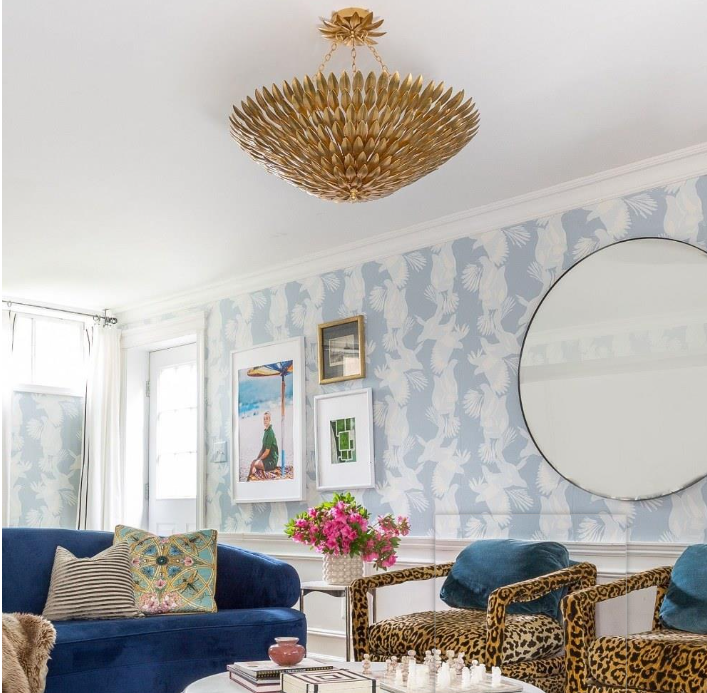
Ranzino noted that one of Crystorama’s bestselling collections, Broche, exemplifies a couple of neuroaesthetics principles: the use of natural forms like leaves and vines, and the creation of dappled light that reminds people of being under a tree canopy.
As important as Phillips thinks neuroaesthetics is becoming to the industry, he said it’s important for everyone in the industry to be well-rooted and well-versed in science and to shy away from making unfounded statements to avoid a version of the greenwashing that plagues the sustainability movement.
“We’re a very excitable species,” he said. “So, right now this topic is new and it’s exciting. We have to be careful not to do what happened with greenwashing.”
Ranzino echoed Phillips. “As the research becomes clearer, it’s pushing us to be a little more intentional, not necessarily to make health claims, but to acknowledge that our design choices influence our daily experiences — and that carries a responsibility for all of us manufacturers,” Ranzino said.
Alves noted that neuroaesthetics has impacts beyond product design and interior design. He told webinar participants that businesses can implement aspects of its principles in websites and marketing materials, too.
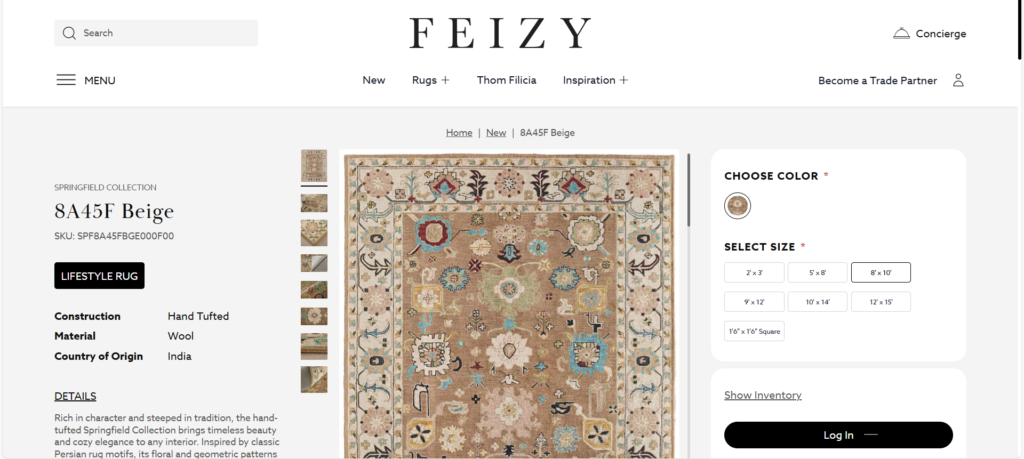
Alves shared a redesign of Feizy’s website product pages that includes more curved elements that are pleasing to the eye, a navigation pattern that mirrors how our eyes naturally scan a page and other details all designed to encourage visitors to linger longer and, ideally, buy more products.
The project, Alves said, increased “form fills and conversions” more than 22%, bumped engagement time up by more than 4 minutes and grew the number of returning users by more than 31%.
“We didn’t change anything in massive ways,” Alves said. “We made subtle changes using a lot of the science behind user experience, neuroaesthetics and psychology.”
Whether updating their website, creating a chandelier or designing a kitchen, Ranzino encouraged webinar participants to “slow down, listen and design with intention.”
“That’s the big one: Design with intention,” he said. “Understand the science behind it. That means better education, staying in the know and collaborations like this — and acknowledging that our work shapes everyday well-being, even in small ways.”