

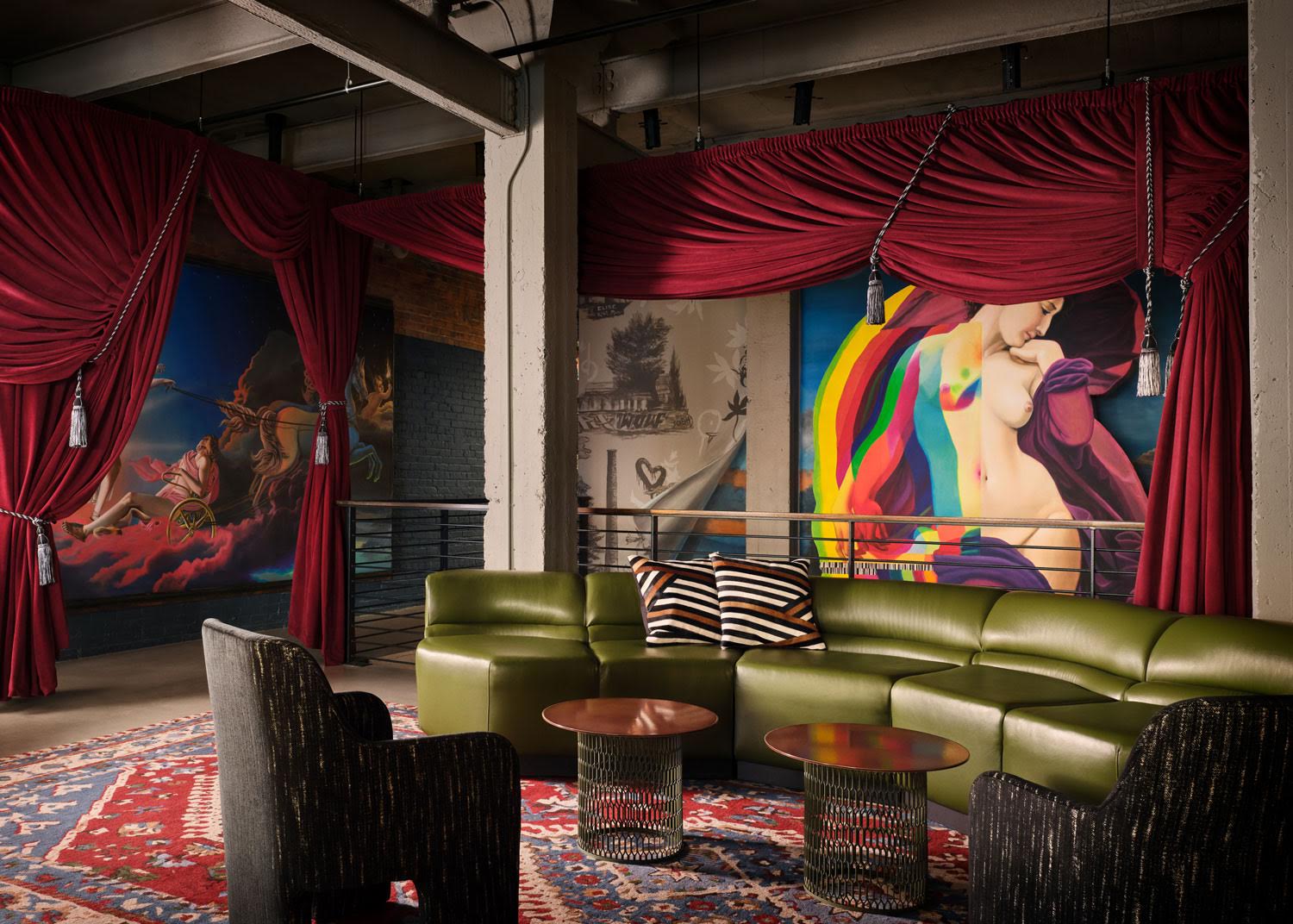
In her final ‘Five Things’ column for DNN, Courtney Porter unpacks five forces shaping design right now: what the fragmenting art fair landscape means for how visual culture gets staged and consumed, why Gen Z can smell AI slop from a mile away, the interior trends reflected in contemporary cinema, “belonging” as the service buzz-word of the year and whether the 21st century already has a defining aesthetic, even if no one has named it yet.
1. What yachts and private clubs can teach hotel designers about “belonging”
At ALIS DESIGN+ 2026, I sat in on a panel that brought together Lauren Rottet of Rottet Studio, Jennifer Johanson of EDG Interior Architecture & Design, Adam Goldstein of Studio Collective and Kay Lang of Kay Lang & Associates. Their subject: what hotel designers can steal from adjacent hospitality worlds: yachts, private clubs, branded residences and restaurant concepts.
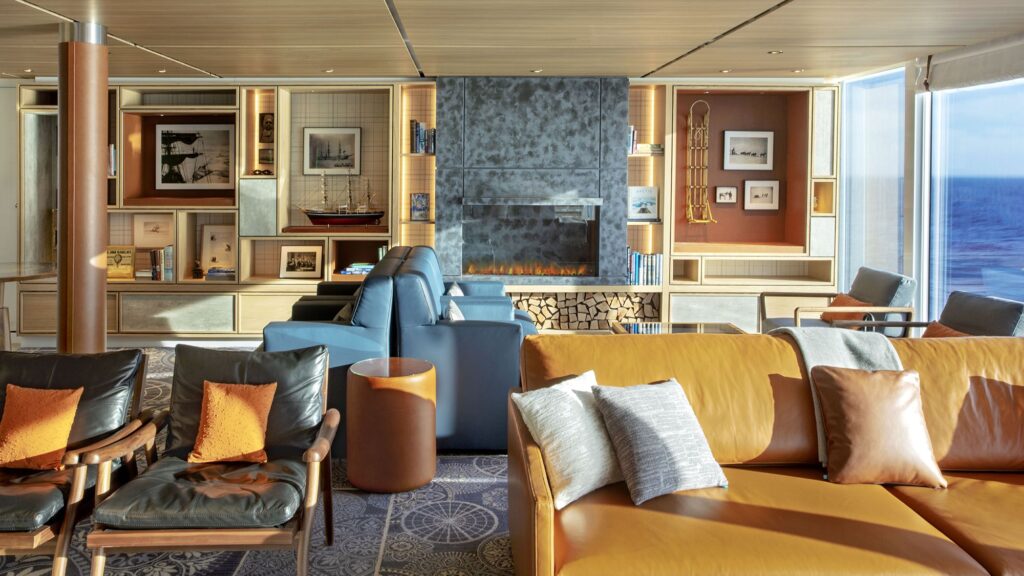
First, yachts. Brands like Aman and Four Seasons are getting into the yachting business. Rottet, who designed interiors for Viking Cruises, made the point that modern, minimal design, like chamfered edges don’t work on ships. Things shift around. Working at sea has thus reintroduced a traditional design vocabulary of softened profiles and more forgiving forms. It’s a useful reminder that some of the most enduring design choices aren’t aesthetic preferences, they’re ergonomic ones that happen to look good.
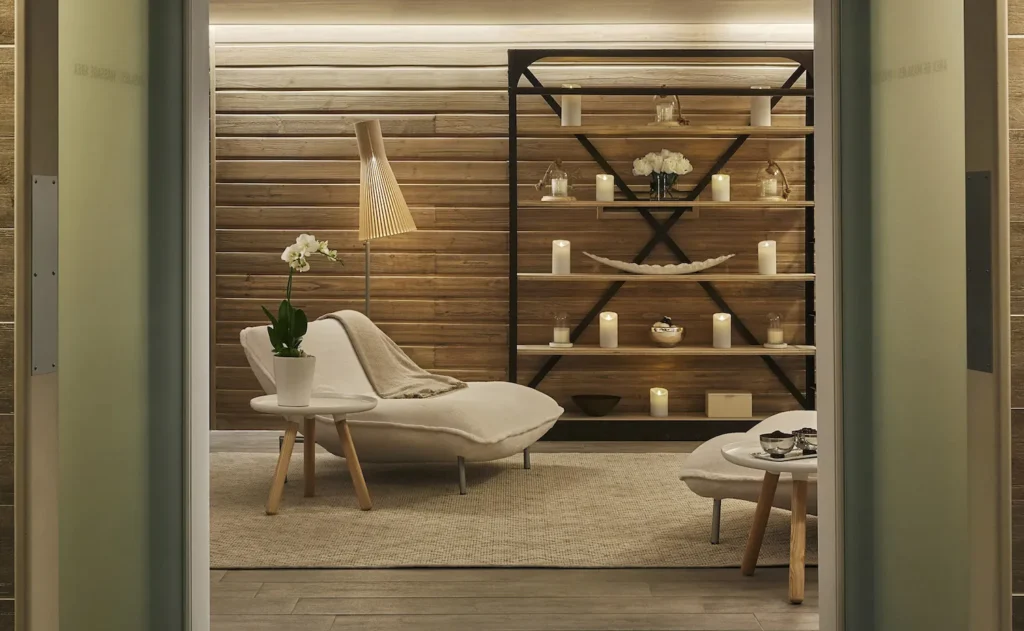
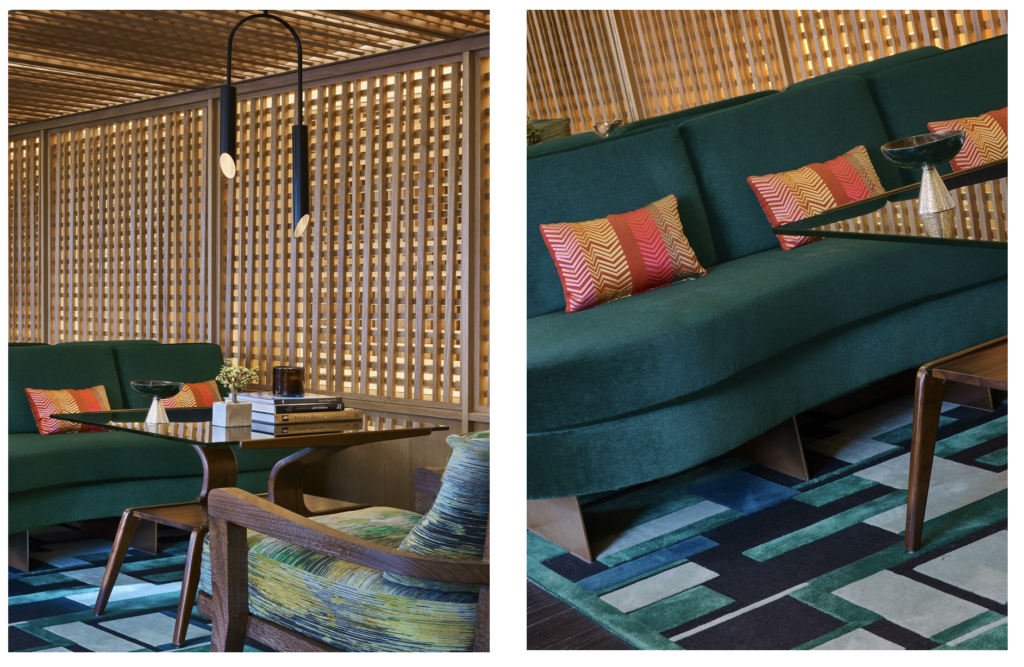
The broader conversation that had everyone in the room nodding in agreement was about private clubs and the idea of “belonging,” which the panelists identified as the word of the year in hospitality. Not loyalty or membership, which were the previous buzzwords of the moment– but Belonging. (Think: design that makes guests feel like insiders rather than customers or even ‘guests’) Rottet drew a clear line between hospitality perks and the type of hospitality that cultivates a sense of belonging: Does the staff remember your name on your next visit? Your preferences? When she designed the Four Seasons Bogota, she borrowed a move from club culture, designing a secret entrance that let hotel guests slip directly into the restaurant. The small architectural gesture created an instant sense of insider status, a nod to belonging.
Further reading: Renovating the Jonathan Club and Turning a police gym into a wedding venue
2. Interiors in contemporary cinema
The Academy Awards are coming up on March 15th, but no film is more talked about or aesthetically influential right now than Emerald Fennell’s Wuthering Heights. It’s dominating the design-in-media discourse, easily overshadowing the films actually nominated for 2025 Oscars. Taken together, this year’s cinema slate reveals a clear set of aesthetic preoccupations that are already showing up on design clients’ moodboards. Let’s take a look at a few of them.
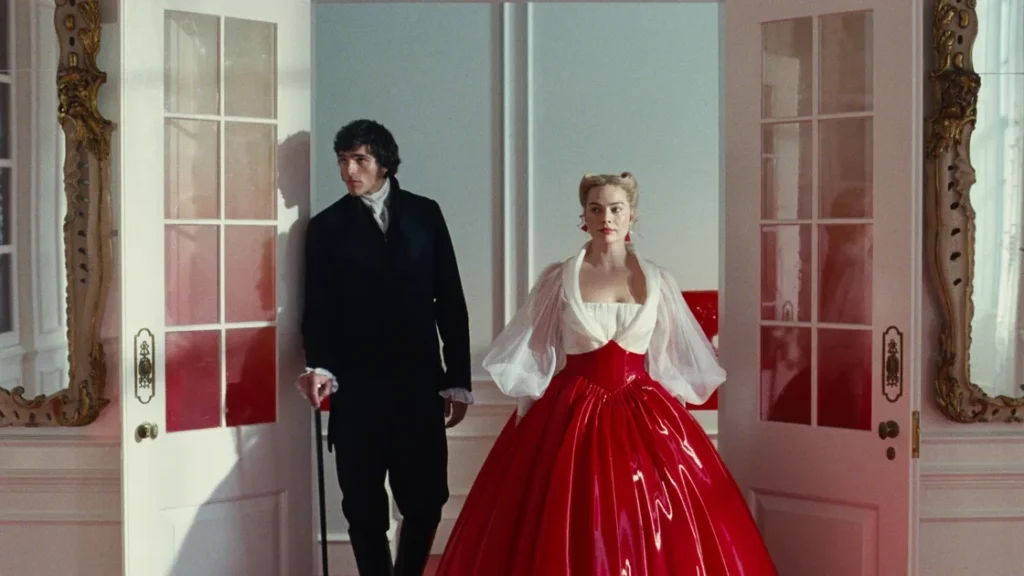
On Wuthering Heights: Fashion outlets like ELLE and InStyle describe the wardrobe as a “high‑fashion fever dream,” where silhouettes nod to Georgian and Victorian dress but fabrics, finishes and styling are brazenly modern. Production designer Suzie Davies describes building Wuthering Heights on a slight rake, with integrated rain rigs, real fireplaces and a crack in the façade that slowly sprouts arachnid‑like growths, so the house itself seems to rot and be reclaimed by nature. Love it or hate it, the through-line is clear: more-is-more is in.
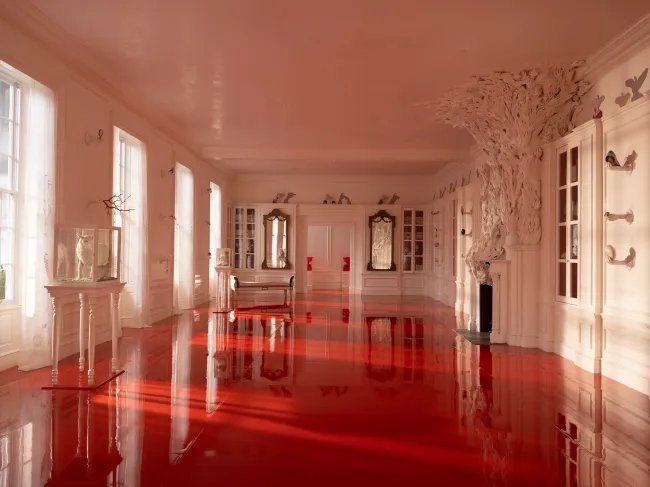
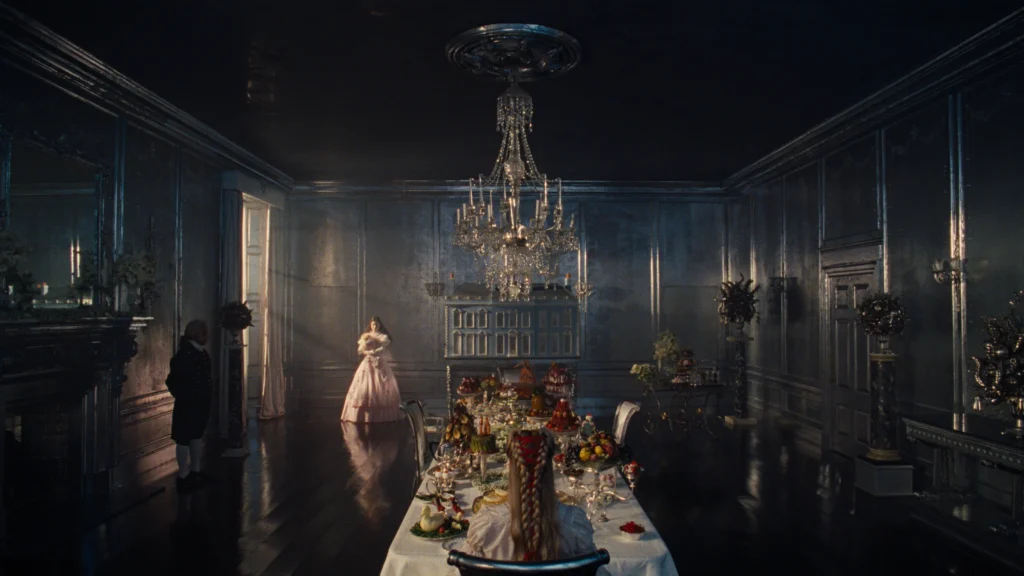
So is era-mixing — though Fennell’s approach is distinct from the kind Sofia Coppola deployed in Marie Antoinette (2006), where anachronism was about high contrast, a royal in 1775 refracted through a suburban teen in 2006.
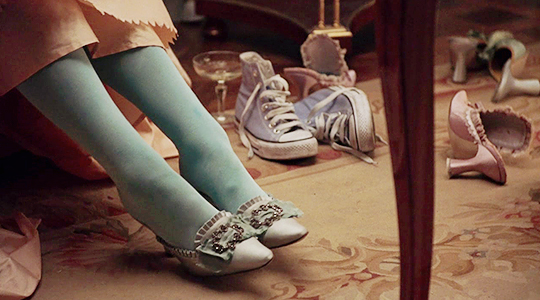
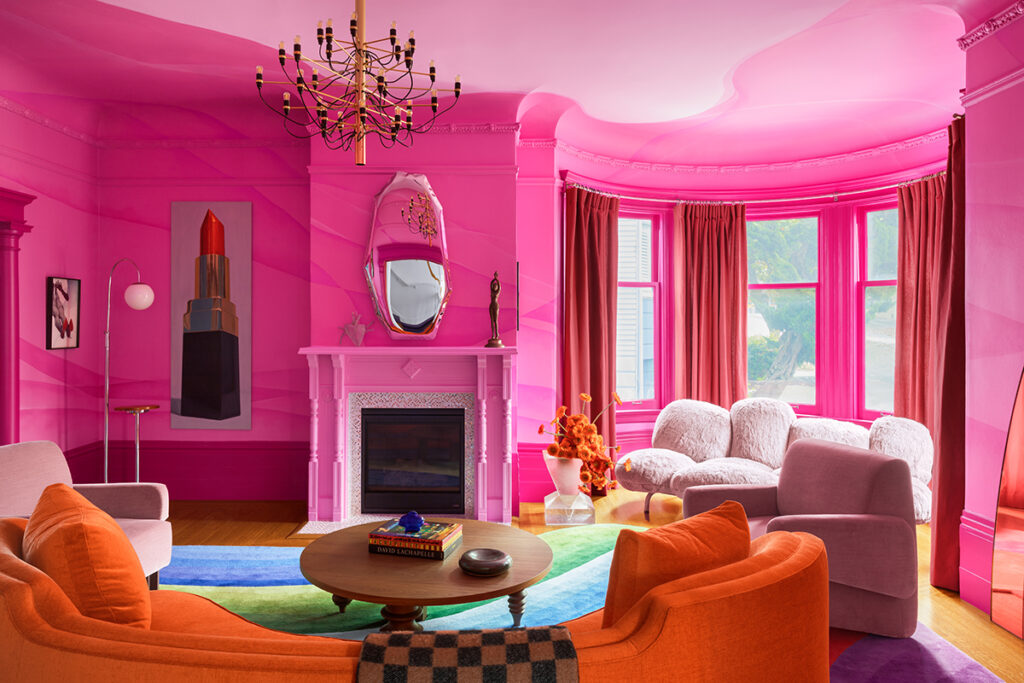
Fennell isn’t interested in contrast. Her Wuthering Heights is a funhouse where everything melts together. It’s not of that time, not of this one either. It’s an extension of the whimsical-psychedelic trend I wrote about here.
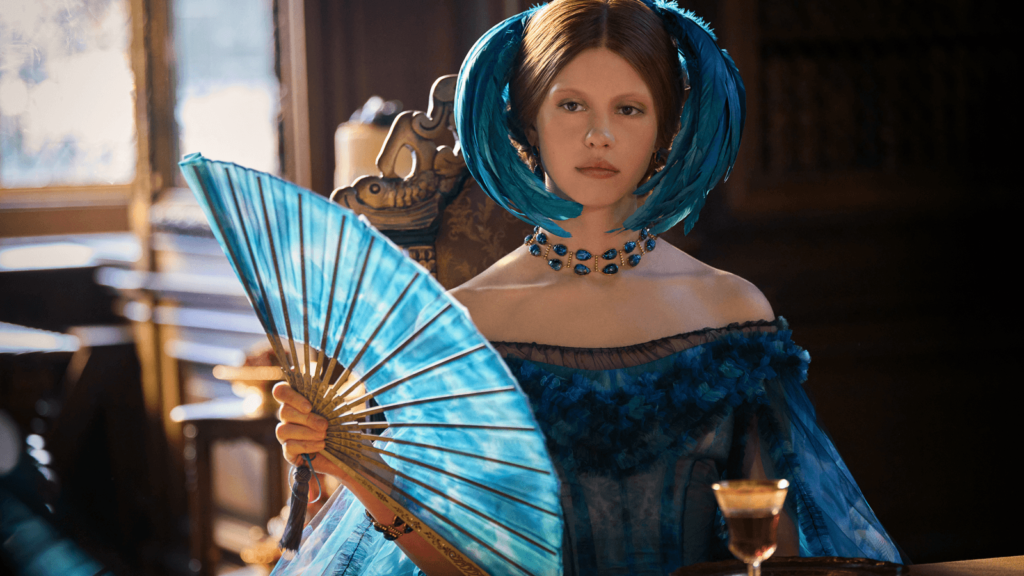
On Guillermo del Toro’s Frankenstein: The film is the year’s purest expression of a gothic revival that fashion and interiors trend forecasters have been circling for months. Del Toro and production designer Tamara Deverell insisted on no green screen, no AI, no simulation — twenty sculptors were working at any given moment, real Scottish manor houses used as location and scientific instruments sourced from the Hunterian Museum at the Royal College of Surgeons in London. The film won the BAFTA for Production Design, and it shows. This is the aesthetic of the handmade as an act of resistance, which is precisely why it resonates alongside the maximalism and eclecticism trending in interiors right now.
Further reading: Mia Goth’s deep teal-green gown in Frankenstein is the shade that Threads users tried to override Pantone’s Cloud Dancer with as the real color of the year.
On Sinners: Production designer Hannah Beachler built an entire 1930s Mississippi Delta from scratch — juke joint, grocery stores, a farmhouse chapel — working not from the usual black-and-white archive but from FSA color photographs that gave her real material history to draw from. The scene of the opening of the juke joint, in particular, perfectly exemplifies what “Pinterest Predicts” is calling Afrohemian Style, celebrating the intersection of African diaspora aesthetics, which have been increasingly popular in the collectible design world for the past several years.
Now, Afrohemian and Afrofuturism are finding their way to the mainstream. When the 313 Building first opened their doors in High Point in 2024, they opened with a dedicated floor exhibiting makers from Africa, recognizing the wider diaspora’s influence on the American market which is picking up steam.
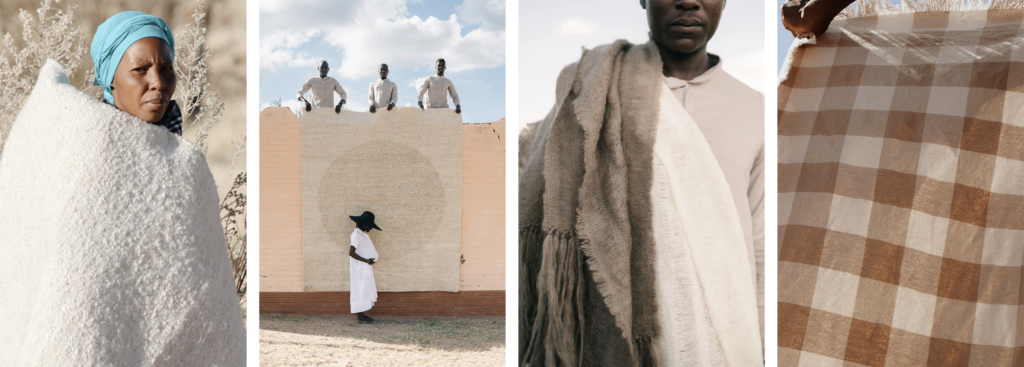
And beyond the production design nominees, this year’s broader cinema slate reinforces the themes of history and the handmade family heirloom. A couple of the films include plot-lines explicitly about home-building or furnishings:
Take The Testament of Ann Lee, which tells the story of the founder of the Shaker movement — a woman whose radical spiritual vision became one of the most influential design philosophies in American history. Production designer Sam Bader didn’t start with Shaker aesthetics; he started with Shaker logic. His research led him to woodworkers, conservators and the actual interiors of Hancock Shaker Village, where the crew filmed in rooms with still-functional historic timber furniture. The film’s central insight, which director Mona Fastvold has said explicitly, is that Shaker design was never an aesthetic choice. It was the consequence of labor, necessity and the belief that the process of building a chair was an act of prayer.
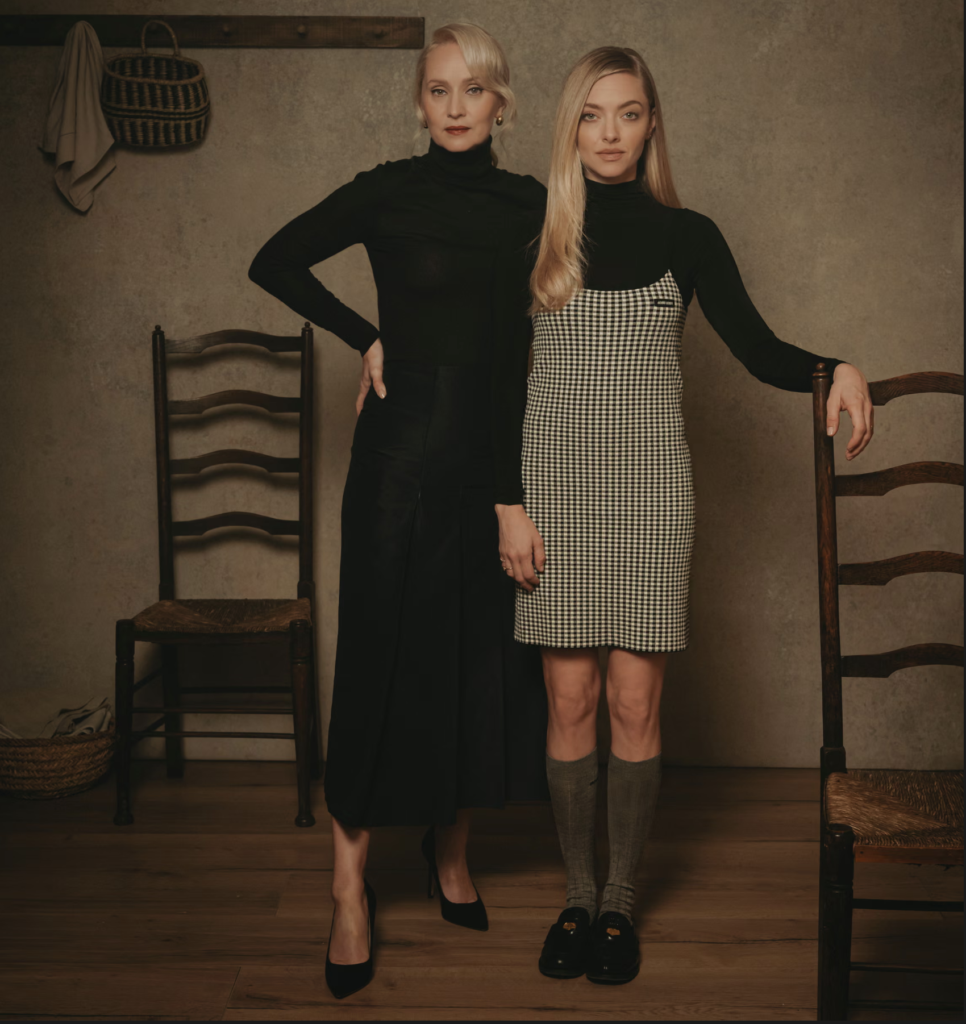
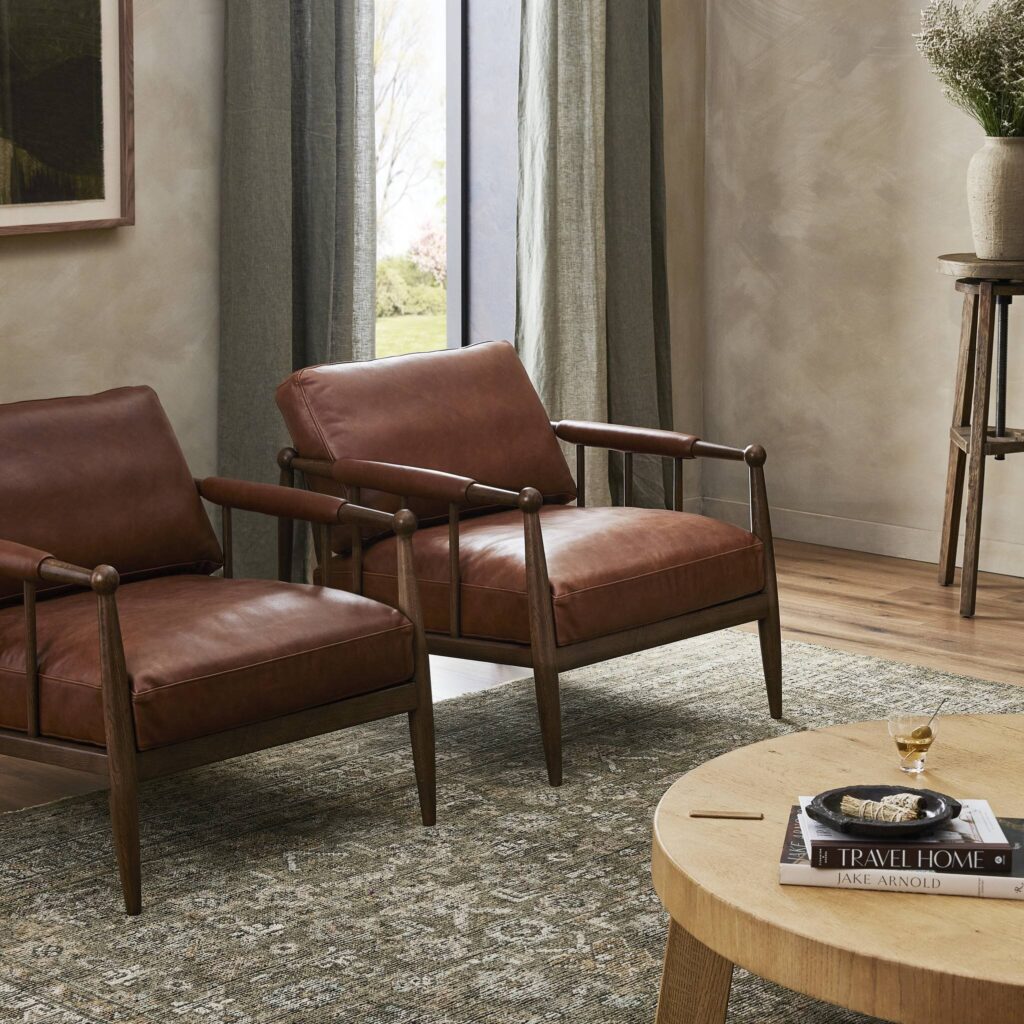
The same values are showing up in clients’ moodboards and the design market’s renewed appetite for the handmade. We can expect to see a lot more Shaker-spindles in upcoming market offerings, across price points. (Four Hands, in particular, has been showcasing a modern twist on Shaker-inspired pieces in their new collaborations with Amber Lewis)
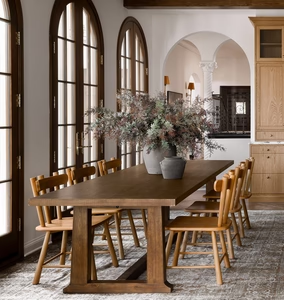
Or take Sentimental Value, Joachim Trier’s family drama. Production designer Jørgen Stangebye Larsen rebuilt a nineteenth-century dragestil villa on a soundstage, complete with real oak floorboards, handmade wallpaper printed from salvaged historical patterns, antique glass in the windows so the light would ripple . Then, he dressed and undressed it across seven decades throughout the film.
The final emotional gut-punch comes late in the film (spoiler, sorry!) when the beloved family home is flipped and sold, stripped down to white walls, beige accents, all personality scrubbed out in favor of market appeal. It’s the perfect metaphor for what the filmmaker-protagonist is up against: his slow, personal art film trying to survive in an industry that wants returns. The house that was designed with love becomes just another asset.
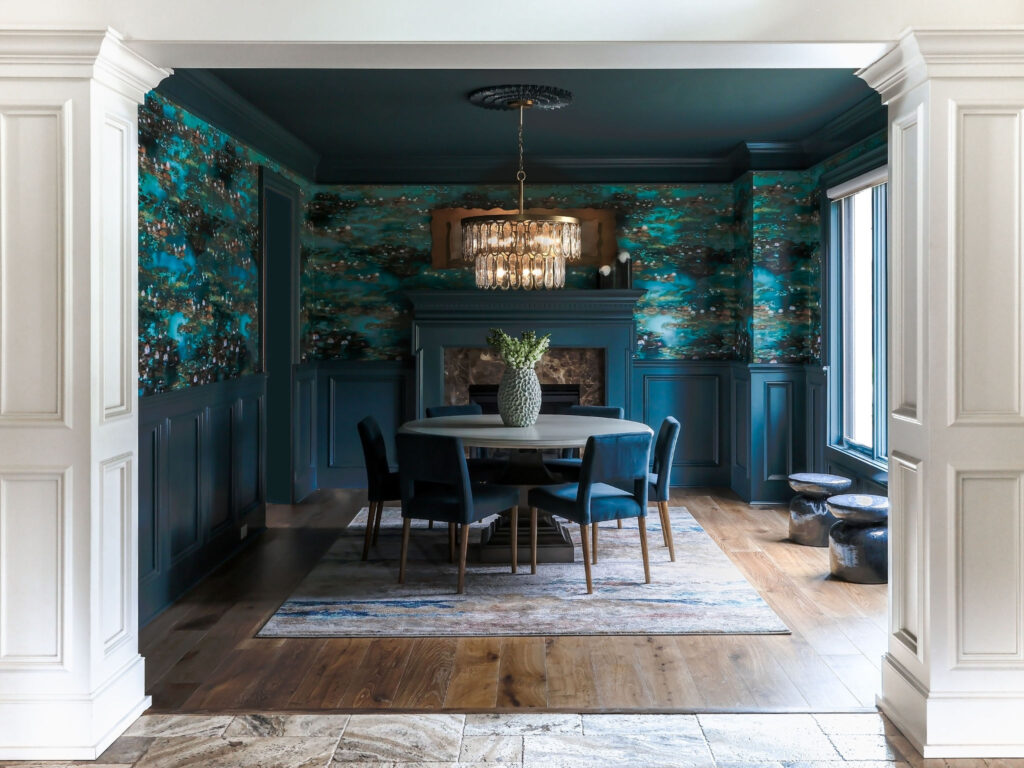
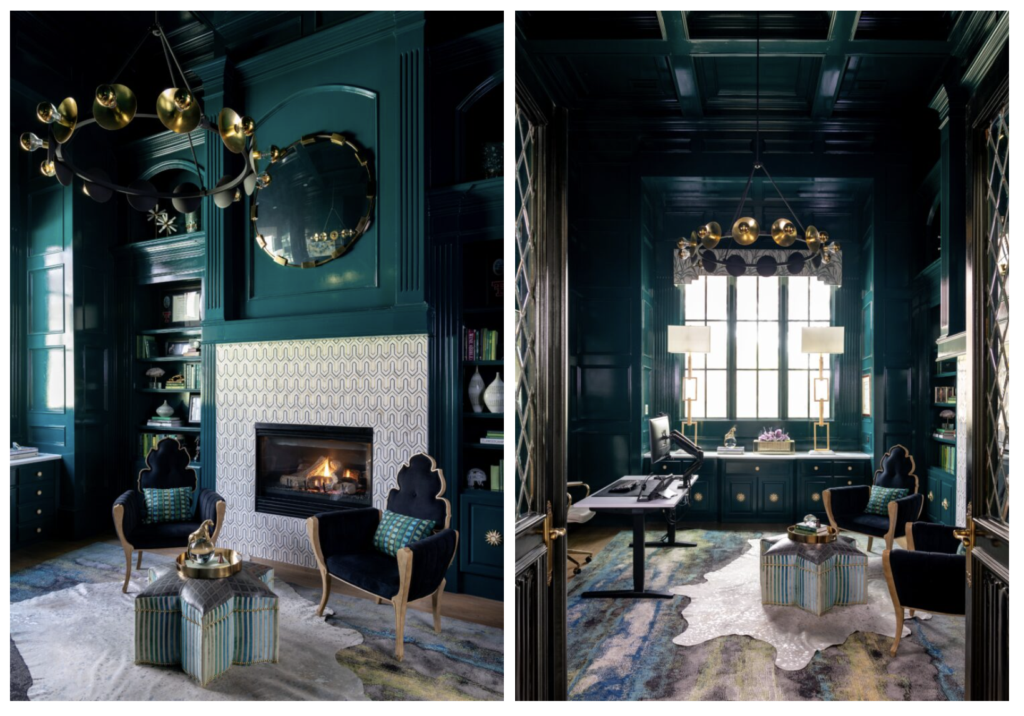
And if the ASID 2026 Trends Outlook is any indication, homeowners are feeling that loss more acutely than ever. Maximalism is making a comeback after years of apple-store-minimalism and designing-to-flip. Expect to see more saturated color, visible personality, and global aesthetic influences pushing back against the sterile minimalism. 1stDibs’ designer survey confirms the same shift: maximalism (39%) and eclecticism (38%) are now the most-requested aesthetics, as well as color drenching, which was cited by 35% of designers.
3. The New Aesthetic of the 21st Century
Stripe founder Patrick Collison and economist Tyler Cowen recently published “A Call for New Aesthetics,” awarding grants of up to $250,000 for artists and designers who define a new aesthetic for the 21st century. In their call, they admire the enduring success of the Bauhaus movement in defining an aesthetic for the 20th century and wonder where its 21st-century equivalent is.
This raises a couple of questions: Perhaps something has already emerged and it just hasn’t been named? Or even, should we already have defined a new aesthetic?
We are only a quarter into a century. Art Deco wasn’t named until the 1960s. Most design movements are not formed the way Bauhaus was, credited to a single architect. Most are patterns that emerge from a collective creative consciousness and they only become visible and named retroactively once enough work has already been produced.
I reached out to top designers, architects and industry leaders to ask what, in their view, defines the design aesthetic of the 21st century so far. Their answers reveal something closer to consensus than you might expect.
Anne Mooney of Sparano + Mooney Architecture offers a useful reframe before we get to aesthetics at all: “What feels distinctly 21st century is less a visual language and more a response to things like environmental performance, resilience, social justice and equity and contextual and cultural specificity.” It’s a reminder that the forces shaping design this century are different in kind from those that shaped the last one.
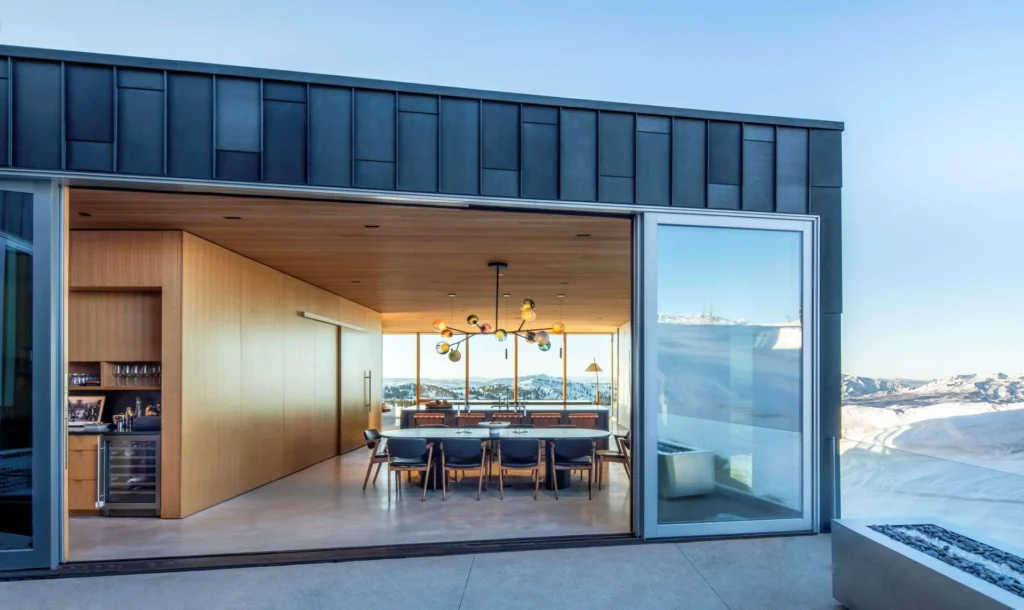
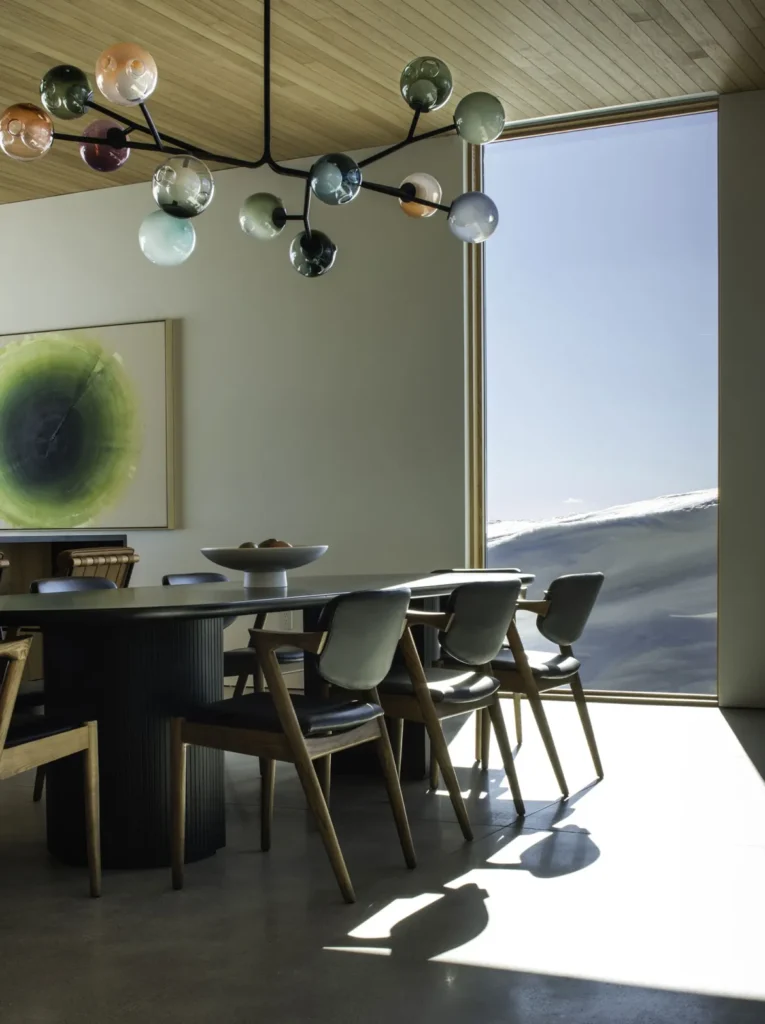
Against that backdrop, a visual language is nonetheless emerging. James Corr of Corr Contemporary and Sally Cooper of Thomas Cooper Studio both describe a design language that has moved past the sterile glass box toward something warmer and more layered — Corr pointing to organic forms, high-performance systems softened by natural finish palettes and a focus on wellness; Cooper calls it a mash-up that draws on the ceramics and color sensibilities of the 1960s and ’70s, the organic comfort of the 1930s, and the refined silhouettes of the 1940s. (There’s that era-mixing again)
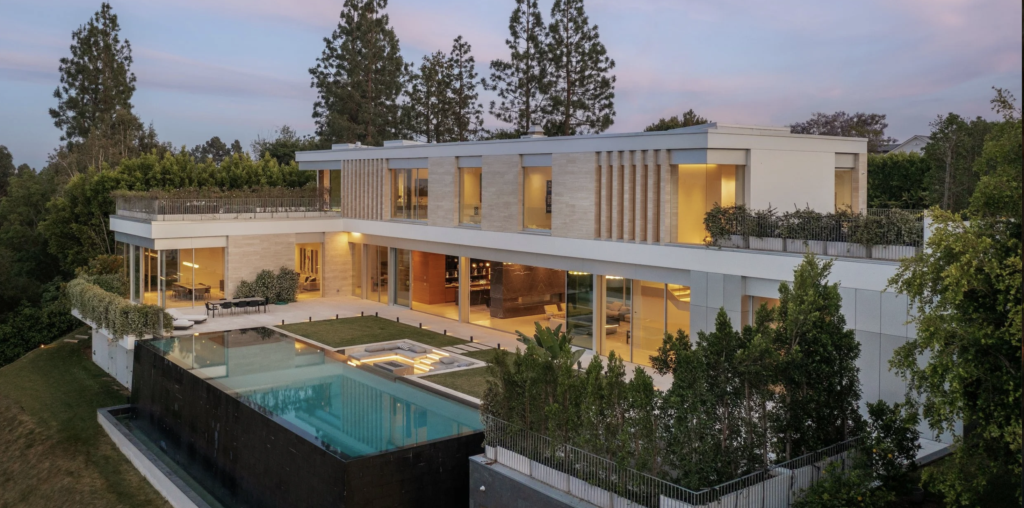
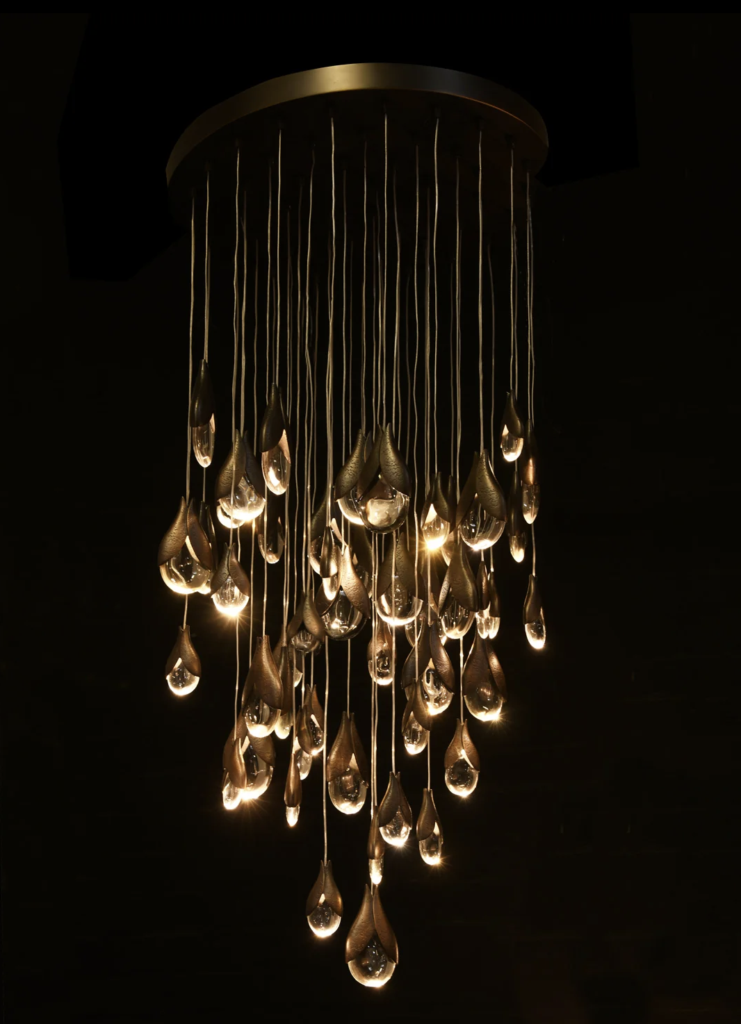
Michael Suomi of Suomi Design Works sees this eclectic openness coalescing into what he calls “Modern Maximalism, driven by its open, rule-free approach to mixing eras, cultures and aesthetics.” The Radical, his boutique hotel in Asheville, North Carolina, layers early-20th-century industrial architecture with Art Nouveau and 1980s American and Soviet influences and is a case study in how this approach can produce interiors that feel expressive without defaulting to irony or nostalgia.
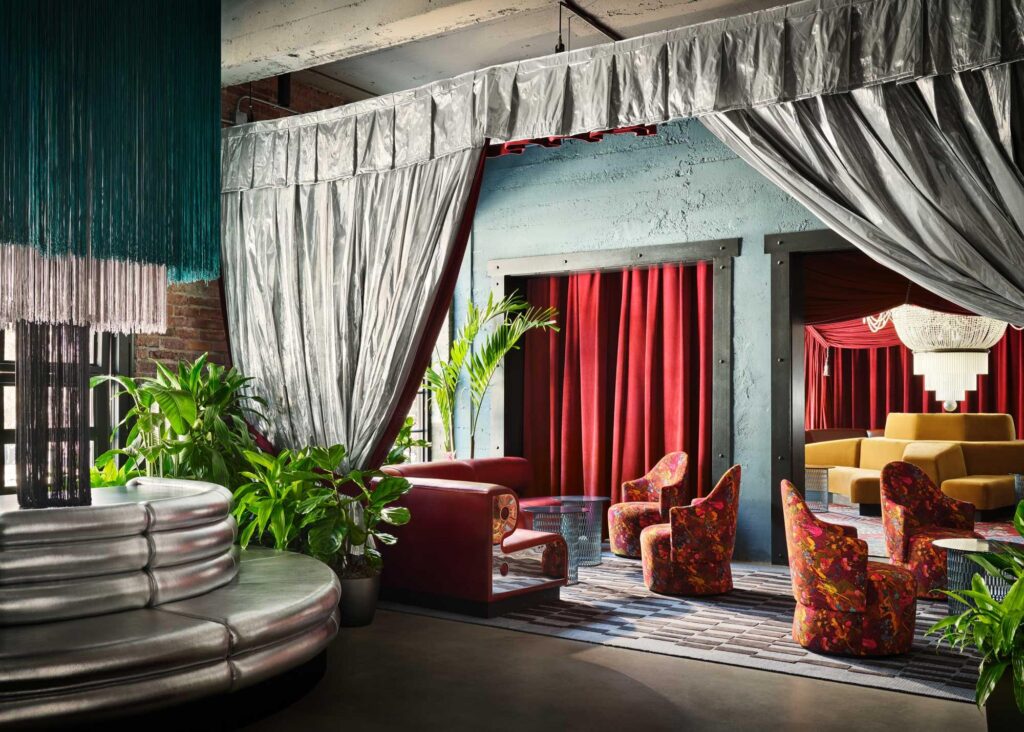
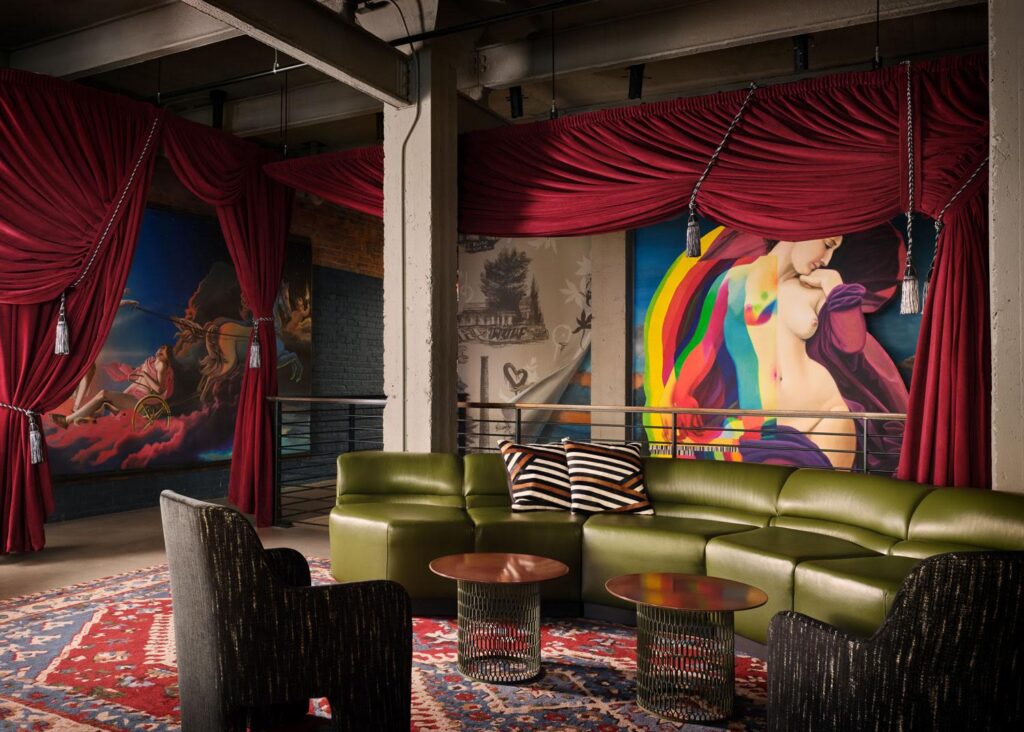
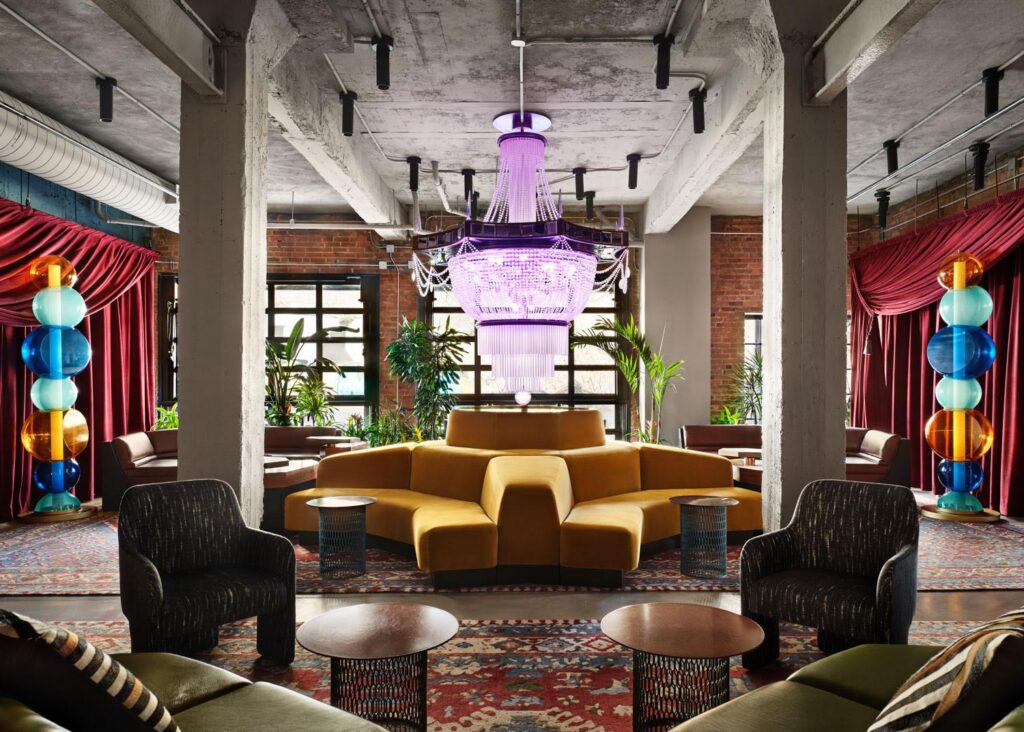
Alex Woogmaster, founder and creative director of Woogmaster Studio, also frames this eclectic richness as a feature: “The design world is evolving towards a sense of international connoisseurship: a passion for historic design interpreted through modern materials and usage. We have not arrived at a singular defining style for this century, and I’m heartened to see — perhaps owing to the wealth of inspiration now at our fingertips, and a recent emphasis on travel — a stronger sense of individual expression in projects and the clients who define them. Maybe it’s the rich variety that will ultimately define us.”
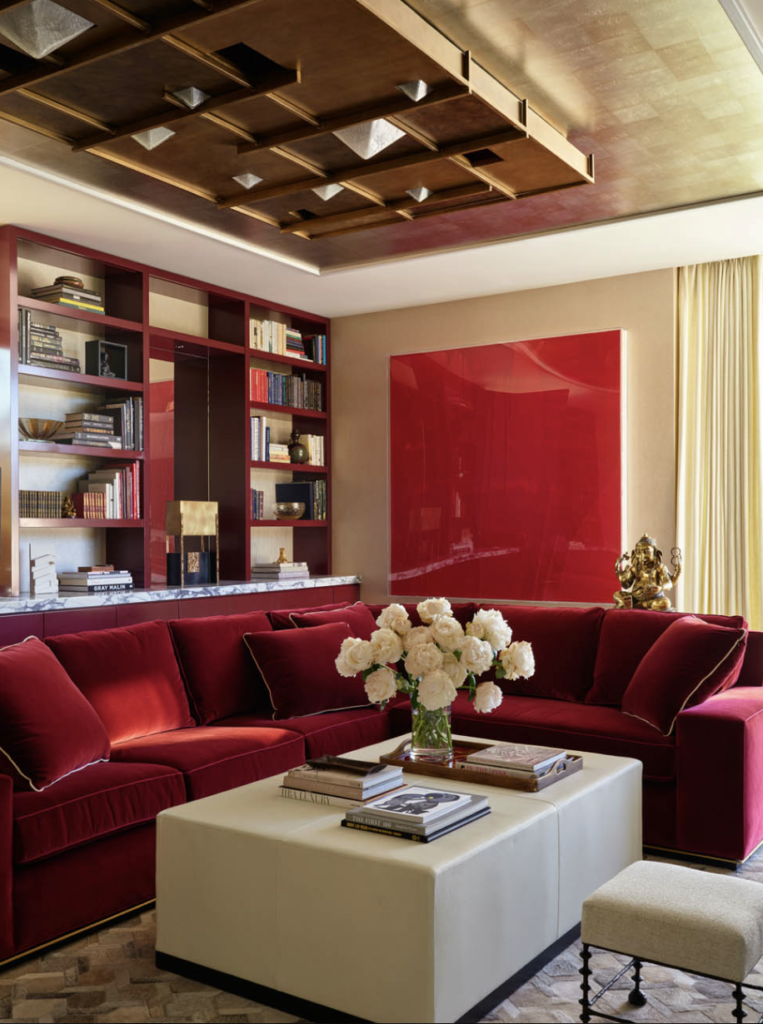
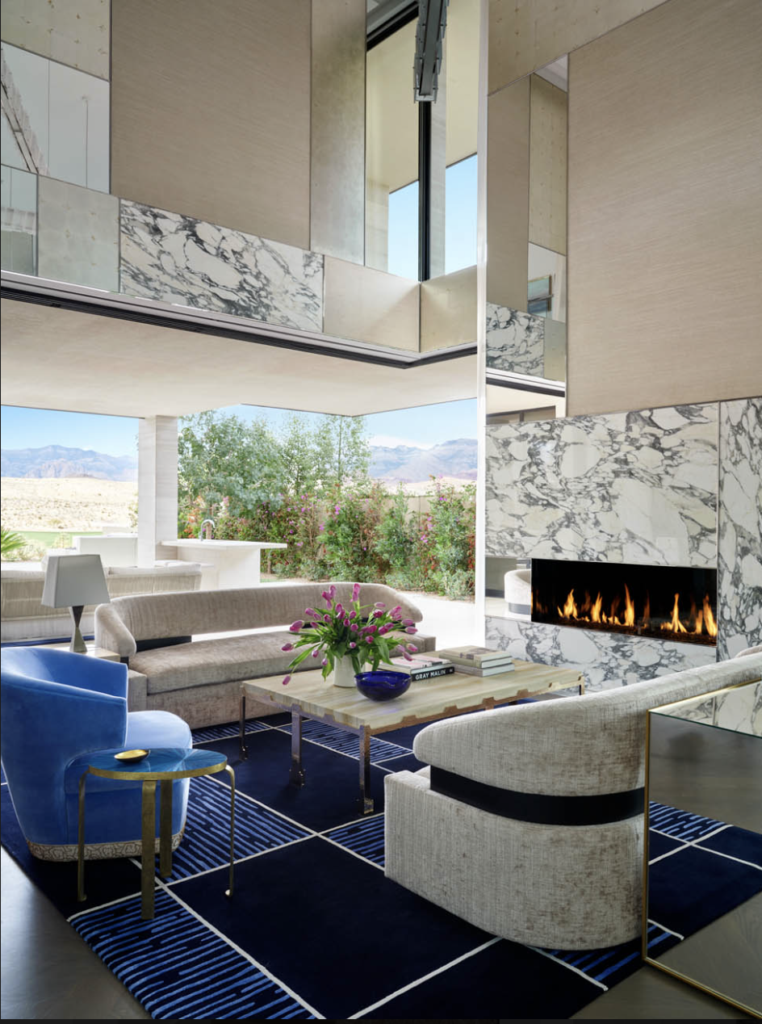
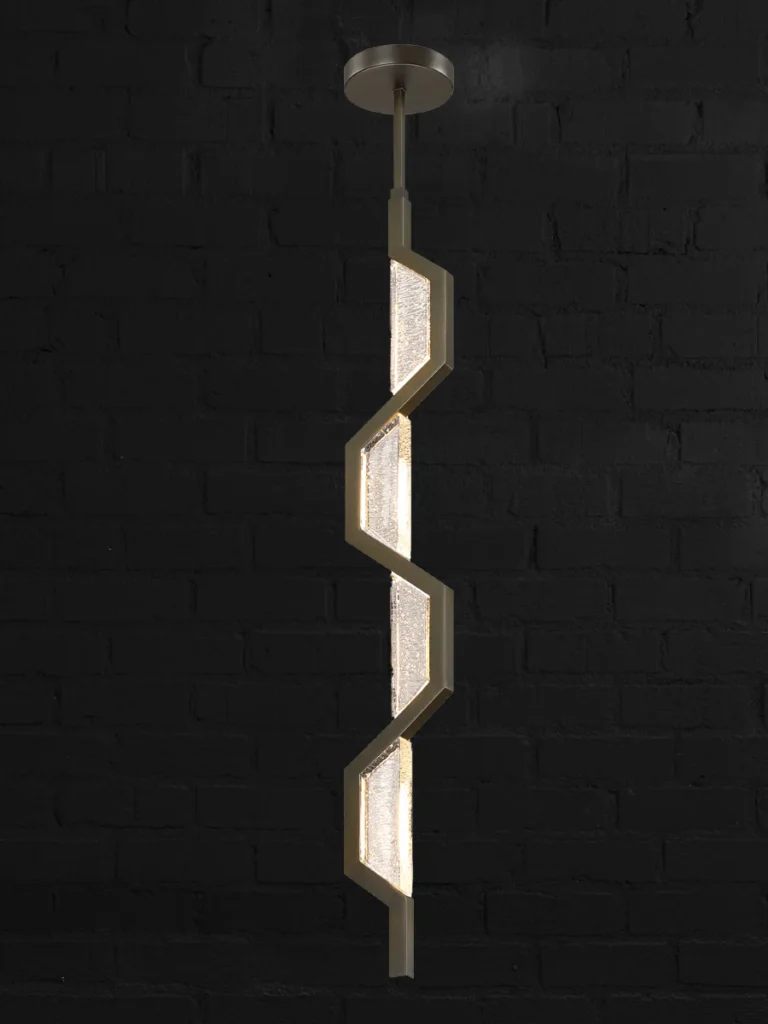
Bret Englander, founder of architectural lighting brand Cerno, adds a technological dimension that runs through all of it: “The 21st century is shaping up to be the age of the smart home, yet there’s a strong nostalgia for the analog world most of us grew up with.” That tension — embracing new technology while reaching back for warmth — is visible nowhere more clearly than in lighting design, where freedom from the traditional lightbulb form has produced an explosion of shapes that were simply impossible before LEDs, yet the appetite is for fixtures that feel considered and handmade rather than clinical.
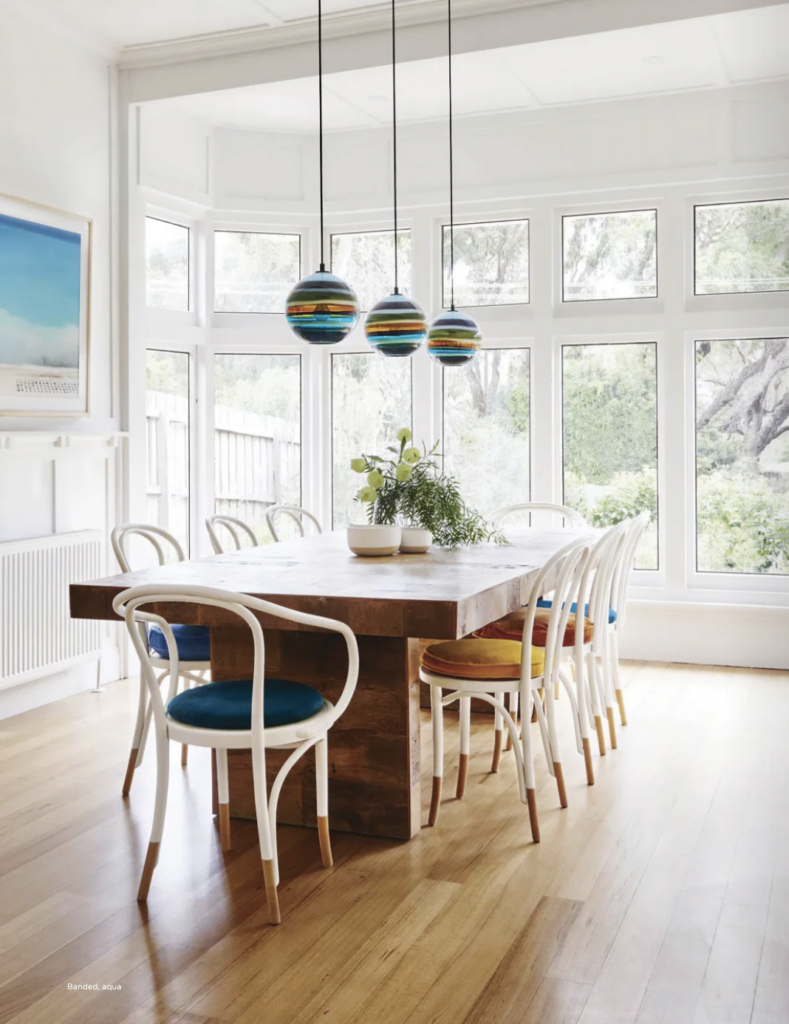
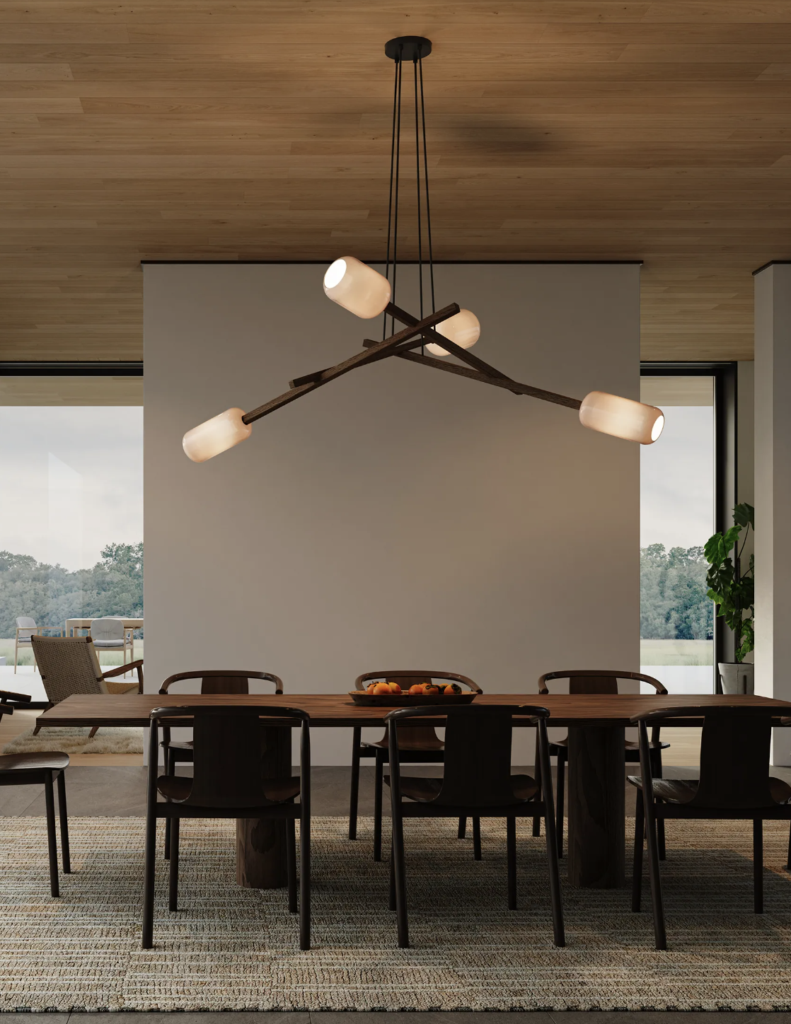
Cheryl Durst, EVP and CEO of IIDA, offers what is perhaps the most concise framing: “The trajectory of design in the 21st century has led us back to modern comfort, soft surroundings and a nod to vintage and craft.” But what’s brand new, she says, is that, “[It’s] Clean, but not clinical.”
While there is not a single, named movement — yet — these six design leaders, working across different scales and typologies, independently arrived at the same place: comfort over formalism, layering over reduction, the handmade and the historical over the sleek and the new. For more musings on the aesthetics of the 21st century, read here.
4. Gen Z hates your brand’s AI Slop
The past several months, I have been busy working with a textile house on the release of their new collections. As part of their go-to-market strategy, like every manufacturer right now, we’ve been delving into the research on using AI photography and other AI tools, especially as it pertains to reaching both luxury and younger consumers. Here are some of those findings.
Wayfair recently launched Muse, a generative AI tool that creates Pinterest-style room images linked to shoppable products from its catalog. You type in “ethereal blue bathroom” and it hands you a fake room full of real SKUs. It’s clever engineering. It is also, to Gen Z, exactly the kind of content they’re scrolling past. Ditto for luxury consumers.
The word for this is “slop” — Merriam-Webster’s 2025 Word of the Year, defined as AI-generated content that prioritizes volume and approximation over truth and substance. And the generation most attuned to it (and least impressed by it) is Gen Z, followed by consumers in the ultra-luxury market for whom texture, patina and accurate representation take top priority.
A study from Collage Group found that over half of Gen Z consumers say they’re less likely to buy from brands that use AI-generated content, despite being the generation that uses the most of it.
That ambivalence runs deeper than purchasing behavior. A Gallup survey of 2,500 Gen Z adults, published in Harvard Business Review in January 2026, found that 74% used an AI chatbot in the past month — yet 79% worry that AI makes people lazier, and 62% worry it makes them less smart. This doesn’t stem from technophobia. What they hate is the corporate, low-effort version of it. They can smell the slop.
Here’s where the rubber meets the digitally-rendered road: As Pinterest and Instagram — the platforms designers and manufacturers have built entire marketing strategies around — are increasingly saturated with AI-generated content, algorithmically gamed feeds, and declining organic reach, they reach an endgame which Kyle Chayka at The New Yorker has described as “Posting Zero“: the point at which normal people simply stop posting, leaving behind only corporate marketing and AI-generated filler.
The question for brands isn’t whether their AI photography is good enough — it is for many people, and it’s getting better fast. The question of cost-savings is even a complicated one – In order to use the best studios to render your AI photography, you’re likely to be shelling out the equivalent or more than your average product photoshoot to start out. While it will save brands money over time, the brands who already have plenty of working capital to play with will be best positioned to get ahead. For smaller companies, a quality AI campaign for a collection is still cost-prohibitive.
Out of fear of falling behind, the question brands are overlooking is how you reach the audience that is losing trust in digital platforms and developing a finely tuned radar for what’s synthetic. Even if they’re not your demographic today, by the time they are, Gen Z will have lost faith in you if you’re heavily reliant on the tech. The answer, for now, looks a lot like adopting the marketing practices of Web 1.0. Think back to 2000-2006 where resources were dedicated to designing personal websites, and growing mailing lists, and writing long-form blogs. These are all direct relationships with an audience you own and they do not involve feeding content algorithmically.
Of course, owned channels are not a frictionless alternative either. They require sustained investment and audience-building discipline that many brands have already lost the institutional muscle for, as newsletter open rates have declined overall and organic search is being disrupted by AI-generated results. I wish there was an easier fix, but we are entering a time where digital marketing is about to be the wild west again.
5. The art fair cracks open into a million tiny pieces
This week, Los Angeles isn’t hosting an art fair — it’s hosting five. Frieze sets up at the Santa Monica Airport in its familiar white-tent grandeur. Felix takes over the hotel rooms and poolside cabanas of the Hollywood Roosevelt. Post-Fair occupies a 1938 Art Deco post office. Startup Art Fair and The Other Art Fair anchor the east side. As Art Week has exploded into a county-wide cultural event, it has drawn in a wider range of people — from serious collectors to first-time buyers to the simply aesthetically curious — encountering art at every price point, from every corner of the world.
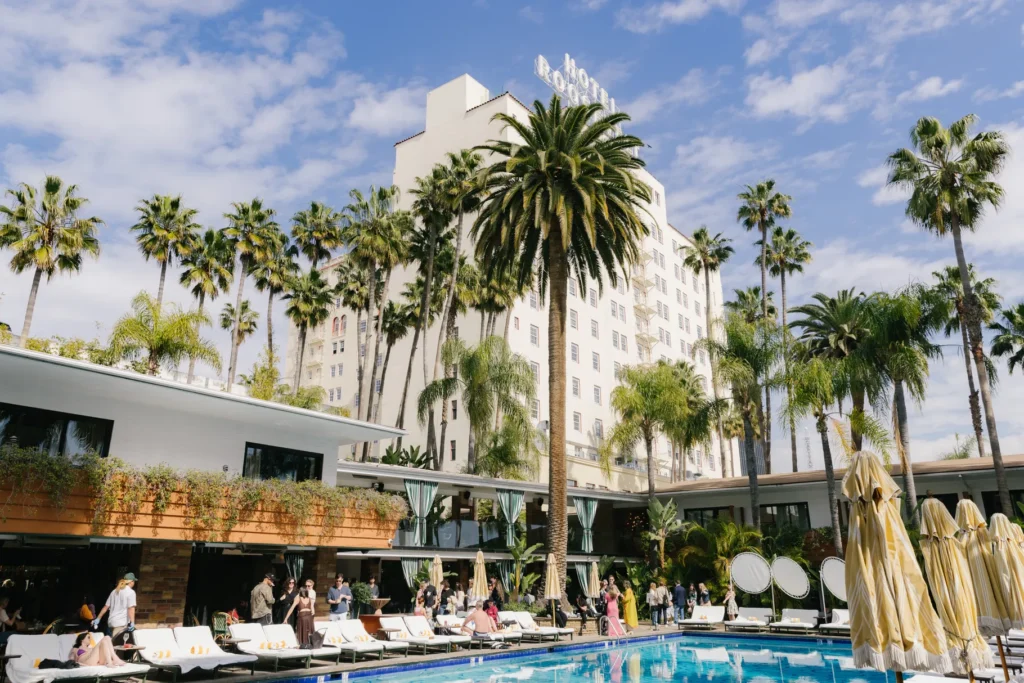
Last year’s Frieze LA opened weeks after wildfires destroyed homes, studios and archives across the city. Artists who lost everything urged people to come anyway, as the fairs pump money directly into the ecosystem that employs them. A year later, the landscape has shifted yet again. Five major galleries that exhibited at the 2025 Frieze — including Blum, L.A. Louver and Venus Over Manhattan — have since closed. Frieze itself was sold last May to Ari Emanuel’s new events company for roughly $200 million. Some international exhibitors are staying home, citing visa complications and political uncertainty for the shake up. The boom-and-bust cycle that Chris Sharp, the gallerist who founded Post-Fair, calls intrinsic to the lore of California is cycling faster.
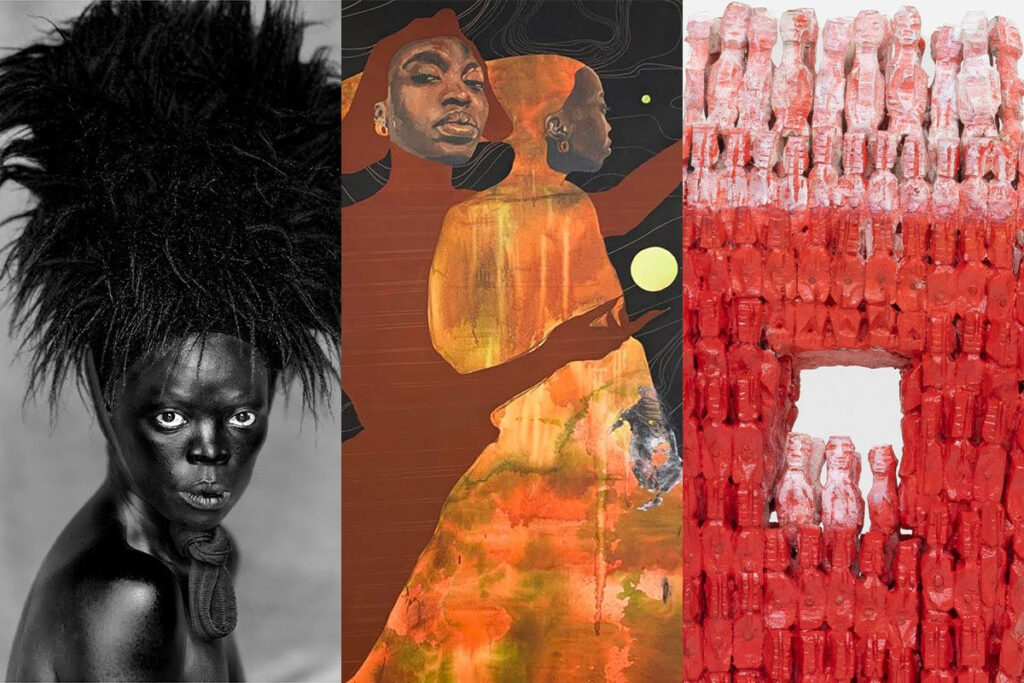
Sharp rented his entire Post venue last year for roughly the cost of two booths at Frieze and charged galleries a flat $6,500 — against Frieze’s range of $8,200 to $76,000. The result was a well-reviewed, intimate show, featuring solo art presentations in an open-plan room.
Curators from LACMA and the National Gallery wandered through alongside first-time buyers and window shoppers.
Gallerist Laurel Gitlen told The Art Newspaper that Post-Fair was better for everything except, perhaps, volume.
Felix co-founder Mills Morán put it plainly: things had become so big and so rigid [at Frieze] that the art itself often felt secondary. Historically, the art world has organized itself around scarcity. Art Week Los Angeles is a testing ground for what happens when it doesn’t.
TLDR: Here’s the upshot
- The art fair world is splintering: When the same booth draws LACMA curators and first-time buyers into the same room, the gatekeeping infrastructure starts to look less like a feature and more like a bug.
- Hospitality’s best ideas aren’t coming from hotels: Yachts and private clubs are leading the way, and “belonging” is the new buzzword (Think: design that makes guests feel like insiders rather than customers or even ‘guests’).
- Cinema is setting the aesthetic agenda: From Frankenstein’s gothic revival to Sinners’ Afrohemian juke joint, this year’s films are translating directly into interiors — maximalism, saturated color and a hunger for the handmade.
- The 21st century has a design aesthetic, it just hasn’t been named yet: Designers across disciplines are converging on something warm, layered, and eclectic: modern comfort over formal rigidity, clean but not clinical and technology that serves rather than dominates.
- Gen Z hates your AI content: Over half of Gen Z consumers trust brands less for using AI-generated imagery — not because they’re anti-tech, but because they can smell low-effort corporate slop. The path forward looks more like 2005: newsletters, direct relationships, audiences you actually own.
Courtney Porter consults with design and furniture brands globally on product development and creative brand strategy. You can keep up with her on Substack.
Design News Now continues in the hands of CEO Rick Harrison, Group Publisher Susan Jones, and incoming Editor-in-Chief Rachel Fasciani — an industry leader whose experience spans every market tier, from entry and mid-market to luxury and couture. An accomplished writer and speaker, she contributes to Cover Magazine and publishes The Chic Peek on Substack, where she explores design, culture, and commerce with insight and wit.