
At the end of each month, DNN Editor in Chief Courtney Porter curates a list of five standout things — design projects, product launches, noteworthy events, trends and more that deserve your attention. Together they offer a snapshot of where the design industry stands, capturing emerging trends, influential movements and key developments. Think of it as your monthly briefing on what’s shaping the creative landscape. This month, she’s doing things differently: These are the themes that consumed the design conversation for the last quarter of 2025 and will carry into and define the design moment in 2026.
1. Increased spend on indoor–outdoor everything
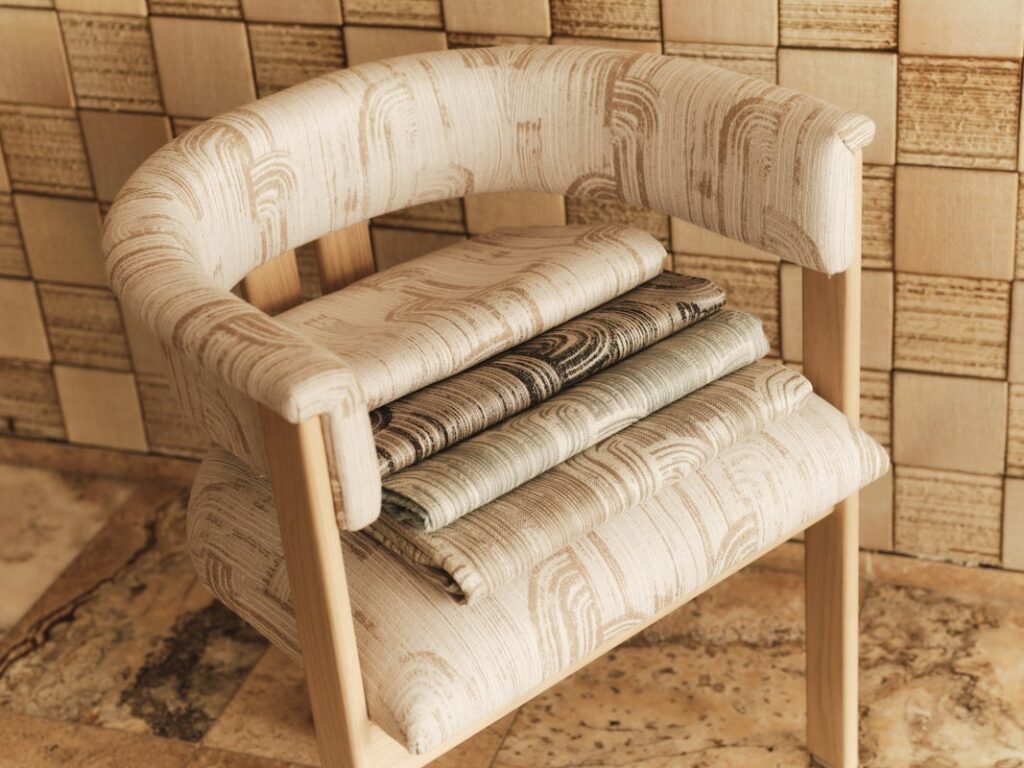
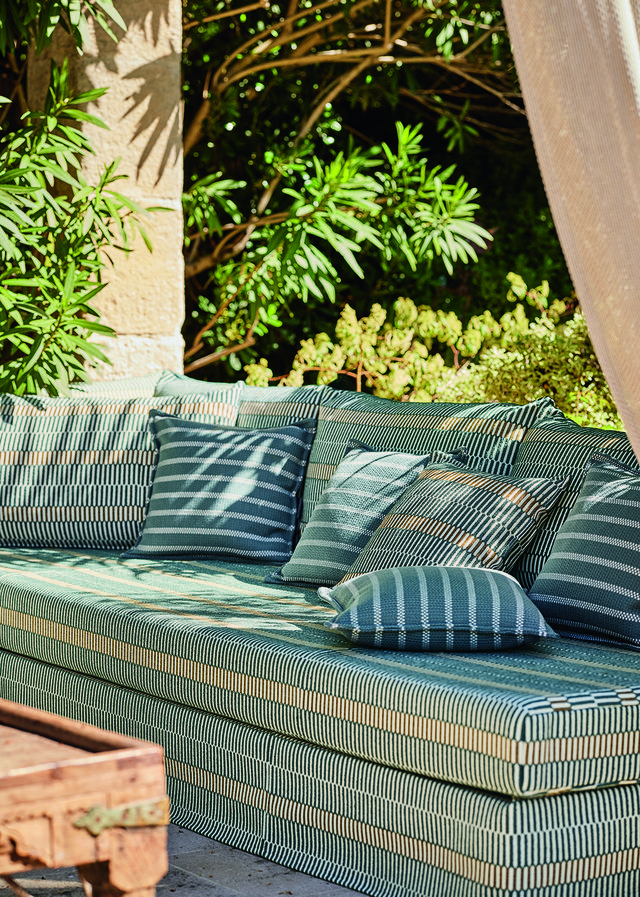
Indoor-outdoor design is getting more luxurious. High-performance chenilles and weather-ready blends have crossed over from terraces into living rooms and suites, reflecting an appetite for spaces that can endure real life — children, pets, spills, shifting weather — without sacrificing the refined style clients expect from design-forward furnishings. Pictured below is a selection of indoor-outdoor fabrics from premier vendors, some of whom are tackling the outdoor category for the very first time. Others are extensions of their existing collections, further elevating indoor-outdoor design.
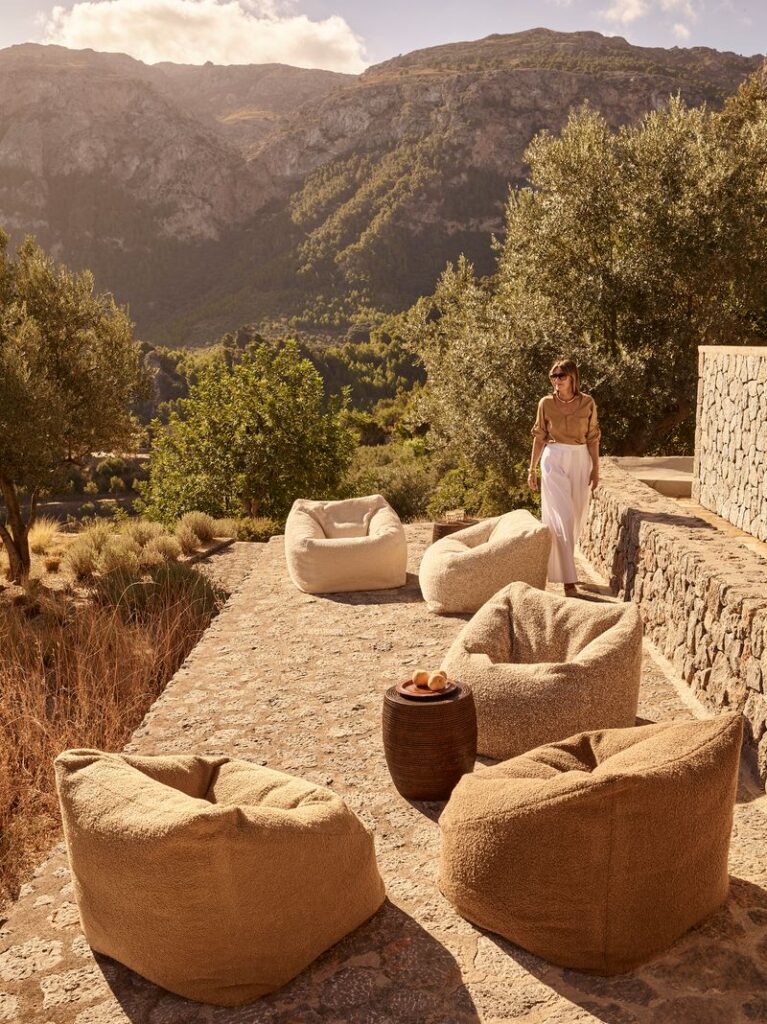
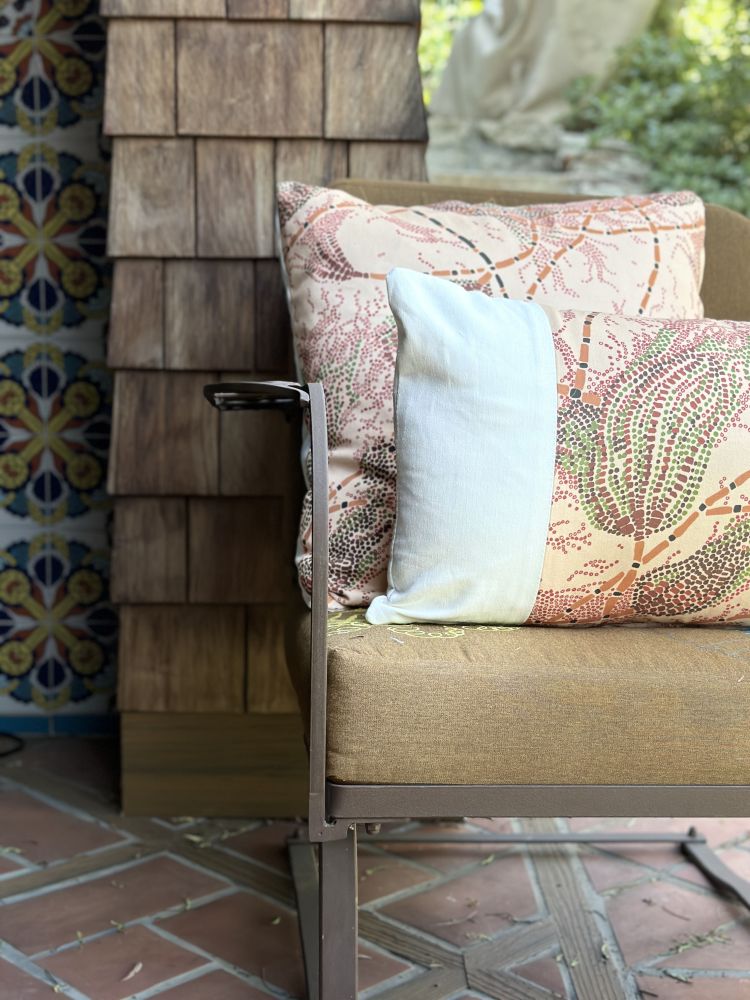
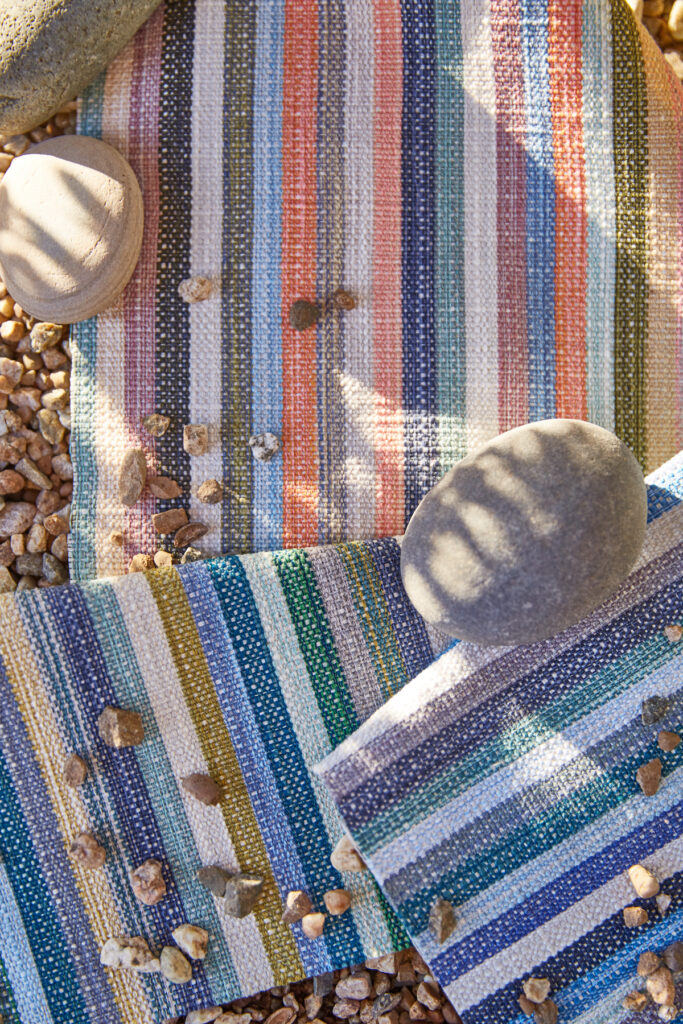
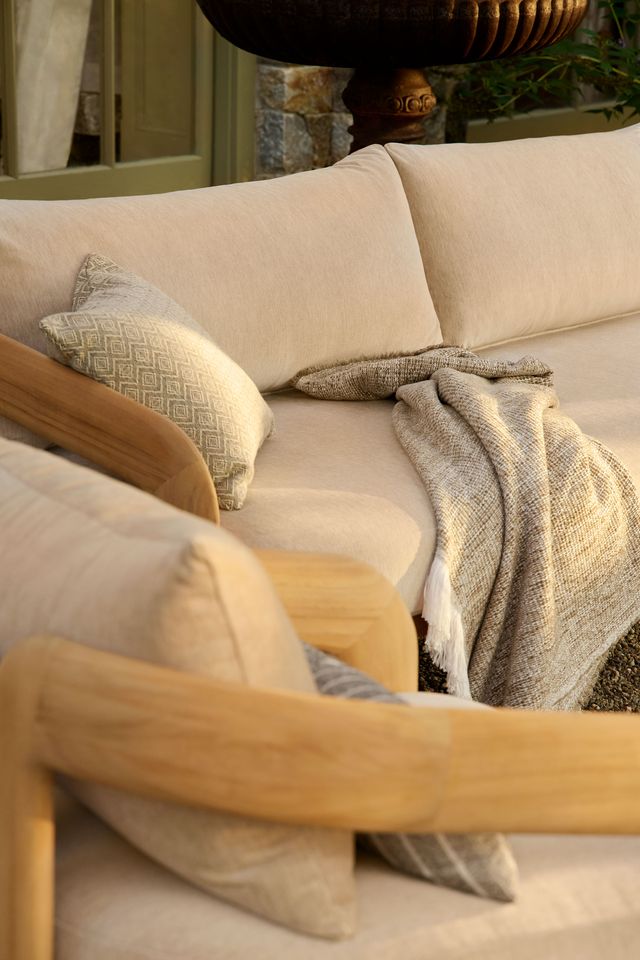
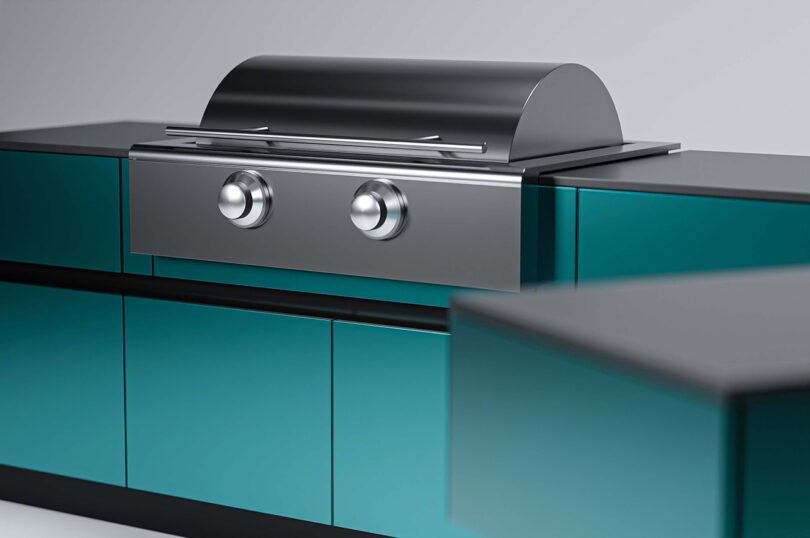
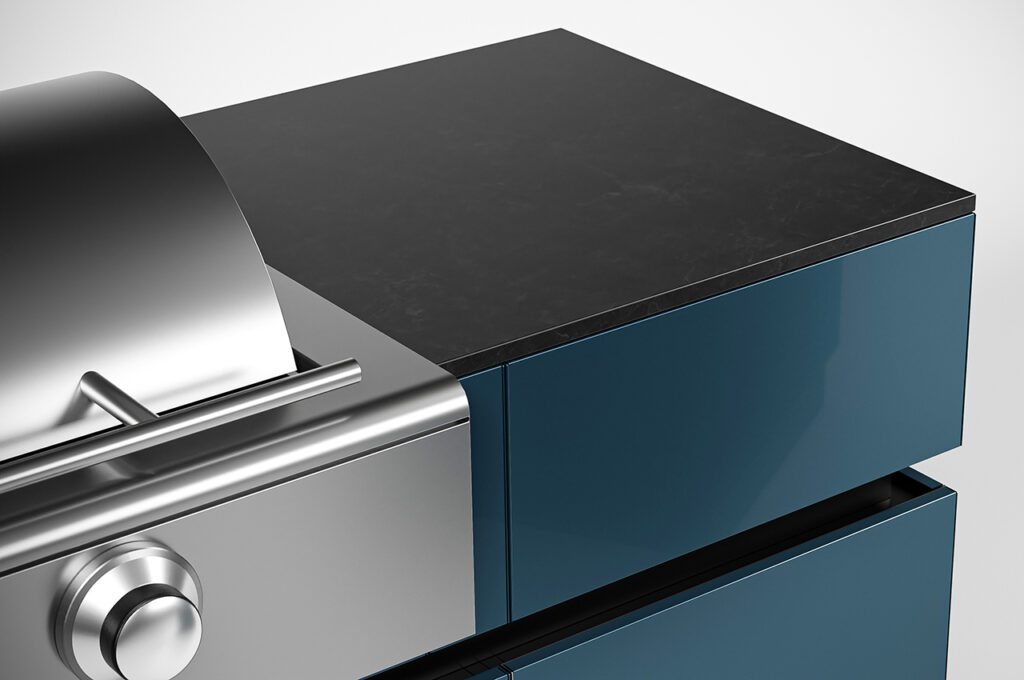
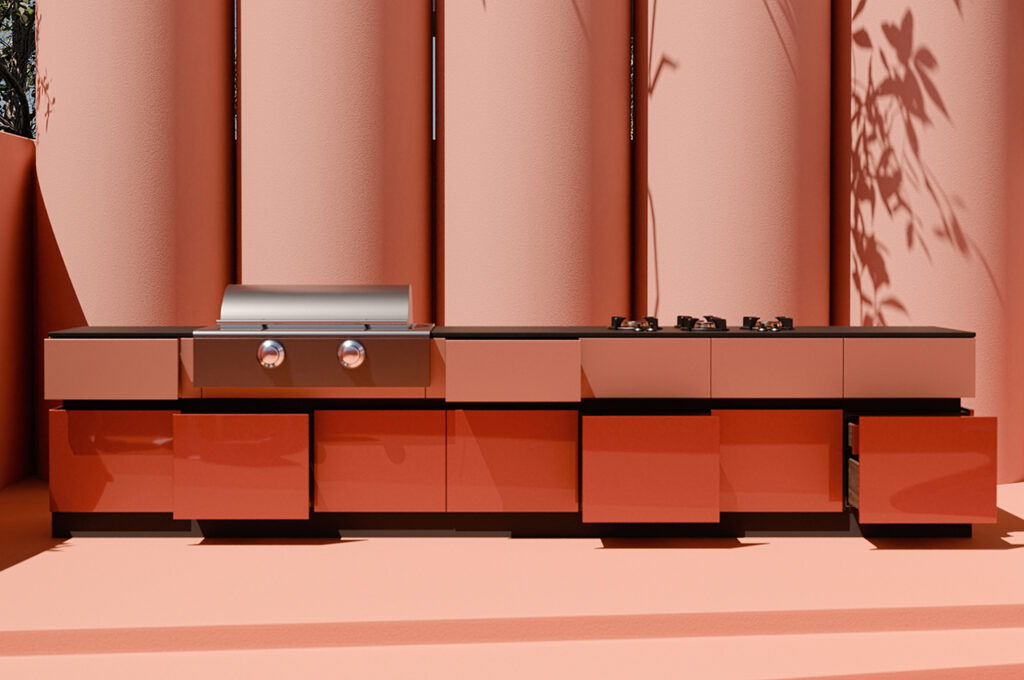
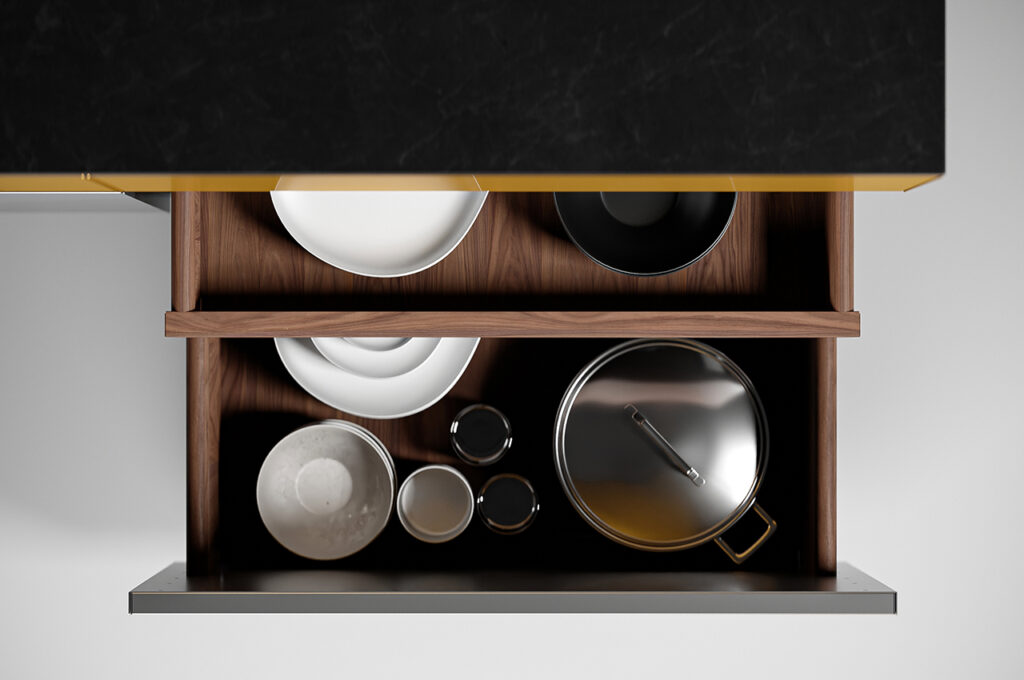
Designers and brands are also elevating outdoor design beyond ad-hoc patio setups. They are designing full kitchens that shed the outdoor aesthetic, further blurring indoors and out. At WestEdge Design Fair in November 2025, for example, Fire Magic and Brown Jordan Outdoor Kitchens showcased architecturally-inspired outdoor kitchen solutions that pair high-performance cooking technology with modern, weather-resistant cabinetry in a variety of saturated shades — a sign that outdoor spaces are being imagined with the same rigor as interiors and that clients are getting more daring with color (consumer’s increased risk tolerance is a recurring theme in conversation lately, especially involving color and pattern). Pictured below: Their modular CUBE and TECNO outdoor kitchen systems point to hybrid zones where cooking, dining and lounging flow seamlessly from interior to exterior.
2. Contemporary chintz and custom upholstery
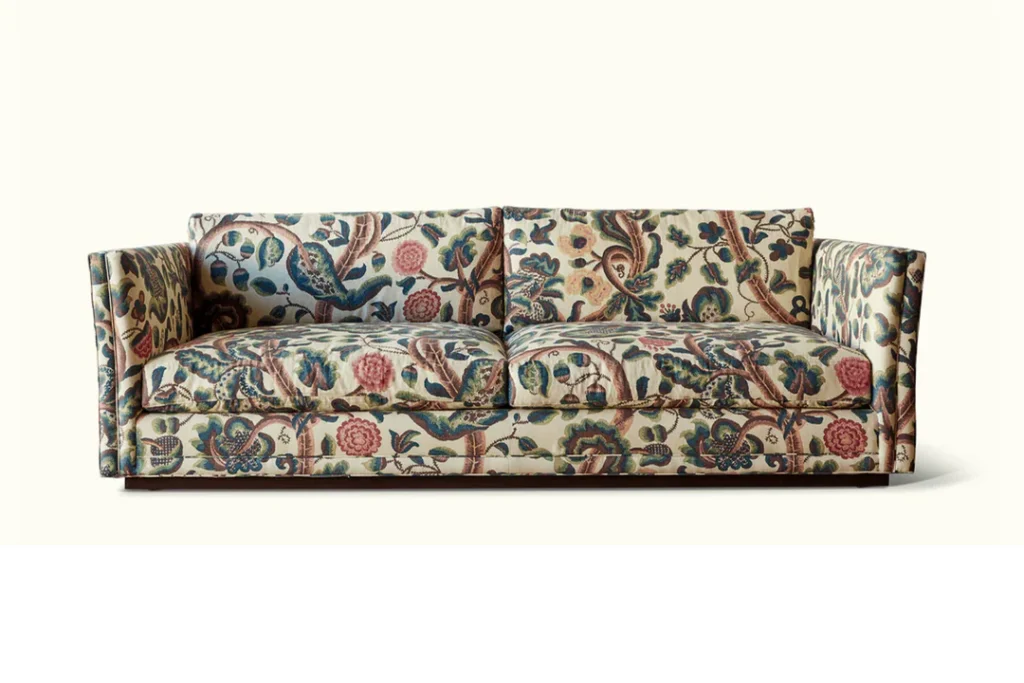
If you’re an avid consumer of design media, you might have noticed an increase in chintzy floral-print sofas cropping up everywhere. These sofas are a mash-up of three prominent design trends that gained traction at the end of this year and that we’ll see take off full speed ahead in 2026:
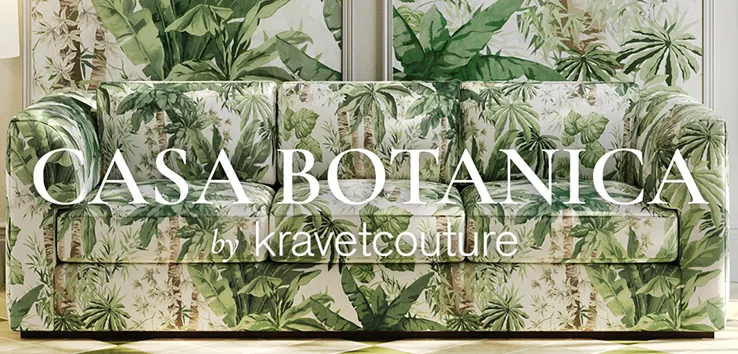
- Pattern: The upholstery pattern is a ‘grand-millennial’-esque floral
- Color: Moody jewel tones or earthy, vintage hues
- Shape: Contemporary curvy or modern sofa, to contrast with the nostalgic charm of its floral pattern
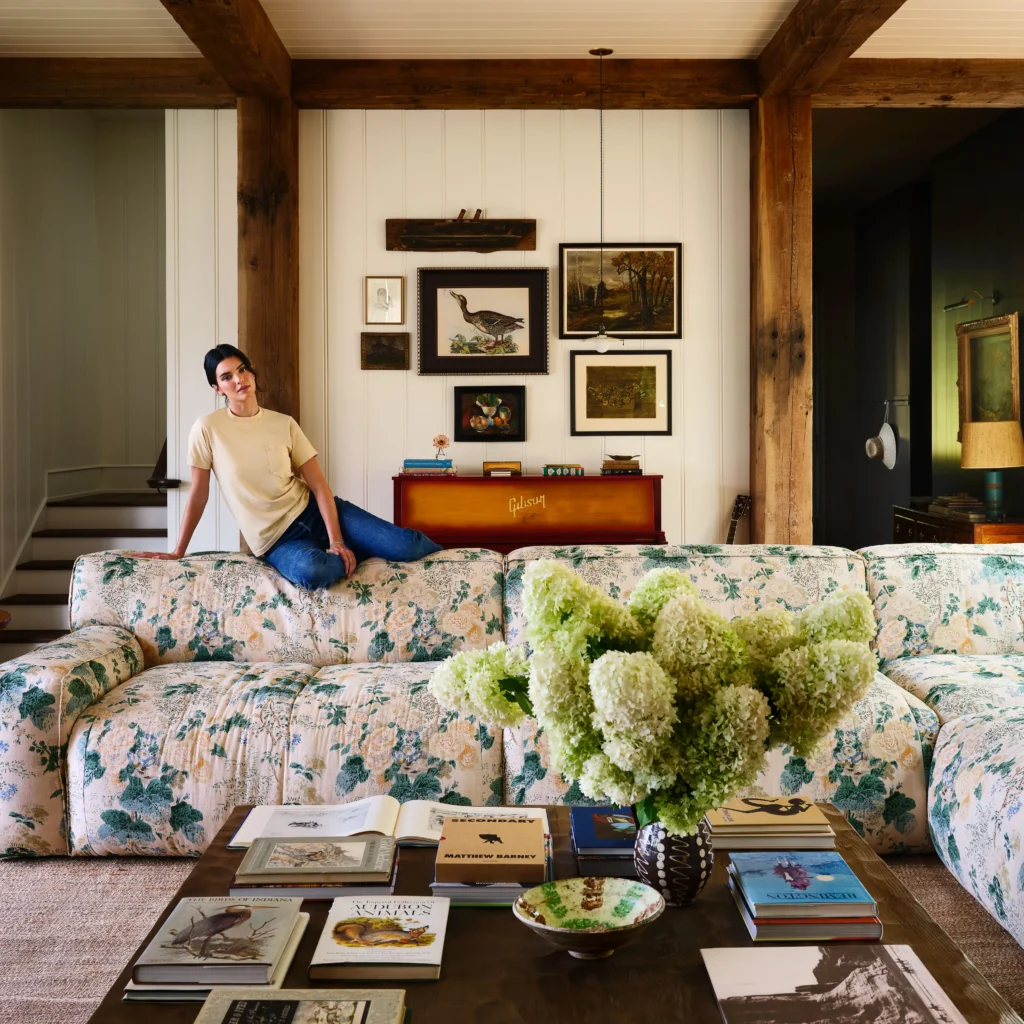
Most recently, this style was popularized by Kendall Jenner’s Heidi Callier-designed home on the cover of this month’s Architectural Digest, signaling a clear break from the all-neutral interiors that defined the RH home over the past decade.
3. Offline is the new luxury
For the last several years, hospitality has been dominated by Instagrammable moments. Spaces were designed to be photographed, shared and curated for social media. That is changing. Luxury hospitality design is shedding its dependence on optics and rediscovering its role as a regulator of human experience. In hospitality and residential projects alike, the intent is that spaces will be judged by how they feel rather than how they photograph.
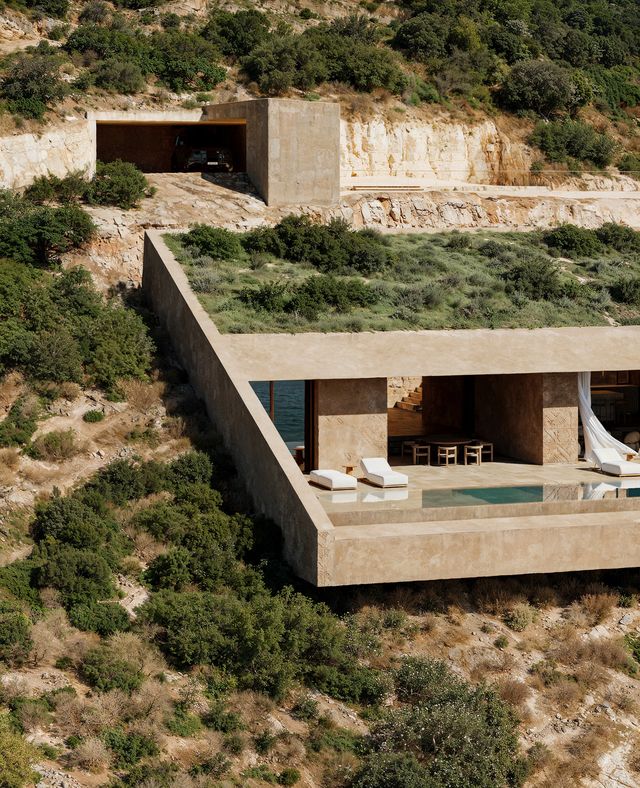
In a recent look at 2026 luxury travel trends, interior designers at global hospitality design firm Oppenheim Architecture say wellness will define high-end hospitality as they enter 2026, with digital detoxing becoming central to the experience and interiors conceived as “intimate retreats” that offer emotional grounding, quiet and sensory restoration offline.
Taking cues from private clubs like The Santa Monica Bungalows and Zero Bond, more hotels will begin asking guests to seal phones in sleeves or cover the camera with a sticker while dining or moving through communal spaces, creating environments that encourage connection and lack the performative quality of a space hyper-curated to be photographed by an influencer.
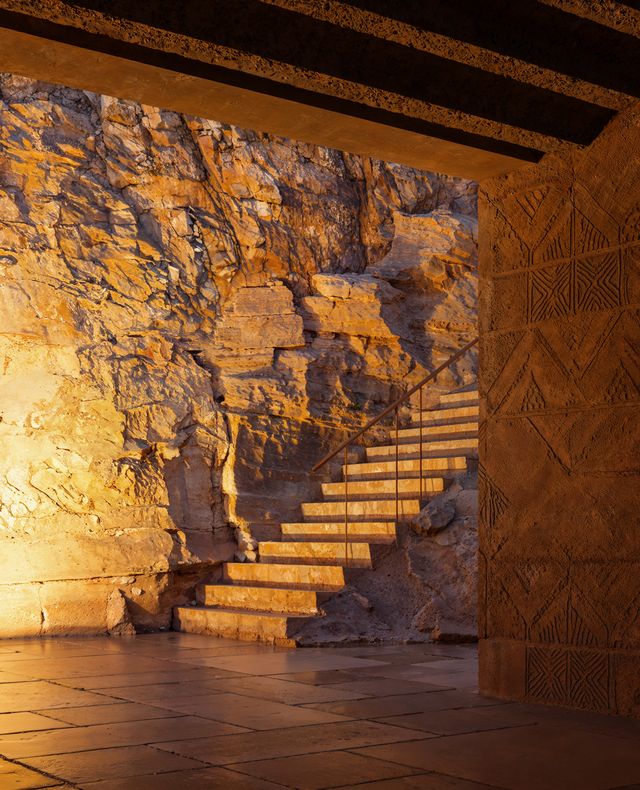
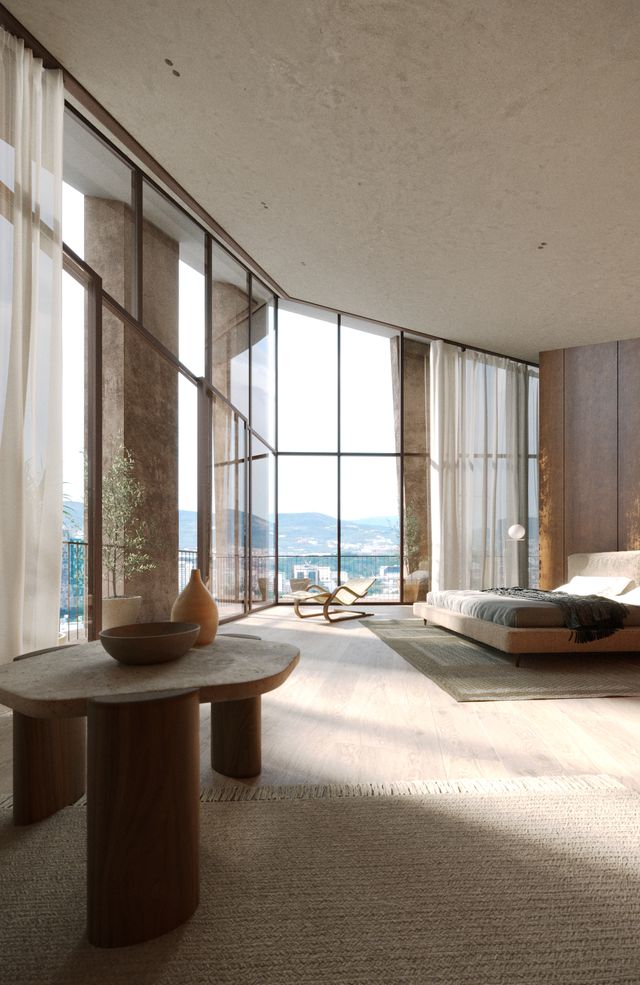
In practice, lighting schemes are being calibrated for a theatrical in-person experience instead of for the camera, and designers are specifying lime plaster, stone, timber and textiles with visible weave, materials that “feel real, imperfect and alive,” as Oppenheim Architecture designer Mariana Charters puts it.
These are not surface trends so much as a recalibration of the hospitality design brief toward nervous-system regulation and groundedness.
4. Collectibles as cultural R&D in an attention economy
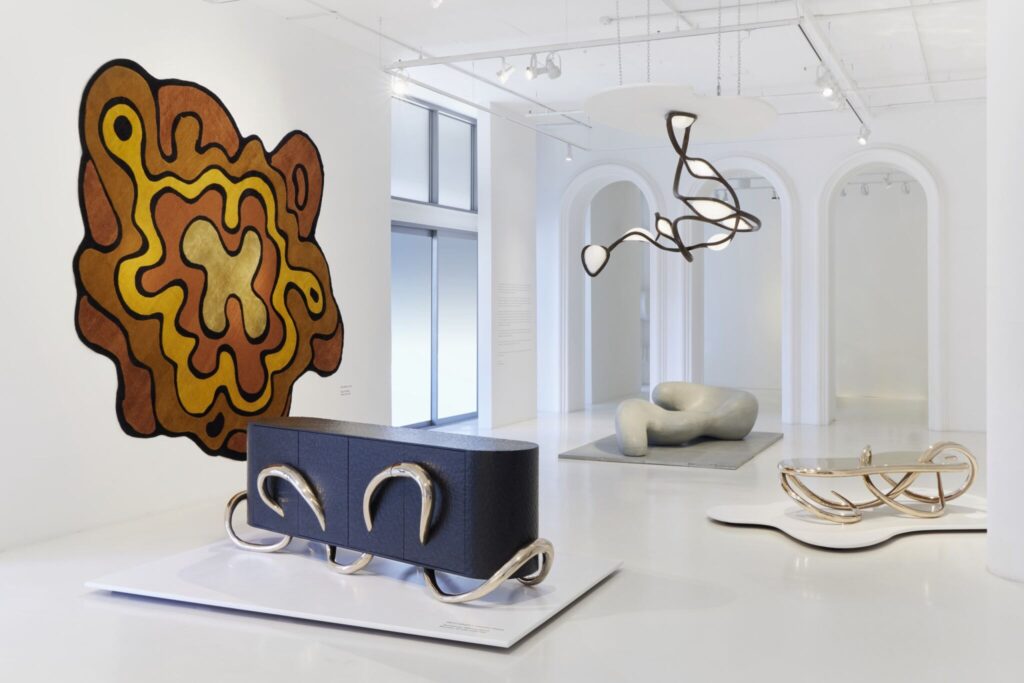
If wellness design is about opting out of the spectacle, the world of collectible design is about shaping it. Fairs and brand activations have become the laboratories of taste, where curated shoppable design experiences (Such as Basic.Space and Design.Miami) operate as theatre as well as R&D for furnishings makers and designers. These installations generate the images that circulate through feeds and fill client mood-boards and wishlists with investment pieces.
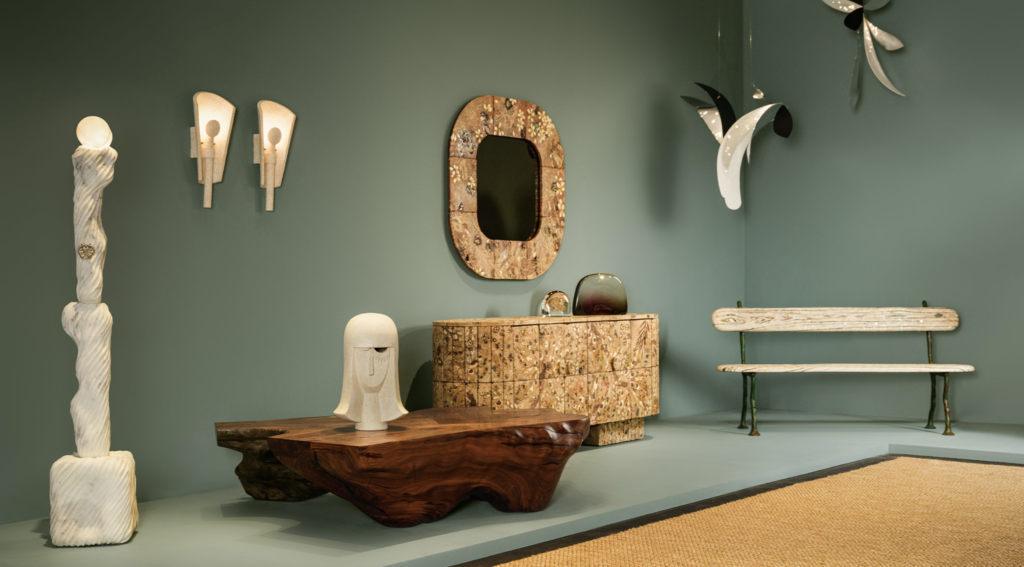
What distinguishes them in this moment is how global the conversation surrounding collectible design has become. Cross-disciplinary by nature, fairs like Art Basel have become the new Coachella, with headlining DJs throwing focus on music as well as art. They’ve expanded the audience well beyond the fair’s target demographic of blue-and-red-chip art collectors and that is shaping consumer tastes across price points through exposure to experimental forms, new materials and global perspectives. In other words: the average consumer is increasingly aware of the tastes, preferences and consumer habits at the top of the market. In interiors, that translates into art and furnishings chosen not just for aesthetics but for their story and quality. These culturally-aware consumers are drawn to the imperfect, sculptural, idiosyncratic pieces that carry more weight and justify their footprint and price point in an era of fewer, better things.
5. Artificial Intelligence
Creatives are overwhelmingly not bullish on AI (yet), but I want to focus here on those who are. These early adopters are diving head first into experimentation with artificial intelligence, implementing it as an integral part of their business, creative processes or products themselves. They will be the ones to set the stage for how the rest of the industry eventually adopts these technologies, whenever that may be.
There are three major buckets of bullish AI implementation in the design industry that will continue to deepen well into 2026:
- AI as part of the design iteration process: This is the most common application for interior designers who are already utilizing AI. In an increasingly collaborative process of working with clients, designers can, for example, adjust and apply clients’ notes in real time during client meetings to communicate changes more efficiently with AI software such as Midjourney, Stable Diffusion, Autodesk Forma, or Adobe Firefly.
- AI “Photography:” The biggest fear, as new technologies are adopted by the marketplace, is jobloss. This is not entirely unfounded. The largest job replacement we are already beginning to see within the design industry is not with designers, but with product lifestyle photography. This doesn’t mean photographers are out of a job en masse, but they have become more of a luxury and the standards for lifestyle photography were already increasing.
Earlier this year, I spoke with renowned interiors photographer Erin Little about how lifestyle interiors photography has evolved from squeaky-clean, sterile real estate photos of the early ‘aughts to more moody and real “lifestyle” imagery, styled to give a space a lived-in feel.
Photographers tell clients NOT to clean their kitchen countertops before a shoot, to let children play with their toys in the frame and dogs to lounge on sofas, and opt for more imperfect and asymmetrical botanicals over a perfect bouquet of roses or peonies, which were more popular in mid-2000’s photography. In short: leave in signs of life.
We will be increasingly confronted with the question of when it is necessary to make something ‘real’ versus when it’s okay to pass with a generated estimation of reality. Photographers with distinctive styles that meld well with designers’ will continue to thrive, whereas photographers without a distinctive style, who have profited off their neutrality, will likely struggle.
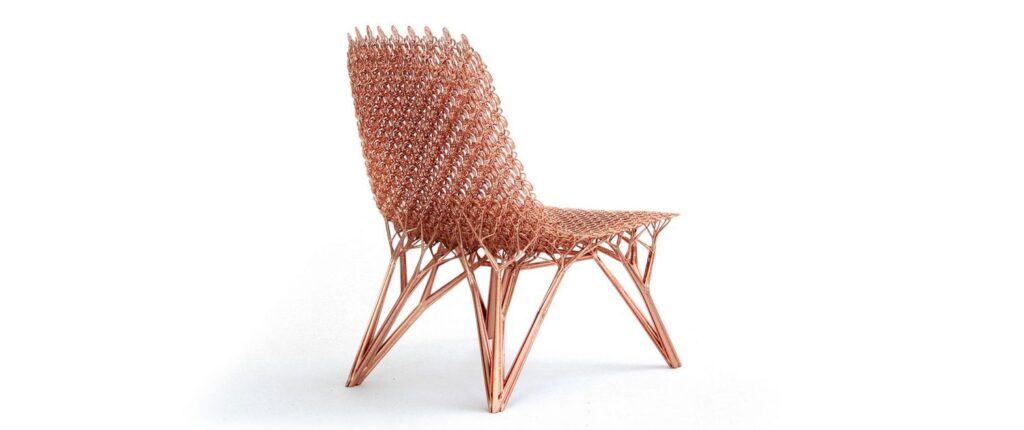
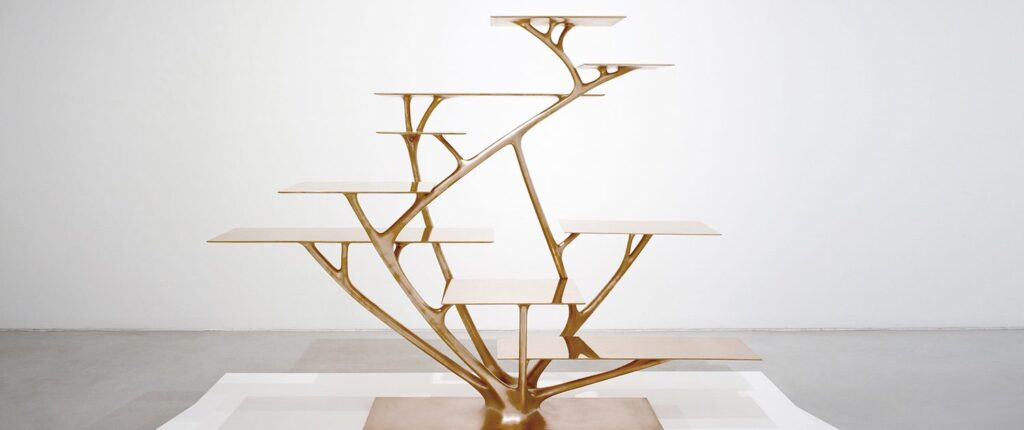
- AI aesthetics: On the creative and extremely bullish side of the spectrum, experimental, contemporary artists, designers and furniture makers are experimenting with algorithmically generated art. Their work is a window into what AI aesthetics might evolve into. Some interesting creatives to watch in this space include Refik Anadol, Sougwen Chung and Joris Laarman.
Anadol has become a bellwether for data-driven art at architectural scale, treating machine learning not merely as a tool in expediting the process, but as a new kind of medium unto itself. By transforming massive datasets into immersive projections and installations, his work positions training data as material and points toward a computational sublime increasingly suited to public and civic space. See more below:
Chung uses AI systems trained on her own drawings and robotic arms to extend gesture rather than replace it. Her art-performances grapple with the concepts of process and authorship, framing AI as a creative partner that complicates, rather than automates away, the act of mark-making. See more below:
Laarman pushes these ideas into furniture fabrication, applying design-by-generative-algorithim to large-scale, physical objects. His studio’s work often begins with code that resolves into tactile pieces mixing craft and computation together.
As we close the book on 2025 and look ahead, these themes offer a lens into where the design industry is headed in 2026: From indoor-outdoor rooms that look as luxe as the living room to offline-design and early experiments with AI, the throughline is a growing appetite for depth over optics and substance over sameness. Happy holidays from all of us at Design News Now; we’ll see you in the new year with fresh insights into what’s shaping interiors, furnishings and the creative landscape ahead.
TLDR: Here’s the upshot
- Indoor-outdoor living is going upscale: Performance fabrics and fully designed outdoor kitchens are erasing the line between interior and exterior spaces — and clients are getting bolder with color in the process.
- Chintz is back, but make it contemporary: Floral-upholstered sofas in moody jewel tones on modern curved frames signal a confident departure from the all-neutral interiors that dominated the last decade.
- Offline is the new luxury: Hospitality design is shifting away from Instagram-optimized spaces toward sensory, screen-free environments designed to feel grounding and real — judged by how they feel, not how they photograph.
- Collectible design is shaping mainstream taste: As fairs like Art Basel and Design Miami reach wider, culturally curious audiences, consumers at every price point are gravitating toward idiosyncratic, story-rich pieces over generic aesthetics.
- AI is dividing — and quietly transforming — the industry: Early adopters are integrating AI into design iteration, lifestyle photography and generative fabrication, setting the stage for how the rest of the industry will eventually follow.