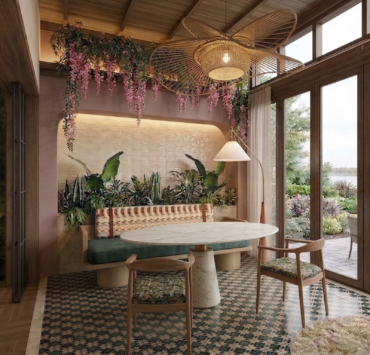

Blending structure with intuition, DuVäl approaches design through the lens of function, culture and perspective—offering a more expansive vision of what American design can be.
By Rachel Fasciani
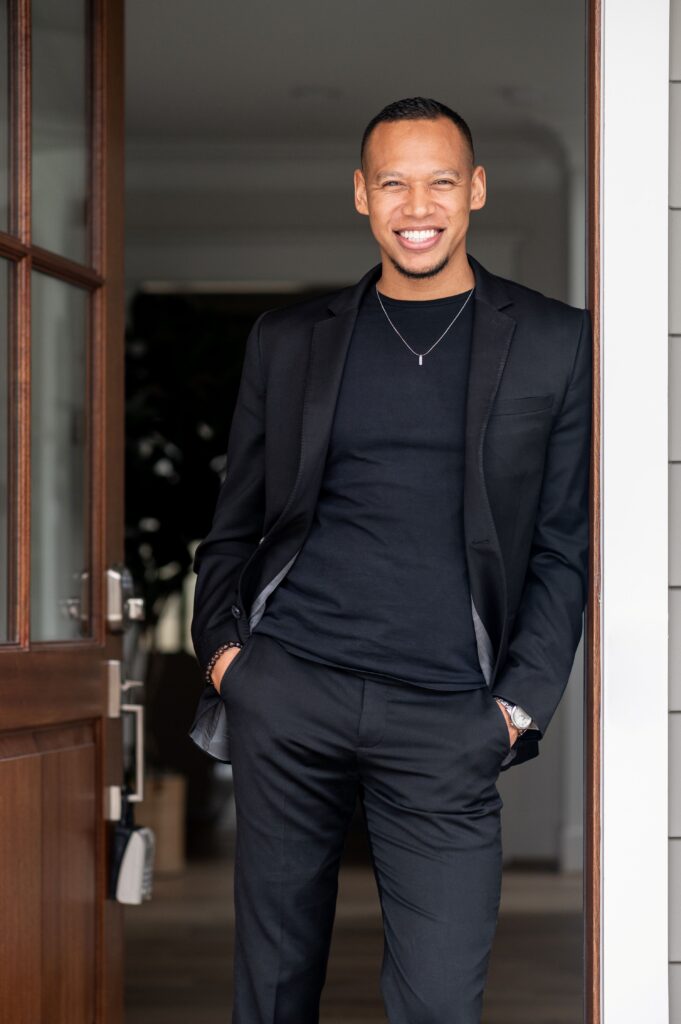
DuVäl is hard to miss.
When I first encountered him at High Point Market last fall, his presence was immediate—dynamic, engaging, and unmistakably genuine. That same clarity carries through in his work, where humor, honesty, and insight intersect.
Beyond the personality is a designer whose approach is grounded in something more deliberate: structure, strategy, and a deeply considered point of view. At a time when design is increasingly defined by personalization and evolving definitions of luxury, DuVäl offers a more expansive lens.
Origins
For DuVäl, design begins with a scientific approach: identifying a problem and solving it.
His early studies in neurology, combined with hands-on experience at California Closets, shaped a mindset grounded in analysis and outcome.
“In sciences, the goal is to figure out how something works… what can we do to trigger a change?” he said. “It feels the same in design… it isn’t just about final aesthetics. It’s about function.”
Winning Clients Through Differentiation
That same application of solving problems logically and functionally landed a three-phase, seven-step process unique to DuVäl. Just as science provides predictability through repeatable actions, the firm builds client relationships that are rooted in clear direction. DuVäl stated, “I like our clients to understand we know where we’re going, we have a direction.”
Trust isn’t the outcome of the work—it’s the foundation. DuVäl asserts, “I have learned that business and design are not the same thing. In business, you have to have structure, you have to have framework, you have to have repeatable processes to keep the ship running. But then you also have to have an area where you can go discover and get lost and take detours and be inspired.” This ensures room for creativity, freeing space for discovery while without the pressures of execution.
That structure does more than organize the work—it drives the business. DuVäl explains, “Quite honestly, I think that they find a lot of comfort in knowing that we know where we’re headed, we know where we’re taking you. I feel like they understand, especially as we get more into the luxury market, we are an expert advisor.” In that role, the designer becomes more an expert guide—bringing clarity, direction, and confidence to a process that can otherwise feel uncertain.
Design as Discovery
DuVäl’s process functions almost as an anthropology of the client. This approach aligns with the move toward a more personalized style in luxury design. Through detailed questionnaires and conversations, the firm builds a layered understanding of how clients live—not just how they want a space to look. The firm discovers the “aha” moments that pull projects together and push design beyond aesthetics. One of the questions? “How did y’all meet? Because that can give me insight, and it’s always a beautiful thing because it’s always a fun story that they love to share. And that’s a surprise that was almost predictably going to come out because of a process.”
By understanding how clients define value—whether through legacy, acquisition or experience—he’s able to design spaces that move beyond visual impact. In practice, it expands the role of the designer from decision-maker to interpreter—translating personal history into meaningful spatial experiences that are both intentional and intuitive.
The Beauty of Perspective
“Design isn’t a universal language—it’s shaped by lived experience.” He explains that value systems—shaped by culture, upbringing, and access—can differ significantly from client to client.
That distinction doesn’t just influence preference—it shapes how spaces are furnished, layered, and experienced.
He noted that while some clients place deep importance on heritage and inherited pieces, others view newness as a marker of success—particularly in communities where generational ownership wasn’t or isn’t historically accessible. “Coming into the luxury market, I can see the difference in my clientele. I have to cater to their value system where it’s not a part of mine.”
The result is a more nuanced approach to design—one that responds to the client’s perspective, rather than imposing a singular definition of style.
A New American Narrative
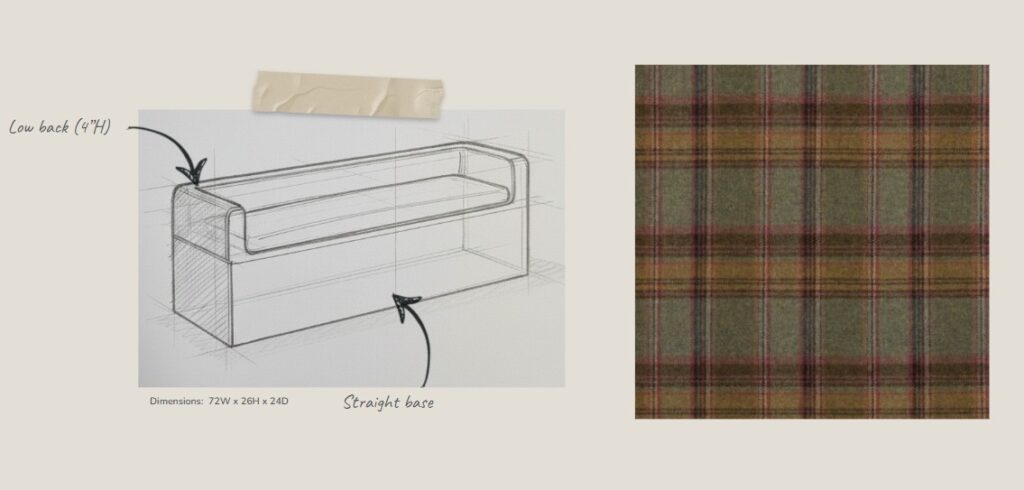
DuVäl’s broader vision extends into what he describes as a “New American Heritage”—a perspective influenced by the legacy of Ralph Lauren, but reinterpreted for a more inclusive and contemporary audience. It also reflects a broader shift within the industry—one that is moving toward a more inclusive and expansive definition of American design. The approach is already taking shape in his new line with Sherrill Furniture, launching this month at High Point Market. The collection, described by Sherrill Furniture as “blending classic lines with modern comfort,” draws heavily from menswear-inspired textures and tailored finishes.
Rather than reflecting a singular version of American design, his work seeks to represent a more layered identity—one that blends heritage with modernity and acknowledges a broader range of experiences. DuVäl shared, “There’s this taste of heritage that I really like and has an all-American feel.”
“I gravitate to what is good and what can be.”
It’s a perspective that ultimately defines his work.
For DuVäl, design isn’t about what something is—it’s about what it can become. And in that space between function, culture, and possibility, a more meaningful vision of design begins to take shape.
Stay informed by signing up for our weekly newsletter.