
By elevating independent brands and prioritizing connection over transaction, the platform signals a broader evolution in how designers source and engage.
By Rachel Fasciani
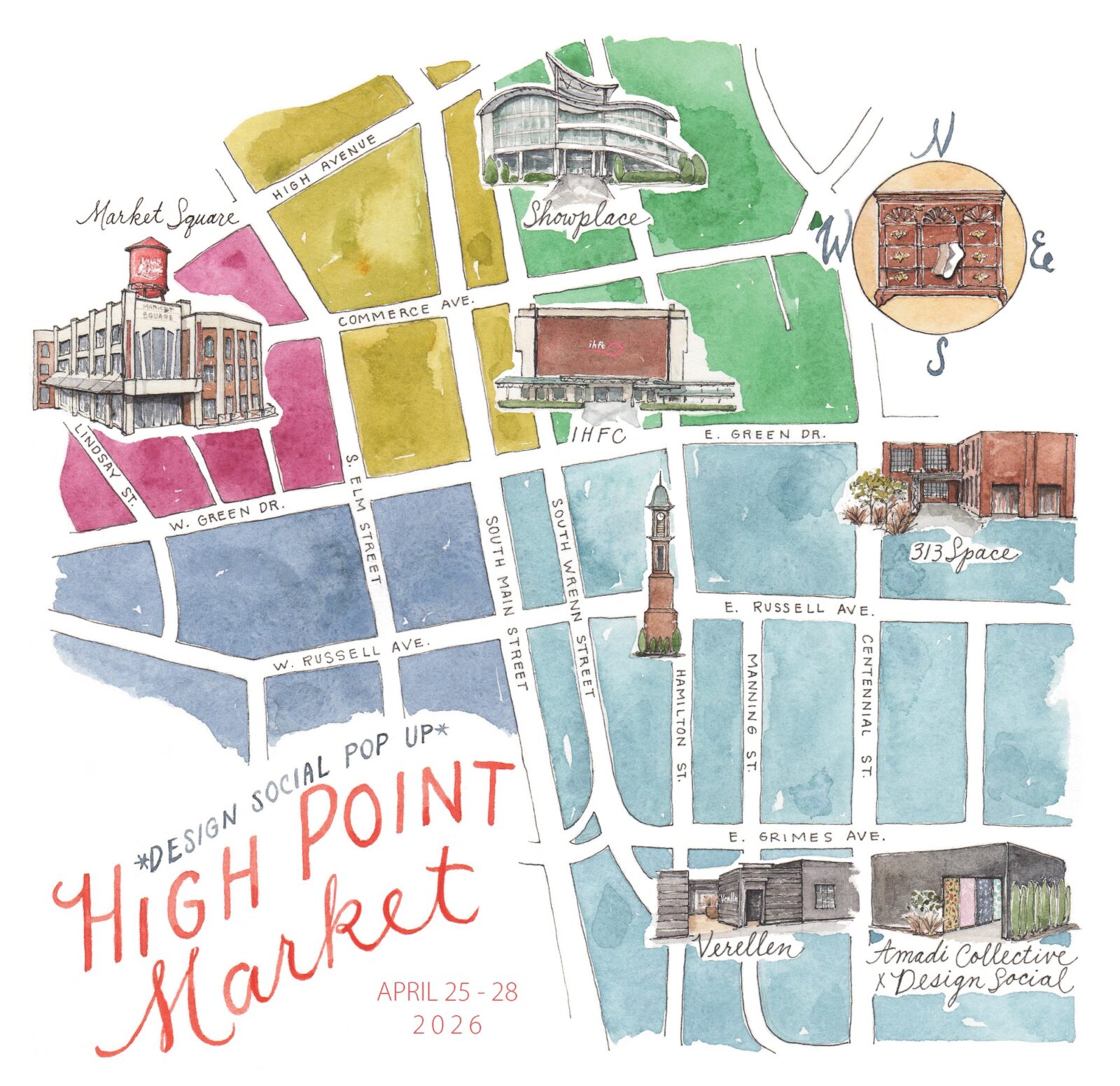
In a market often defined by scale, The Design Social is built on something else entirely: curation, connection and access. This spring, they’re doing it alongside High Point Market.
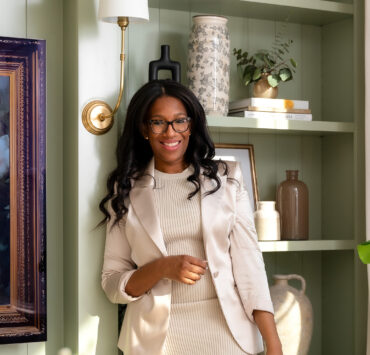
When speaking with founder, Brooks Morrison, she was clear. This wasn’t an obvious move for the widely successful multi-city platform. On the surface, its brilliant. Layering The Design Social with High Point Market makes sense. Morrison emphasized that it isn’t that simple, that while showing at High Point may seem natural, “I don’t want to steal anybody else’s thunder, …everybody, all those event organizers work very hard to get people to their event.”
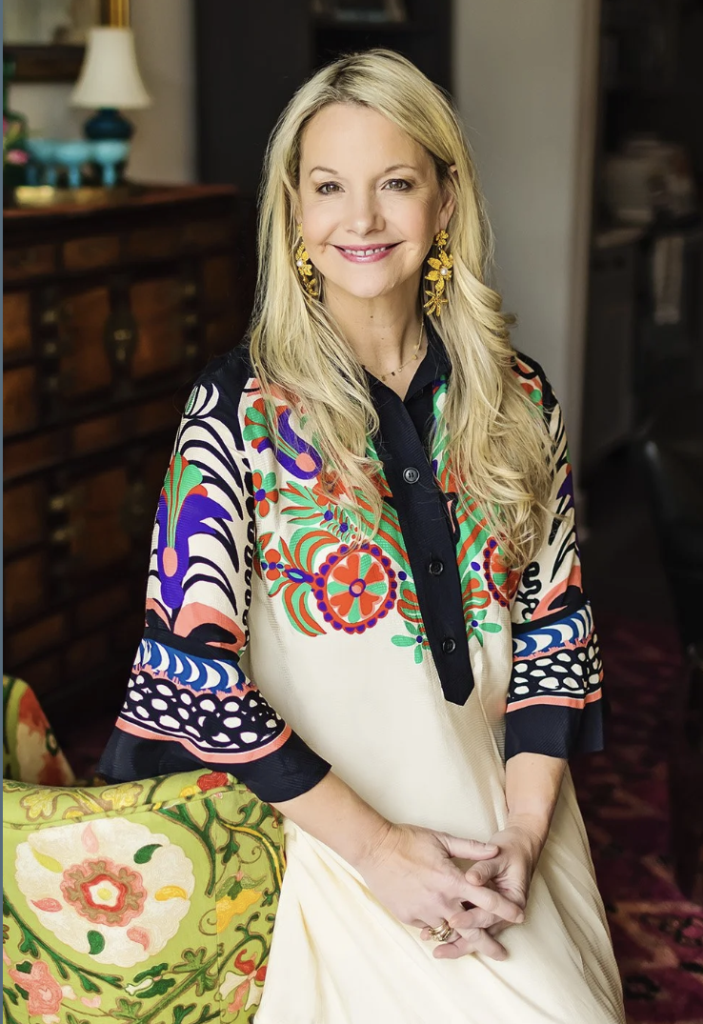
And that is just the beginning of where Morrison’s thoughtful nature comes through. The turning point came with long-time rug company, Amadi. “The driver was essentially our event partners, which is Amadi Carpets, The Amadi collective,” Morrison stated, “You want to go in with somebody that’s experienced. …we do a lot of events, but I’ve never done an event within an event, where the bodies have done a lot.”
That element was key: partnering with a group that both had the experience and the space. Amadi had traditionally exhibited within another showroom and had acquired their own space. But they also had similar goals. Morrison expressed, “You want to go in with the right partner. . . share the same values in their craft, independent brand and kind of an elevated kind of mentality when it comes to craft.”
From there, the idea of The Design Social at High Point Market was born. But that’s not where it ended. And here is where we find The Design Social shifts the model. One of the focuses is to elevate smaller, often female-founded brands who lack showroom budgets but have high designer appeal. This signals a broader industry shift. In which smaller creators are acknowledged as deserving a seat at the table while driving a competitive edge for independents. Morrison has set the table, invited them in, and in her words, “built on creating efficiency and effectiveness for both the designers and the participants.”
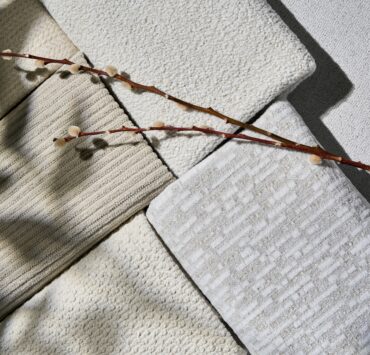
In addition to “setting the table”, The Design Social fills a gap. High Point Market is a long-established, respected and effective part of the design community. Including The Design Social is complementary rather than competitive. By being there, they answer the needs of designers seeking out textiles, materials and smaller scale product covered by creators such as Birdie Fortescue, Modern Matters, Dunes and Duchess and Varnish Collection. These brands deliver the layers essential to fully realized design. Distinctive textiles, wallpapers, tabletop, rugs, paint.
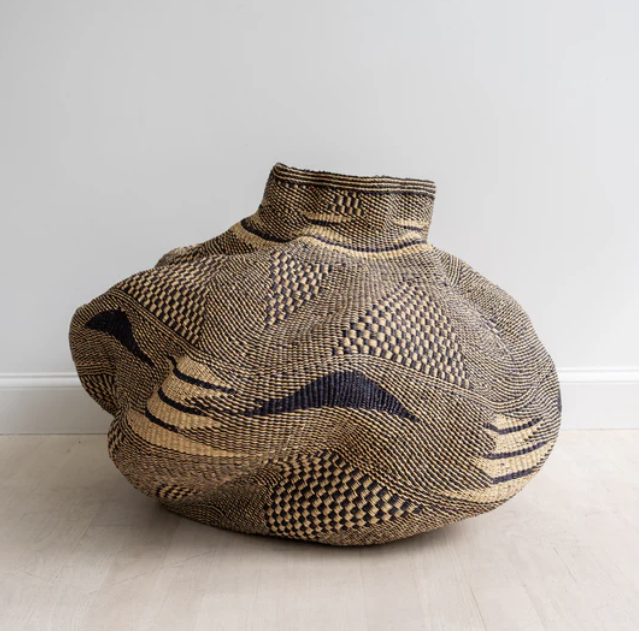
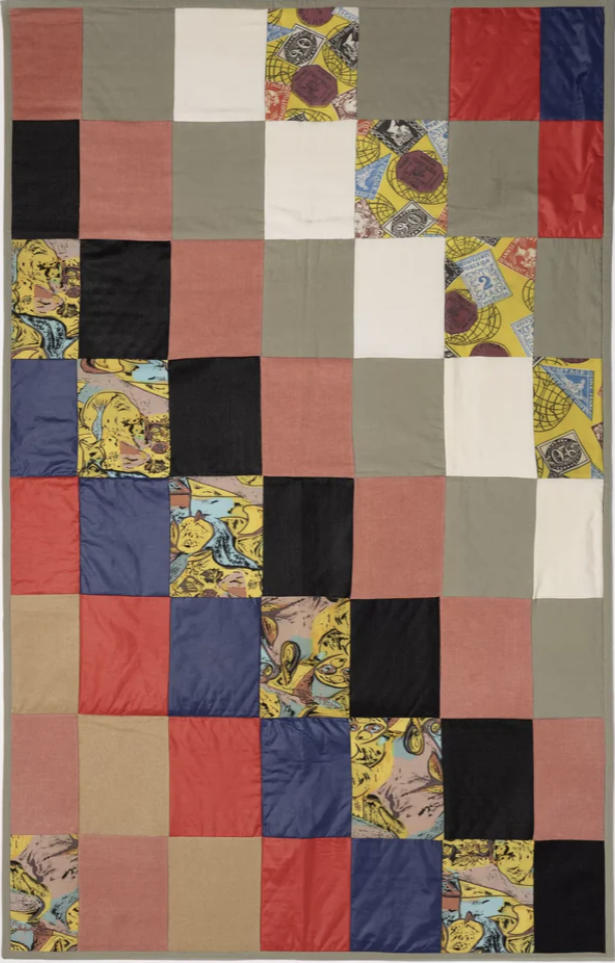
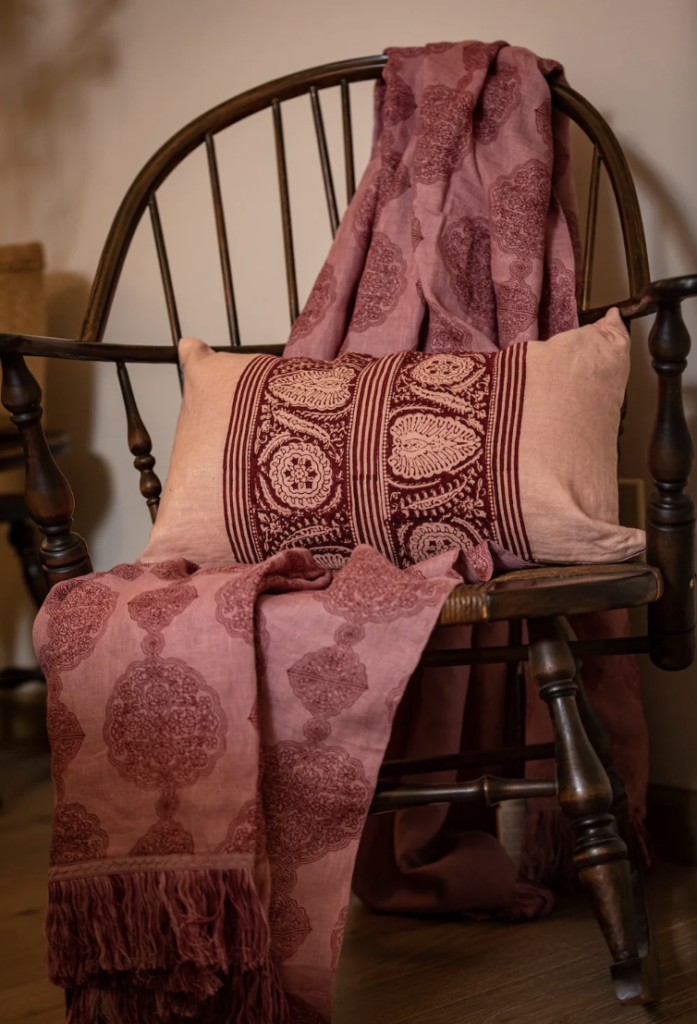
Those inclusions do not occur by accident. Morrison is thoughtfully assembled when choosing who to host as a part of their pop-ups.
“First and foremost, I tell people that even if they’re retail based, they have to want to develop a design relationship with designers,” she explained, “It’s not going to be that transactional thing.”
Most importantly, it’s about connecting. The Design Social provides the space and support for small, craft brands to establish supportive and connected, long-term relationships with designers. Designers want access—to the maker, the process and a direct line of communication. Relationships. The touchpoint. A designated person to reach out to for their needs. This element, results in long term and productive relationships.
Morrison perfectly expresses the point when noting, “[It’s] the heart of it, the designer wants to meet that person behind the brand.”
In a market evolving beyond transactions, that connection is becoming the product itself.