Go inside the new M2 Design Lab in Chicago

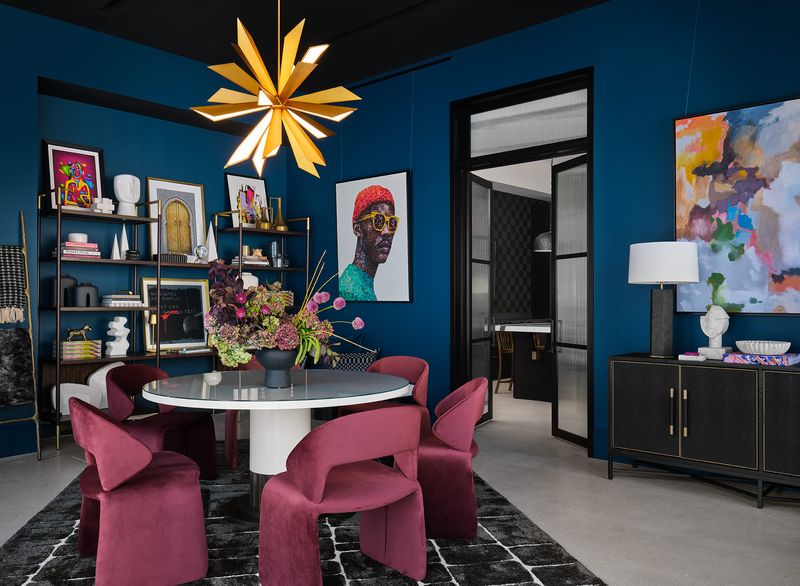
As design studios confront an industry reshaped by speed, scale and increasingly automated modes of production, Chicago-based M2 Design Lab is choosing a different path. Formerly known as Phillip Harrison Interiors, the studio’s recent rebrand to ‘M2’ is about asserting authorship at a moment when that is increasingly under pressure. Led by Mark Schubert and his partner, Michael, their firm has repositioned itself around their partnership and emphasizes in-person connection and the hands-on nature of the design process.
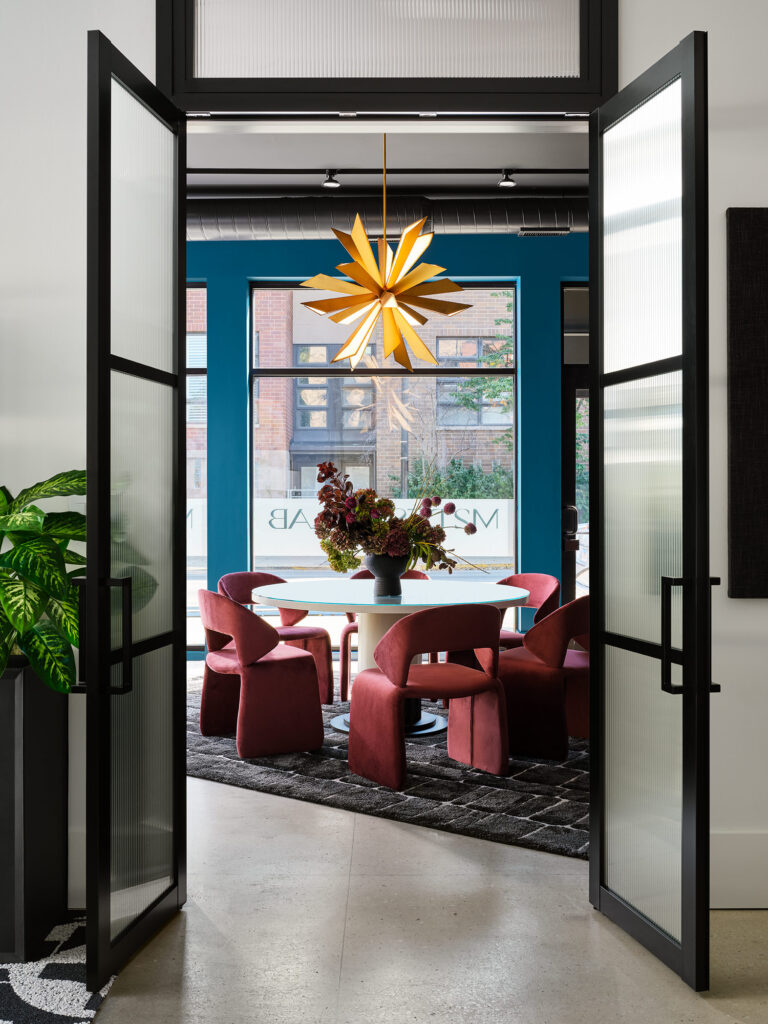
Heading into 2026, as AI-driven tools compress timelines and standardize the look of spaces, the value of design thinking risks being obscured by efficiency alone. M2 Design Lab is responding by making the process its central selling point.
What that means in practice: Being more selective about the projects they take on. Taking on fewer, better projects means getting to know clients deeper, handling their homes with better care and allowing themselves the space to experiment and play.
In conversation with DNN, Schubert reflects on the decisions behind the rebrand, the opening of the firm’s first dedicated studio in Bucktown, and why emphasizing the design process and authorship over a space matter more now than ever.
Outgrowing the old identity
DNN: You recently rebranded from Phillip Harrison Interiors to M2 Design Lab. What no longer fits about the old name, and what does this new identity allow you to express more clearly?
MS: Phillip Harrison Interiors reflected an earlier chapter of my career, one rooted in traditional practice and a more singular perspective. As the work evolved, the name began to feel restrictive. It didn’t fully capture the collaborative nature of how we operate today, nor the conceptual rigor that defines our process.
M2 Design Lab enables us to articulate our identity more clearly: a studio founded on partnership, experimentation, and design thinking – like one might do in a lab setting. The name signals authorship without ego, creativity without preciousness, and a willingness to challenge convention while remaining deeply grounded in craft and execution.
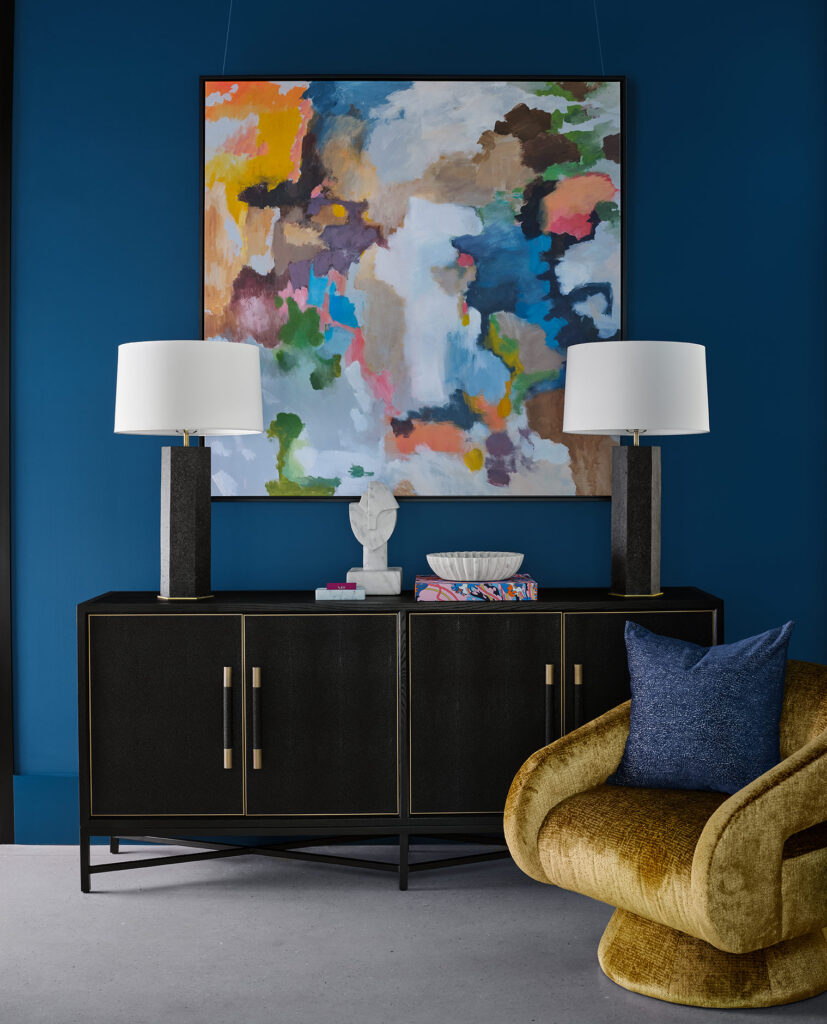
DNN: The rebrand coincides with what you describe as a reset heading into 2026. What did you feel needed recalibration, personally or professionally?
MS: The reset was less about reinvention and more about alignment. Professionally, it was important to clarify where we create the most value: fewer projects, deeper engagement, and a stronger emphasis on concept, materiality and narrative. Personally, it meant protecting my creative energy and being more deliberate about how and where it’s spent.
2026 represents a point of intentional growth: refining our voice, elevating our standards, and building a studio culture that supports longevity rather than constant acceleration.
First impressions
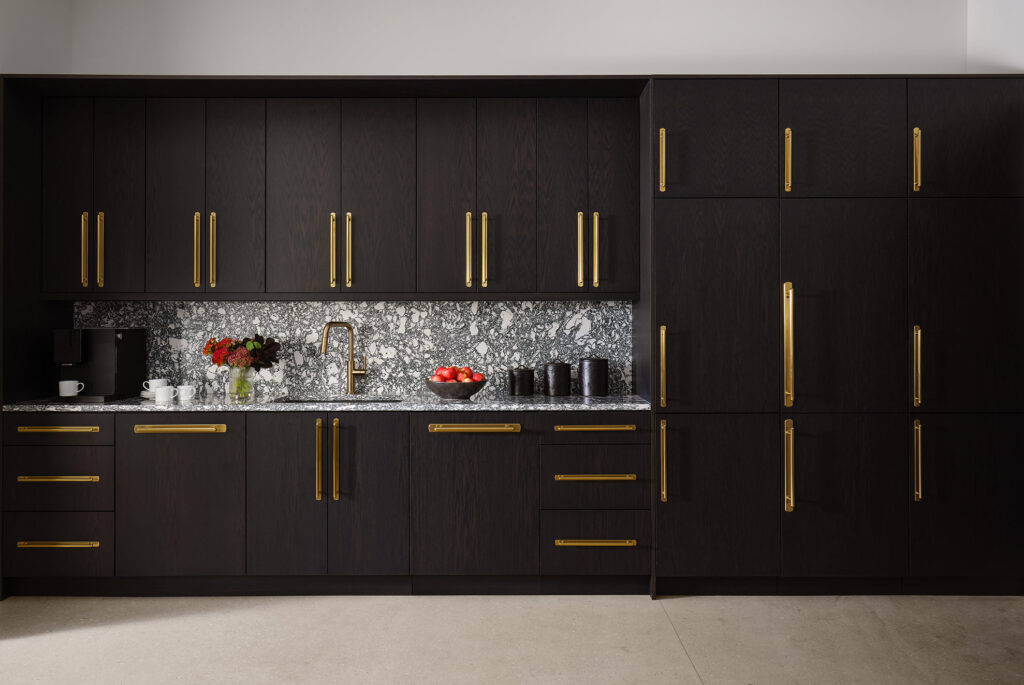
DNN: When someone walks into the M2 Design Lab showroom for the first time, what should they understand immediately about how you work and why you matter now?
MS: They should immediately sense that this is not a transactional studio, it’s a thinking space. The work here begins with questions, not assumptions. We are highly process-driven, deeply collaborative and focused on outcomes that feel personal, layered and enduring.
Why we matter now is simple: clients are craving clarity, confidence and perspective in an increasingly saturated design landscape. We offer a point of view and the discipline to execute it.
DNN: Tell me more about the experimentation inside the “lab.” How does experimentation actually manifest in your process, as opposed to being a conceptual posture?
MS: Experimentation shows up in how we test ideas before they become permanent decisions. We mock up color relationships, material pairings, lighting conditions and spatial adjacencies in real time, often physically, not just digitally.
The lab mindset also means allowing space for iteration. We encourage dialogue, challenge our own instincts and refine continuously until a solution feels both unexpected and inevitable. It’s practical experimentation, not aesthetic theater.
Partners in business and in life
DNN: The studio is led by you and your life partner, Michael. Tell me about working with your partner. How does that partnership shape decision-making, risk-taking and the emotional tenor of the work?
MS: Working with my partner creates an uncommon level of trust and honesty. Decisions are made quickly and thoughtfully because there’s no posturing; we challenge each other openly and productively.
That dynamic allows us to take smarter risks. There’s a shared emotional investment in both the success of the studio and the integrity of the work, which creates a grounded, steady energy rather than a volatile one. The partnership ultimately sharpens the studio’s voice.
The fun stuff: color and the new aesthetic shifts
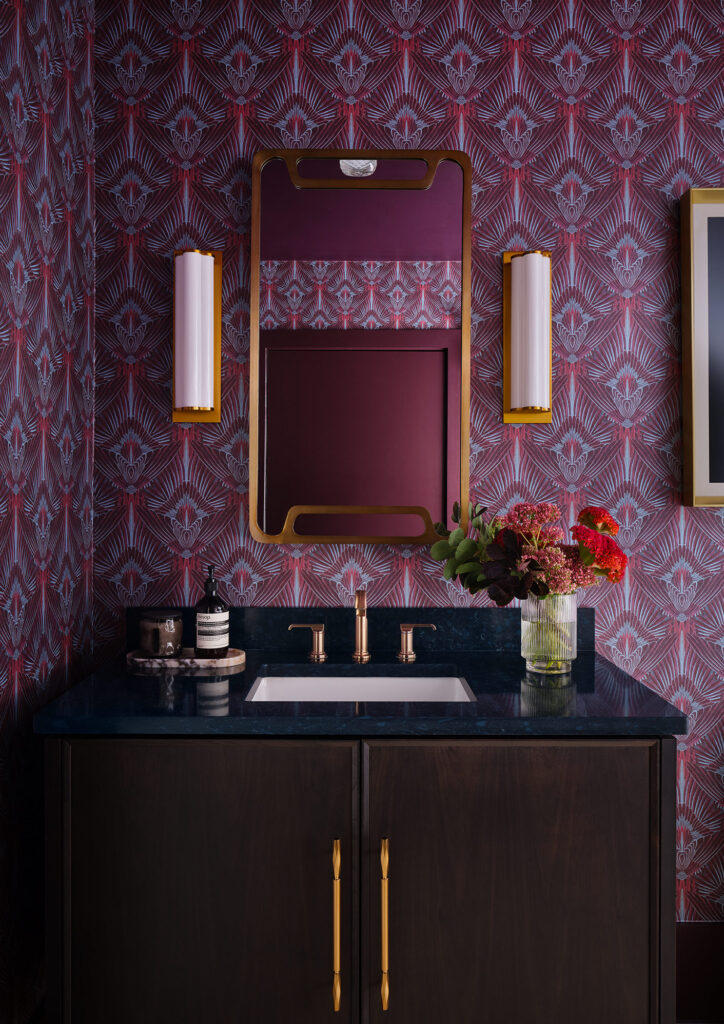
DNN: Color has long been a signature of your interiors. How has your relationship to color evolved with this rebrand, and how is that evolution expressed in the new studio?
MS: Color has shifted from being an expressive tool to a strategic one. We’re more interested now in nuance, undertones and how color behaves over time and light conditions. It’s less about impact alone and more about depth and longevity.
In the studio, that evolution shows up through layered palettes, saturated yet restrained moments and an environment that demonstrates how bold color can still feel sophisticated, architectural and livable.
A place of their own
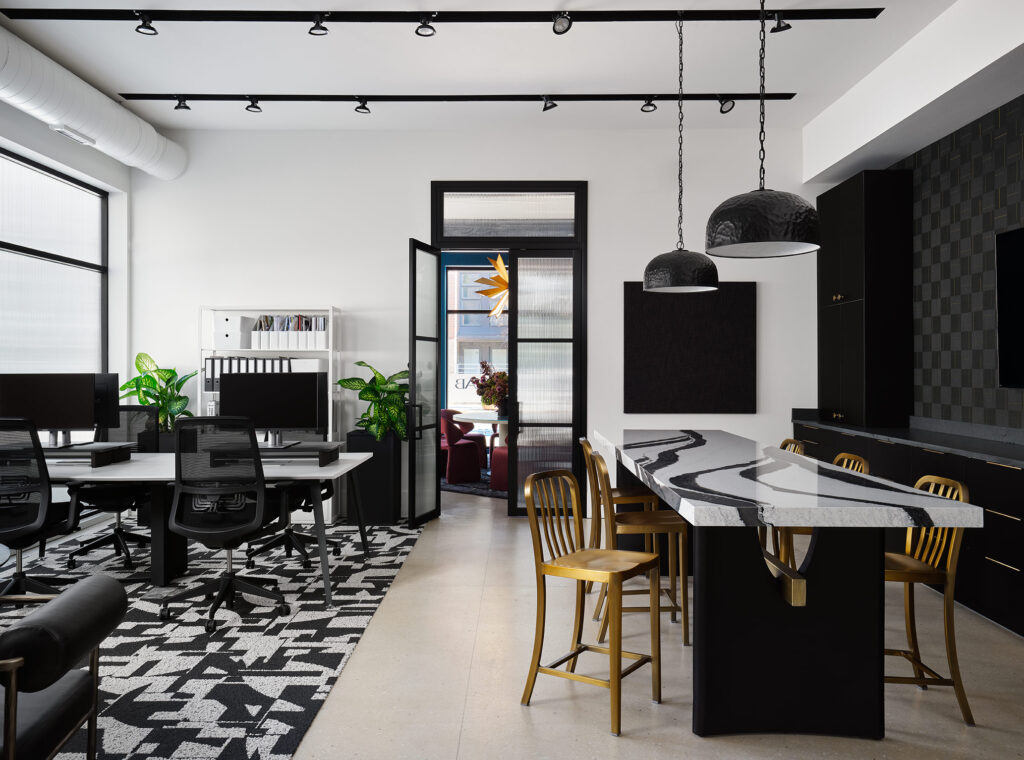
DNN: The Bucktown space is your first dedicated studio. Why was it important to claim a physical footprint now, and why Bucktown specifically?
MS: Claiming a physical studio was about accountability to the work, to our clients, and to ourselves. A dedicated space anchors the practice and signals commitment to growth and presence.
Bucktown felt like the right choice because it reflects our sensibility: creative, design-literate, and grounded in Chicago’s maker culture. It’s a neighborhood that values craft and individuality, which aligns naturally with how we work.
DNN: Lastly, how does the studio function as a creative hub rather than a showroom? What do you want clients to experience there that they could not grasp digitally?
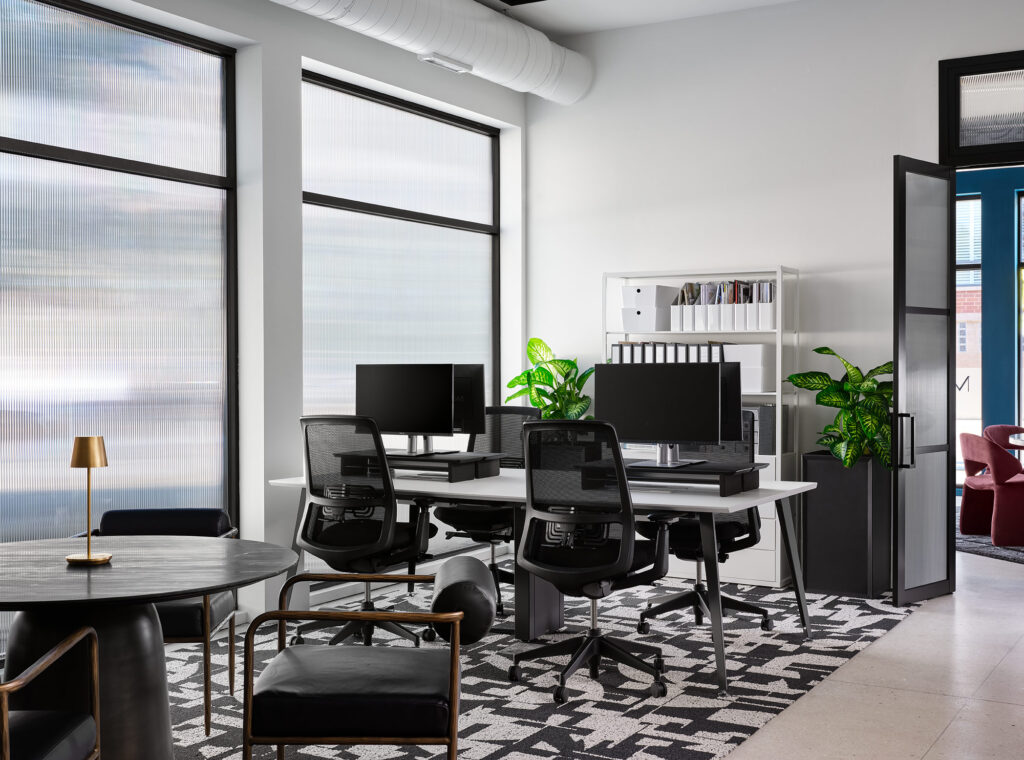
MS: The studio is intentionally unresolved. It’s not about finished vignettes, it’s about process in motion. Clients encounter material studies, works in progress, samples layered over time and conversations happening in real space.
What they gain is intuition. They can feel scale, texture, color interaction and spatial energy in a way no screen can replicate. The studio builds trust by making the thinking visible.