
Whether you’re headed to Vegas, Atlanta, Dallas, New York or abroad this Winter market season, you’re sure to notice some through-lines in vendors’ offerings. Informed by what ASID calls “optimistic reinvention,” in their 2026 trend predictions, home furnishing vendors are responding to customers’ craving for wellness and earthiness, products that value both playful imagination and stability.
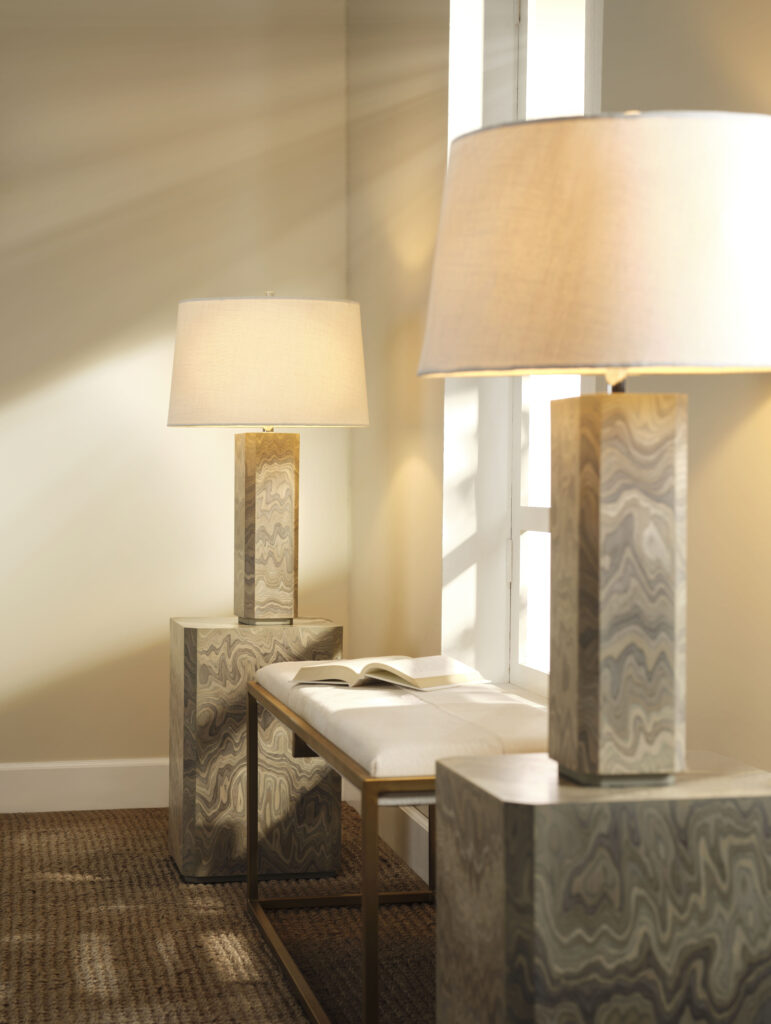
We spoke with designers, makers and prominent vendors who are at the forefront of these trends about how you can expect to see these themes reflected in this season’s colors, textures and forms at home furnishings markets and trade shows across the globe. Let’s take a look:
Wellness and biophillic design
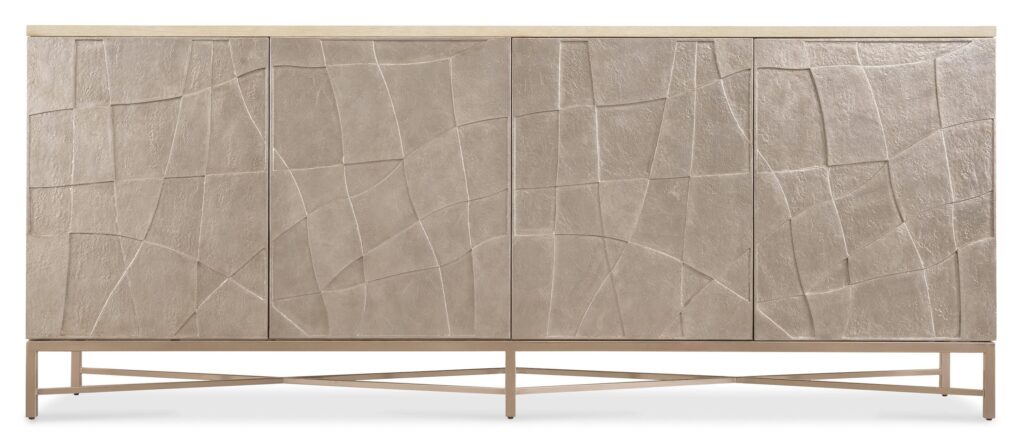
Wellness is front and center, and it is embedded directly into finishes and furnishings. Expect to see the following buzzy themes and products trending upward: non-toxic paints, mineral-based surfaces, biophilic materials and patterns and products designed to support both physical and mental health.
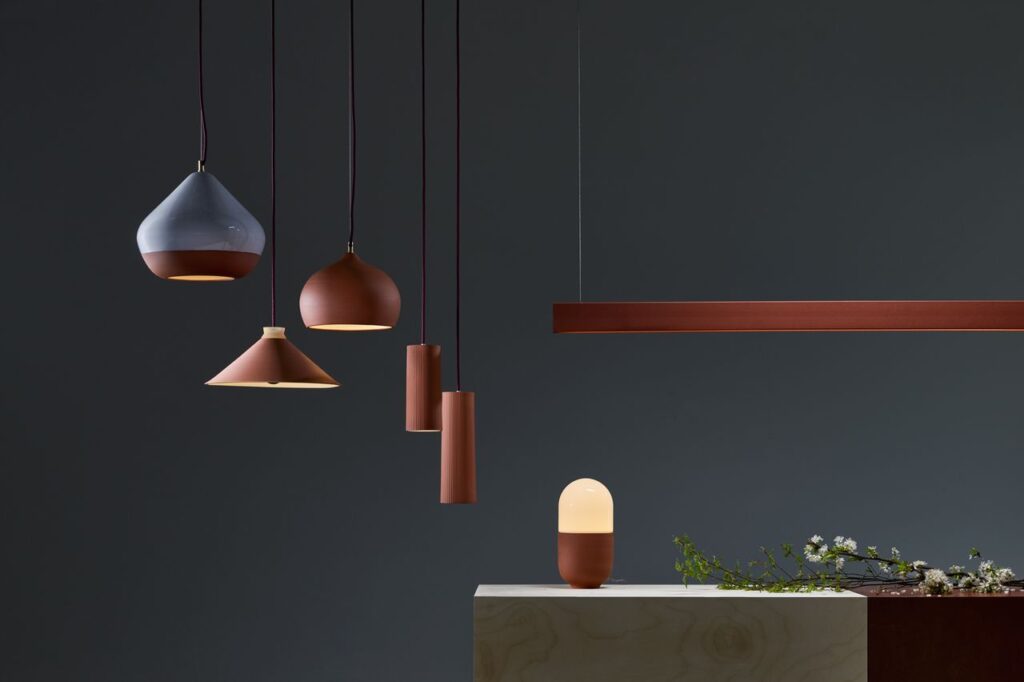
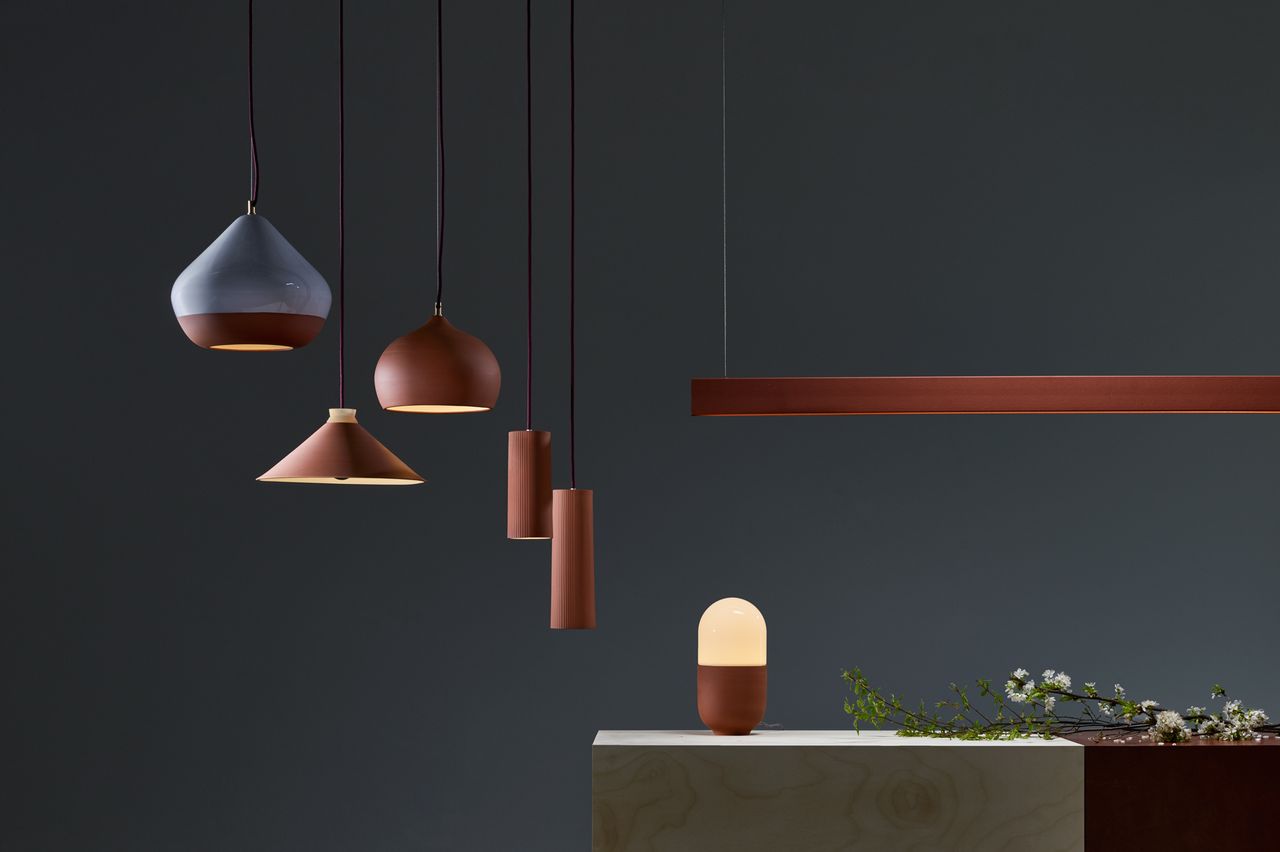
“The prominent trend we anticipate in 2026 is wellness-driven biophilic design—bringing nature’s beauty and healing elements indoors through non-toxic, natural materials,” says Price Latimer, co-founder and CCO of Alkemis Paint. She points to warmer mineral hues — terracottas, ochres and blue-greens — and matte, hand-applied textures as emerging trends. “We’re witnessing designers and clients actively shifting away from harmful ingredients and petrochemical dependency toward materials and finishes that nurture mind, body and planet.” (For more about this year’s color trends — and the controversy surrounding them, read here)
Designers are also seeing wellness reshape spatial programming. “Wellness once existed primarily outside the home, but clients are now fully integrating it into their daily environments,” said Jessica Alpert, principal designer at Jessica Alpert Design, citing red-light panels, whole-home filtration and steam ovens as increasingly standard requests.
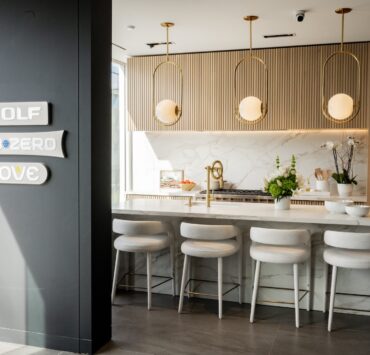
For Andrea Goldman, founder of Andrea Goldman Design, the shift stems from hospitality design. “Clients are asking for features that echo the ease of a well-run boutique hotel — floating bars, service kitchens, even in-suite coffee stations — details that bring a sense of quiet luxury to daily life.”
Natural textures, plush layers
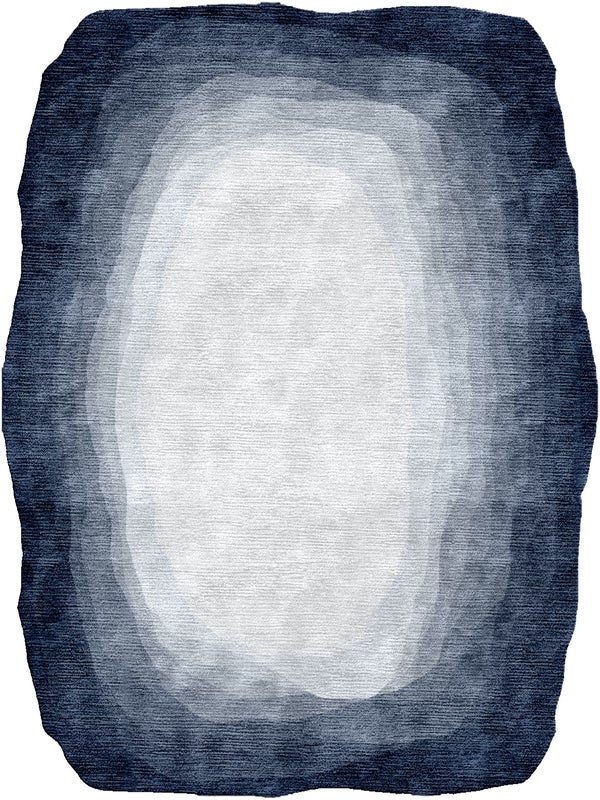
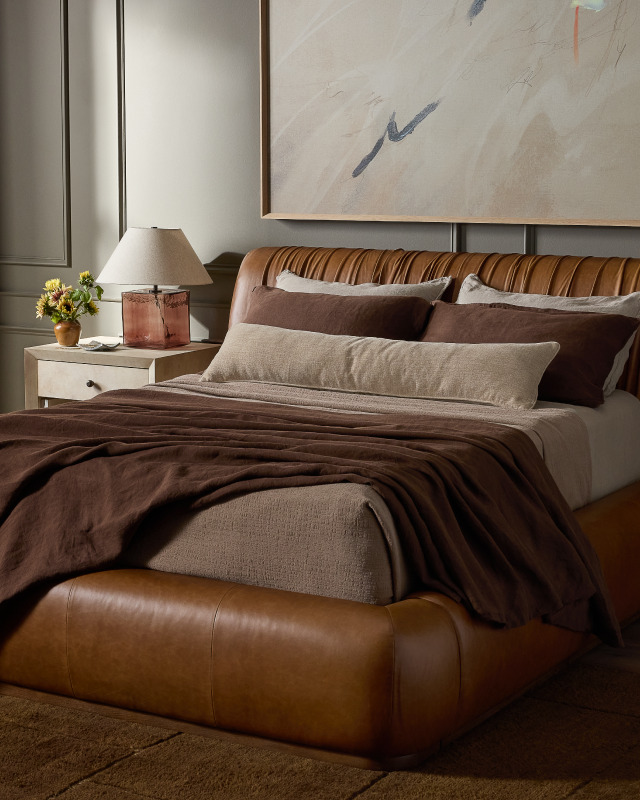
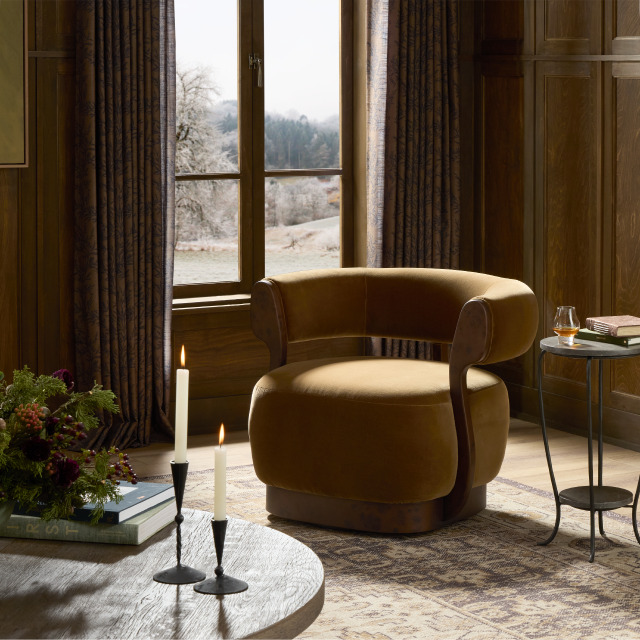
One of the clearest visual signals across Winter markets is high-low: Not in price points, but to describe the contrast in texture and room schemes with greater depth. From rugs and flooring to furniture and wall treatments, exhibitors are leaning into surfaces that invite touch and soften acoustics, expect to see rugged natural textures contrasted with ultra-plush and rugs with high-low construction.
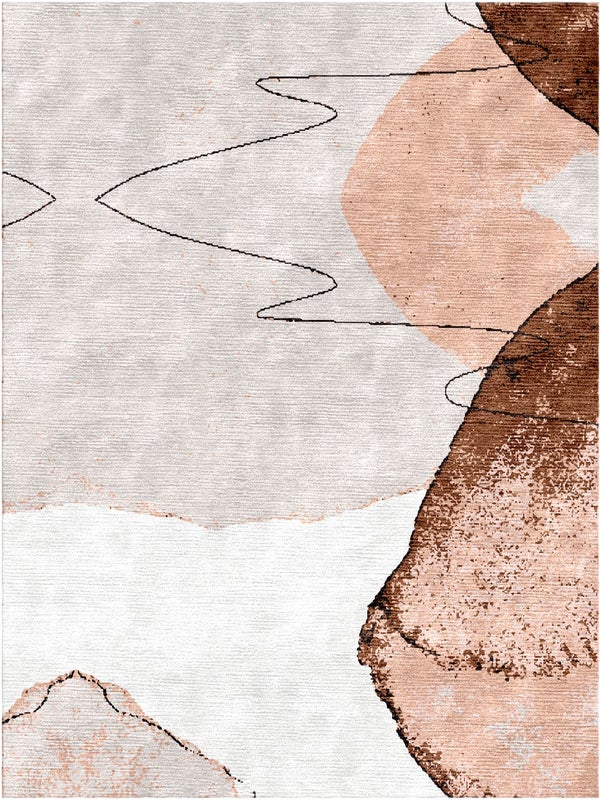
Flooring manufacturers, like Anderson Tuftex, tell us carpet is making a comeback, seeing an unexpected resurgence amongst designers. Wool and natural fibers are being specified for stairs, hallways and living areas, valued for warmth, acoustic comfort and sustainability.
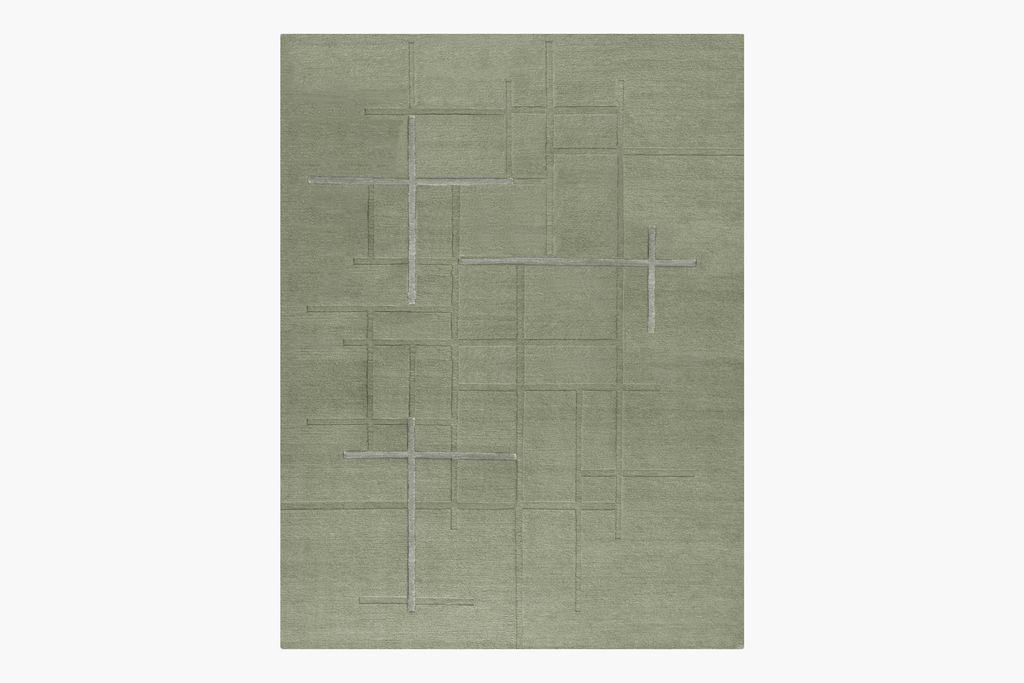
“I’m seeing browns come back in a big way, along with a return to color, especially greens,” said Ben Soleimani, founder and creative director of Ben Soleimani. “There’s also more demand for textured, high-and-low constructions in rugs. Across the board, performance and low-maintenance finishes are becoming non-negotiable.” (For more rug introductions, read here)
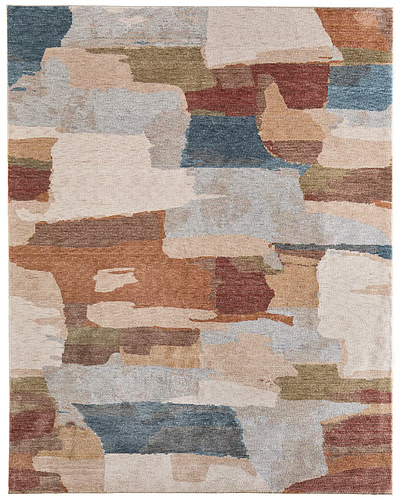
Modern heritage
Apple store-minimalism which dominated the past decade, is coming to a close. Winter 2026 markets suggest a pendulum-swing toward what many are calling Modern Heritage. Fromental’s new collaboration with designer Young Huh is a great example: Her Soru wallcovering translates traditional Korean Minhwa imagery into hand-painted silk panels, blending cultural history with contemporary composition. The collection reflects what many exhibitors are striving for: expressive ‘modern heritage’ that feels optimistic, meaningful and long-lasting, rather than trendy.
“As the design world looks ahead to 2026, one idea rises above the rest: a return to heritage, reimagined for modern life,” said Myra Nussbaum, vice president of global integrated marketing at House of Rohl. “After years dominated by cool minimalism, designers are once again embracing spaces that tell a story.”
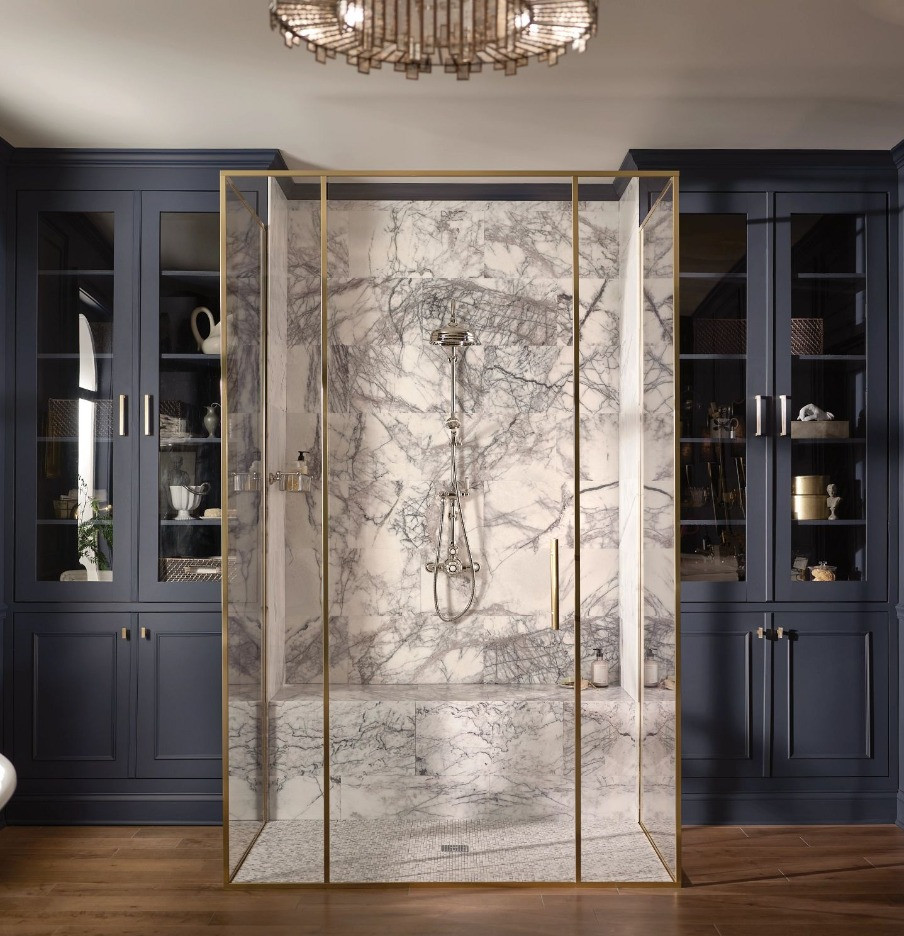
Rather than ornate revivalism, modern heritage is more subdued, as if shabby chic turned the brightness down on Guilded Age decadence. Warm metals, honed stone and architectural silhouettes replace decorative excess. “Modern Heritage is defined by quality, not quantity,” Nussbaum said, noting that fixtures and fittings are increasingly treated as statement pieces and meant to contrast with otherwise contemporary surroundings, united by deep or earthy color ways and free-form shapes.
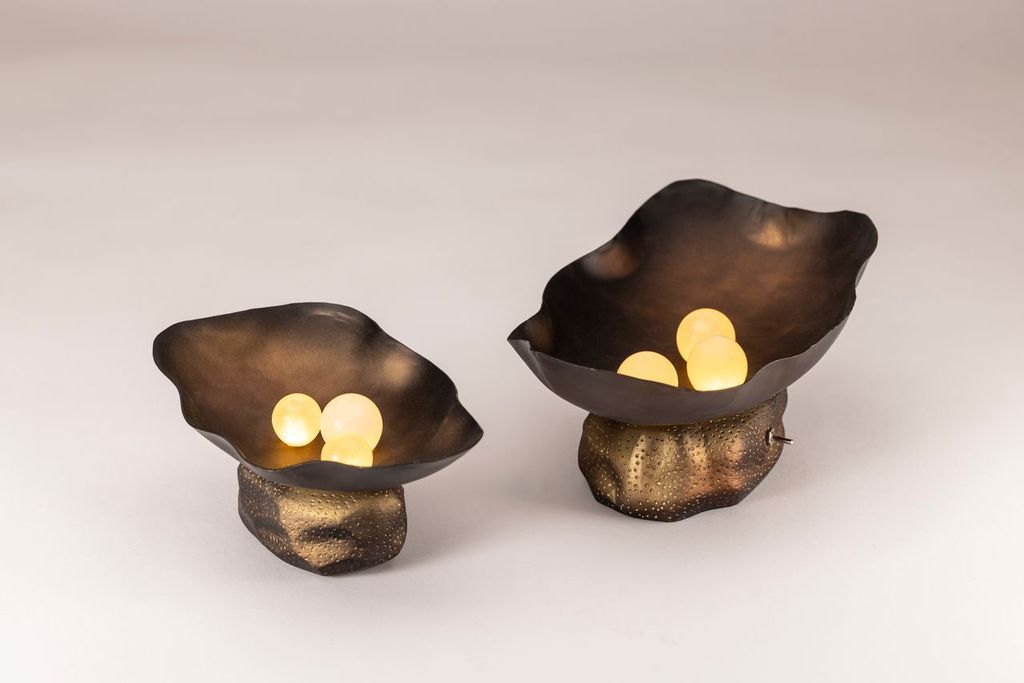
While Nussbaum is primarily seeing this carried out in kitchens and baths, designers see this shift playing out in furnishings and construction as well. “We’re sensing a collective desire for spaces that feel storied,” Goldman said. “Even within contemporary envelopes, there’s a subtle return to traditional forms and thoughtful millwork. It’s less about following a trend and more about creating a sense of personal belonging.” Speaking of which…
Craftmanship, built for everyday use
Across tabletop, furnishings and accessories, craft-led design is becoming less niche. Searches for the words “craft” and “craftsmanship” to describe home furnishings has seen a steady increase since 2024. “In 2026, craft-led design becomes the standard rather than the exception,” says Christy Caza, senior product development manager at Fable. “Products show subtle variation through texture and finish, offering warmth and personality while remaining practical, durable and accessible for daily life.”
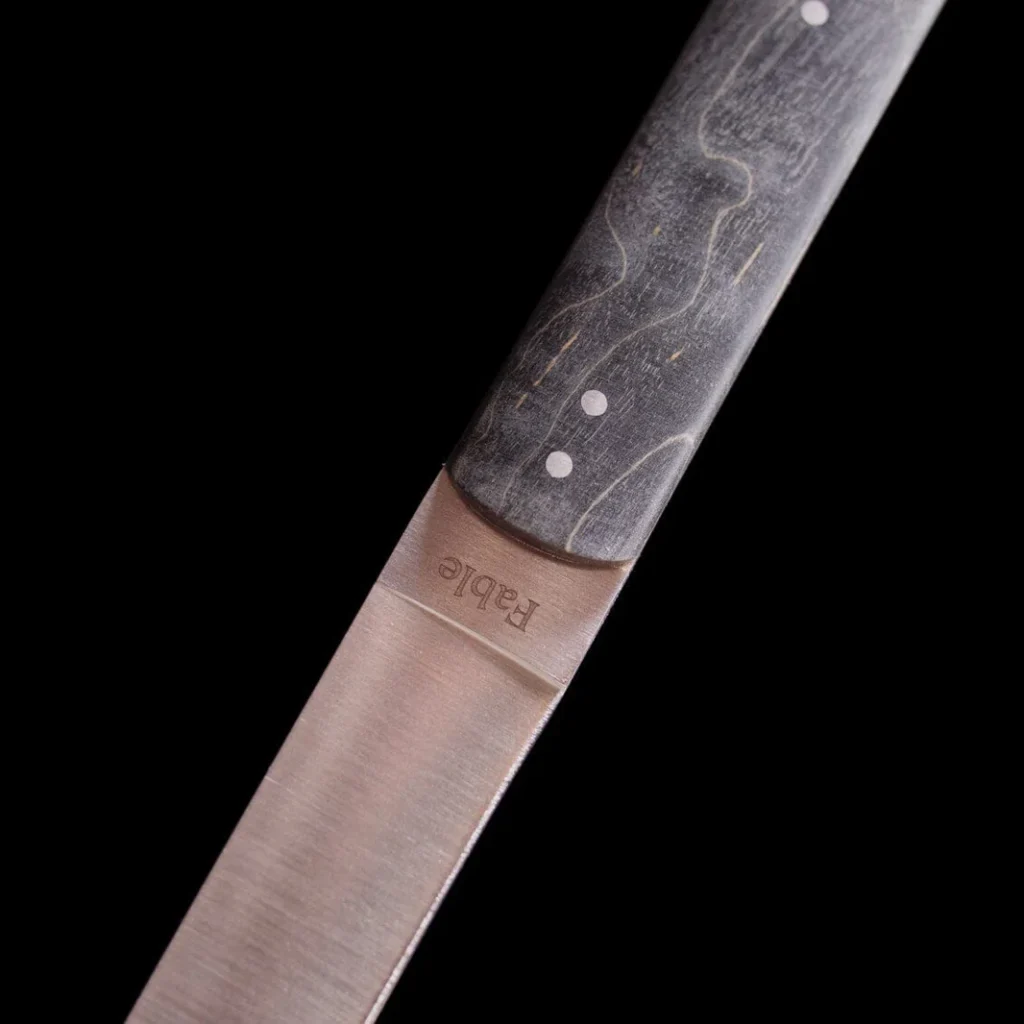
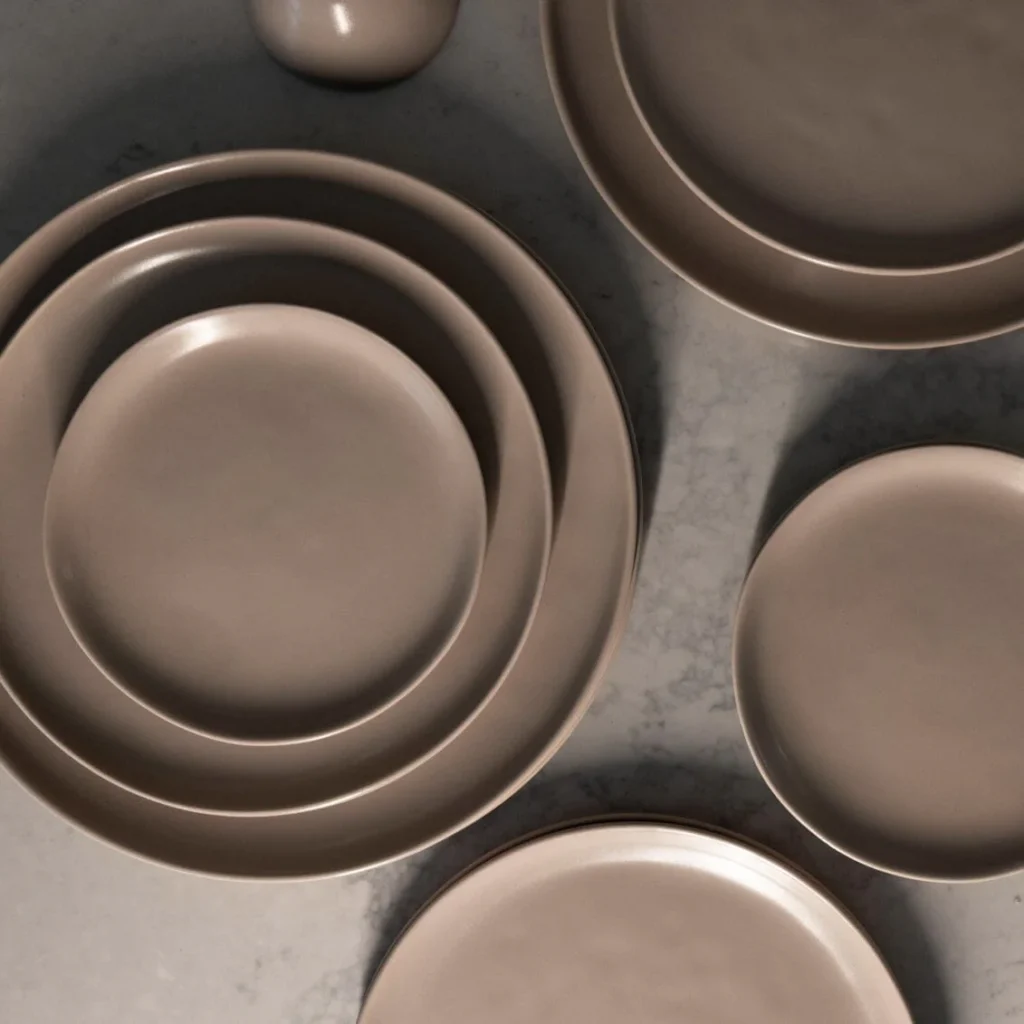
Balancing artisan sensibility without fragility is especially appealing to buyers navigating both residential and contract demands. The increased consumer demands for artisanal pieces without being too precious also corresponds to more millennials inheriting and taking a greater interest in antiques and becoming parents and homeowners.
Mineral neutrals and warm woods
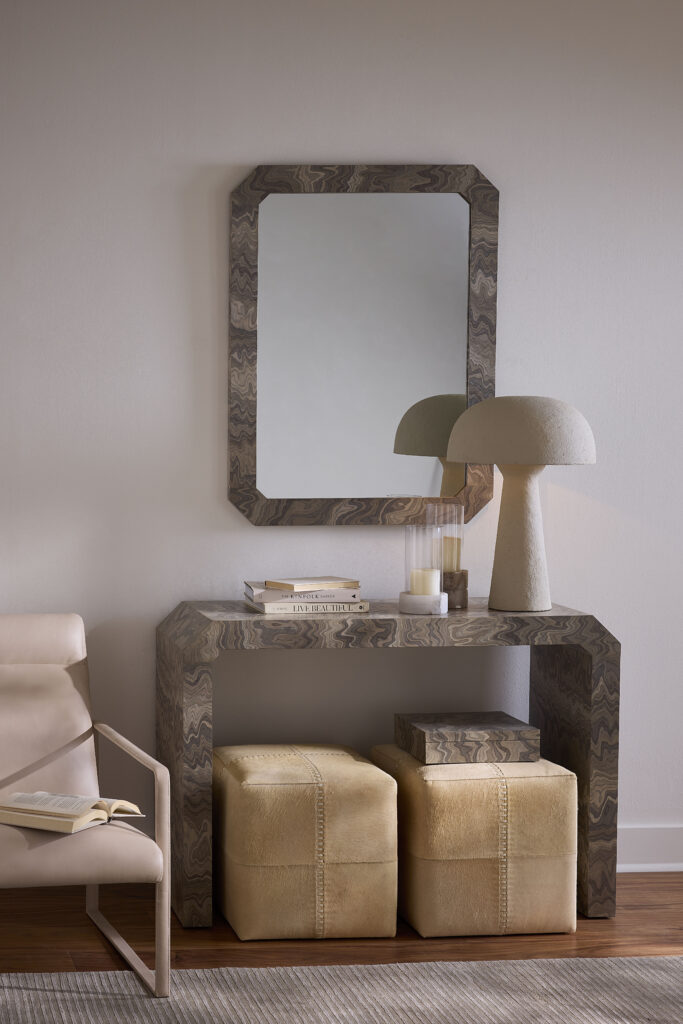
Bergs Potter’s chief product officer, Christian Richard Andersen, noted that while their brand avoids trendiness, its long-standing sandstone finish is having its moment, as it aligns naturally with the move toward soft, mineral neutrals. “It offers a timeless, versatile backdrop for plants in contemporary interiors,” he said, and you can expect to see plenty of these finishes in furnishings as well.
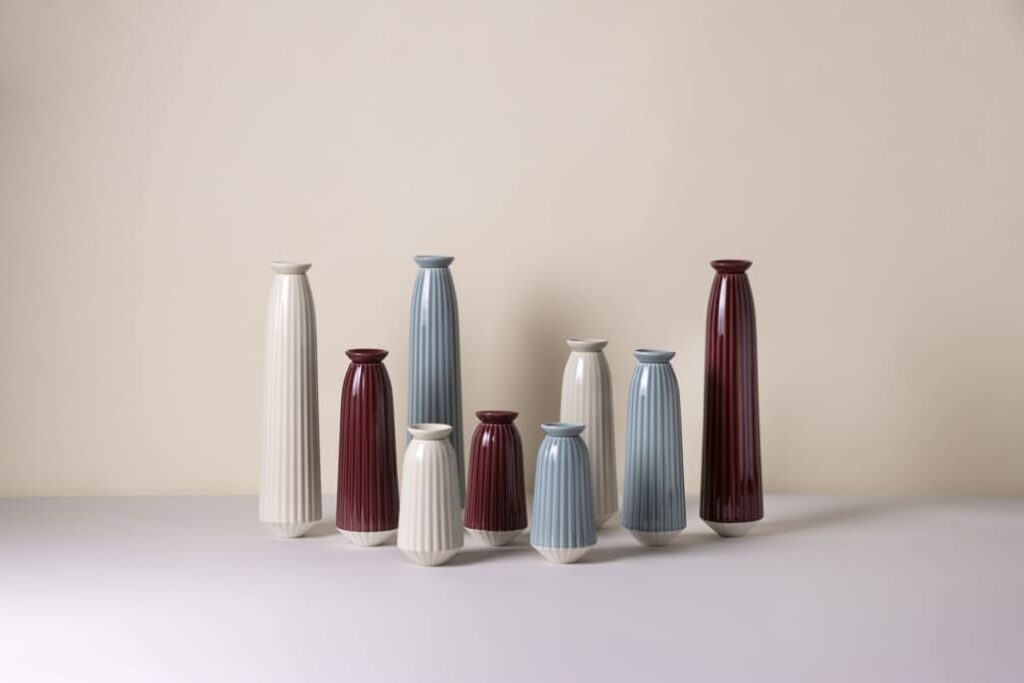
Designers cite browns, walnuts, mossy greens, teals and plum tones as the primary trending colorways. (Read more about the year’s color trends and the controversy surrounding them here). Color stories across Winter markets skew warmer and deeper, replacing the cool grays and pale blondes of recent years.
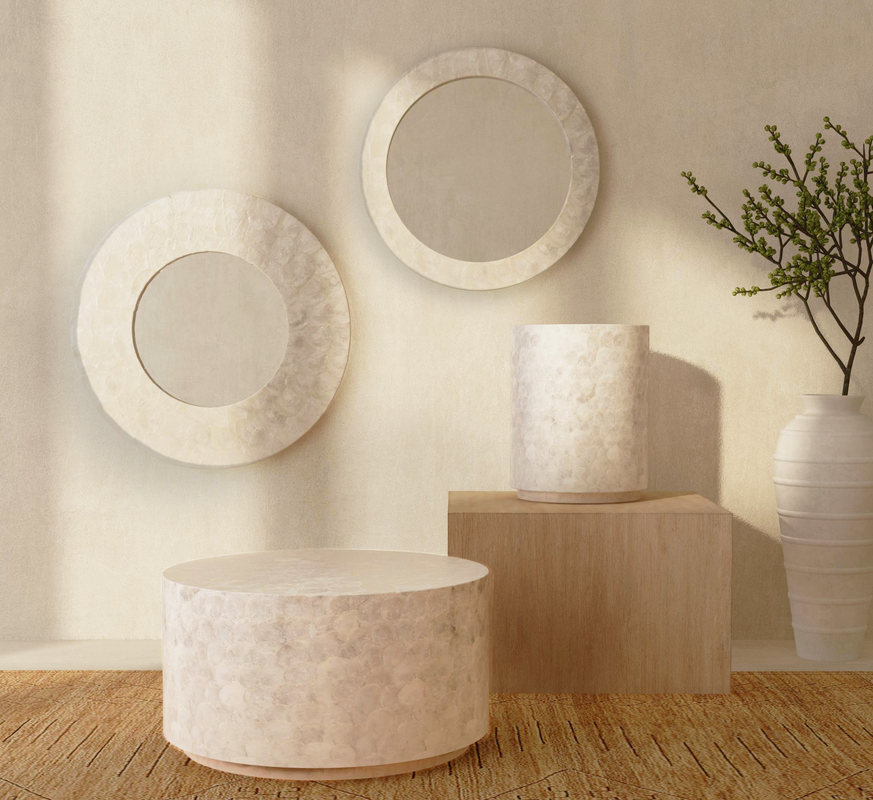
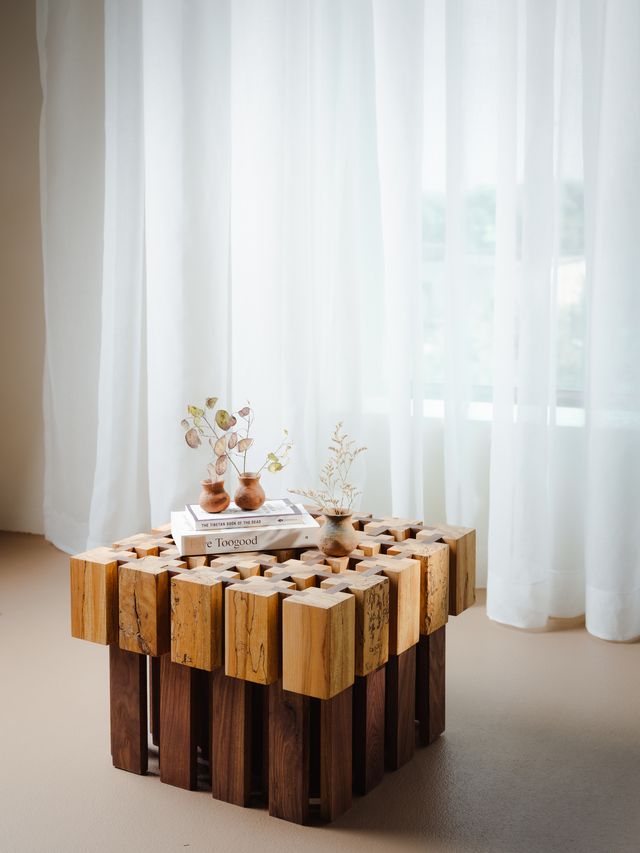
According to Anderson Tuftex, hardwood trends point toward visible grain, oil-rubbed finishes and warmer tones that develop patina over time. “Clients are gravitating toward rich palettes featuring deep browns, warm creams, and romantic mauve and plum tones,” Elizabeth Bennett and Mallory Robins, partners at KOBEL + CO tell us. “These colors pair beautifully with layered materials, helping spaces feel nostalgic, personal and lived-in.”
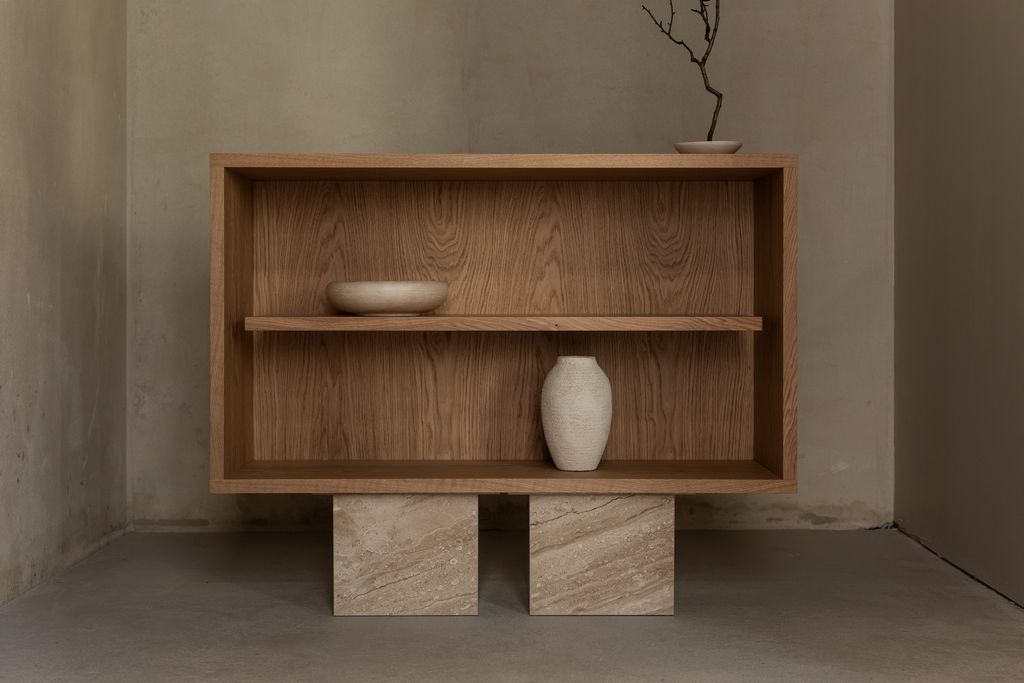
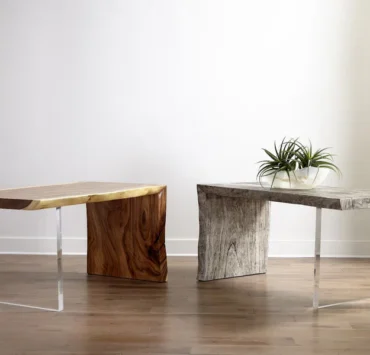
Alpert agreed, noting a move away from uniform blonder wood tones. “Rift oak has had its moment. We’re seeing a shift toward woods with more character — walnut, cherry, maple — creating warmth and depth across the home.”
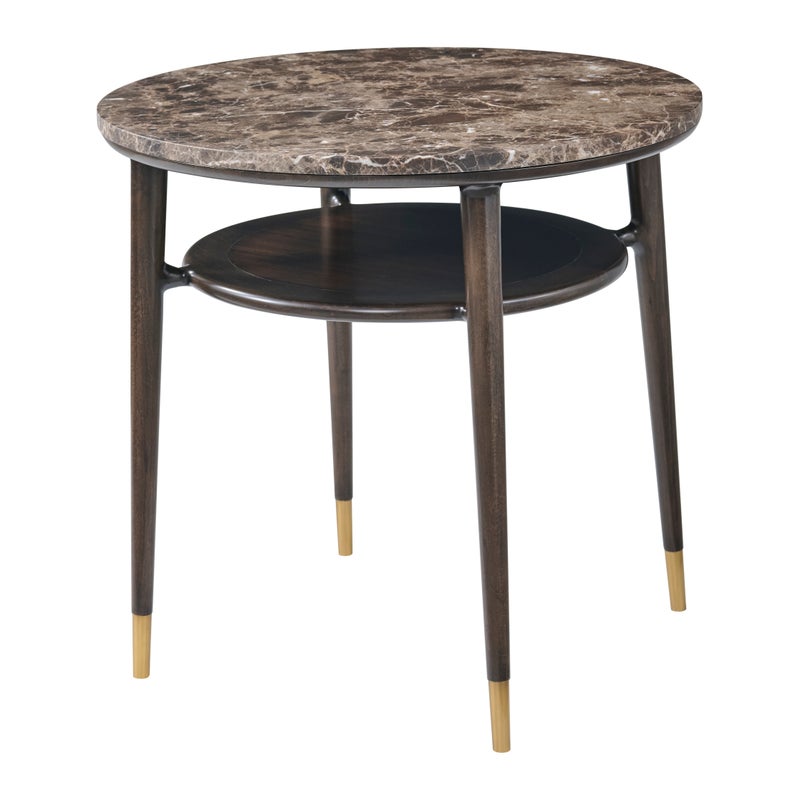
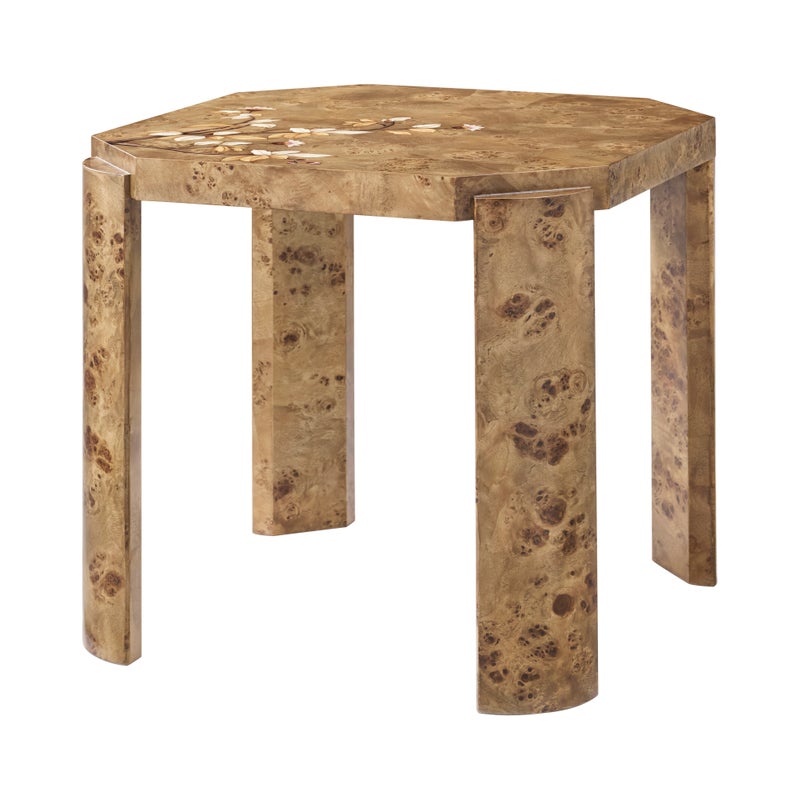
Across markets, buyers should expect to see fewer gimmicks and more substance: products that age gracefully and support wellbeing, with an earthy material and color story.