

The National Kitchen & Bath Association, owners of the Kitchen & Bath Industry Show (KBIS), kicked off KBIS on Monday, February 16, 2026, with the highly anticipated NKBA Design + Industry Awards gala at the Rosen Centre Hotel in Orlando, Florida. The annual celebratory event brought together trailblazing designers, media and brand executives to recognize top kitchen and bath industry talent.
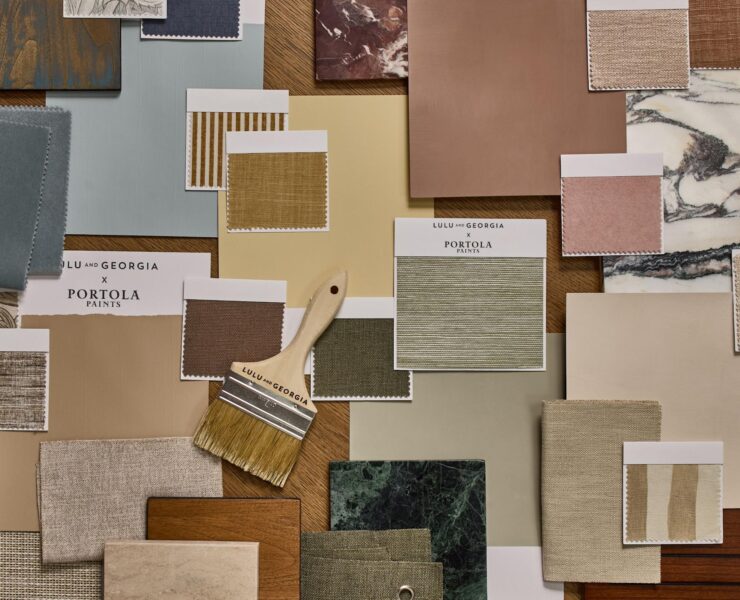
Lulu and Georgia offers wallpaper on its site, but this is the brand’s first foray into paint. The new palette includes spring-forward shades — yellow, pink, blue and green — as well as elevated neutrals of beige and tan. Each color is available in ultra flat, eggshell and semi-gloss acrylics, plus Roman clay and lime wash finishes. Like other Portola Paints, they are low odor and contain no VOCs.

Expanded funding boosts scholarship opportunities for annual student event in High Point

Tim Barber Architects’ decade-long renovation of L.A.’s Jonathan Club is a case study in material sourcing, adaptive reuse and designing for longevity, with lessons that reach far beyond historic preservation

The New York Winter 2026 edition captured a spirit of discovery, community,
curation, and energetic business opportunities

Design and build operating system expands leadership team with seasoned industry operator
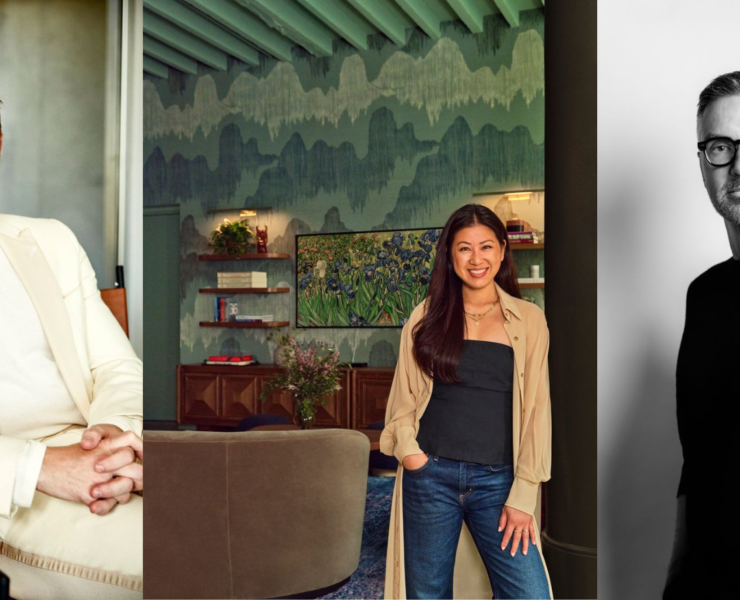
Together, Berk, Cheng, and Orsman will be introduced at KBIS 2026 in Orlando, where they will tour the show, exploring the latest trends, product debuts, and innovations from global kitchen and bath manufacturers and documenting their experience for their social audience.
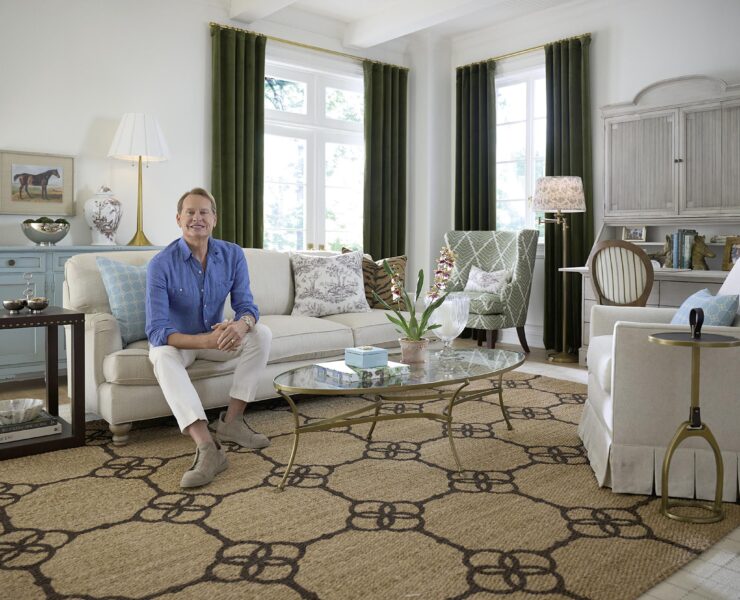
National retailer Ballard Designs enthusiastically debuts new stylish, equestrian-inspired product line designed by TV star Kressley exclusively for the brand.

Williams Sonoma is becoming one of the first companies to test ads in ChatGPT. As an early participant, Williams-Sonoma, Inc. will explore how advertising in ChatGPT can reach customers at decision-making moments, helping surface relevant, high-quality products while preserving the trusted and transparent user experience both companies value.
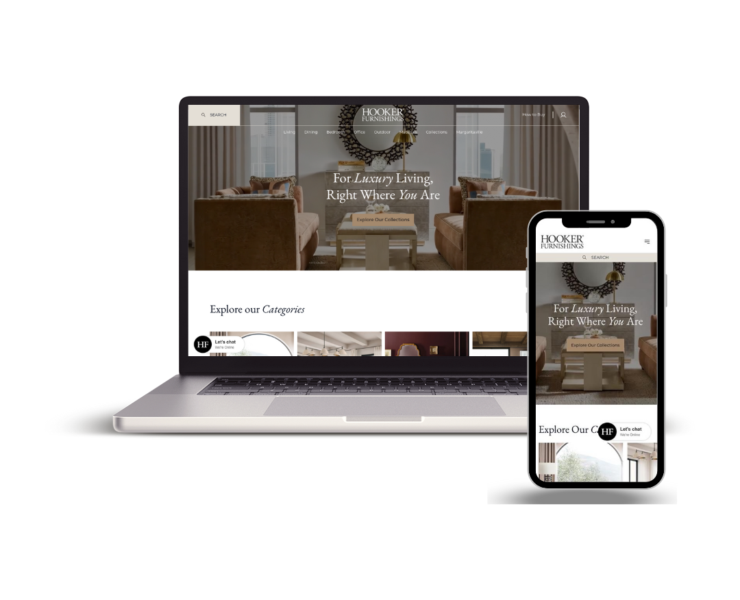
The platform was built in collaboration with Adobe and Jola, whose expertise helped realize the company’s vision for a unified, high-performance digital experience. The website is more than just a digital update — it is a full operational overhaul, providing users with live inventory updates, detailed product dimensions, a personalized dashboard for both customers and reps, and mobile ordering for on-the-go convenience.