




modern residential design
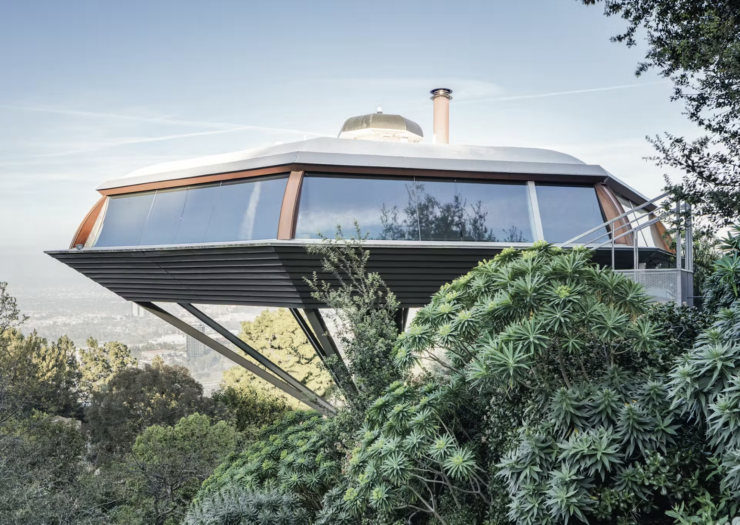
This article examines the humanist dimension of John Lautner’s architecture through his integration of structure and landscape in postwar Southern California. Tracing influences from Frank Lloyd Wright’s Organic Architecture to Lautner’s “total concept” approach, the piece situates iconic works such as the Polin House and the Chemosphere within a broader cultural context shaped by film and popular media. These houses are read not merely as formal experiments but as emotional and psychological environments that frame solitude, desire and retreat.
By linking architectural form to cinematic narratives and lived experience, the essay argues that Lautner’s work extends beyond spectacle into a philosophy of dwelling grounded in nature. His buildings function as instruments of communion with the environment, offering their occupants both refuge and confrontation with the vastness of the landscape. In doing so, Lautner emerges as a central figure in a distinctly Californian strain of modernism that unites humanism, technology and terrain.
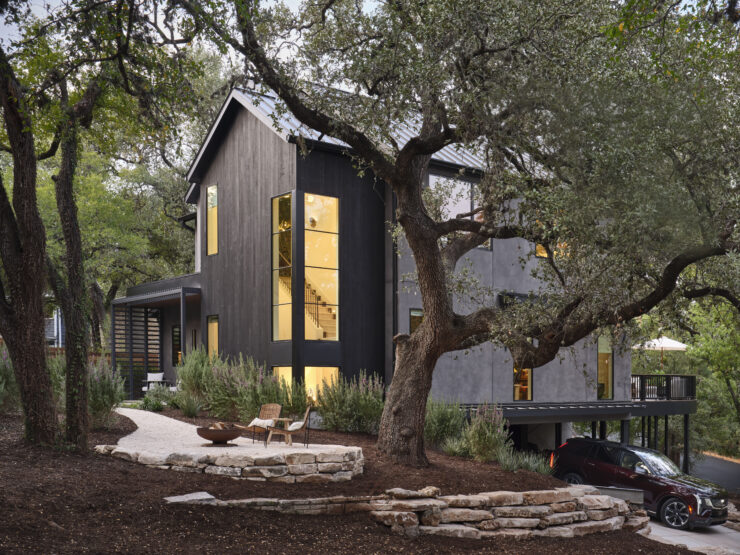
Step inside House Beautiful’s 2025 Whole Home, where Austin designer-developer Sara Malek Barney of BANDD/DESIGN bridges luxury hospitality and residential comfort in a stunning new build in the city’s Deep Eddy neighborhood. Discover how she turned a nine-month sprint into an urban treehouse that redefines livable design and everyday luxury.