
Nicole Ficano Loves Beautiful Things—and a Really Good Spreadsheet

The Workshop/APD principal reveals why budgets, responsibility and emotional bank accounts matter just as much as a beautifully composed room.
When looking at Ficano’s work and interviewing her, two things are immediately evident – both she and her work are exquisitely composed and elegant with a large dash of warmth. She is at once strong, yet reserved, poised and definitively intelligent with a keen eye.
Ficano loves beautiful things. She loves the sculptural pull of a one-of-a-kind table, the integrity of a properly restored vintage chair and the tension created when Parisian elegance meets contemporary furniture.
She also loves a spreadsheet.
That may sound like an unlikely combination until you speak with the Workshop/APD principal, whose approach to design is grounded as firmly in budgets, function and accountability as it is in artistry.
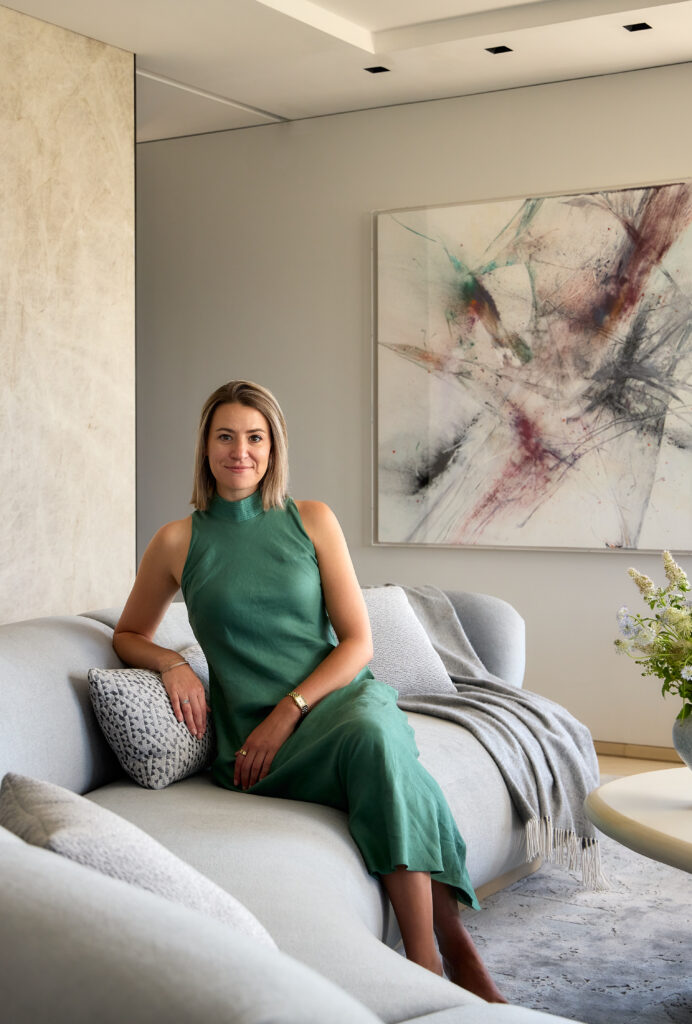
“As a creative, I also love numbers,” Ficano says. “It’s almost like a puzzle to me. I love challenges and puzzles. I’m like, ‘OK, how can we grow, and what are the pieces that need to fit?’”
It is a rare duality—and one that has helped Ficano build not only beautiful interiors, but also the teams and systems required to deliver them.
Learning the business behind the beauty
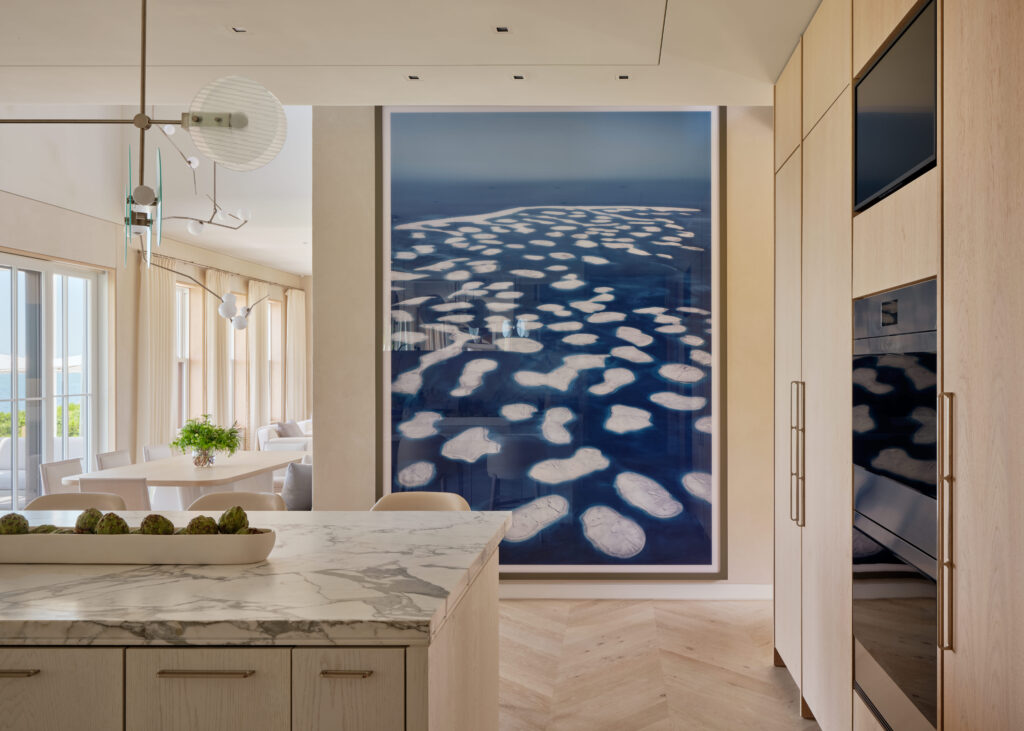
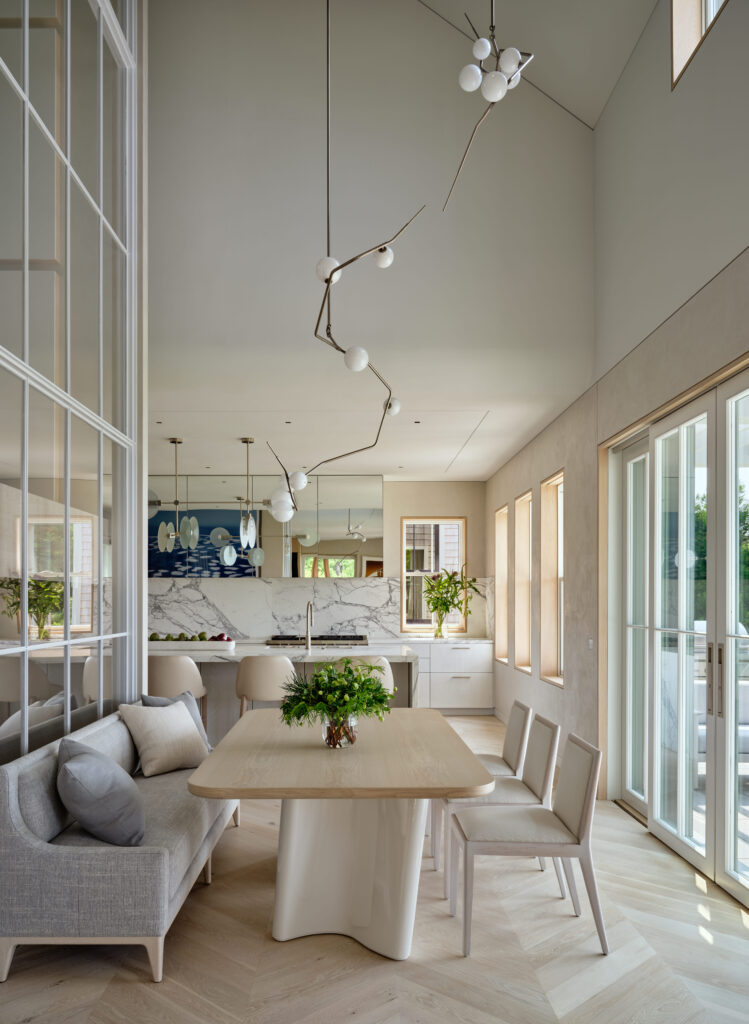
Ficano grew up in Westchester, New York, and remained close to home for college in upstate New York. After graduating, however, she made a move that surprised her family: She headed west to Los Angeles.
“There’s a huge design community out there where I want to be,” she recalls telling her family.
In Los Angeles, Ficano joined a small, high-end residential design firm in Beverly Hills. With only three people on the team, narrow job descriptions weren’t an option. She helped take projects from beginning to end, handling everything from design execution to bookkeeping.
“I had to wear so many hats and really own projects from start to finish independently,” she says. “I even learned how to do accounting and did all the books. It was a lot of hands-on experience—and definitely an experience in how to run a business.”
Her education began even earlier during an internship with a sole practitioner in Greenwich, Connecticut, who invited Ficano into the operational side of the firm. It was a gift she didn’t fully appreciate until she realized how little business education most young designers receive.
“We didn’t learn any of that in college,” she says. “I remember emailing my professors two years later and saying, ‘You guys need to teach this stuff.’”
Design software, markup, budgeting and billing may not inspire the same excitement as materials or color, but Ficano believes they are essential to sustaining a creative practice. That early exposure gave her something many designers spend years trying to acquire: a working understanding of how creative decisions affect profitability.
Transparency builds trust—and profitability
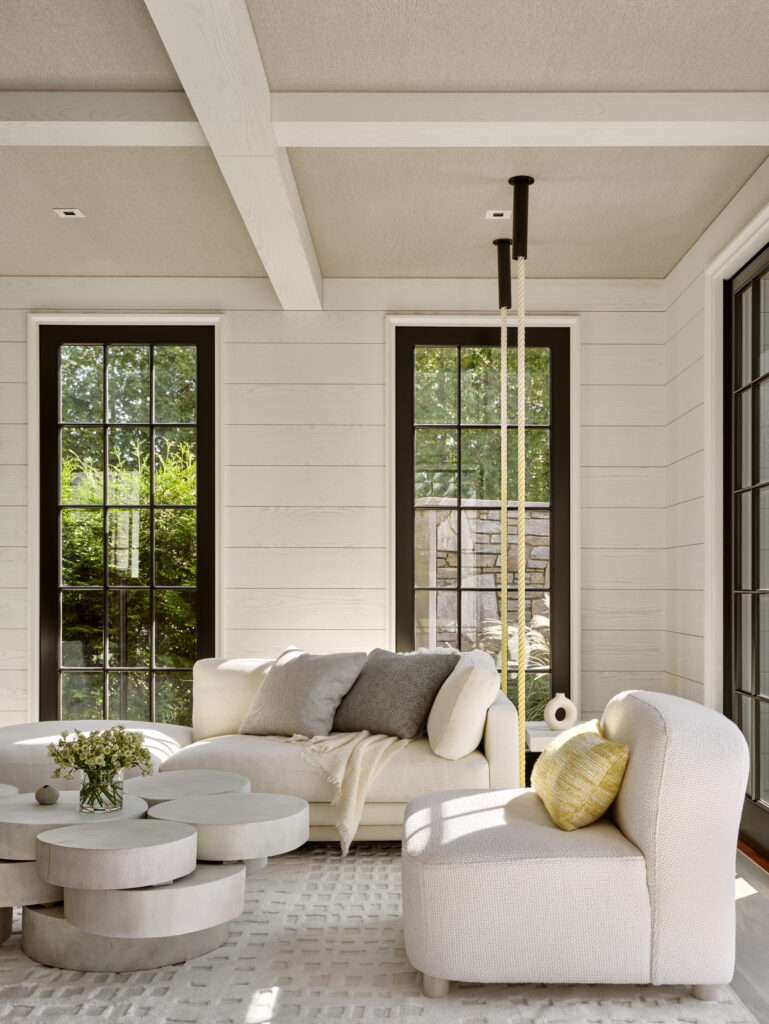
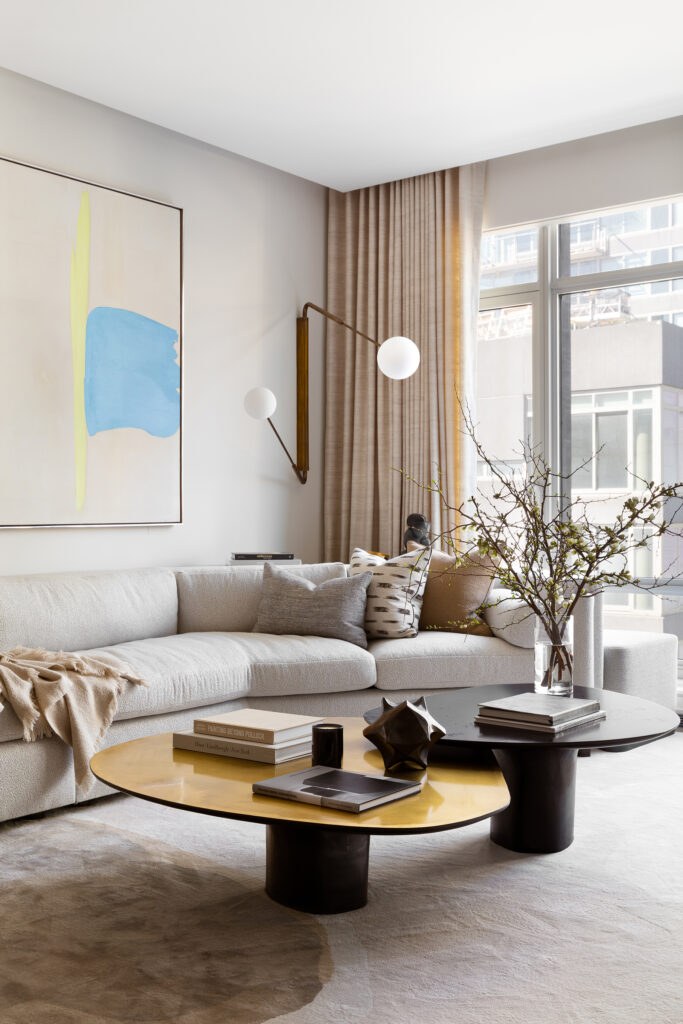
Today, Ficano applies those lessons at a significantly larger scale. Her interior design team at Workshop/APD has grown from roughly six people to about 20, supporting the multidisciplinary firm’s expanding portfolio of architecture, interiors and product design.
Despite the size and sophistication of its projects, the foundation remains refreshingly straightforward: Establish a realistic budget early, talk honestly about money and spend the client’s resources responsibly.
“I would want someone to spend my money as if it were their own,” Ficano says. “If we show you a side table that costs X amount in a budget, we’re not going to give you options that are three times that amount.”
The budget conversation begins before the firm is even hired. Prospective clients receive high-level estimates for furnishings and fees, often based on anticipated cost per square foot. The point isn’t merely to put numbers on the table. It is to determine whether the relationship will work for both sides.
“At the end of the day, it is design, but it’s a business,” she says.
Once the scope and floor plan are established, those initial estimates evolve into an itemized budget with real numbers assigned to individual pieces. Markup is identified separately and transparently from the beginning.
“There’s just no hidden anything,” Ficano says. That openness allows the firm to spend more responsibly while ensuring clients feel comfortable throughout the process.
And that transparency has become one of the firm’s most effective trust-building tools—and, perhaps counterintuitively, one of its keys to profitability. Clients gain confidence that the designers understand both their aesthetic ambitions and their financial boundaries. The design team, in turn, gains a clear framework to work within.
Design and spending, Ficano says, “have to go hand in hand.”
Be responsible
If there is one principle running through Ficano’s work, it may be this: Be responsible.
She says it frequently to her team, particularly when a selection is beautiful in isolation but wrong for the person who will ultimately live with it.
“I’ll say, ‘That’s irresponsible. That costs too much money,’ or, ‘Think about where this is going. This client has little kids, and you’re showing me a white rug. That’s irresponsible.’”
Responsibility, in Ficano’s practice, isn’t synonymous with restraint. It means understanding who the client is, how the family lives and what a room will be asked to withstand after the installation photographs have been taken.
It also means rejecting the idea that luxury must be precious.
“A lot of our clients want real life,” she says. “They don’t want to have to worry about a child or a grandkid spilling something. They don’t want precious things. They want to feel comfortable in their environment.”
Ficano’s conviction is partly rooted in childhood memories of a formal living room no one was allowed to use. Her mother occasionally sat in it alone simply because, as Ficano recalls, “It was a room.”
The absurdity stayed with her.
“You have to create purpose in your rooms, and you have to create function,” she says. “Otherwise, what’s the point? You can have a house full of rooms no one goes into, and then your design isn’t appreciated.”
For Ficano, function isn’t the less glamorous counterpart to beauty. It is what makes beauty relevant.
“If it doesn’t function, it’s not good,” she says.
Furniture with a maker’s hand
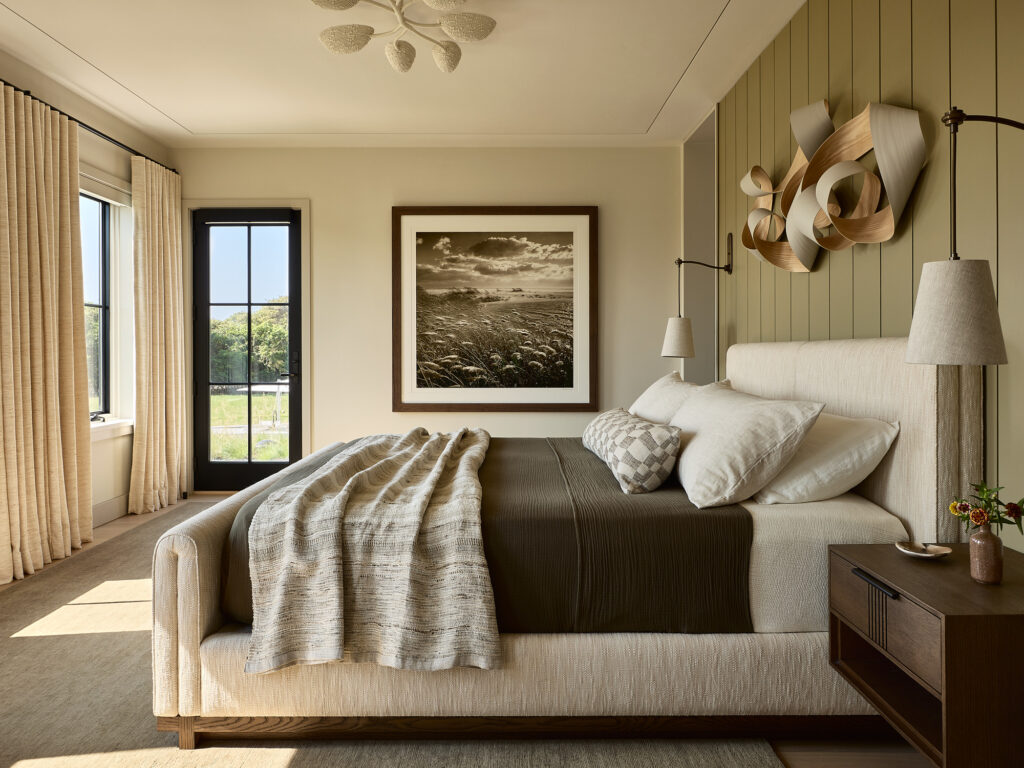
After returning to New York, Ficano joined Amy Lau Design, where she deepened her understanding of collectible design, commissioned furniture and vintage restoration. It was there that she learned to see a piece of furniture not simply as a product, but as the expression of a maker’s knowledge.
Restoration was not merely a matter of applying new upholstery. It required understanding the original materials and construction, then preserving the integrity of the piece.
That respect for craft continues to shape her work at Workshop/APD, where she advises on concepts for Workshop Collection as well as the firm’s product collaborations, including its work with Arteriors and Sutherland.
“We’re not just designers who render something and send it to a factory,” she says. “We’re partnering with artisans who are really creating a craft for us.”
The distinction matters. A maker brings texture, touch and expertise to a design—qualities that cannot always be specified on paper. For individual projects, the firm might commission a light fixture, table or credenza from an artist whose sensibility feels uniquely right for the room.
Explaining the value of such pieces to a client can require some persuasion.
“You really have to show that this isn’t just a furniture piece,” Ficano says. “It’s an artist. It holds value. It’s like something you can hang on the wall.”
The reward comes when the finished piece arrives and could belong nowhere else: something conceived for that client, that architecture and that singular moment.
Filling the emotional bank account
Ficano may be direct—and, by her own admission, decidedly “down to business”—but her philosophy of responsibility extends beyond projects and clients. It also applies to the people she leads.
One of the most meaningful lessons came from a senior designer on her team: Everyone has an emotional bank account. Leaders have to keep filling it so that, when difficult moments arrive, their teams have something to draw upon.
“If you fill it often enough, then they’re able to weather the storms with you,” Ficano says. “I think about that every single day.”
For someone who appreciates the certainty of numbers, it is an unexpectedly tender metaphor. Yet it explains much about Workshop/APD’s collaborative culture—and why some employees have remained with the firm for more than 20 years.
“As much as I lead the design, it is definitely the designers and the team behind them who make it all possible,” she says. “I always remember to take a minute and remember that we’re all human. Whatever I give to you is what I’m going to get out of you.”
That doesn’t mean lowering expectations. It means recognizing that the ability to meet high expectations depends upon trust, acknowledgment and mutual respect.
The composition behind the beauty
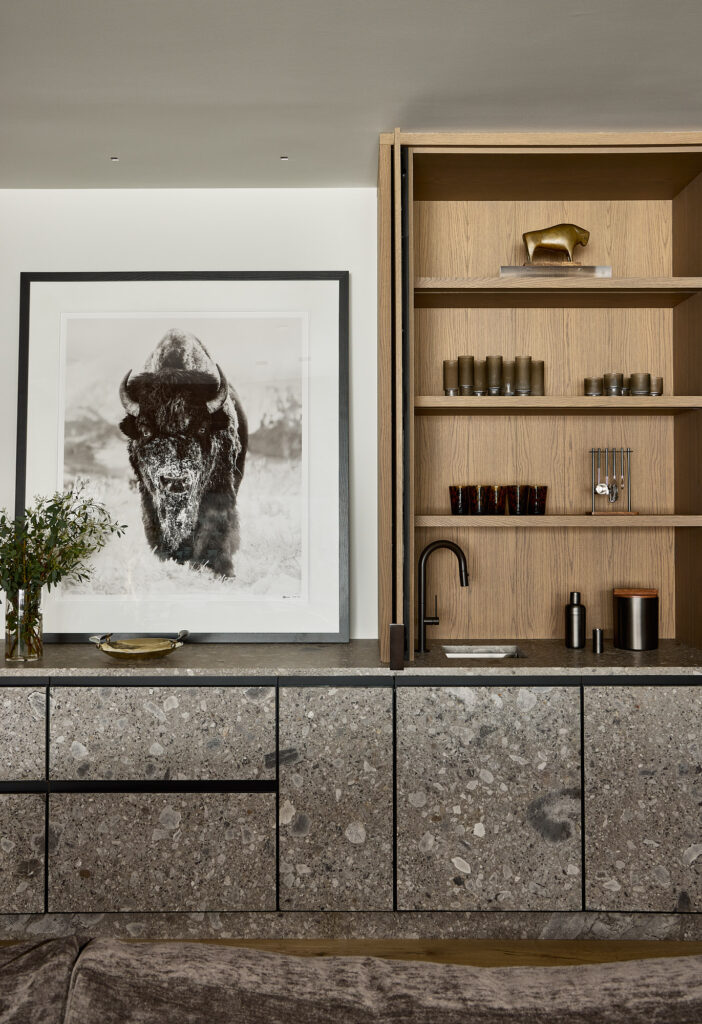
Ficano’s own aesthetic leans toward what she describes as “Parisian chic”: tailored interiors rich in trim and prewar character, balanced by modern furnishings. Workshop/APD’s Pre-War on the Park project, a Central Park West residence combining historic architectural details with contemporary function, is among the clearest expressions of that sensibility.
But style is only one layer of her story.
Ficano’s career has been shaped by an understanding that beautiful design demands more than a keen eye. It requires financial fluency, functional thinking, respect for craft and responsibility to the client—as well as the ability to build a team that feels valued enough to weather the inevitable storms.
It turns out that Ficano’s love of a perfectly restored vintage chair and her affection for a perfectly organized spreadsheet are not contradictions at all. Both reflect the same instinct: to understand how every element works, where it belongs and what it contributes to the whole.
Like the interiors she creates, Ficano herself is exquisitely composed—but never precious. Strong yet warm. Elegant yet practical. And always, down to the last detail, beautifully considered.