

Arianne Bellizaire redesigns the firm around the work she loves

The interior designer on trusting her intuition, narrowing her client list and building a business that gives her more room to design.
Arianne Bellizaire appreciates a good org chart. She came to interior design from corporate America, where a neatly drawn hierarchy could tell you exactly where you might go next. So when she looked at the firms she admired, with their multiple locations and specialized teams, she saw a blueprint for her own. Then she had 10 people in the office and discovered where that blueprint put her. She was finding leads, selling projects and fielding the approvals clients still wanted from her. Her team got to do the creative work she’d gone into business to do.
Bellizaire tells me she loved the energy of a collaborative office and the satisfaction of giving people clearly defined roles. The economics were another matter. A bigger payroll meant charging more and taking on enough projects to keep everyone busy. She was losing sleep and dreading going into the office. When she finally wrote down what she wanted her working life to look like, the picture was considerably smaller than the one she’d been building.
It might include two substantial residential projects with clients she genuinely wanted to work with. Commercial jobs would give her creative latitude and help cover operating expenses. A smaller, virtual team could work when its members did their best work. And Belizaire could step away from the office to teach, speak, or develop a brand collaboration without feeling she had to account for her whereabouts.
“I don’t feel compelled to take every project that comes to me,” she says. “I can really be discerning.”
The art of listening
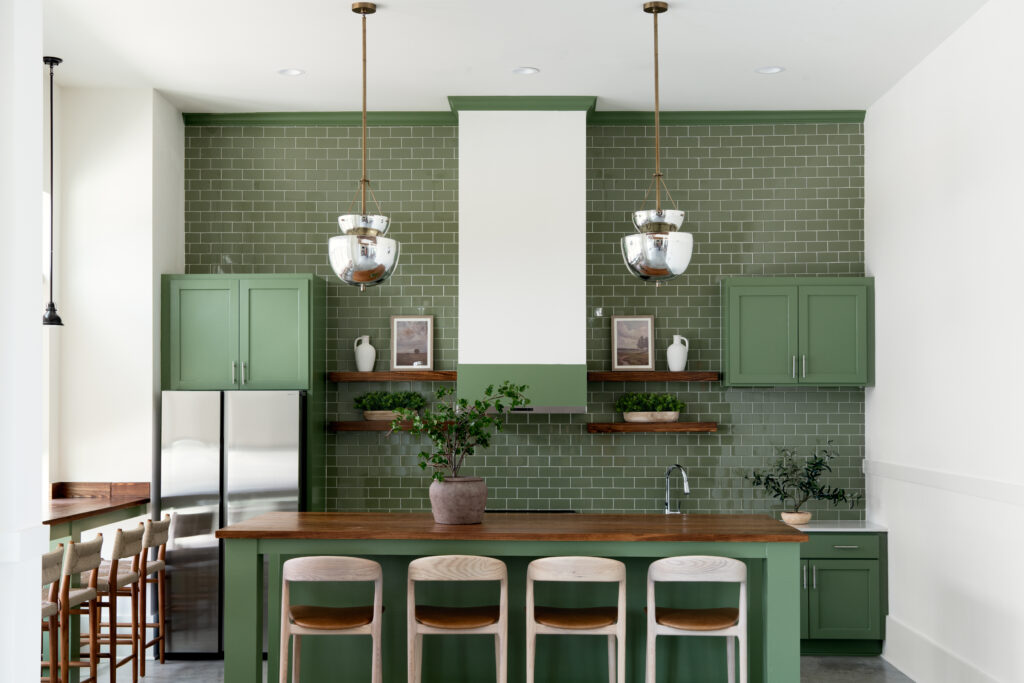
When Bellizaire entered the profession, she thought a recognizable aesthetic would establish her authority. She’d develop a strong point of view and attract clients who wanted her stamp on their homes. Spend time with her now, and you’ll hear more about the questions she asks than the look she sells. Where have her clients traveled? What does their culture mean to them? How might the home accommodate the people they’re becoming? Even when designing a showhouse space, she invents a client with a life beyond its four walls.
Early in our conversation, Bellizaire closed her eyes while answering a question. I recognized the habit and asked her something I hadn’t planned to ask. Did she consider herself intuitive?
“I have learned that’s my superpower,” she says.
For much of her career, she looked for the data or logic that would help her explain what she already sensed. Working in television taught her how much she could learn in the time it took to walk through a home. She met families who were up in the air, with little time and sometimes few words, to tell her what they wanted. She had to take in what worked about the house, what got in their way, and what they said in passing, then tell her team what needed to change to get the job done on a five-day timeline.
Residential work gives her more time to listen. It also gives her a front-row seat to the negotiations that can make a decision about a room feel like a family referendum. With one couple, the team agreed early on that each room would have a designated decision-maker. When one partner’s confidence began to sway the other, Belizaire could return to that agreement and give the person with the final say enough room to exercise it.
“I want you to have what you love,” she says. Getting there sometimes means asking a client to stop looking long enough to recognize that they’ve already found it.
What a picture can tell you
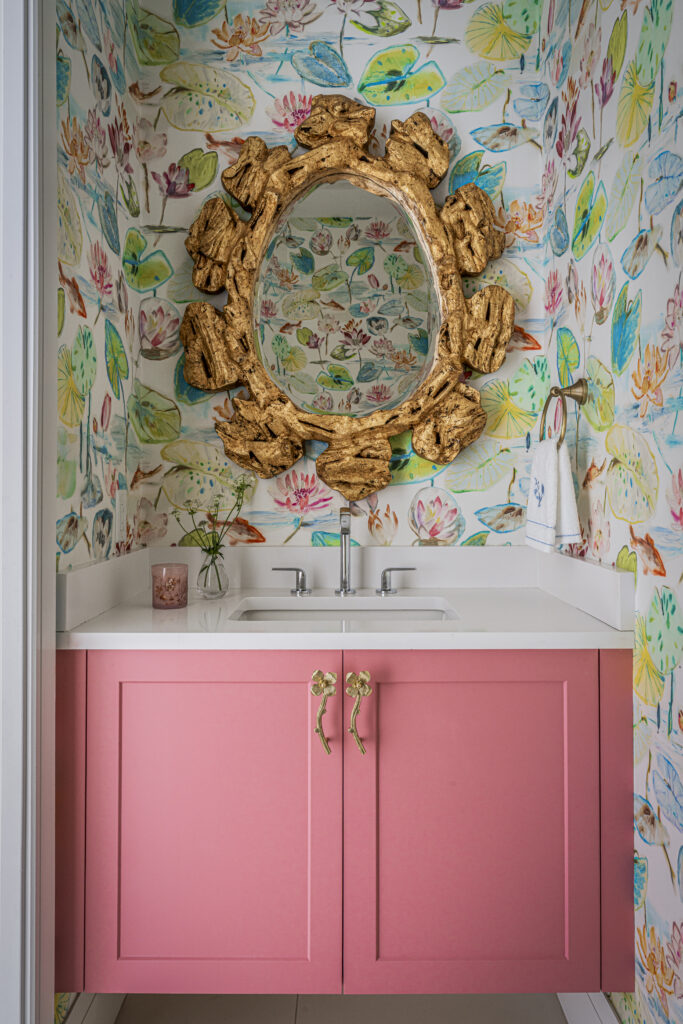
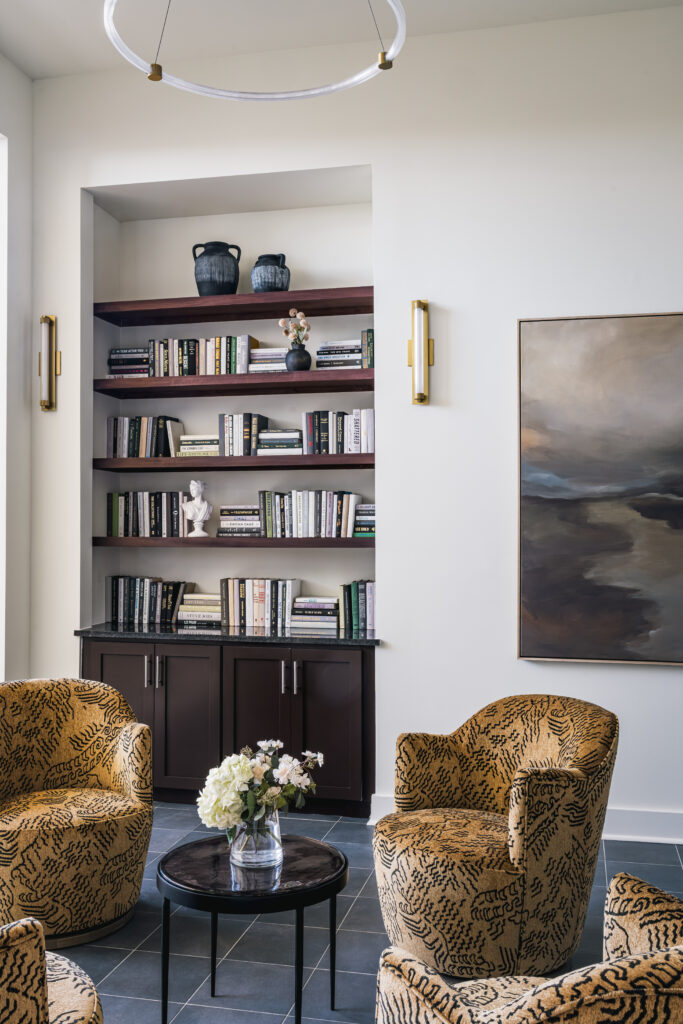
The prettiest pink powder room designed by Bellizaire contrasts with her sitting area design and displays her breadth of design (Venjhamin Reyes)
Bellizaire welcomes reference images at the beginning of a project. Two people can say “traditional” and picture entirely different rooms. A photograph gets them to the specifics faster. She’s more circumspect about the steady arrival of new inspiration once decisions are underway. By the time a professionally photographed room reaches social media, the project may be years old. That lamp a client just fell for? It may already be discontinued.
An AI rendering, on the other hand, makes her curious about the conversation that produced it. A client who answers “I don’t know” when asked about a favorite color or where they shop may have spent an evening supplying an app with surprisingly specific instructions. Bellizaire wants to know what they typed, what the app asked and which details made the image feel right. There may be more to learn from that exchange than from the rendering itself.
She’s equally clear about who will be there on installation day. “I always have to be there to steam the curtains,” she says. She’ll also be there to ask someone to move the sofa two inches. Those are the particulars she thinks the profession could talk about more plainly. If people wonder what they’re paying a designer to do, a lecture on the value of design will only get you so far. Walk them through the decisions between the picture and the room, and they can begin to see what the fee buys.
A business with room to breathe
Bellizaire speaks warmly about the firms she once tried to emulate. She still likes the energy of people working well together. What she wants from her own team today is the confidence to take a clear brief and decide how to get there. A colleague who does their best work between 8 p.m. and midnight is welcome to keep those hours. Bellizaire, for her part, has considered the radical proposition of a business owner showing up at 10 after a morning workout.
That flexibility has a practical payoff. A smaller operation gives her more say over the commissions she accepts and more time to spend on the parts of them that need her. It also gives her room for the work she wants to do beyond a client’s home, from teaching to telling stories about design.
There’s a question Bellizaire keeps returning to with clients when the references multiply, and everyone has an opinion. What do you want to live with? It took her a while to ask herself the same thing about the business. Once she did, the org chart got shorter and she gained the room to create the practice she wanted.