


People
A sales rep, a Supreme Court decision, and what tariffs feel like on the ground

Design and build operating system expands leadership team with seasoned industry operator
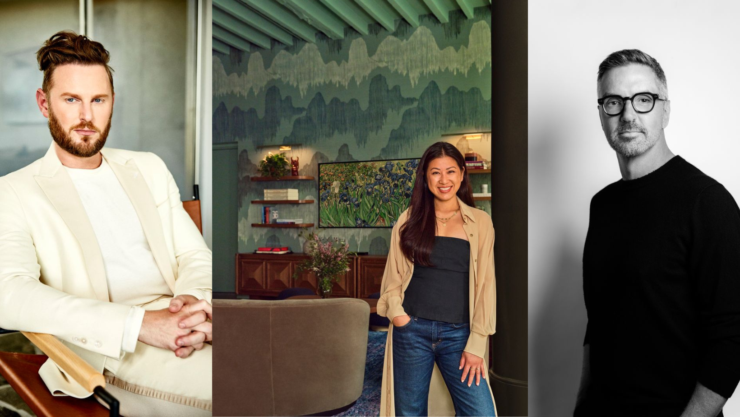
Together, Berk, Cheng, and Orsman will be introduced at KBIS 2026 in Orlando, where they will tour the show, exploring the latest trends, product debuts, and innovations from global kitchen and bath manufacturers and documenting their experience for their social audience.

A decade-long love story that began at trade shows and coffee tables culminates in a heartfelt wedding at The Little White Chapel. Frank Leyon and Jane Dagmi share how their professional and personal worlds intertwined, leading to a union celebrated among family, friends, and colleagues who have become an inseparable part of their lives.

Rooted in a shared belief that children’s spaces should evolve alongside families, each piece in the collection is intentionally designed to extend beyond the nursery years, transitioning seamlessly from nursery to toddler room and beyond.

Tickets Now on Sale for the 47th Annual Design Event,
Benefiting San Francisco University High School’s Financial Aid Program
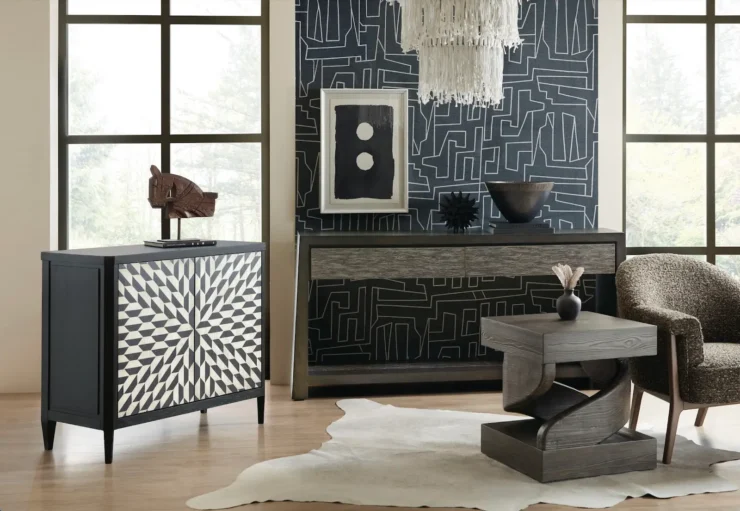
In a multi-generational portrait of design lineage, the O’Hare family reveals how immersion, curiosity and kindness shape creative lives across decades, from factory floors abroad to sketchbooks at the kitchen table. For designers and manufacturers alike, their story offers a timely reminder that innovation is less inherited than cultivated through proximity, mentorship and a sustained attention to the world’s smallest details.
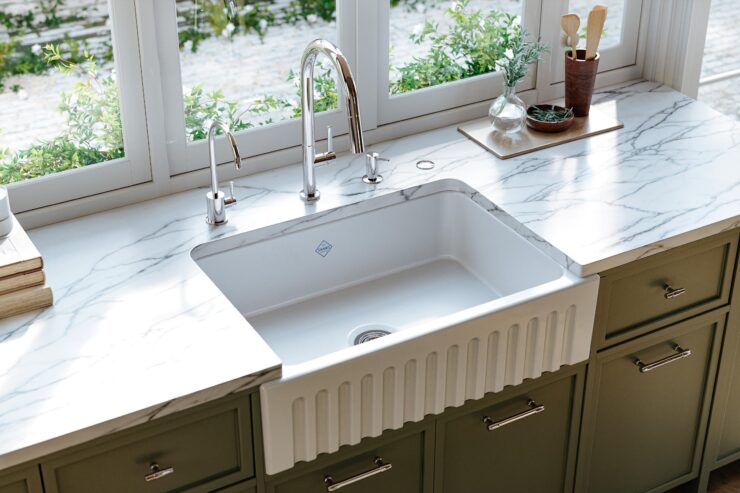
House of Rohl® expanded its portfolio with the acquisition of Emtek® and Schaub®, leaders in customizable cabinet and door hardware, in 2024. The addition of these brands alongside Riobel®, Perrin & Rowe®, Shaws®, Victoria + Albert®, and ROHL® has strengthened the portfolio’s position as a trailblazer in luxury plumbing and hardware for the kitchen and bath, and continued to broaden its offering across the luxury home décor landscape. By integrating both plumbing and hardware, the new House of Rohl delivers curated, stylistically aligned collections with shared finishes, simplifying specification while upholding the unmatched craft, service, and heritage that define its portfolio of prized brands. Today, House of Rohl welcomes seasoned industry leaders to help accelerate that momentum.
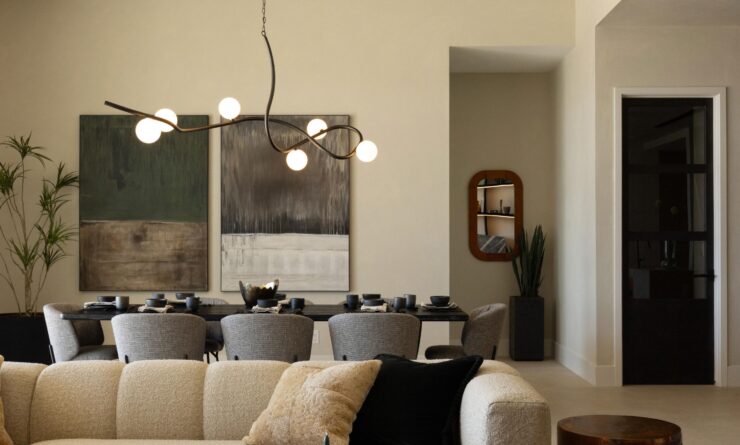
Hubbardton Forge, a luxury lighting manufacturer with over 200 employees based in Castleton, Vermont, announced that their Design Advisory Council, launched in 2023, is adding five (5) new key interior designers who join charter DAC members Christopher Todd, Jeanne Chung, Joshua Smith, Shay Geyer and Tim Green.
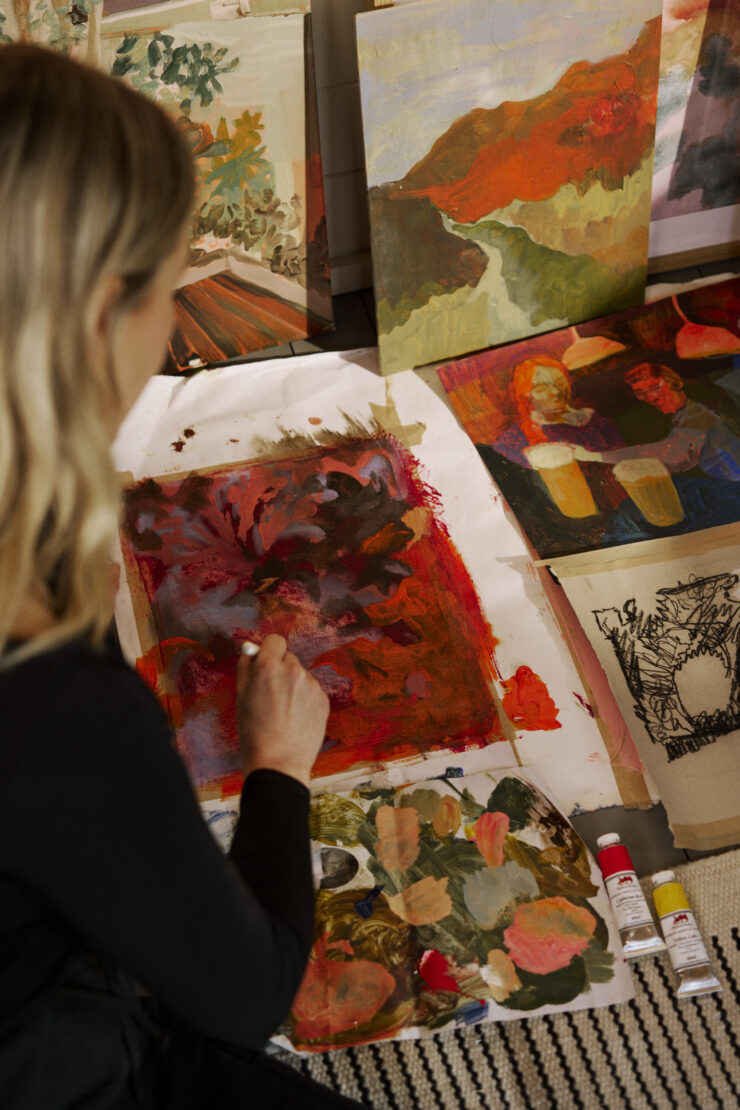
London-based Faulkner is recognized for her expressive approach to capturing countryside vistas and floral studies, working across watercolor, gouache and oil.