
Featured
A sales rep, a Supreme Court decision, and what tariffs feel like on the ground
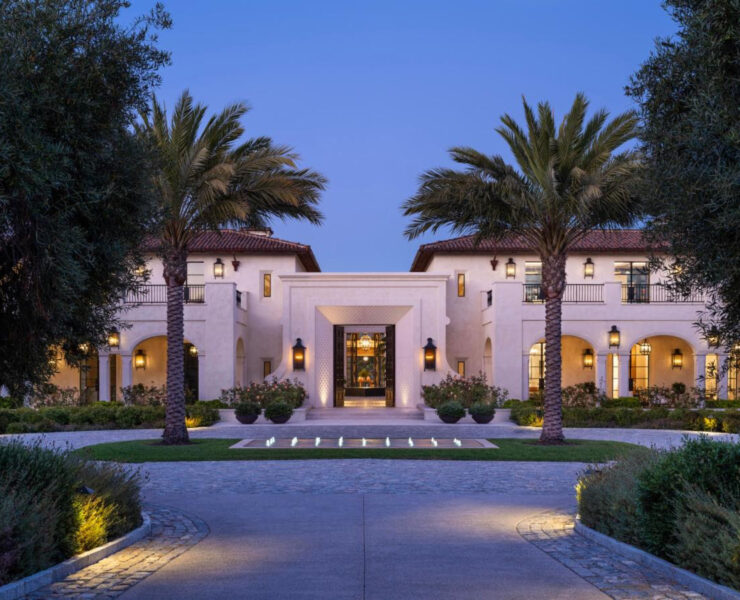
Los Angeles-based LDG—renowned for designing spectacular estates in California, Florida, and across the globe—honored by the building industry’s premier residential design awards program

Williams Sonoma is becoming one of the first companies to test ads in ChatGPT. As an early participant, Williams-Sonoma, Inc. will explore how advertising in ChatGPT can reach customers at decision-making moments, helping surface relevant, high-quality products while preserving the trusted and transparent user experience both companies value.
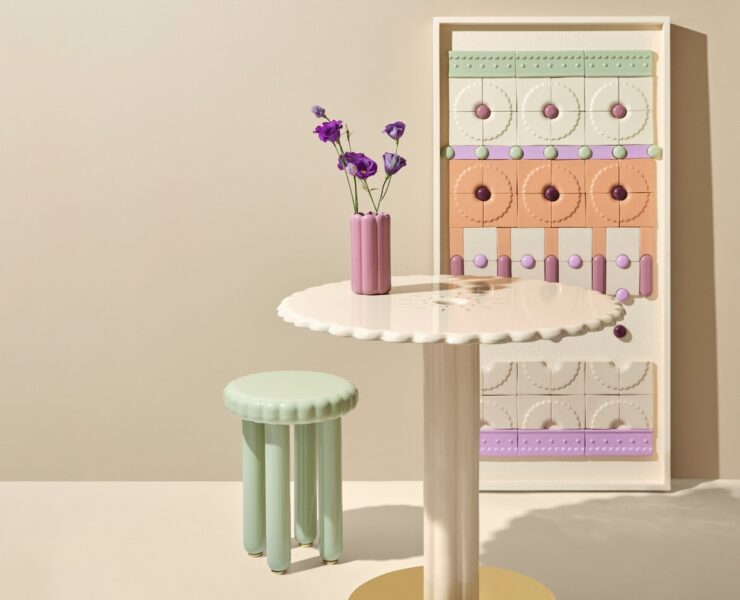
mbiente 2026 reveals five defining trends shaping the future of home and product design, from portable warmth and universal kitchen tools to playful forms and woven craft traditions. The fair frames design as a form of care, responding to climate pressure, shifting domestic habits and the growing demand for objects that support everyday well-being.
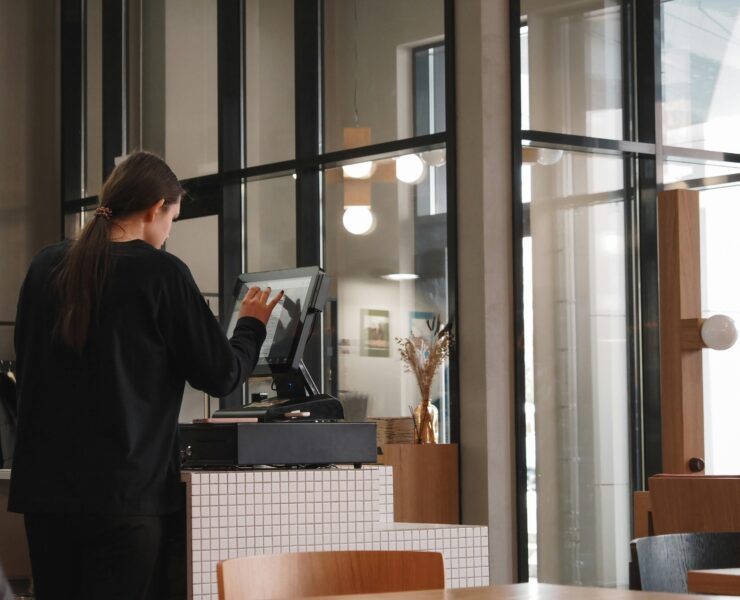
Artificial intelligence is moving from a marketing add-on to core infrastructure for brick-and-mortar retailers. In this interview with AiPRL Assist founder JD Camden, DNN explores how unified data, omnichannel memory and real-time customer intelligence can help local and regional retailers compete with national chains while strengthening the showroom experience.

Fashion forecasting firms Fashion by Informa and FS have outlined four material directions expected to shape apparel and interiors in 2027: Awaken, Wondermode, Space for Solace and Ritual. Spanning tactile, nature-driven surfaces, playful experimental constructions, restorative technical textiles and heritage-inspired embellishment, the trends point to a future where material choice becomes both emotional language and functional solution. With crossover implications for upholstery, soft goods and lighting, these emerging fabrics offer designers a preview of how texture, color and craft will define the next cycle of design.
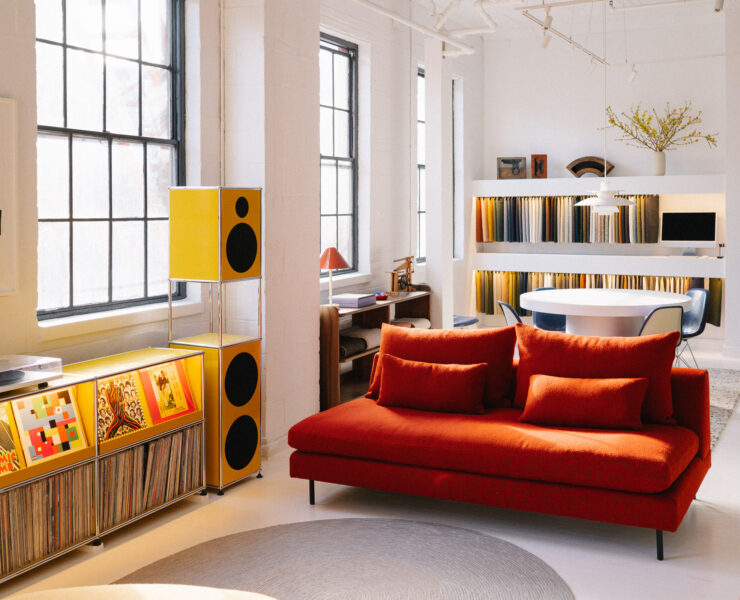
Designed as a living studio for furniture, music, and dialogue, the space anchors the brand’s next chapter in downtown Manhattan.
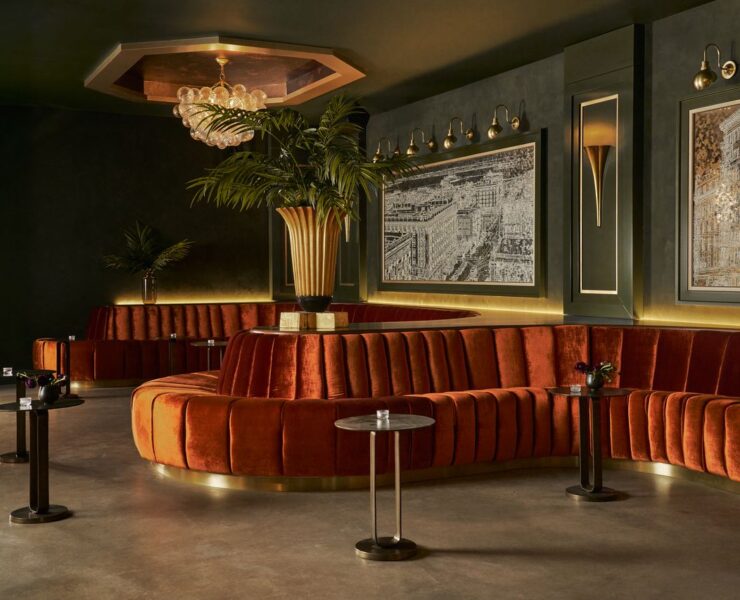
AAHA Studio takes residential- and hospitality-level design thinking into uncharted territory, converting a former police gymnasium into a wedding venue that balances preservation, flow, and spectacle. The project marks the start of a series exploring how designers bring luxury sensibilities to unconventional spaces.
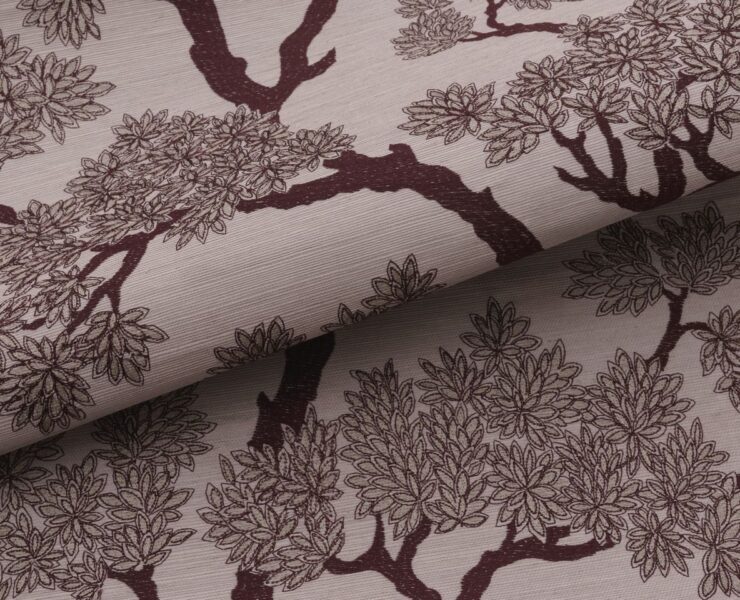
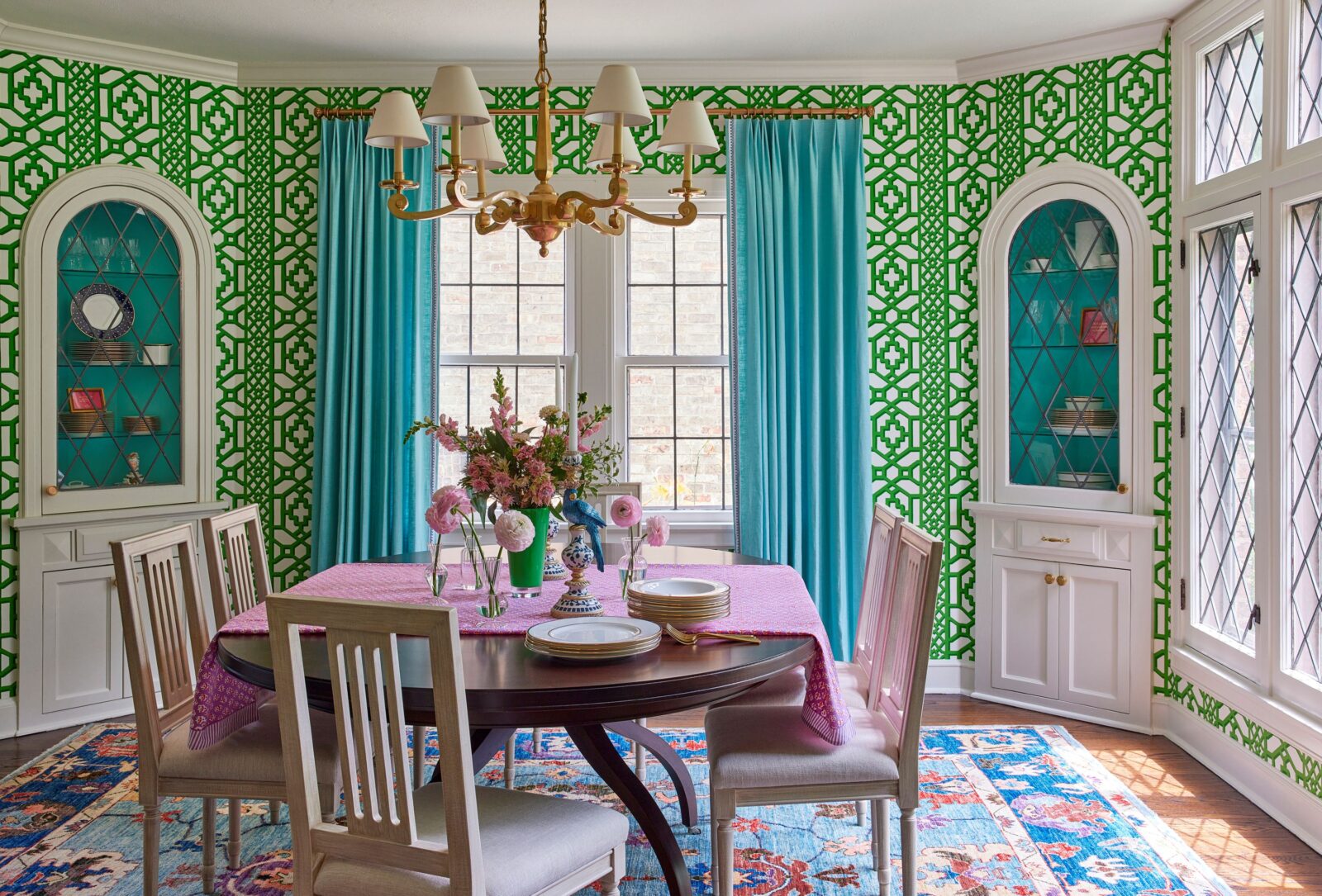
From grand, dramatic botanicals that define a room to subtle textures that help refine a space, we’ve gathered 10 new wallpapers that are worth a look.
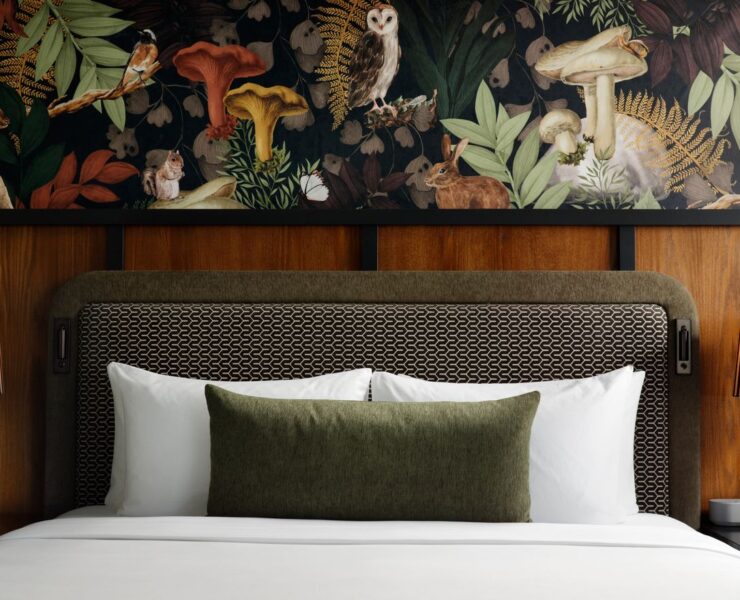
Set within the 20-acre Harvest development, The SOMM serves as a beacon to Woodinville’s wine country and the Sammamish River Valley’s outdoor adventures. Drawing upon the region’s vineyards, forests, riverbanks and craft culture, Sixteenfifty’s design embodies a philosophy of perfect pairings, where the raw and refined cohesively converge in a spatial exploration grounded in locality while thoroughly modern. Wood, steel, leather and glass form the foundational material palette familiar to a sommelier’s craft, paired with smooth and rough finishes in harmonious contrast.